When Should Buyers Choose Zinc Alloy Die Casting?
When Should Buyers Choose Zinc Alloy Die Casting?
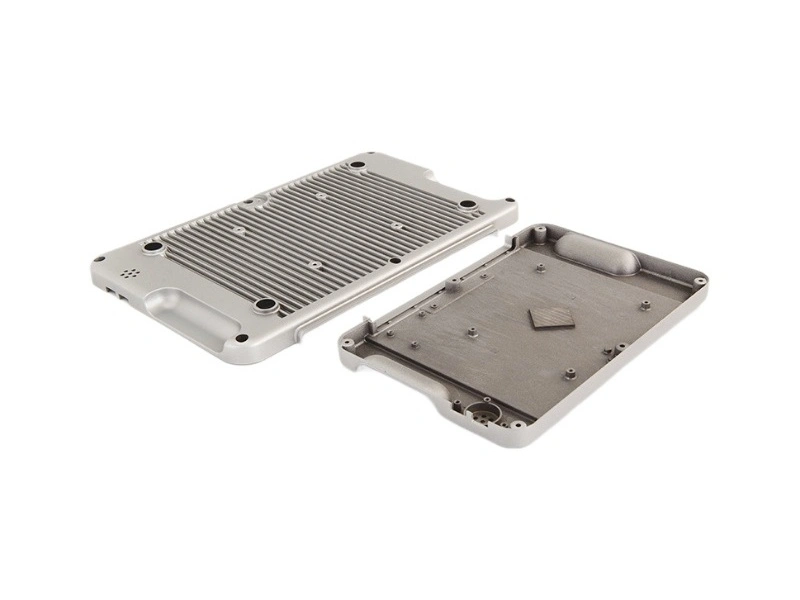
Buyers should choose zinc alloy die casting when the part is small, structurally complex, dimensionally stable, surface-sensitive and suitable for medium to high volume production. It is also a good option when the part needs plating, painting, coating, balanced strength and weight, and CNC machining only on a few critical areas.
A professional custom metal casting supplier should evaluate part geometry, appearance requirements, tooling cost, CNC machining areas, surface treatment, annual demand and production stability before recommending zinc alloy die casting. Buyers should not choose zinc alloy only by material price.
1. Ideal Scenarios for Zinc Alloy Die Casting
Buyer Requirement | Why Zinc Alloy Die Casting Fits | Typical Parts |
|---|---|---|
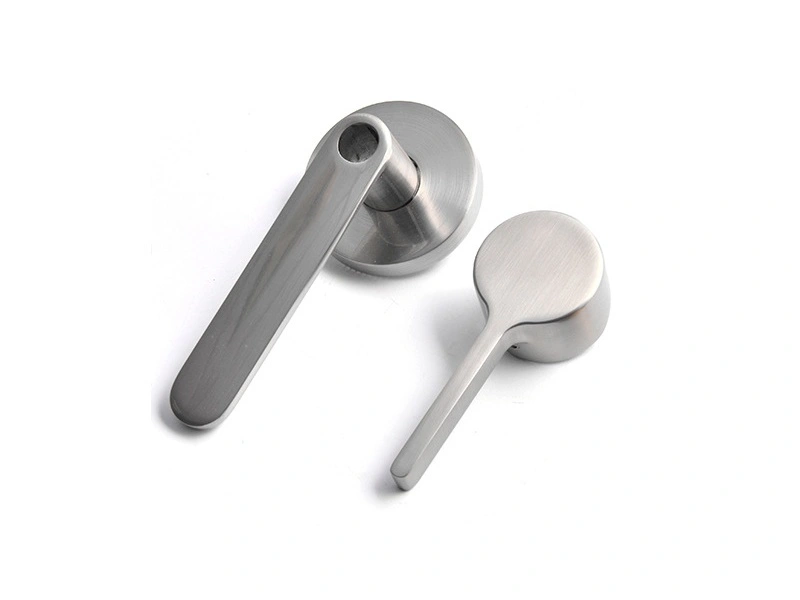
Small part size | Zinc alloy is suitable for small metal parts with fine details | Locks, handles, brackets, connectors, knobs and covers |
Complex structure | Can form ribs, bosses, thin details and complex shapes efficiently | Hardware, consumer product parts and small industrial fittings |
Stable dimensions | Supports repeatable production and assembly consistency | Precision zinc die casting parts and mating components |
Good surface quality | Provides a suitable base for decorative finishing | Visible covers, trim parts, plated parts and coated parts |
Medium to high volume production | Tooling investment can support repeated output and long-term cost control | Custom zinc alloy parts with stable demand |
2. Why Surface Treatment Makes Zinc Alloy a Good Choice
Zinc alloy die casting is often selected for parts that need plating, painting, coating, polishing or decorative finishing. This makes it useful for consumer products, hardware, automotive small parts, decorative fittings and appearance-focused components.
Surface Requirement | Why Zinc Alloy Helps | Buyer Should Confirm |
|---|---|---|
Plating | Can support decorative metal-like finishes when casting quality is controlled | Plating type, cosmetic surfaces, defect limits and inspection standard |
Painting or coating | Improves color, appearance, corrosion resistance and wear resistance | Color, coating thickness, gloss, texture and use environment |
Polishing | Improves visible surfaces and prepares parts for decorative finishing | Polished areas, surface grade and acceptable marks |
Cosmetic inspection | Visible parts need stable casting and finishing quality | Reference samples, cosmetic zones and defect standards |
3. Why Tooling, CNC Machining and Volume Should Be Reviewed
Die casting tooling affects zinc alloy die casting cost, surface quality, flash, dimensional repeatability and production stability. Many parts also need CNC machining after die casting for only a few critical areas, such as precision holes, threads, locating faces and high-tolerance features.
Project Factor | Why It Matters | Buyer Decision |
|---|---|---|
Tooling quality | Good tooling reduces flash, defects and batch variation | Evaluate tool life and production stability, not only mold price |
CNC machining areas | Machined features affect fixture, tool, inspection and finished part cost | Machine only functional areas that need tight control |
Annual demand | Higher demand helps justify tooling investment | Confirm forecast and order plan before tooling |
Long-term batch cost | Production stability affects real unit cost | Review scrap rate, finishing cost and inspection cost together |
4. When Other Alloys May Be Better
Zinc alloy die casting is not always the best choice. If the buyer needs a lightweight structure or larger housing, aluminum die casting alternative may be more suitable. If the part needs conductivity, heat transfer or special functional metal performance, copper alloy die casting for functional parts may be more suitable.
5. Summary
Choose Zinc Alloy Die Casting When | Main Reason |
|---|---|
The part is small | Zinc alloy is suitable for small precision metal components |
The structure is complex | Die casting can form detailed features efficiently |
Stable dimensions are needed | Supports repeatable assembly and inspection consistency |
Good surface quality is important | Supports plating, painting, coating and decorative finishing |
Batch demand is stable | Tooling investment can support long-term production cost control |
In summary, buyers should choose zinc alloy die casting when the part is small, complex, dimensionally stable, surface-sensitive and suitable for medium to high volume production. The decision should consider part structure, appearance requirements, tooling cost, CNC machining areas, surface finishing, inspection, annual demand and long-term production stability.