How to Order Aluminum Die Casting Services for Custom Production Parts
How to Order Aluminum Die Casting Services for Custom Production Parts
To order aluminum die casting services successfully, buyers need more than a part drawing and a price request. A production order usually involves design review, aluminum alloy selection, tooling evaluation, trial samples, CNC machining scope, surface finishing requirements, inspection standards, packaging and batch delivery planning.
For custom production parts, the ordering process directly affects cost, lead time, sample approval and long-term production stability. If project information is incomplete before ordering, buyers may face quotation changes, mold modification, trial sample rework, CNC machining disputes, surface finish inconsistency and delivery delays.
A clear aluminum die casting order helps the supplier understand what must be cast, what must be machined, what surfaces are cosmetic, what dimensions are critical and what standards should be used for production approval.
Why Buyers Need a Clear Ordering Process for Aluminum Die Casting
Buyers need a clear ordering process because aluminum die casting is not a single-step purchase. A complete order usually connects part design review, material selection, tooling, trial samples, post machining, finishing, inspection and batch production.
If these details are not confirmed before the order starts, the project may become unstable during tooling or sampling. For example, missing machining areas can cause price changes. Unclear cosmetic surfaces can cause appearance disputes. Missing tolerance notes can create inspection problems. Unclear surface finishing requirements can delay production approval.
For aluminum die casting services, the best ordering process should make every production requirement clear before tooling and trial samples begin.
Ordering Step | Why It Matters | Buyer Risk if Missing |
|---|---|---|
Part design review | Checks wall thickness, ribs, bosses, draft and manufacturability | Tooling changes and sample failure |
Aluminum alloy selection | Affects strength, weight, casting stability and machining behavior | Wrong material choice and unstable performance |
Tooling evaluation | Controls mold structure, filling, venting, cooling and repeatability | Mold modification and unstable production |
Trial samples | Verify dimensions, appearance, machining and assembly before production | Batch risk after sample approval |
CNC machining scope | Defines holes, threads, faces and datum surfaces that need machining | Price changes and machining disputes |
Surface finishing requirements | Defines appearance, coating, color and acceptable defects | Cosmetic rejection and rework |
Inspection standard | Confirms how dimensions and appearance will be checked | Unclear acceptance and quality disputes |
Batch production plan | Connects approved samples with repeat production quantity and lead time | Delivery delay and unstable supply |
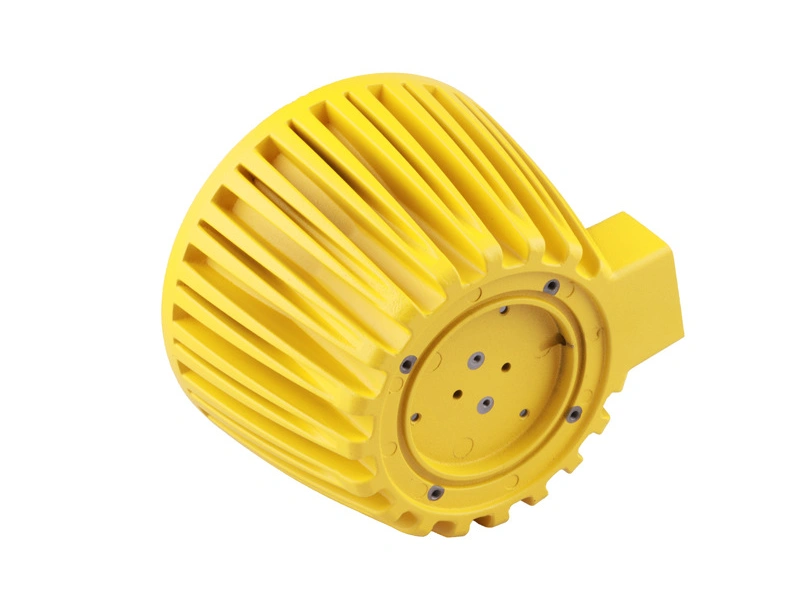
Which Aluminum Die Casting Projects Are Ready to Order?
An aluminum die casting project is ready to order when the product design is mostly fixed, drawings are available and the buyer understands the production requirement. The project should have a clear material direction, expected annual demand, critical dimensions, CNC machining areas, surface finish requirements and assembly needs.
If the design is still changing, material is not confirmed or annual demand is unclear, ordering production tooling too early can create unnecessary cost. Buyers may need prototype validation or additional design review before releasing a formal aluminum die casting order.
A project is usually ready for custom metal casting when the buyer can define what the part must do, how it will be assembled, which surfaces are functional and what batch production target should be planned.
Ready to Order | Not Ready to Order |
|---|---|
Product design is mostly frozen | Design is still changing frequently |
2D drawing and 3D model are prepared | Only early concept sketches are available |
Aluminum alloy direction is basically confirmed | Material has not been discussed |
Annual demand is relatively clear | Production volume cannot justify tooling yet |
Critical dimensions are marked | All dimensions are unclear or over-specified |
CNC machining areas are confirmed | Machining scope is not defined |
Surface finishing requirement is clear | Appearance and coating requirements are uncertain |
Assembly relationship has been verified | Fit and function have not been checked |
Target cost and lead time have a basic range | Commercial expectations are not clear |
Key Information Buyers Should Confirm Before Ordering
Before ordering aluminum die casting services, buyers should prepare complete engineering and purchasing information. This helps the supplier quote accurately, plan tooling correctly and reduce production misunderstandings.
The most important information includes 2D drawings, 3D models, aluminum alloy requirements, annual demand, critical dimensions, CNC machining areas, surface finish requirements, assembly requirements and packaging requirements.
Clear order information also helps the supplier decide whether the part is suitable for aluminum die casting, what tooling strategy should be used and how to manage machining, finishing and inspection.
Order Information | Why It Matters | Buyer Benefit |
|---|---|---|
2D drawing and 3D model | Defines geometry, tolerances, notes and critical features | Reduce quoting errors |
Aluminum alloy requirement | Affects strength, weight and casting stability | Improve material matching |
Annual demand | Affects tooling and unit cost planning | Choose the right production route |
Critical dimensions | Defines functional areas | Control inspection focus |
CNC machining areas | Affects machining allowance and cost | Avoid later price changes |
Surface finish requirement | Affects appearance and acceptance | Reduce cosmetic disputes |
Assembly requirement | Affects datum surfaces and tolerances | Improve fit and function |
Packaging requirement | Protects finished parts during delivery | Reduce delivery damage |
How Tooling Should Be Confirmed Before Ordering Aluminum Die Casting Services
Tooling should be confirmed before ordering because it is the foundation of aluminum die casting production. The mold controls filling, venting, cooling, ejection, machining allowance, cosmetic surface protection and long-term repeatability.
Before starting aluminum die casting tooling, buyers should confirm mold structure, gate and runner design direction, venting planning, cooling planning, ejector pin position, parting line location, machining allowance, cosmetic surface protection, trial sample process and tooling modification responsibility.
If tooling planning is unclear, the order may face sample failure, mold changes, poor appearance, insufficient machining allowance and unstable batch production.
Tooling Confirmation Item | Why It Matters | Buyer Risk if Missing |
|---|---|---|
Mold structure | Defines how the part will be formed and released | Poor mold feasibility and late design changes |
Gate and runner design direction | Controls aluminum flow into the mold cavity | Cold shuts, flow marks and unstable filling |
Venting planning | Helps trapped gas escape during casting | Porosity and internal defects |
Cooling planning | Controls shrinkage, warpage and cycle time | Dimensional instability and deformation |
Ejector pin position | Affects part release and surface marks | Ejector marks on cosmetic or assembly surfaces |
Parting line location | Affects flash, burrs and visible surface quality | Extra finishing cost and cosmetic disputes |
Machining allowance | Leaves stock for holes, threads, faces and datum surfaces | Scrap, rework or poor final tolerance |
Cosmetic surface protection | Protects visible areas from gate, ejector and parting line issues | Appearance rejection after finishing |
Trial sample process | Defines how sample quality will be reviewed and corrected | Unclear approval and production delay |
Tooling modification responsibility | Clarifies how design or process changes are handled | Cost disputes and schedule delays |
How CNC Machining Scope Should Be Defined Before Ordering
CNC machining scope should be defined before ordering because many aluminum die cast parts need post machining on functional areas. The buyer should not wait until after trial samples to decide which holes, faces or datum surfaces require machining.
Common machined areas include threaded holes, mounting holes, sealing faces, bearing holes, locating surfaces, datum surfaces, flatness-controlled faces and tight tolerance assembly areas.
For CNC machining after aluminum die casting, buyers should separate cast-only surfaces, machined surfaces, cosmetic surfaces, functional surfaces, coating areas and assembly datum surfaces before tooling begins. This helps avoid machining scope changes, fixture problems and price disputes during order execution.
Surface or Feature Type | How Buyers Should Define It | Why It Matters |
|---|---|---|
Threaded holes | Confirm thread size, depth, position and inspection requirement | Improves fastening reliability |
Mounting holes | Confirm which holes require CNC machining | Improves assembly fit |
Sealing faces | Define flatness and surface finish requirements | Reduces leakage risk |
Bearing holes | Confirm diameter, roundness and tolerance requirements | Improves movement and fit performance |
Locating surfaces | Mark positioning areas clearly on the drawing | Improves repeatable assembly |
Datum surfaces | Define datums for machining and inspection | Improves dimensional control |
Flatness-controlled faces | Apply flatness only where function requires it | Controls machining and inspection cost |
Cast-only surfaces | Keep non-functional areas as-cast when possible | Reduces unnecessary machining cost |
Cosmetic surfaces | Protect visible faces from machining marks and tooling defects | Improves surface acceptance |
Coating areas | Confirm coating coverage and masking requirements | Prevents fit and appearance problems |
How Surface Finishing Requirements Affect Aluminum Die Casting Orders
Surface finishing requirements affect aluminum die casting orders because appearance and protection standards can change tooling, deburring, polishing, coating, inspection and packaging decisions.
Common surface treatments include deburring, polishing, painting, powder coating, protective coating and clear coating. Buyers should confirm cosmetic surfaces, non-visible surfaces, functional surfaces, coating type, color requirement, surface roughness, acceptable defect standard, masking areas and packaging protection before ordering.
For visible aluminum die cast parts, surface standards should be confirmed during trial samples, not after mass production. If the surface requirement is unclear, the supplier may not know which faces need appearance protection and which surfaces can remain as-cast.
Surface Finishing Item | What Buyers Should Confirm | Buyer Benefit |
|---|---|---|
Deburring | Edges, holes, parting lines and handling areas | Improve assembly and safe handling |
Polishing | Visible surfaces and smoothness requirement | Improve appearance and hand feel |
Painting | Color, coverage, defect standard and sample reference | Improve cosmetic consistency |
Powder coating | Coating area, thickness, color and use environment | Improve durability and corrosion resistance |
Protective coating | Required protection level and working condition | Improve service life |
Clear coating | Base appearance and protection requirement | Protect visible aluminum surfaces |
Cosmetic surfaces | Visible and appearance-critical faces | Reduce surface disputes |
Masking areas | Threads, sealing faces, contact areas and precision features | Prevent fit problems after coating |
Acceptable defect standard | Allowed scratches, pits, marks, color variation and surface defects | Create clear inspection criteria |
Packaging protection | Protection against scratches, dents and coating damage | Reduce delivery damage |
How Trial Samples Help Buyers Confirm the Order Before Production
Trial samples help buyers confirm whether the aluminum die casting order is ready for batch production. Buyers should not approve samples only because they look acceptable. Trial samples should verify dimensions, machining, assembly, surface finish, defects, packaging and inspection reporting.
Important sample review items include critical dimensions, CNC machined features, assembly fit, burr and flash level, surface finish result, coating or painting quality, porosity risk, packaging protection and inspection report format.
Trial samples should represent the production standard. If sample approval is unclear, the supplier may not have a stable reference for batch production quality.
Trial Sample Check | What Buyers Should Review | Why It Matters |
|---|---|---|
Critical dimensions | Dimensions that affect fit, function or final inspection | Confirms tooling and process accuracy |
CNC machined features | Threads, holes, sealing faces, datums and flatness areas | Confirms post-machining quality |
Assembly fit | Fit with mating parts and final installation condition | Reduces production assembly risk |
Burr and flash level | Edges, holes, parting lines and handling areas | Improves assembly and safety |
Surface finish result | Polishing, painting, powder coating or protective coating quality | Confirms appearance standard |
Coating or painting quality | Color, coverage, adhesion, scratches and visible defects | Reduces cosmetic disputes |
Porosity risk | Visible pores and exposed pores after machining | Prevents functional and appearance failure |
Packaging protection | Protection against scratches, deformation and coating damage | Maintains delivery quality |
Inspection report format | Dimensional data, critical features and cosmetic checks | Creates clear approval evidence |
How to Move From Trial Samples to Batch Production
Moving from trial samples to batch production requires clear approval standards. Buyers should confirm the approved sample condition, dimensional report, machining inspection method, cosmetic inspection method, surface finish sample, packaging method, batch order quantity, production lead time, defect response process and long-term quality feedback process.
The goal of ordering aluminum die casting services is not only to complete one sample. The real goal is to establish a stable production flow that can repeat the same quality across future orders.
Neway supports aluminum die casting orders that require custom aluminum die cast parts, aluminum die casting tooling, CNC machining after die casting, surface finishing, inspection and batch production support. Buyers comparing other material routes can also review custom zinc die cast parts or custom copper die cast parts based on part size, performance and cost target.
Production Release Item | What Buyers Should Confirm | Why It Matters |
|---|---|---|
Sample approval standard | Approved sample condition and acceptable variation | Creates a production reference |
Dimensional report | Critical dimensions, tolerances and measured results | Confirms production readiness |
Machining inspection method | How holes, threads, datums and sealing faces will be checked | Protects fit and function |
Cosmetic inspection method | How visible surfaces and finishing defects will be judged | Reduces appearance disputes |
Approved surface finish sample | Reference sample for coating, painting, polishing or color | Improves batch appearance consistency |
Packaging method | Protection method for finished die cast parts | Prevents delivery damage |
Batch order quantity | Production lot size and shipment plan | Supports cost and schedule planning |
Production lead time | Timing for casting, machining, finishing, inspection and delivery | Improves purchasing schedule control |
Defect response process | How defects will be reported, corrected and prevented | Supports quality improvement |
Long-term quality feedback process | How repeat orders will be monitored and improved | Supports stable long-term cooperation |
FAQ
How Can Buyers Turn Drawings Into a Production-Ready Aluminum Die Casting Order?
Which Order Details Help Reduce Rework Before Aluminum Die Casting Tooling?
How Should Buyers Confirm Machining and Surface Finish Scope Before Ordering?
How Can Buyers Avoid Delays in Aluminum Die Casting Service Orders?
How Should Trial Samples Be Approved Before Releasing a Production Order?