How Can Buyers Turn Drawings Into a Production-Ready Aluminum Die Casting Order?
How Can Buyers Turn Drawings Into a Production-Ready Aluminum Die Casting Order?
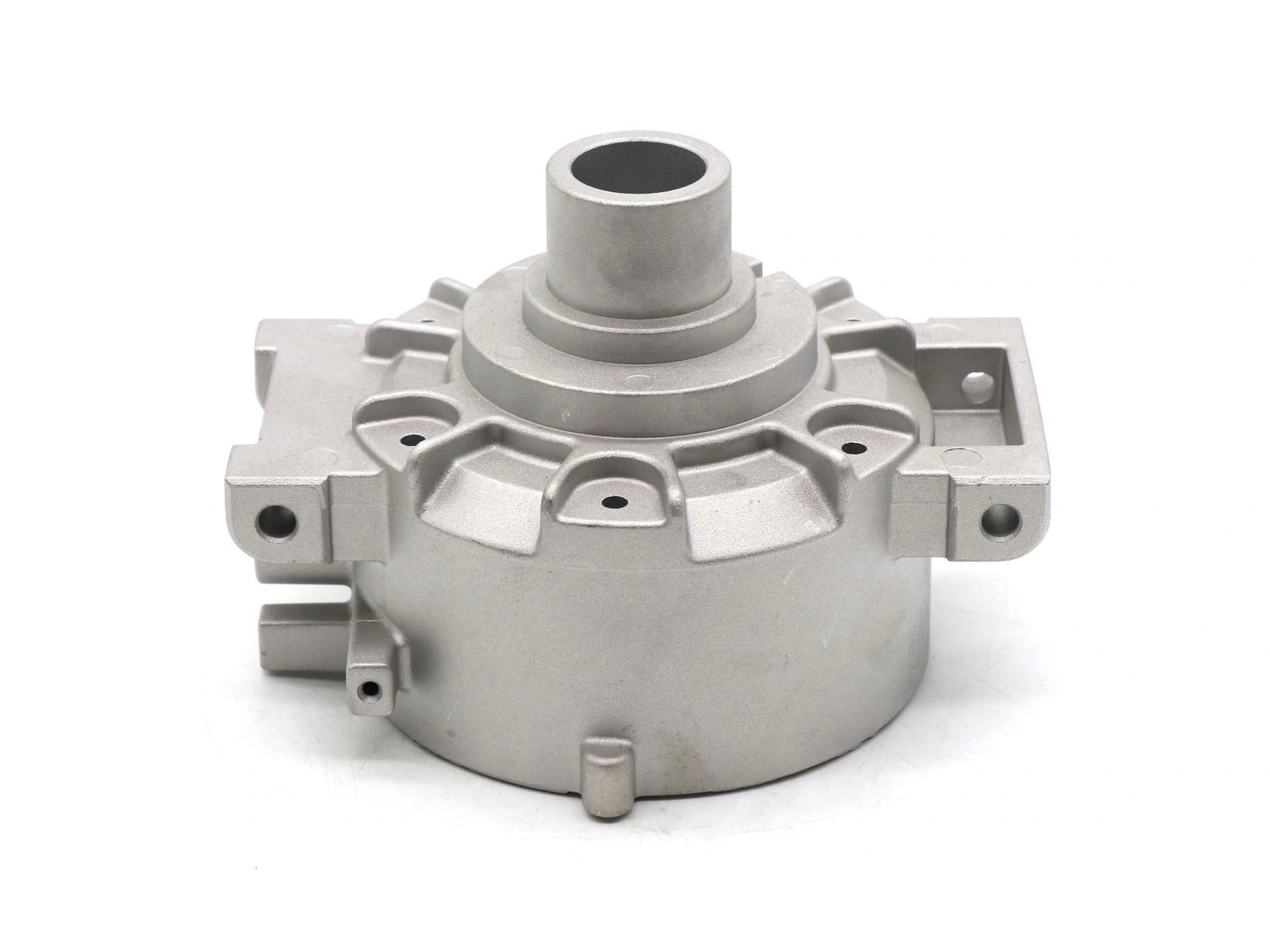
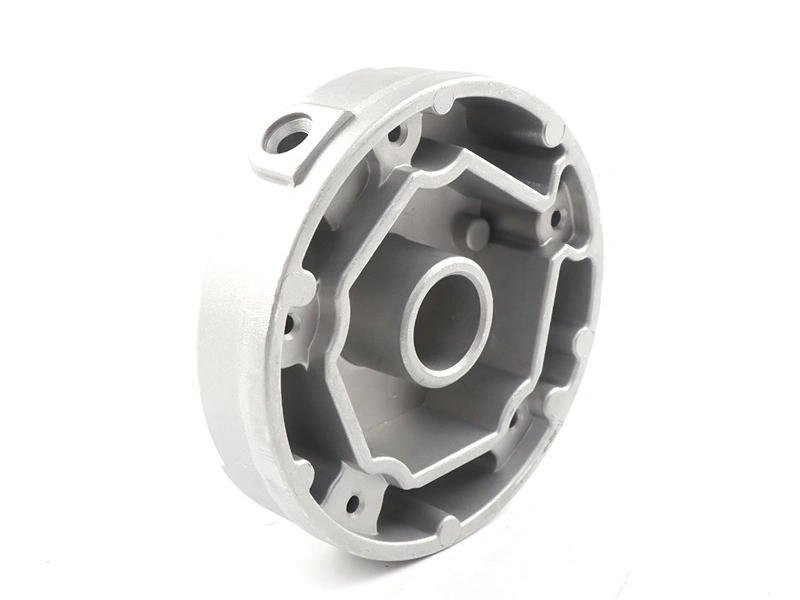
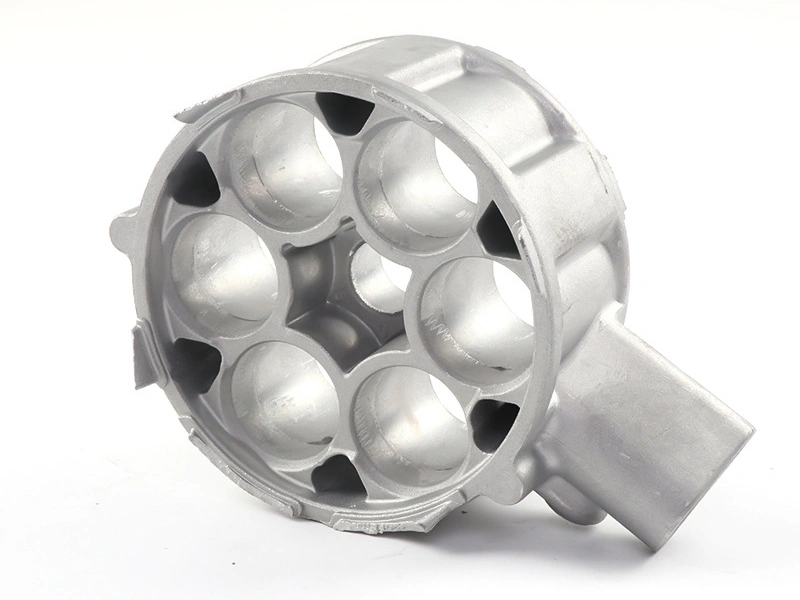
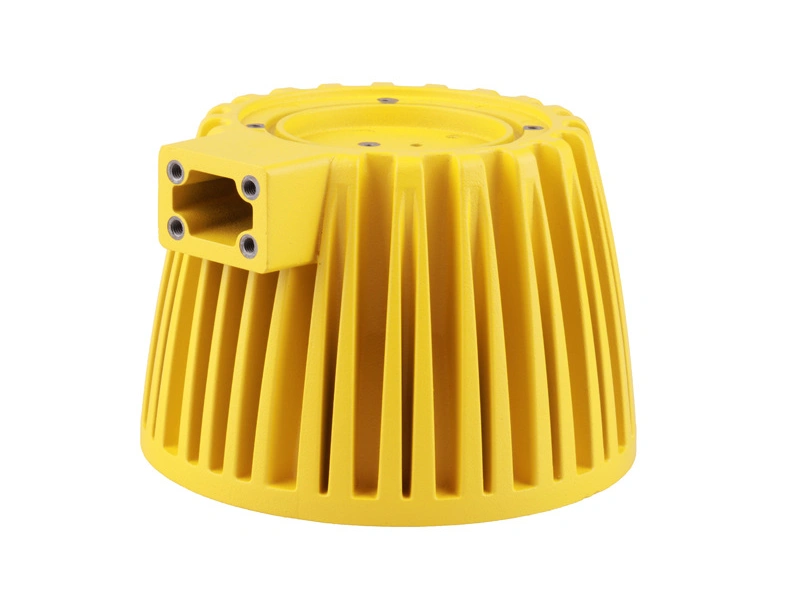
Buyers can turn drawings into a production-ready order aluminum die casting services request by providing complete 2D drawings, 3D models, aluminum alloy requirements, critical dimensions, annual demand, CNC machining areas, surface finish requirements, assembly requirements, inspection standards and packaging requirements.
A drawing is only the starting point of an aluminum die casting order. To move into real production, buyers also need to define tooling, machining, surface finishing, inspection and delivery requirements. The clearer the order information is, the easier it is for the supplier to quote accurately and reduce project risk.
1. Turn Drawing Data Into Production Requirements
Buyer Input | Why It Matters | Production Value |
|---|---|---|
2D drawing | Shows tolerances, critical dimensions, notes and inspection requirements | Reduces quotation and inspection misunderstanding |
3D model | Shows full part geometry, ribs, bosses, holes and assembly features | Supports DFM review and tooling planning |
Aluminum alloy requirement | Connects material choice with strength, weight, surface treatment and cost | Improves material and process matching |
Annual demand | Helps evaluate tooling investment, cavity number and production planning | Improves cost and delivery planning |
2. Define Tooling, Machining and Finishing Scope
Before releasing an aluminum die casting order, buyers should confirm whether the project needs tool and die making, CNC machining after aluminum die casting, surface finishing, coating, painting, polishing or special inspection.
Order Scope | What Buyers Should Confirm | Risk Reduced |
|---|---|---|
Tooling requirement | Tooling structure, trial samples, tool life and mold modification rules | Unexpected tooling cost and sample delays |
CNC machining areas | Holes, threads, sealing faces, datum surfaces and flatness areas | Machining disputes and rejected features |
Surface finish requirement | As-cast, polishing, painting, powder coating, coating or cosmetic standard | Appearance rejection and finishing rework |
Assembly requirement | Mating parts, fasteners, fit areas and functional contact surfaces | Assembly failure after production |
3. Confirm Inspection, Packaging and Delivery Requirements
A production-ready aluminum die casting order should include inspection standards and packaging requirements. These details help the supplier prepare batch control, inspection reports and delivery protection before production starts.
Order Detail | What It Should Include | Buyer Benefit |
|---|---|---|
Inspection standard | Critical dimensions, report format, inspection method and acceptance criteria | Improves quality traceability |
Packaging requirement | Scratch prevention, separation, anti-rubbing and shipping protection | Reduces delivery damage |
Delivery requirement | Sample schedule, batch schedule and repeat order plan | Improves project control |
4. Compare Related Casting Options When Needed
For some projects, buyers may need to compare aluminum with a zinc die casting project for small precision parts or a copper die casting project for conductive or functional parts. A custom metal casting service review can help buyers confirm the best route before ordering.
5. Summary
Production-Ready Order Requirement | Main Purpose |
|---|---|
2D drawing and 3D model | Support accurate quotation, DFM review and tooling planning |
Material, annual demand and critical dimensions | Confirm process route, production plan and inspection focus |
CNC machining and surface finish scope | Reduce quotation changes, machining disputes and finishing rework |
Assembly, inspection and packaging requirements | Improve batch approval, delivery protection and production stability |
In summary, buyers can turn drawings into a production-ready aluminum die casting order by converting design data into clear tooling, machining, surface finishing, inspection and delivery requirements. The more complete the information is, the easier it is to quote accurately and control production risk.