How Should Trial Samples Be Approved Before Releasing a Production Order
How Should Trial Samples Be Approved Before Releasing a Production Order?
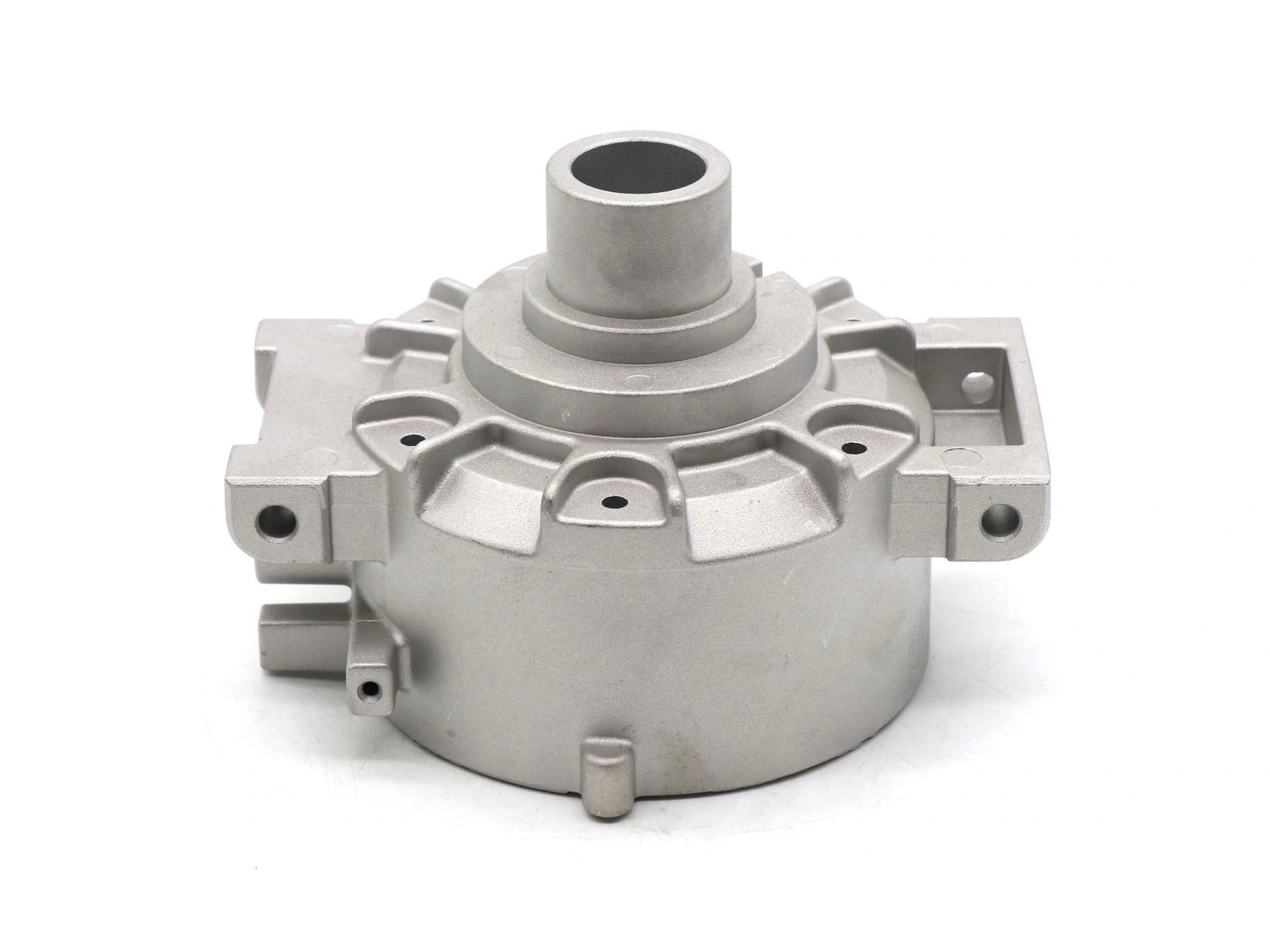
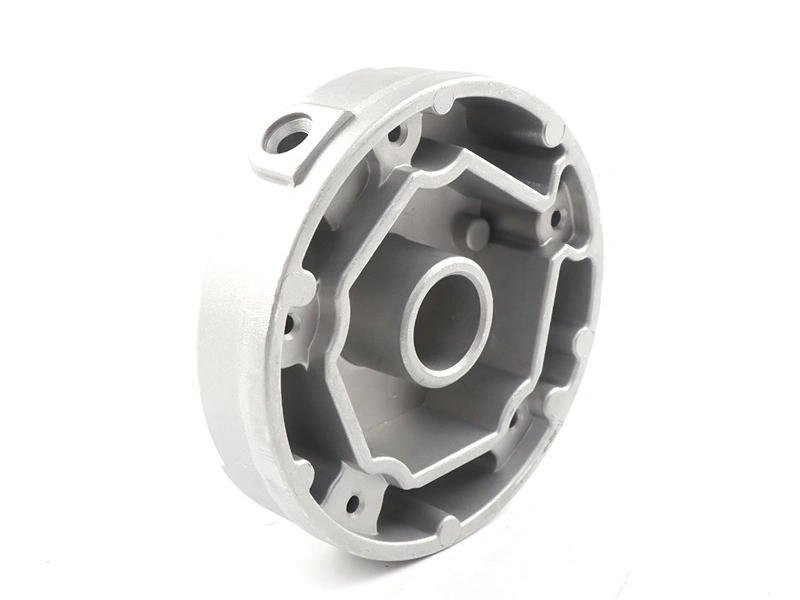
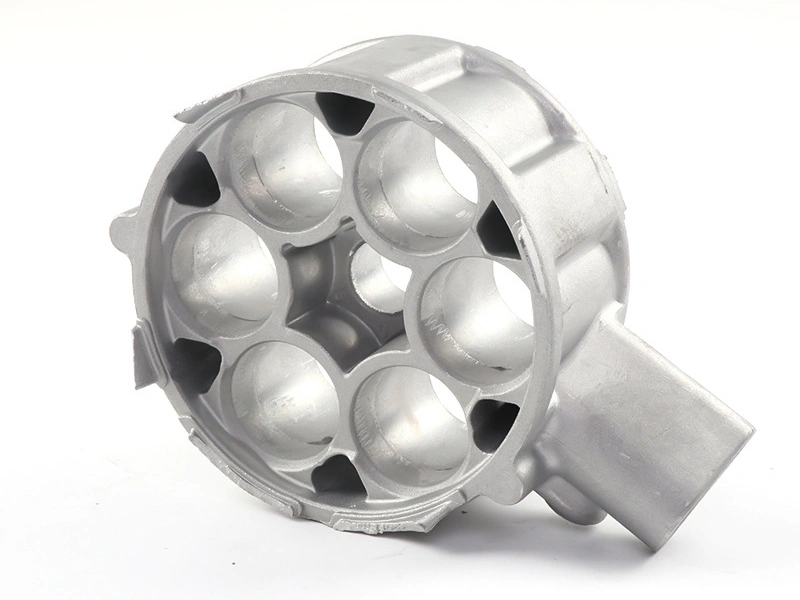
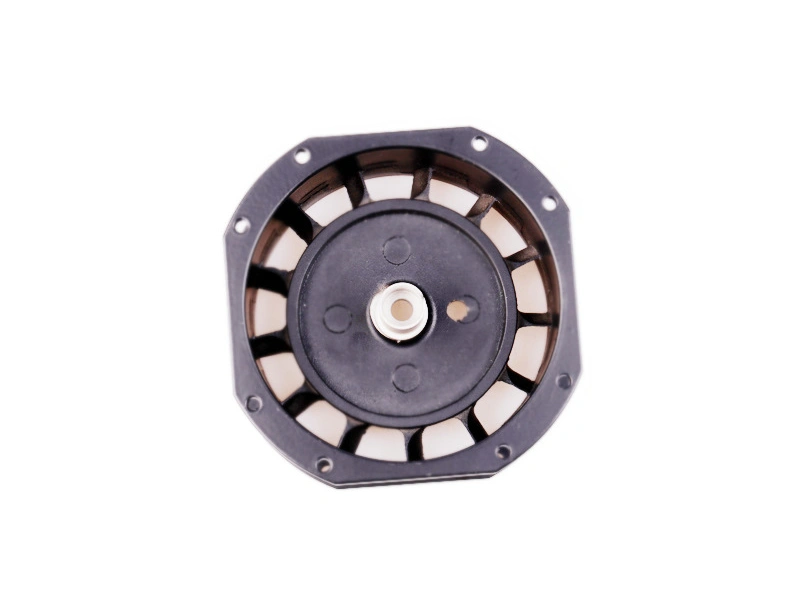
Aluminum die casting trial samples should be approved before releasing a production order by checking critical dimensions, assembly fit, CNC machined holes, threaded features, sealing faces, burr and flash level, cosmetic surfaces, coating or painting results, packaging protection, inspection report format and the supplier’s defect response process.
Trial sample approval should not only confirm whether one sample can be used. Buyers should confirm whether the sample standard can be repeated in batch production. Only after dimensions, machining, surface treatment, assembly and packaging standards are confirmed should a formal aluminum die casting production order be released.
1. Check Critical Dimensions and Assembly Fit
Approval Item | What Buyers Should Check | Production Risk Reduced |
|---|---|---|
Critical dimensions | Dimensions that affect function, fastening, sealing, location and assembly | Batch dimensional rejection |
Assembly fit | Fit with mating parts, screws, covers, seals or housings | Repeat assembly failure |
Sealing faces | Flatness, roughness, porosity exposure and contact quality | Leakage and functional rejection |
2. Check CNC Machined Features
Trial samples should include CNC machining inspection when the part has machined holes, threaded features, flatness-controlled faces or datum surfaces. These features must be validated before batch release.
Machined Feature | Approval Focus | Buyer Benefit |
|---|---|---|
CNC machined holes | Hole size, depth, position and alignment | Improves assembly repeatability |
Threaded features | Thread gauge result, depth, burr condition and fastening performance | Reduces fastening failure |
Datum surfaces | Reference accuracy for machining, inspection and assembly | Reduces batch variation |
3. Check Burr, Flash, Cosmetic Surfaces and Finishing
Surface approval should include burr and flash level, cosmetic surface quality, coating or painting result and any surface defects that may affect final acceptance.
Surface Approval Item | What Buyers Should Check | Risk Reduced |
|---|---|---|
Burr and flash level | Edges, holes, parting lines, gate trimming areas and machined features | Assembly interference and handling issues |
Cosmetic surfaces | Visible marks, pores, scratches, dents, flow marks and coating defects | Appearance rejection |
Coating or painting result | Color, gloss, adhesion, thickness, masking and coverage | Finishing disputes and delivery delays |
4. Check Packaging, Report and Defect Response
Before releasing a production order, buyers should check whether the supplier can protect finished parts, provide clear reports and respond to defects. These controls help transfer sample quality into batch production.
Production Release Check | What Buyers Should Confirm | Buyer Value |
|---|---|---|
Packaging protection | Scratch prevention, separation, anti-rubbing and shipment protection | Reduces delivery damage |
Inspection report format | Critical dimensions, machined features, surface results and sample status | Improves traceability |
Defect response process | Sorting, rework, root cause, correction and approval communication | Reduces repeated defects in batch production |
5. Compare Batch Approval Across Material Routes
Trial sample approval can also help buyers compare aluminum projects with zinc die casting batch consistency or copper die casting quality control when future products require different material functions. A custom metal casting production review supports better batch release decisions.
6. Summary
Trial Sample Approval Check | Main Purpose |
|---|---|
Critical dimensions and assembly fit | Confirm functional approval before production release |
CNC machined holes, threads and sealing faces | Verify machined feature accuracy and reliability |
Burr, flash, cosmetic surfaces and finishing | Reduce assembly, appearance and coating disputes |
Packaging, report format and defect response | Support stable transfer from samples to batch production |
In summary, trial samples should be approved through dimensional, machining, surface, assembly, packaging and inspection checks before releasing an aluminum die casting production order. Buyers should confirm that sample quality can be repeated in batch production, not only that one sample looks acceptable.