Which Order Details Help Reduce Rework Before Aluminum Die Casting Tooling?
Which Order Details Help Reduce Rework Before Aluminum Die Casting Tooling?
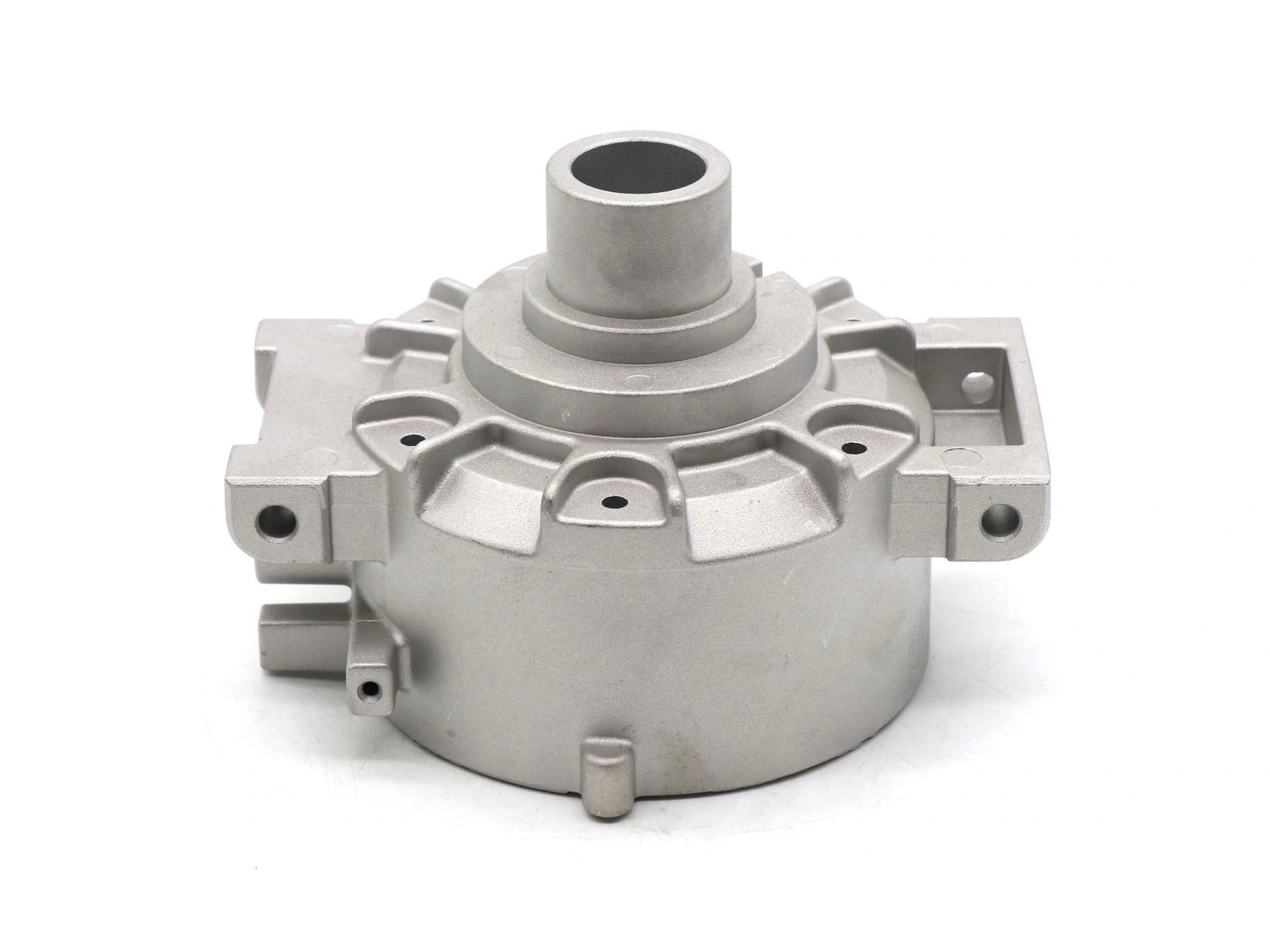
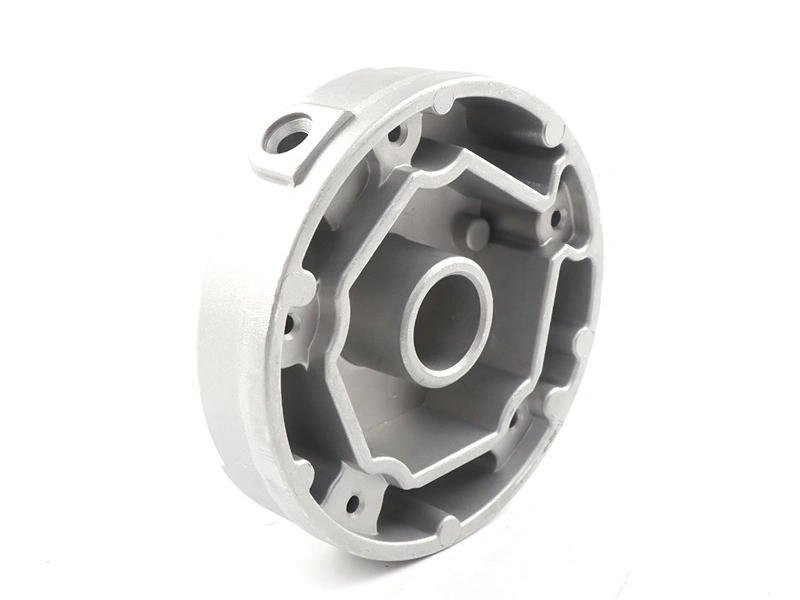
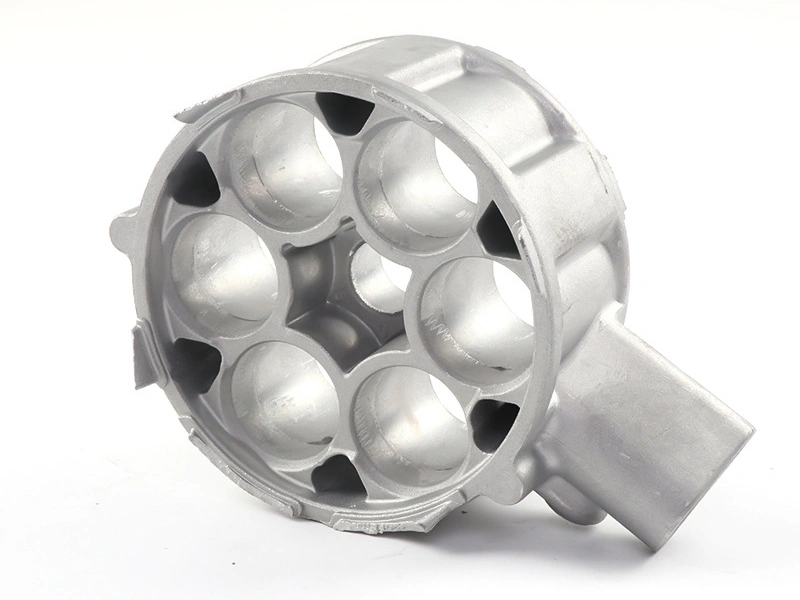
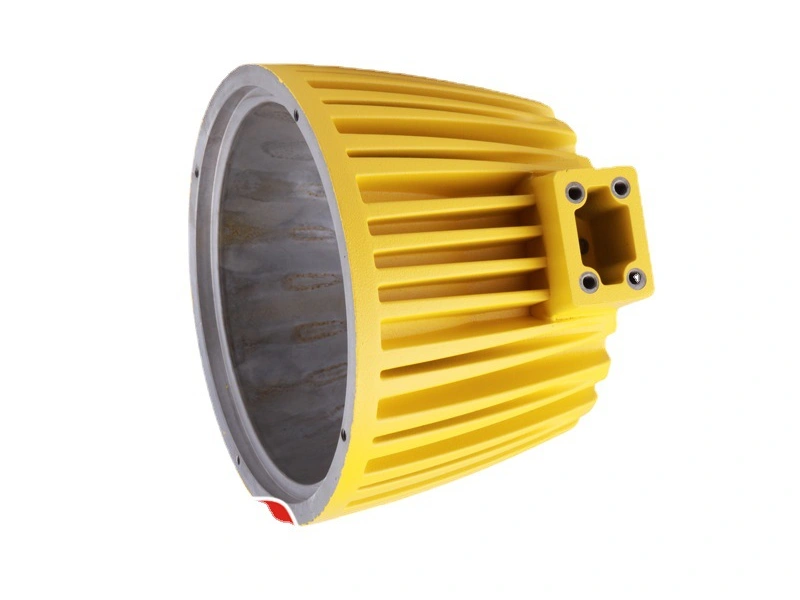
Order details that reduce rework before aluminum die casting tooling preparation include wall thickness review, draft angle review, rib and boss design, parting line discussion, ejector pin location, machining allowance, cosmetic surface marking, gate location discussion, surface finish requirements and trial sample acceptance standards.
Once aluminum die casting tooling starts, design changes usually increase cost and lead time. Buyers can reduce mold modification, sample failure and batch rework by confirming structure, cosmetic surfaces, machining areas and sample approval standards before tool and die making begins.
1. Review Part Structure Before Tooling
Order Detail | What Buyers Should Confirm | Rework Risk Reduced |
|---|---|---|
Wall thickness review | Whether thick and thin areas are suitable for stable casting | Shrinkage, porosity and warpage |
Draft angle review | Whether the part can release from the mold smoothly | Drag marks, ejection damage and mold correction |
Rib and boss design | Whether ribs and bosses support strength without creating casting defects | Weak features, sink marks and local porosity |
2. Confirm Tooling Layout Sensitive Details
Parting line, gate location and ejector pin position should be discussed before tooling. These details can affect cosmetic surfaces, functional areas, machining references and final finishing cost.
Tooling Detail | Why It Matters | Buyer Benefit |
|---|---|---|
Parting line discussion | Parting lines can affect visible surfaces, sealing faces and deburring work | Reduces cosmetic and assembly disputes |
Ejector pin location | Ejector marks should avoid cosmetic surfaces and datum areas when possible | Reduces appearance rejection and fixture issues |
Gate location discussion | Gate location affects filling, trimming marks and visible surface quality | Reduces sample correction and finishing rework |
3. Confirm Machining Allowance and Cosmetic Surfaces
Buyers should confirm CNC machining allowance, machined features and cosmetic surface marking before tooling. This helps the supplier reserve enough stock and protect the right surfaces.
Preparation Detail | What It Controls | Risk if Missing |
|---|---|---|
Machining allowance | Stock for holes, threads, sealing faces and datum surfaces | Machined surfaces fail to clean up |
Cosmetic surface marking | Visible surfaces that need better appearance control | Gate marks, ejector marks or parting lines on visible surfaces |
Surface finish requirement | Polishing, painting, powder coating, coating, masking and acceptance criteria | Finishing rework and appearance disputes |
4. Confirm Trial Sample Acceptance Standard
Trial sample approval should be defined before tooling. Buyers should confirm which dimensions, machined features, cosmetic surfaces, burr levels and coating results must be inspected before production approval.
Sample Standard | What Buyers Should Define | Production Value |
|---|---|---|
Dimensional acceptance | Critical dimensions, datum references and tolerance standards | Improves production approval confidence |
Machined feature acceptance | Holes, threads, sealing faces, flatness and inspection method | Reduces CNC rework |
Surface acceptance | Cosmetic surface standard, burr level, coating and painting result | Reduces finishing disputes |
5. Compare Tooling Preparation Across Material Routes
Some projects may need comparison with zinc die casting tooling for smaller precision parts or copper alloy die casting tooling for functional components. A custom metal casting production review can help buyers reduce rework before tooling.
6. Summary
Order Detail Before Tooling | Main Purpose |
|---|---|
Wall thickness, draft angle, ribs and bosses | Reduce casting defects and design-related sample failure |
Parting line, ejector pin and gate location | Protect cosmetic surfaces and functional areas |
Machining allowance and cosmetic surface marking | Reduce CNC problems and appearance disputes |
Surface finish and trial sample acceptance standard | Reduce sample rework and batch production risk |
In summary, buyers can reduce rework before aluminum die casting tooling by confirming structure, tooling-sensitive details, machining allowance, cosmetic surfaces, surface finish and trial sample acceptance standards before mold making starts.