What Secondary Operations Should Be Included in Aluminum Die Casting Services?
What Secondary Operations Should Be Included in Aluminum Die Casting Services?
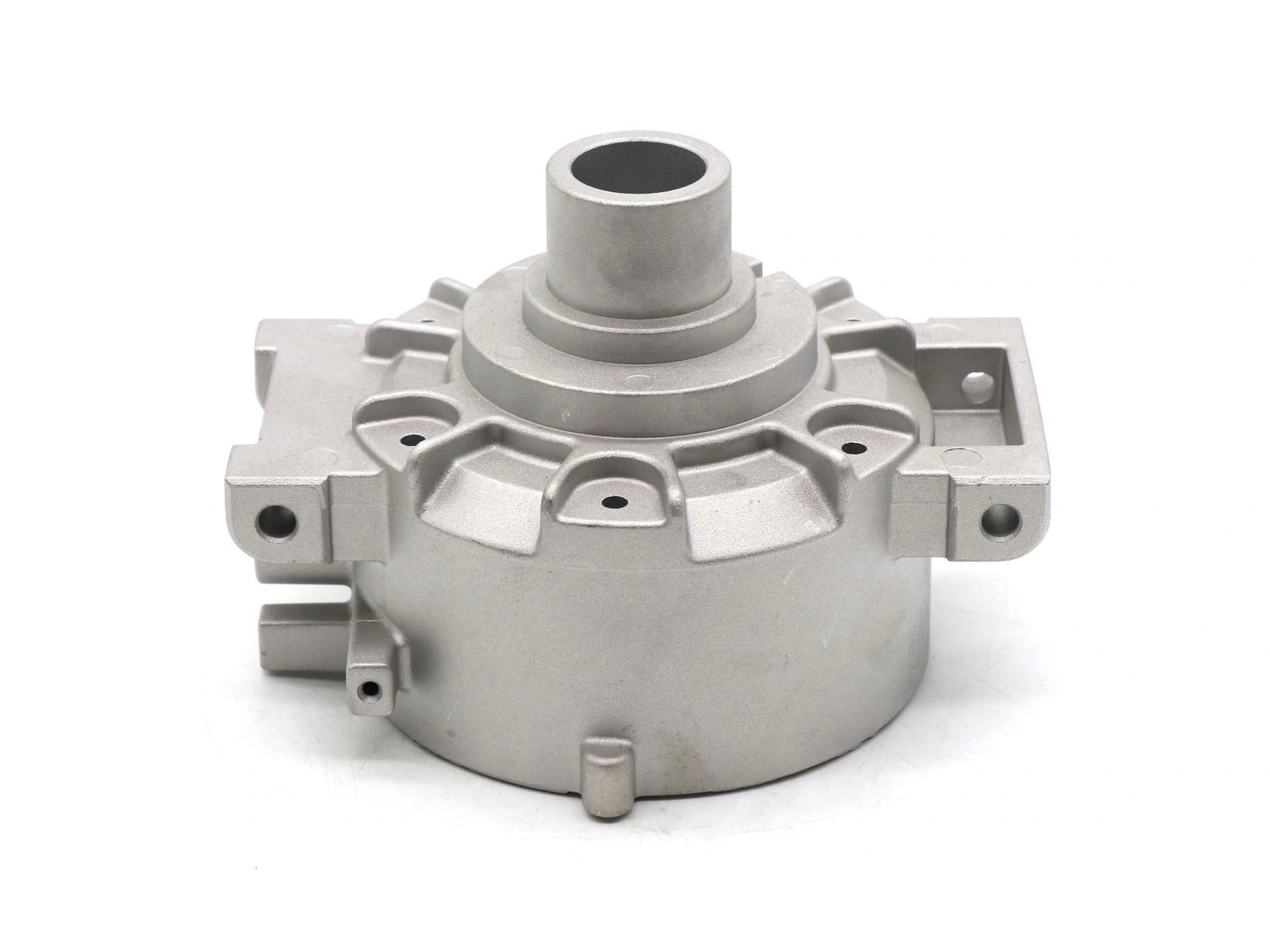
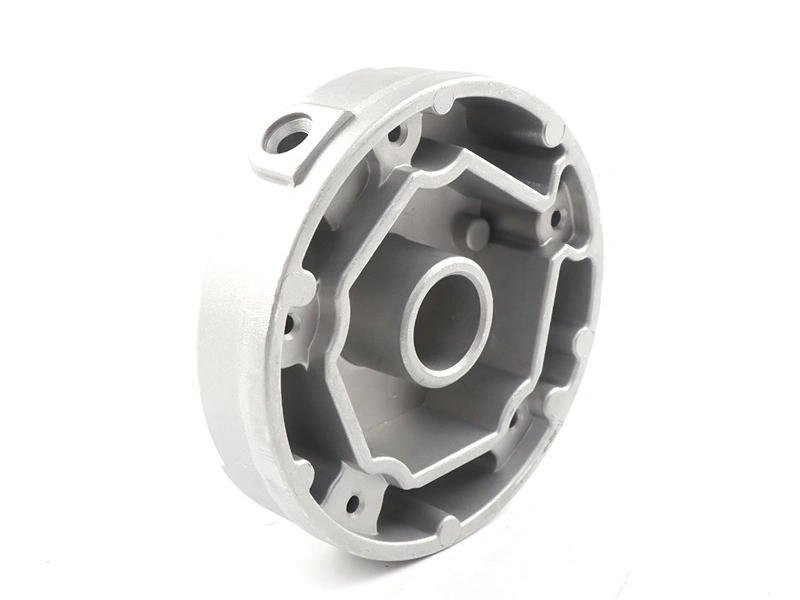
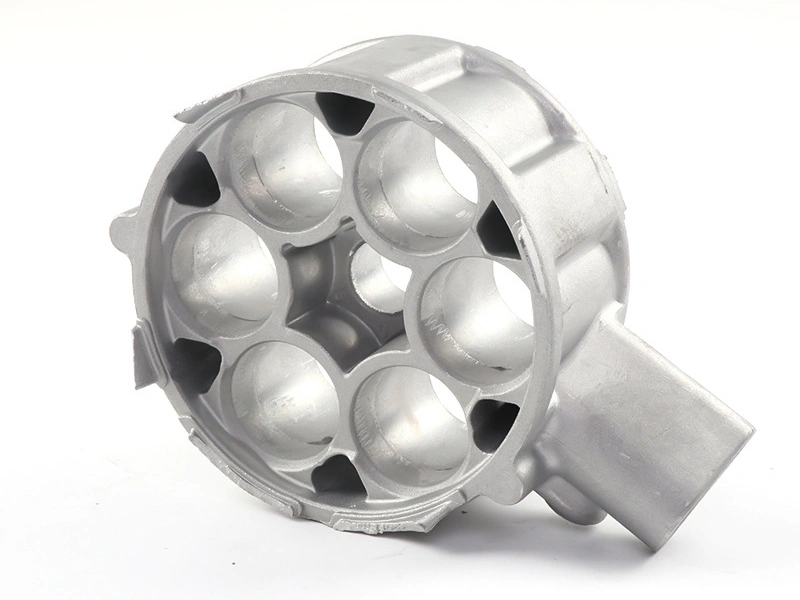
Secondary operations included in aluminum die casting services may include trimming, deburring, shot blasting or sand blasting, CNC machining, drilling, tapping, reaming, polishing, painting, powder coating, coating inspection, assembly checks and packaging. The required operations depend on the drawing and the finished part condition the buyer needs.
Buyers should confirm secondary operations before quotation because these operations often drive final function and cost. A casting may look complete but still need threaded holes, flat sealing faces, burr removal, visible surface finishing or coating. If those steps are excluded, the buyer may need another supplier and another inspection standard.
For many aluminum die cast parts, secondary operations are not optional extras. They are the difference between a raw casting and a usable production component.
For secondary operations, buyers can compare whether aluminum die cast parts need CNC machining and surface finishing and how to confirm machining and surface finish scope before ordering.
Secondary Operation Table
Operation | Typical Purpose | Buyer Should Confirm |
|---|---|---|
Deburring | Removes flash and sharp edges | Edge standard and handling areas |
CNC machining | Finishes threads, bores, faces and datums | Machined features and tolerances |
Tapping | Creates functional screw threads | Thread depth, gauge and coating sequence |
Painting or powder coating | Provides color, protection and appearance | Masking, thickness and cosmetic zones |
Inspection | Confirms dimensions, finish and function | Report type and acceptance standard |
Packaging | Protects finished surfaces during shipment | Scratch protection and separation method |
CNC Machining After Casting
CNC machining after casting is common for threaded holes, mounting holes, sealing faces, bearing bores, datum pads and flat contact surfaces. These features often need tighter control than as-cast surfaces. The supplier should define which surfaces remain as-cast and which surfaces will be machined.
The machining plan should include fixture location, machining allowance and inspection method. If the fixture uses unstable cast surfaces, the finished dimensions may vary. If machining allowance is not enough, a face may fail to clean up.
Finishing and Cosmetic Work
Finishing may include deburring, polishing, blasting, painting, powder coating or other protective treatments. The buyer should define visible surfaces, accepted defects, color, gloss, coating thickness and masking areas. These requirements should be reviewed before tooling because parting line and ejector marks can affect final appearance.
Finished sample approval should use actual die cast parts. A flat coating sample cannot prove how a real casting will look after gate removal, flash cleanup and powder coating.
Inspection and Packaging as Secondary Work
Inspection and packaging should not be forgotten. Thread gauges, CMM reports, plug gauges, coating thickness checks and visual standards may be required before shipment. Packaging may need separators, bags or trays for painted or powder coated parts.
Neway can support aluminum die casting services with post-process operations and inspection planning. Buyers should confirm which secondary operations are included in the quote and which are excluded.
Secondary Operation Cost Risk
Secondary operations can drive more cost than buyers expect. Tapping many holes, machining flat gasket faces, polishing visible covers or masking coating areas adds labor, fixtures and inspection. If these details are missing from the first quote, the final price can rise after samples. Buyers should ask for the operations to be listed by feature instead of using one broad line called post process.
Sequence also matters. Some parts should be machined before coating. Some threaded holes may need protection during powder coating. Some cosmetic faces may need polishing before paint. The supplier should explain the sequence because it affects fit, appearance and inspection.
Finished Sample Release
Finished sample release should include the secondary operations that the production batch will use. A raw casting sample can approve casting, but it cannot approve a coated and tapped assembly part. Buyers should request samples in the final delivery condition when secondary operations affect function or appearance.
The release record should list deburring standard, machined features, finish sample, inspection method and packaging. This record becomes the baseline for future batches.
Approval Order for Secondary Operations
The approval order should match the final part. A buyer should not approve raw castings and later discover that coating changes hole fit or that tapping exposes porosity. Finished samples should pass machining, finishing and inspection before production release.
If schedule requires a staged approval, the buyer should write which stage is approved and which stage remains open. This prevents a raw casting approval from being mistaken for finished-part approval.
Secondary Operation Quote Check
Before approving the order, buyers should review the quote against the drawing. Every tapped hole, machined face, coated surface, masked area and inspected feature should appear in the quote or in the supplier's written scope. If a feature is missing, the buyer should ask whether it is excluded or included inside another line item.
This check is especially useful for aluminum housings and covers, where small secondary operations can determine whether the part assembles correctly.
It also helps purchasing compare quotes without missing hidden post-casting work.
The drawing and quote should match.
Always.