What Buyers Should Know Before Starting an Aluminium Die Casting Project
What Buyers Should Know Before Starting an Aluminium Die Casting Project
Starting an aluminium die casting project is not only about asking for a unit price. For buyers, engineers, product developers, and project managers, the real goal is to understand whether the part design, material, tooling, CNC machining, surface treatment, inspection, and production volume can work together as a stable manufacturing solution.
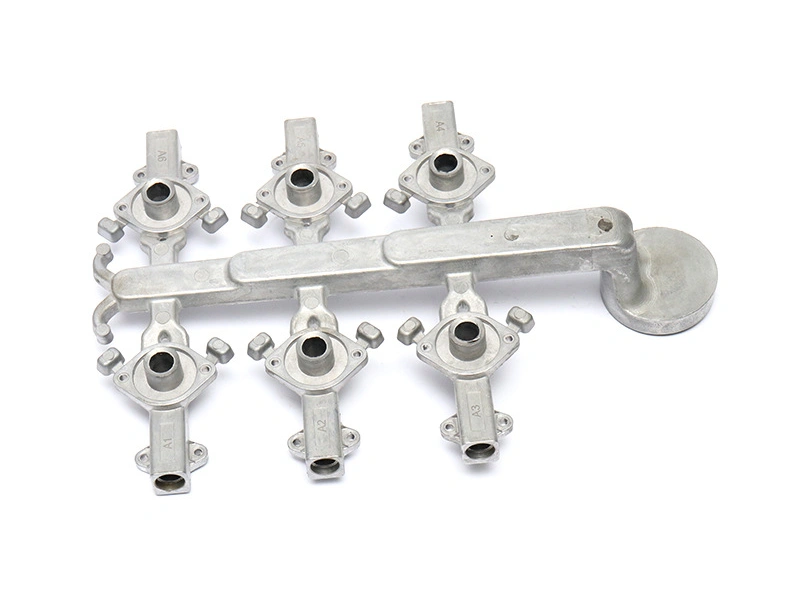
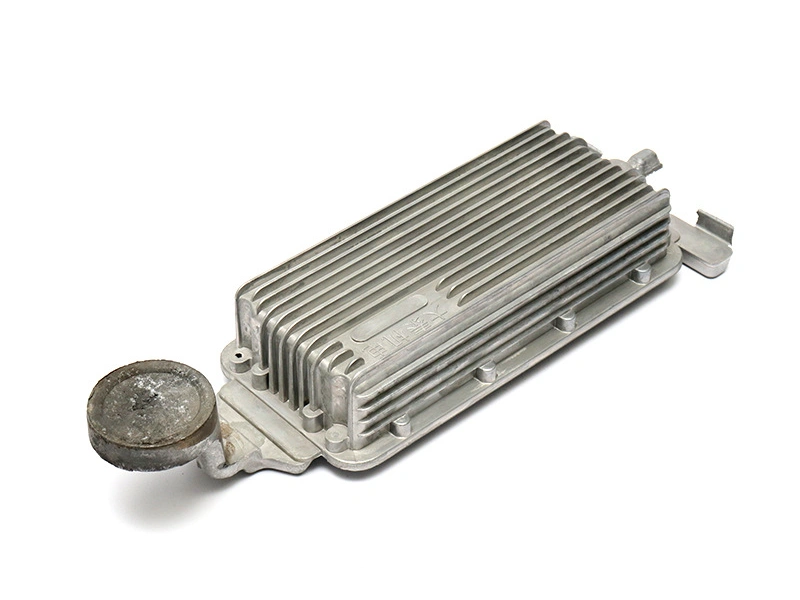
Aluminium die casting is widely used for automotive parts, electronic housings, lighting components, industrial equipment covers, brackets, motor covers, pump bodies, heat sink housings, and custom mechanical components. It is suitable for projects that need lightweight metal structure, complex geometry, repeatable production quality, and long-term cost control.
Before requesting a quote or starting tooling, buyers should prepare more than a 3D model. A complete aluminium die casting project should consider design feasibility, material selection, tooling cost, production quantity, CNC machining areas, surface treatment requirements, quality inspection, packaging, and delivery expectations. When these details are confirmed early, buyers can reduce mold changes, production delays, surface defects, and unexpected cost increases.
What Is Aluminium Die Casting?
Aluminium die casting is a manufacturing process that injects molten aluminum alloy into a mold to form metal parts with complex shapes and repeatable dimensions. It is commonly used when buyers need lightweight, strong, and production-ready components.
This process is suitable for custom metal parts that require complex structures, stable dimensions, and medium to high production volumes. It is commonly used in automotive, electronics, lighting, industrial equipment, and consumer product applications.
In real production, aluminium die casting usually works together with die casting tooling, CNC machining after die casting, surface treatment, inspection, and delivery planning. For buyers sourcing custom metal casting, aluminium die casting is often one of the most practical routes for lightweight production parts.
Project Area | What Aluminium Die Casting Provides | Buyer Value |
|---|---|---|
Part structure | Forms ribs, bosses, housings, covers, and mounting features | Reduces assembly and machining burden |
Material performance | Supports lightweight aluminum metal parts | Useful for automotive, electronics, lighting, and industrial parts |
Production consistency | Tooling helps repeat part geometry across batches | Improves quality stability |
Secondary operations | Can be combined with CNC machining and surface treatment | Supports finished custom parts |
When Is Aluminium Die Casting the Right Choice?
Aluminium die casting is the right choice when a part has stable design requirements, complex geometry, repeat production demand, and a need for lightweight metal performance. It is especially useful when the part must combine strength, dimensional consistency, and cost control in batch production.
If a part has very low quantity, the design is still changing, or the buyer only needs a quick sample, CNC machining or prototype manufacturing may be more suitable at the early stage. However, when annual demand increases and the design becomes stable, aluminium die casting can often reduce long-term unit cost compared with machining the whole part from solid aluminum.
Project Requirement | Why Aluminium Die Casting Helps |
|---|---|
Lightweight metal parts | Aluminum reduces weight compared with heavier metals |
Complex shapes | Die casting can form ribs, bosses, holes, covers and housings |
Medium to high volume | Tooling cost can be spread across production quantity |
Stable dimensions | Repeatable casting helps control part consistency |
Secondary finishing | Parts can be machined, polished, painted or coated after casting |
What Parts Are Suitable for Aluminium Die Casting?
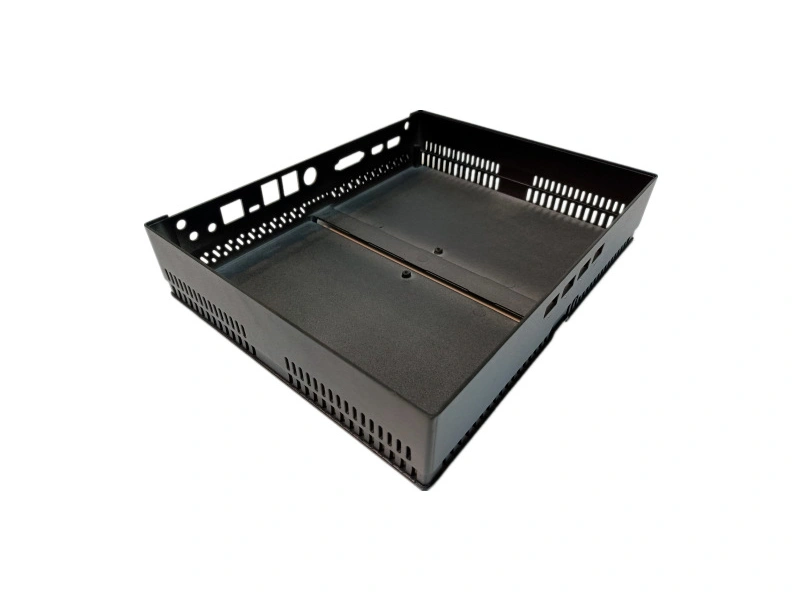
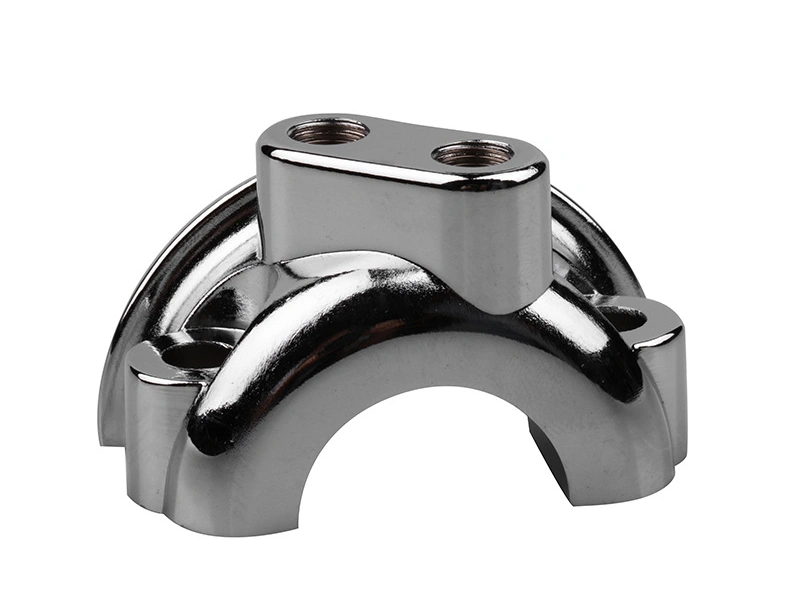
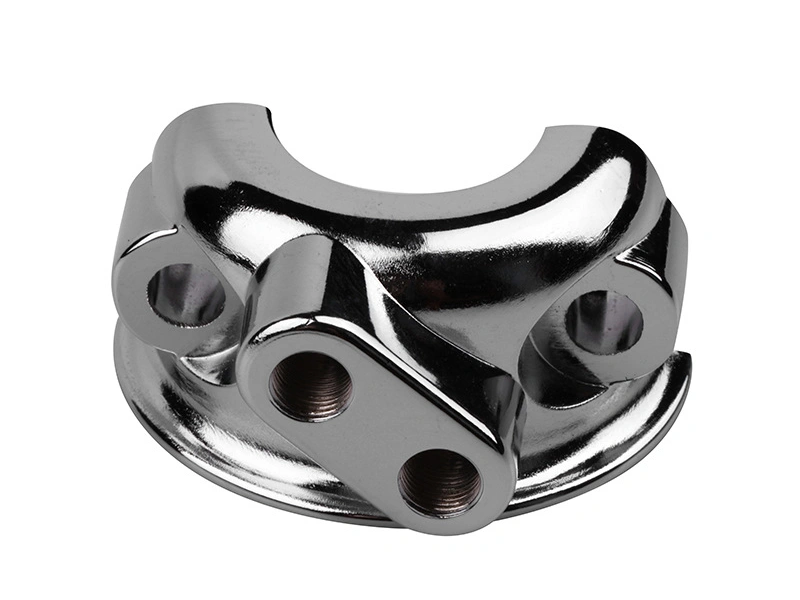
Aluminium die casting is suitable for many custom parts that need complex shapes, stable dimensions, lightweight structure, and repeatable production. Typical parts include automotive housings, motor covers, electronic enclosures, heat sink housings, lighting housings, pump bodies, brackets, mounting parts, industrial equipment covers, and custom mechanical components.
However, not every aluminum part is suitable for die casting. If the quantity is very small, the design is not stable, or the buyer still needs multiple design changes, it may be better to begin with CNC machining or prototype validation. Once the design is approved and demand becomes clearer, aluminium die casting can become a better production route.
For parts that need both casting efficiency and precise features, buyers can use aluminium die casting for the main structure and post machining for die cast parts for holes, threads, sealing faces, datums, and other critical areas.
Suitable Part Type | Why Aluminium Die Casting Fits | Common Buyer Concern |
|---|---|---|
Automotive housings | Lightweight structure and repeatable batch production | Strength, cost, and dimensional consistency |
Motor covers | Can form covers, ribs, and mounting points | Assembly fit and surface quality |
Electronic enclosures | Supports complex housings and visible surfaces | Appearance and tolerance control |
Heat sink housings | Can integrate heat dissipation structures | Thermal performance and surface treatment |
Lighting housings | Supports lightweight, visible, and coated parts | Coating quality and corrosion resistance |
Pump bodies | Can form complex bodies with machined sealing areas | Leakage control and machining accuracy |
Brackets and mounting parts | Supports strength, stiffness, and repeated assembly | Hole position and load performance |
Industrial equipment covers | Forms durable metal covers with stable geometry | Surface durability and production consistency |
What Affects Aluminium Die Casting Cost?
Aluminium die casting cost is affected by more than part weight. Buyers should evaluate the full manufacturing route, including part size, material, tooling complexity, cavity number, annual demand, wall thickness, tolerance requirements, CNC machining, surface treatment, inspection, packaging, and delivery.
A buyer should not only ask for a simple unit price. A lower unit price may not be the lowest total manufacturing cost if it causes mold changes, machining rework, surface treatment defects, poor inspection results, or unstable batch production. The better approach is to ask the supplier to quote based on drawings, material, quantity, surface treatment, machining, inspection, and delivery requirements together.
Cost Factor | How It Affects Aluminium Die Casting | Buyer Action |
|---|---|---|
Part size | Larger parts require larger tooling and more material | Confirm final part envelope early |
Part weight | More material increases casting cost | Optimize wall thickness and avoid unnecessary mass |
Material selection | Different aluminum alloys affect cost, strength, and castability | Match material to application requirements |
Tooling complexity | Sliders, inserts, undercuts, and complex geometry increase tooling cost | Use DFM review before tooling |
Cavity number | Multi-cavity molds can improve output but increase mold cost | Balance tooling cost with production volume |
Annual demand | Higher volume can spread tooling cost across more parts | Provide realistic annual volume |
Tolerance requirements | Tight tolerances may require CNC machining and extra inspection | Apply tight tolerances only where needed |
Surface treatment | Polishing, painting, powder coating, and other finishes add cost | Define visible and functional surfaces clearly |
Inspection requirements | More inspection increases time and cost | Clarify critical dimensions and reports needed |
Packaging and delivery | Finished parts may need protection against scratches or surface damage | Confirm packaging and shipping expectations before quotation |
Why Tooling Is Critical in Aluminium Die Casting
Tooling is one of the most important parts of an aluminium die casting project. The mold controls how molten aluminum fills the cavity, how the part cools, how it ejects, and how consistently it can be produced across batches.
Gate design, venting, cooling, parting lines, ejector layout, cavity quality, and machining allowance can all affect casting quality. Poor tooling design may lead to porosity, shrinkage, cold shuts, flash, burrs, surface defects, and dimensional variation. If these problems appear after tooling is completed, mold modification can increase cost and delay delivery.
This is why buyers should request DFM review before starting tool and die making. Good tooling for aluminium die casting helps improve casting stability, reduce rework, and prepare the project for repeat production.
Tooling Area | Why It Matters | Risk if Poorly Planned |
|---|---|---|
Gate design | Controls how molten aluminum enters the cavity | Cold shuts, turbulence, and unstable filling |
Venting | Allows trapped gas to escape | Porosity and internal defects |
Cooling | Controls solidification and cycle time | Shrinkage, warpage, and long cycle times |
Parting line | Affects flash, surface marks, and cosmetic appearance | Visible lines, burrs, and extra finishing work |
Ejector layout | Controls part release from the mold | Ejector marks, deformation, or sticking |
Machining allowance | Ensures enough material remains for post machining | Scrap or poor final dimensions |
When Does Aluminium Die Casting Need CNC Machining?
Not every surface on an aluminium die cast part needs CNC machining. However, many functional areas require tighter precision than casting alone can provide. These areas often include key holes, threaded holes, sealing surfaces, assembly datum faces, high-tolerance mounting faces, bearing holes, positioning faces, and high-flatness areas.
CNC machining after die casting helps buyers combine casting efficiency with precision control. The casting process forms the main body, while machining finishes the areas that affect fit, sealing, fastening, movement, or assembly performance.
Buyers should confirm CNC machining areas during the quotation stage. This helps the supplier evaluate fixtures, tools, machining time, inspection requirements, and final cost more accurately. For custom aluminum die cast parts, this can prevent cost surprises after tooling or sampling.
Feature | Why CNC Machining May Be Needed | Buyer Benefit |
|---|---|---|
Key holes | Hole location affects assembly accuracy | Improves fit with mating components |
Threaded holes | Threads need controlled depth, alignment, and strength | Improves fastening reliability |
Sealing surfaces | Flatness and surface finish affect leakage control | Improves sealing performance |
Assembly datums | Datums control how the part is located during assembly | Improves repeatable assembly quality |
Bearing holes | Roundness, diameter, and alignment may require tight control | Reduces vibration and wear risk |
High-flatness areas | Functional faces may need controlled flatness | Improves contact and installation stability |
How Surface Treatment Improves Aluminium Die Cast Parts
Surface treatment improves aluminium die cast parts by enhancing appearance, reducing burrs, improving corrosion resistance, supporting coating adhesion, and improving user handling or assembly quality. The right surface treatment depends on the product application, visible surface requirements, use environment, and cost target.
Deburring can remove sharp edges and flash. Polishing can improve appearance and hand feel. Painting can provide color and basic protection. Powder coating can improve corrosion resistance and wear resistance for industrial or outdoor parts. However, the final coating result depends on the original casting surface quality.
High appearance requirements should be discussed before tooling. If a cosmetic surface has gate marks, ejector marks, porosity, or flow marks, surface treatment may not fully hide the problem. Buyers should define cosmetic surfaces, coating requirements, and inspection standards before production begins.
Surface Treatment | Main Purpose | Buyer Benefit |
|---|---|---|
Deburring | Remove burrs, flash, and sharp edges | Improves safety and handling |
Polishing | Improve appearance and hand feel | Better cosmetic quality for visible parts |
Painting | Provide color and basic protection | Improves product appearance and branding |
Powder coating | Improve durability and corrosion resistance | Useful for industrial and outdoor parts |
Coating preparation | Improve surface condition before final coating | Reduces peeling and appearance defects |
Cosmetic inspection | Confirm visible surface standard | Reduces customer rejection risk |
What Buyers Should Prepare Before Requesting a Quote
Buyers should prepare complete technical and commercial information before requesting an aluminium die casting quote. A supplier cannot accurately evaluate cost, tooling strategy, machining time, surface treatment, inspection, and delivery only from a simple 3D model.
Important information includes 2D drawings, 3D models, material requirements, annual demand, single order quantity, tolerance requirements, surface treatment requirements, use environment, assembly requirements, CNC machining needs, prototype needs, target cost, and delivery schedule.
When this information is clear, the supplier can provide better manufacturing suggestions, more accurate cost evaluation, and fewer assumptions. This helps reduce later changes and improves project communication.
Buyer Information | Why It Is Needed | What It Helps the Supplier Evaluate |
|---|---|---|
2D drawing | Shows dimensions, tolerances, and technical notes | Machining, inspection, and critical feature requirements |
3D model | Shows part geometry and structure | Tooling feasibility and die casting manufacturability |
Material requirement | Defines strength, weight, corrosion, or thermal needs | Aluminum alloy selection |
Annual demand | Shows expected production scale | Tooling strategy and cost distribution |
Single order quantity | Defines batch size and delivery planning | Production scheduling and unit cost |
Tolerance requirement | Shows which dimensions need tight control | CNC machining and inspection planning |
Surface treatment requirement | Defines appearance, corrosion resistance, or coating needs | Finishing cost and surface preparation |
Use environment | Shows temperature, moisture, wear, or outdoor exposure | Material and surface treatment choice |
Assembly requirement | Shows how the part fits with other components | Datum, hole, and tolerance review |
Prototype need | Shows whether validation is required before tooling or production | Prototype, tooling, and production route planning |
Target cost | Helps the supplier balance material, tooling, machining, and finishing choices | Total manufacturing cost control |
Delivery schedule | Clarifies timing for sampling, tooling, production, and shipment | Lead time and project planning |
How to Choose an Aluminium Die Casting Supplier
Choosing an aluminium die casting supplier should not be based only on the lowest price. Buyers should evaluate whether the supplier has aluminum die casting experience, DFM analysis capability, tooling capability, CNC machining support, surface treatment coordination, prototype support, mass production experience, and quality control ability.
A good supplier should help buyers review the part design before tooling, identify casting risks, recommend material options, define machining areas, plan surface treatment, and explain how production cost is calculated. This is especially important for automotive parts, electronic housings, lighting parts, industrial equipment covers, and custom mechanical components.
Neway supports aluminium die casting projects that require aluminum die casting, tooling for aluminium die casting, machined aluminum die cast parts, custom metal casting, surface treatment planning, and production support. For buyers sourcing custom aluminum die cast parts, an integrated supplier can help reduce tooling risk, improve part quality, and control total manufacturing cost.
Supplier Capability | Why Buyers Should Check It | What It Helps Prevent |
|---|---|---|
Aluminum die casting experience | Supplier must understand casting behavior and production risks | Unstable samples and batch defects |
DFM analysis | Design should be reviewed before tooling starts | Mold changes and delayed launch |
Tooling capability | Mold quality affects dimensions, defects, and production consistency | Flash, porosity, shrinkage, and high repair cost |
CNC machining support | Functional areas may need post machining | Poor fit, leakage, and assembly problems |
Surface treatment support | Appearance and corrosion protection often need finishing planning | Cosmetic rejection and coating defects |
Prototype to mass production support | Projects may need validation before scaling | Supplier change risk and production transition problems |
Clear quotation and manufacturing advice | Buyers need to understand cost drivers and process choices | Unexpected cost after tooling or sampling |
FAQ