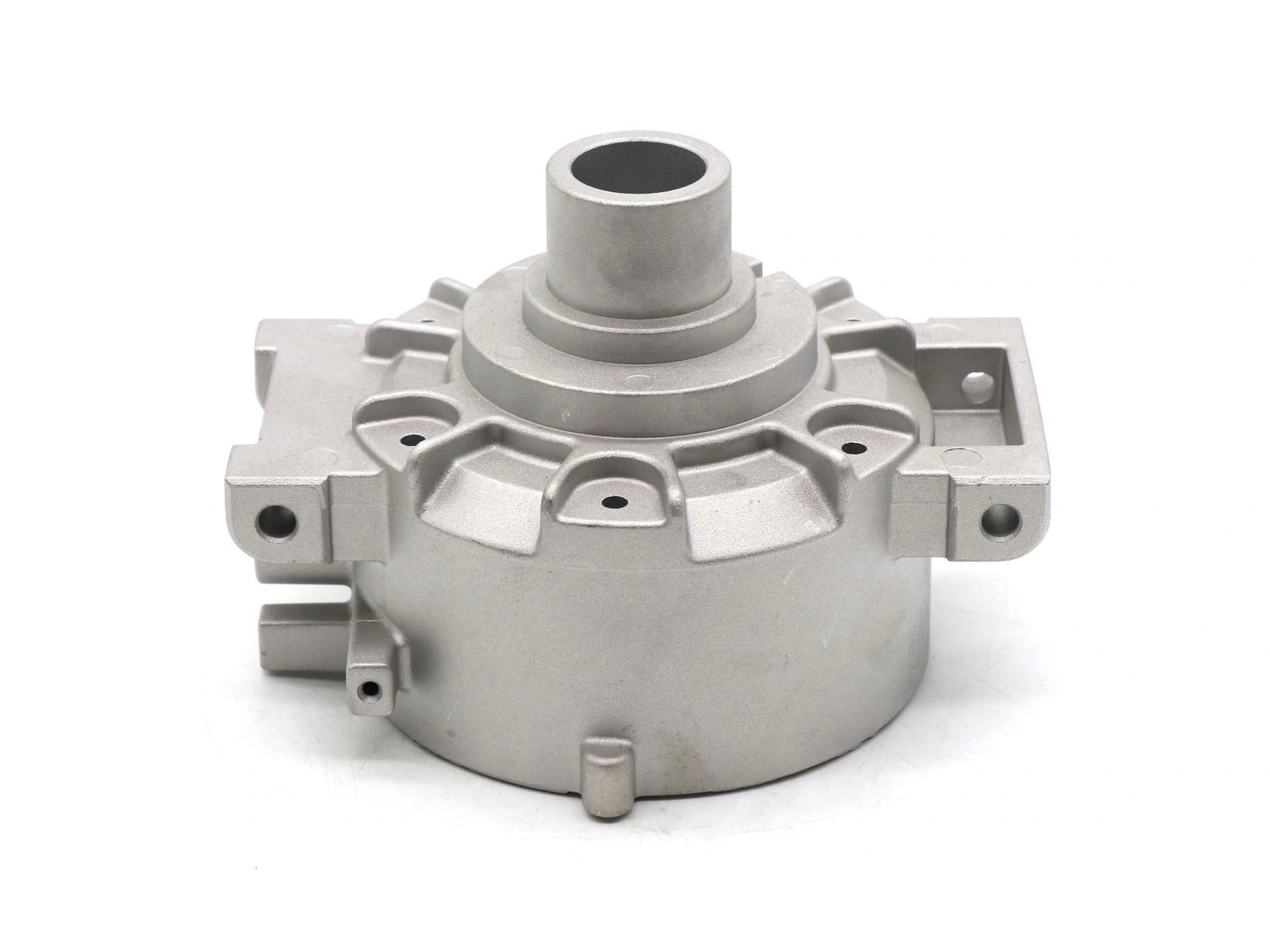
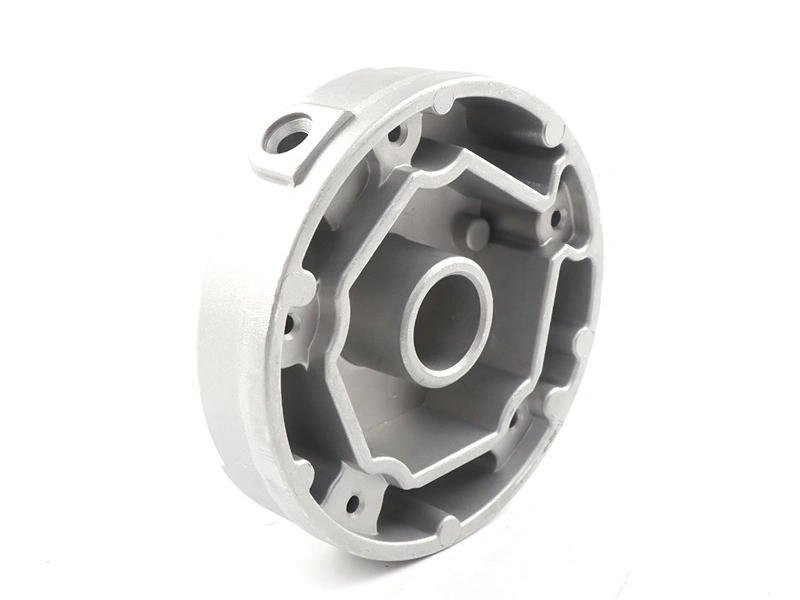
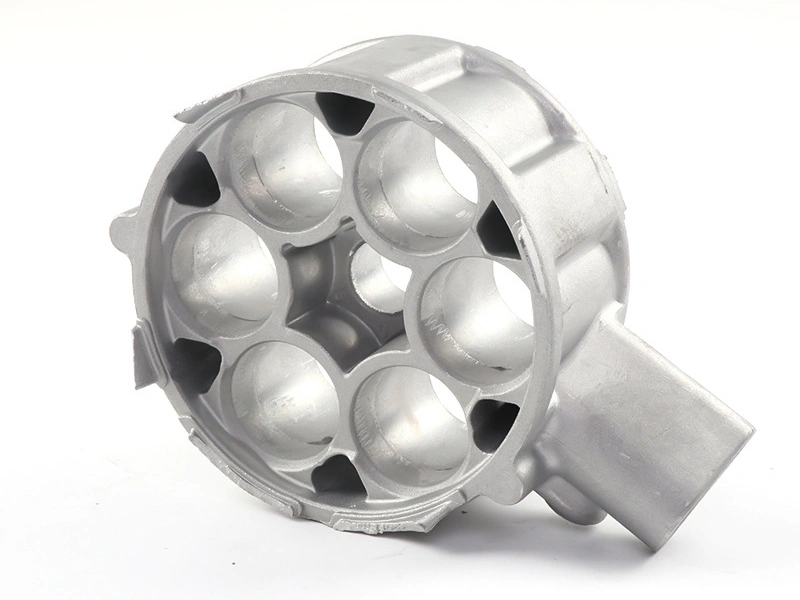
How Much Does Aluminium Die Casting Cost?
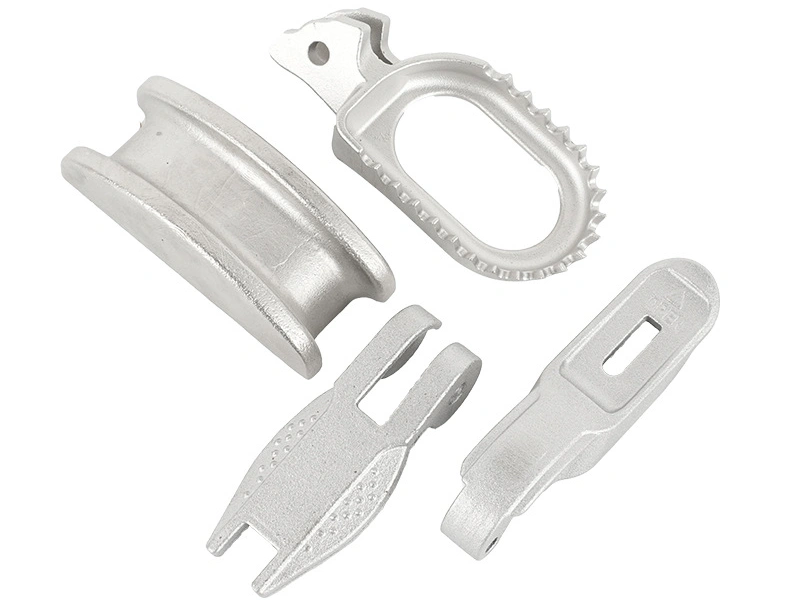
How Much Does Aluminium Die Casting Cost?
Aluminium die casting cost depends on part size, part weight, tooling complexity, cavity number, material selection, annual demand, tolerance requirements, CNC machining needs, surface treatment, inspection standards, packaging, and delivery requirements. There is no fixed price for every aluminum die cast part because each project has different geometry, production volume, finishing requirements, and quality standards.
For buyers, aluminium die casting cost should not be judged only by the single part price. A complete cost review should include tooling cost, unit cost, post-machining cost, surface treatment cost, inspection cost, packaging cost, and long-term mass production cost. A low part price may not be the lowest total cost if it causes mold repair, high defect rates, extra CNC machining, surface rework, or delivery delays.
1. Main Factors That Affect Aluminium Die Casting Cost
Cost Factor | How It Affects Cost | Buyer Decision Point |
|---|---|---|
Part size and weight | Larger or heavier parts use more material and may require larger machines | Optimize wall thickness, ribs, and part weight before tooling |
Tooling complexity | Slides, inserts, deep cavities, thin walls, and complex parting lines increase mold cost | Review manufacturability before mold manufacturing |
Cavity number | More cavities can improve output but increase tooling investment | Match cavity strategy with annual demand and production target |
Material selection | Different aluminum alloys affect material cost, casting behavior, machining, and finishing | Choose material based on function, not only price |
Annual demand | Higher volume helps spread tooling cost across more parts | Estimate realistic annual quantity before quotation |
CNC machining | Holes, threads, sealing faces, datums, and mounting surfaces add machining cost | Machine only functional areas that need tight control |
Surface treatment | Polishing, painting, powder coating, and other finishes add labor and process cost | Define cosmetic and non-cosmetic surfaces clearly |
2. How Part Size, Weight and Structure Affect Cost
Part size and weight directly affect aluminium die casting cost. Larger parts may require more molten aluminum, larger molds, larger die casting machines, longer cycle time, and more handling work. Complex structures can also increase tooling cost and production risk.
Part Design Factor | Possible Cost Impact | Cost Control Suggestion |
|---|---|---|
Large part size | Requires larger mold, larger machine capacity, and more material | Review whether the part can be simplified or split only when necessary |
Heavy part weight | Increases aluminum material use and cycle load | Optimize wall thickness and remove unnecessary mass |
Uneven wall thickness | May cause shrinkage, porosity, deformation, and higher reject rate | Use balanced wall thickness and smooth transitions |
Complex ribs and bosses | Can increase tooling difficulty and filling risk | Review rib thickness, draft angle, radius, and ejection direction |
3. How Die Casting Tooling Affects Project Cost
Die casting tooling is usually one of the largest upfront costs in an aluminium die casting project. Tooling cost depends on part complexity, mold material, cavity number, inserts, sliders, cooling system, venting design, expected mold life, and trial requirements.
Buyers should not only compare tooling price. A lower mold price may increase long-term cost if the mold has poor cooling, unstable dimensions, short service life, high defect rate, or frequent maintenance problems.
Tooling Factor | Why It Affects Cost | Buyer Should Confirm |
|---|---|---|
Mold complexity | Complex parting lines, deep cavities, and slides increase design and machining cost | Whether geometry can be simplified before tooling |
Cavity number | Multi-cavity molds cost more but can improve production efficiency | Annual demand and production output target |
Cooling and venting | Better cooling and venting improve quality but increase mold design work | Surface quality, cycle time, and defect control requirements |
Mold life requirement | Long-term production may require stronger mold material and better heat treatment | Expected production volume and long-term order plan |
Trial and modification | Sample trials and mold corrections add time and cost | DFM review, drawing confirmation, and sample approval rules |
4. How Material Selection and Annual Demand Affect Unit Cost
Material selection affects both unit cost and production stability. Different aluminum grades can affect material price, flowability, shrinkage, hardness, CNC machining, surface treatment, and inspection. Buyers should choose material based on real product requirements rather than selecting the cheapest alloy by default.
Annual demand is also important. Aluminium die casting usually becomes more cost-effective when tooling cost can be spread across repeated production quantities. If demand is very low or design is not stable, CNC machining or prototype validation may be more practical before production tooling.
Cost Area | Low Volume Impact | Higher Volume Impact |
|---|---|---|
Tooling cost per part | Higher because mold cost is divided by fewer parts | Lower because mold cost is spread across more parts |
Unit production cost | May be less competitive if quantity is too small | Can become more competitive after process stabilization |
Material planning | Small orders may have less purchasing efficiency | Repeated orders support better material and production planning |
Quality control | Setup and inspection cost may be harder to spread | Inspection and fixtures can be optimized for repeat production |
5. How CNC Machining Affects Aluminium Die Casting Cost
Many aluminum die cast parts need CNC machining after casting. Die casting forms the main shape, but CNC machining is often required for key holes, threads, sealing faces, mounting faces, bearing seats, datums, and other precision areas. These operations add cost but also improve assembly reliability and functional accuracy.
CNC Machined Area | Why It Adds Cost | How Buyers Can Control Cost |
|---|---|---|
Mounting holes | Requires drilling, positioning, fixtures, and inspection | Machine only holes that require tight position control |
Threads | Requires drilling, tapping, tool control, and thread inspection | Define thread requirements clearly in the drawing |
Sealing faces | Requires flatness, roughness, and sometimes full inspection | Mark sealing surfaces and roughness requirements early |
Datums and mounting faces | Need stable fixture setup and dimensional control | Define functional datums instead of over-machining all surfaces |
6. How Surface Treatment Affects Cost
Surface treatment can significantly affect aluminium die casting cost. Polishing, painting, powder coating, deburring, coating preparation, color matching, corrosion testing, masking, and visual inspection all add cost. The final cost depends on treatment type, treated area, appearance grade, defect standard, and production quantity.
Surface Treatment | Cost Impact | Buyer Should Define |
|---|---|---|
Polishing | Adds labor, surface preparation, and cosmetic inspection cost | Cosmetic surfaces, polishing level, and acceptable defects |
Painting | Adds color, surface preparation, masking, and inspection cost | Color, gloss, texture, visible surfaces, and sample standard |
Powder coating | Adds coating thickness control, masking, curing, and durability testing | Coating thickness, corrosion requirement, masking areas, and inspection method |
Deburring | Adds edge cleanup and handling quality control | Edges, holes, burr areas, and safety requirements |
Corrosion testing | Adds validation time, test cost, and coating process control | Use environment, test standard, and acceptance requirement |
7. How Tolerance, Inspection, Packaging and Delivery Affect Cost
Tolerance requirements and inspection standards also affect aluminium die casting cost. If every dimension is tightly controlled, the supplier may need more CNC machining, more fixtures, more CMM inspection, and stricter quality control. Packaging and delivery requirements also affect total project cost, especially for finished appearance parts.
Requirement | Cost Impact | Buyer Should Confirm |
|---|---|---|
Tight tolerances | Increase machining, fixture, inspection, and rejection cost | Apply tight tolerances only to functional dimensions |
Full inspection | Increases measurement time and quality control cost | Which dimensions require full inspection or sample inspection |
Cosmetic inspection | Increases visual checking and rejection risk | Cosmetic surface zones, defect limits, and viewing standard |
Protective packaging | Adds packing material and handling cost | Whether parts need anti-scratch, anti-collision, or separated packaging |
Delivery requirements | Urgent delivery or special logistics may increase cost | Lead time, shipping method, and delivery batch plan |
8. How Buyers Should Evaluate Total Cost, Not Only Part Price
For aluminium die casting projects, buyers should evaluate total cost instead of only comparing the unit part price. A complete cost review includes tooling, casting, material, CNC machining, surface treatment, inspection, packaging, delivery, rework risk, and long-term production stability.
Cost Item | Why It Matters | Buyer Evaluation Method |
|---|---|---|
Tooling cost | Upfront mold investment affects project entry cost | Compare mold life, complexity, maintenance, and production stability |
Unit cost | Determines repeated production cost | Evaluate based on annual demand and long-term order plan |
Post-machining cost | CNC operations can increase final part cost | Machine only functional areas that need precision |
Surface treatment cost | Appearance, coating, polishing, and corrosion protection add cost | Separate cosmetic, functional, and hidden surfaces |
Quality risk cost | Poor tooling or unclear requirements can cause scrap and rework | Confirm DFM, sample standards, inspection rules, and acceptance criteria early |
9. What Buyers Should Provide for Accurate Cost Estimation
To estimate aluminium die casting cost accurately, buyers should provide 2D drawings, 3D models, material requirements, part quantity, annual demand, tolerance requirements, CNC machining areas, surface treatment requirements, inspection standards, packaging requirements, use environment, and target cost. Complete information helps the supplier evaluate tooling cost, unit cost, post-processing cost, inspection cost, and production risk more accurately.
Buyer Information | Why It Matters | How It Improves Quote Accuracy |
|---|---|---|
2D drawing and 3D model | Shows geometry, wall thickness, holes, ribs, tolerances, and surfaces | Helps evaluate tooling complexity and casting feasibility |
Material requirement | Material affects cost, casting quality, CNC machining, and finishing | Helps select the right aluminum alloy and process route |
Quantity and annual demand | Volume affects tooling strategy and unit cost | Helps calculate long-term production cost more realistically |
CNC machining areas | Machined features add fixture, tool, cycle time, and inspection cost | Helps separate as-cast surfaces from precision surfaces |
Surface treatment requirements | Polishing, painting, powder coating, and inspection affect final cost | Helps quote finished parts instead of only raw castings |
Inspection and packaging standards | Quality control and packaging can affect final delivery cost | Helps avoid late cost changes and delivery disputes |
10. Summary
Cost Area | Main Impact on Aluminium Die Casting Cost |
|---|---|
Part size and weight | Affect material use, machine size, cycle time, and handling cost |
Tooling complexity | Affects mold cost, trial cost, mold life, and production stability |
Cavity number | Affects tooling investment and production efficiency |
Material selection | Affects material price, casting stability, machining, and finishing |
Annual demand | Affects how tooling cost is spread across production quantity |
CNC machining | Adds cost for holes, threads, sealing faces, datums, and precision areas |
Surface treatment | Adds cost for polishing, painting, powder coating, coating preparation, and inspection |
Inspection, packaging and delivery | Affect quality control cost, protection requirements, and final logistics cost |
In summary, aluminium die casting cost depends on part size, weight, tooling complexity, cavity number, material selection, annual demand, tolerance requirements, CNC machining, surface treatment, inspection standards, packaging, and delivery requirements. Buyers should evaluate tooling cost, unit cost, post-machining cost, surface treatment cost, inspection cost, and long-term mass production cost together instead of only comparing the price of a single aluminum die cast part.