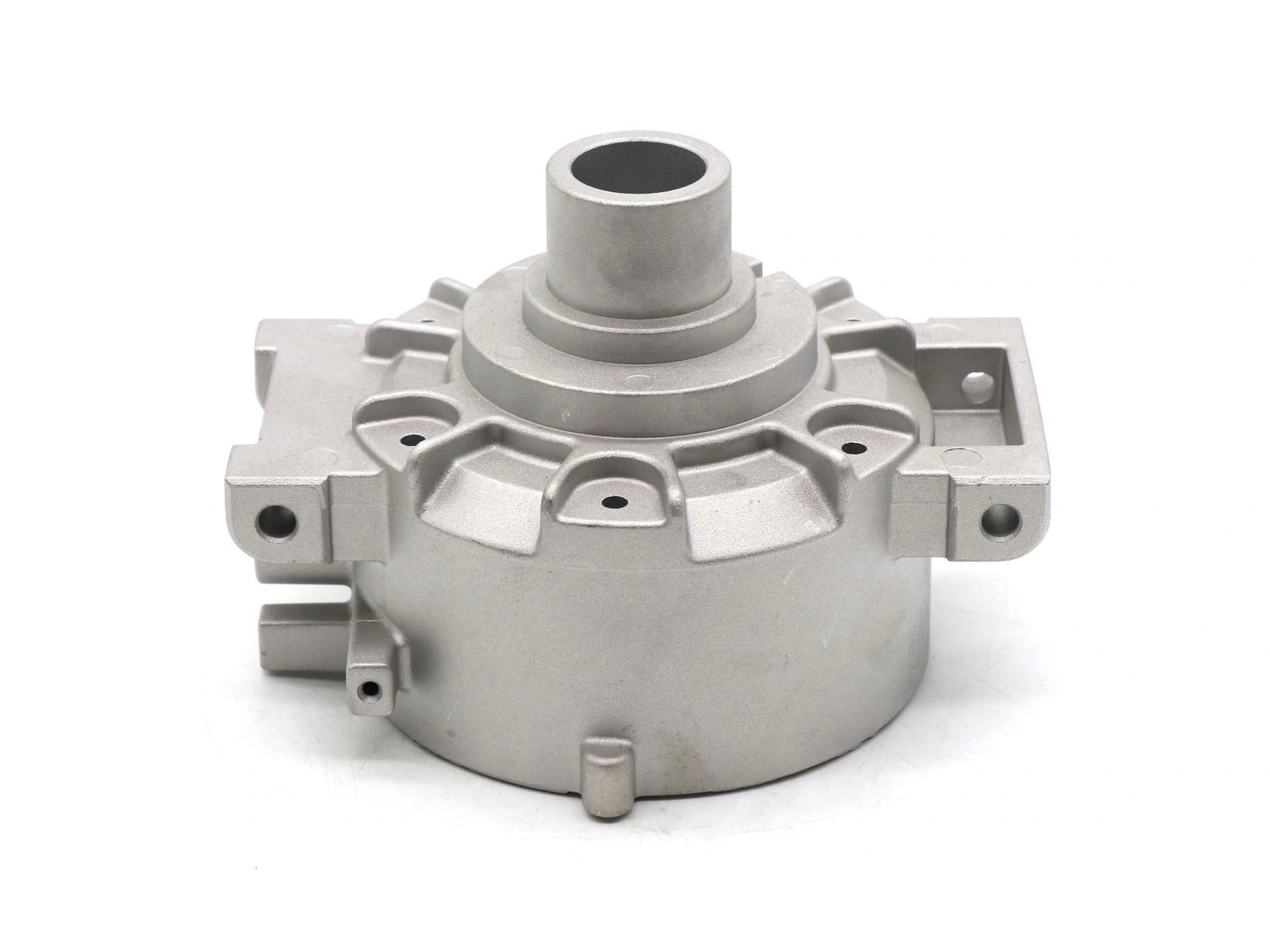
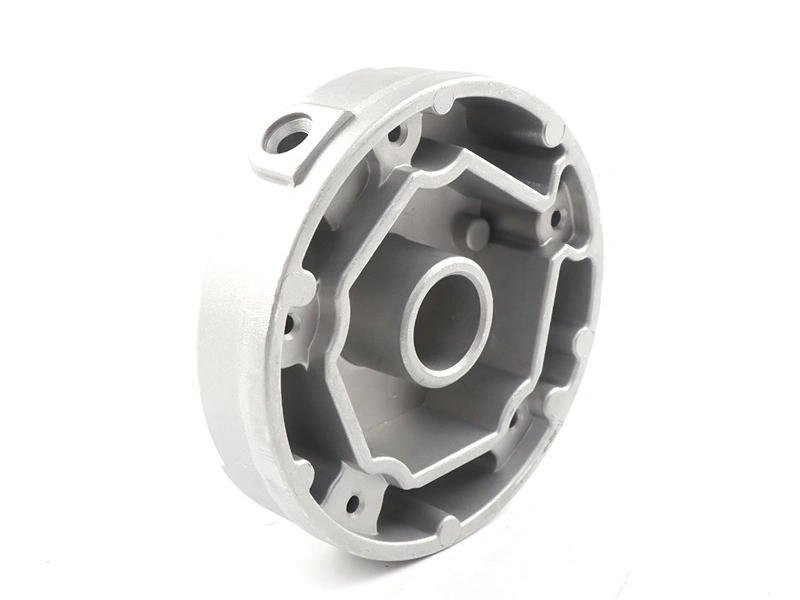
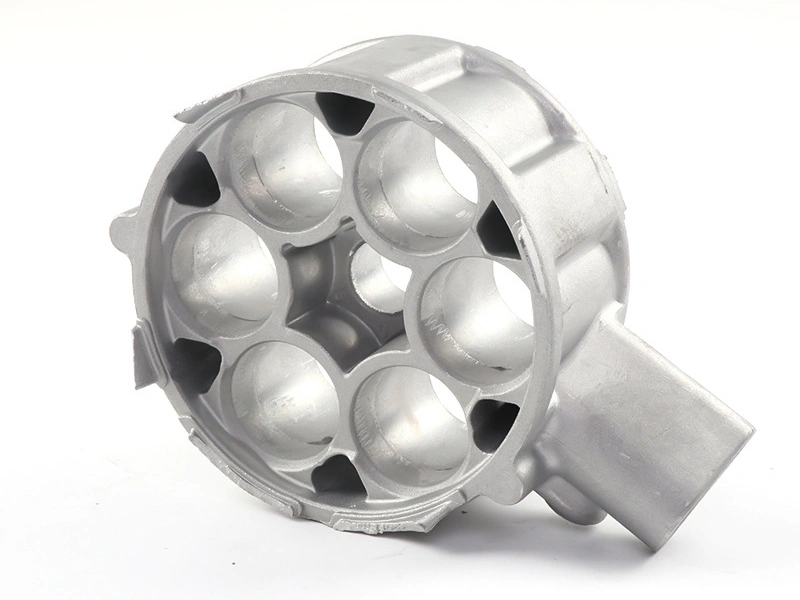
What Should Buyers Prepare for an Aluminium Die Casting Quote?
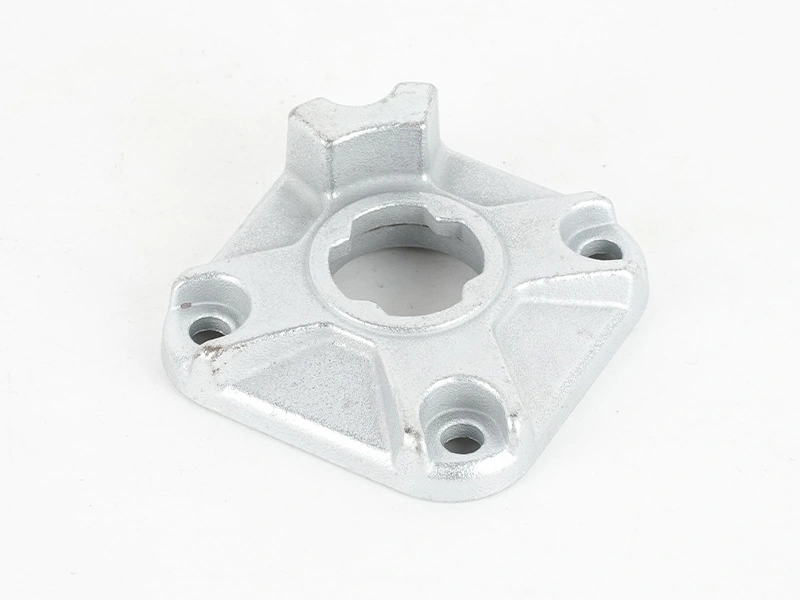
What Should Buyers Prepare for an Aluminium Die Casting Quote?
For an aluminium die casting quote, buyers should prepare 2D drawings, 3D models, material requirements, tolerance requirements, surface treatment requirements, annual demand, single order quantity, use environment, assembly requirements, CNC machining needs, prototype requirements, target cost, and lead time expectations. The more complete the RFQ information is, the easier it is for the supplier to evaluate tooling, unit cost, post-machining, surface finishing, inspection, and mass production feasibility.
A professional aluminum die casting supplier needs to understand both the part design and the buyer’s production plan. If the buyer only sends a 3D model without drawings, tolerances, material, quantity, or surface treatment details, the quotation may be inaccurate or incomplete. Clear information helps the supplier decide whether the project is suitable for die casting, prototype validation, CNC machining, or full production tooling.
1. Quick RFQ Checklist for an Aluminium Die Casting Quote
RFQ Information | Why It Matters | How It Helps the Supplier |
|---|---|---|
2D drawing | Shows dimensions, tolerances, datums, surface notes, holes, threads, and inspection points | Helps evaluate machining, inspection, tooling, and final part accuracy |
3D model | Shows part geometry, wall thickness, ribs, bosses, curves, cavities, and undercuts | Helps evaluate casting feasibility and tooling structure |
Material requirement | Material affects strength, weight, casting stability, machining, and surface treatment | Helps select a suitable aluminum alloy and production route |
Tolerance requirement | Tight tolerances affect CNC machining, fixture design, inspection, and cost | Helps separate critical dimensions from non-critical dimensions |
Surface treatment requirement | Polishing, painting, powder coating, and other finishes affect cost and lead time | Helps quote the finished part instead of only the raw casting |
Annual demand and order quantity | Quantity affects tooling strategy, cavity number, unit cost, and production planning | Helps evaluate tooling investment and long-term cost |
2. Why 2D Drawings and 3D Models Are Essential
2D drawings and 3D models are the foundation of an aluminium die casting quote. The 3D model helps the supplier understand geometry and tooling feasibility, while the 2D drawing defines tolerances, datums, machined areas, surface roughness, threads, holes, and inspection requirements.
Document | What It Provides | Risk if Missing |
|---|---|---|
2D drawing | Critical dimensions, tolerances, datums, surface notes, and inspection points | Supplier may not know which features need strict control |
3D model | Complete geometry, wall thickness, ribs, bosses, undercuts, and cavities | Tooling complexity and casting feasibility may be misjudged |
Assembly drawing | How the part connects with mating components | Assembly risks, interference, and functional surfaces may be missed |
Marked drawing | Critical surfaces, cosmetic surfaces, CNC areas, and functional features | Quotation may include unnecessary processing or miss required operations |
3. Why Material and Tolerance Requirements Should Be Clear
Material and tolerance requirements directly affect aluminium die casting cost. Different aluminum alloys can affect casting stability, strength, weight, surface treatment, CNC machining, and long-term performance. Tolerance requirements affect tooling design, machining allowance, fixture planning, inspection method, and rejection risk.
Requirement | Why It Matters | Buyer Should Provide |
|---|---|---|
Material requirement | Material affects strength, weight, heat performance, corrosion resistance, and cost | Preferred aluminum grade or expected performance requirement |
Critical tolerances | Functional dimensions may need tighter control than general surfaces | Critical holes, threads, sealing faces, datums, and assembly dimensions |
General tolerances | Not every dimension needs tight control | Standard tolerance range for non-critical areas |
Inspection requirement | Inspection level affects cost and lead time | CMM report, dimensional report, visual inspection, or sample approval standard |
4. How Surface Treatment Requirements Affect the Quote
Surface treatment requirements can significantly change the final quotation. Polishing, painting, powder coating, deburring, coating preparation, masking, corrosion testing, cosmetic inspection, and packaging protection all add cost. Buyers should define finish type, cosmetic surfaces, color, roughness, coating thickness, and acceptable defects before quotation.
Surface Requirement | Cost Impact | Buyer Should Confirm |
|---|---|---|
Polishing | Adds labor, cosmetic inspection, and possible rework cost | Polished areas, finish level, and acceptable surface defects |
Painting | Adds color matching, surface preparation, masking, and inspection | Color, gloss, texture, visible surfaces, and sample standard |
Powder coating | Adds coating thickness control, curing, masking, and durability inspection | Coating thickness, corrosion requirement, and functional masked areas |
Cosmetic surfaces | High appearance areas require stricter casting and finishing control | Visible surfaces, defect limits, viewing standard, and reference samples |
5. Why Annual Demand and Single Order Quantity Matter
Annual demand and single order quantity help the supplier decide the right tooling strategy, cavity number, production efficiency, inspection method, and unit cost. Aluminium die casting usually becomes more cost-effective when the order demand is stable and the tooling cost can be spread across repeated production.
Quantity Information | Why It Matters | Supplier Decision |
|---|---|---|
Prototype quantity | Small quantities may not justify full production tooling | Supplier may recommend prototype, CNC sample, or trial tooling |
Single order quantity | Affects batch setup, production planning, and delivery schedule | Supplier can estimate realistic unit cost and lead time |
Annual demand | Affects tooling investment, cavity number, mold life, and unit cost | Supplier can recommend suitable die casting tooling strategy |
Mass production plan | Shows whether the project needs long-term production stability | Supplier can evaluate tooling life, quality control, and capacity planning |
6. Why Use Environment and Assembly Requirements Are Important
Use environment and assembly requirements help the supplier understand the real function of the aluminum die cast part. A part used in automotive, electronics, lighting, industrial equipment, pump systems, motor housings, or outdoor environments may require different material, surface treatment, corrosion resistance, CNC machining, and inspection standards.
Buyer Information | Why It Affects the Quote | How It Helps Process Planning |
|---|---|---|
Use environment | Temperature, humidity, corrosion, vibration, and load affect material and finish selection | Helps choose alloy, surface treatment, and testing requirements |
Assembly requirements | Fit with mating parts affects holes, datums, threads, and surface control | Helps define critical dimensions and machining areas |
Functional requirements | Sealing, fastening, thermal performance, or load-bearing needs affect process choice | Helps determine whether casting alone is enough or CNC machining is required |
Testing requirements | Leak testing, corrosion testing, dimensional reports, or functional tests affect cost | Helps quote inspection and validation work accurately |
7. When Buyers Should Define CNC Machining and Prototype Needs
Buyers should define whether the aluminium die cast part needs CNC machining or prototype validation before quotation. Many die cast parts need CNC machining for threaded holes, mounting holes, locating holes, sealing faces, assembly datums, bearing bores, and high-precision surfaces. If the design is not fully frozen, a prototype may also be needed before production tooling.
Requirement | Why It Matters | Buyer Should Confirm |
|---|---|---|
CNC machining | Machined features add fixture, cutting tool, machining time, and inspection cost | Machined holes, threads, sealing faces, datums, and tolerance requirements |
Prototype sample | Useful when design, material, assembly, or surface treatment still needs validation | Prototype quantity, purpose, material, finish, and inspection needs |
Production tooling | Needed when the design is stable and production volume can justify mold investment | Annual demand, mold life expectation, sample approval, and production schedule |
DFM review | Helps reduce tooling changes, trial failure, and sample rework | Wall thickness, draft, ribs, bosses, tolerances, machining allowance, and surface finish |
8. How Target Cost and Lead Time Help the Supplier
Target cost and lead time requirements help the supplier recommend a practical manufacturing route. If the buyer needs fast samples, CNC prototypes or trial samples may be more suitable. If the buyer needs long-term mass production, die casting tooling and stable production planning may be more important.
Buyer Requirement | Why It Helps | Supplier Response |
|---|---|---|
Target cost | Helps balance tooling investment, unit cost, machining, and finishing | Supplier can recommend a cost-effective process route |
Lead time requirement | Helps decide whether prototype, tooling, or production planning is realistic | Supplier can estimate sample time, tooling time, and batch delivery schedule |
Production deadline | Shows whether tooling and sample approval must be accelerated | Supplier can evaluate schedule risk and capacity |
Long-term supply plan | Helps plan mold life, production capacity, inspection, and packaging | Supplier can build a more reliable mass production proposal |
9. How Complete RFQ Information Improves Quote Accuracy
Complete RFQ information helps the supplier evaluate whether the project is suitable for aluminium die casting and whether the quotation should include raw casting, CNC machining, surface treatment, inspection, packaging, and mass production planning. It also helps reduce late price changes, sample rework, tooling modification, and delivery risk.
Incomplete RFQ Problem | Possible Risk | Complete RFQ Benefit |
|---|---|---|
No tolerance information | Supplier may miss CNC machining or inspection cost | More accurate finished-part quotation |
No surface treatment requirement | Quote may only cover raw casting, not finished parts | Better total cost estimate |
No annual demand | Tooling strategy and unit cost may be inaccurate | Better tooling and production planning |
No assembly information | Critical holes, datums, and sealing surfaces may be missed | Lower risk of sample failure and rework |
No lead time requirement | Supplier may not know whether prototype speed or production capacity matters more | More realistic project schedule planning |
10. Summary
Buyer Should Prepare | Purpose for Aluminium Die Casting Quote |
|---|---|
2D drawing and 3D model | Help evaluate geometry, dimensions, tolerances, tooling, and casting feasibility |
Material requirements | Help select suitable aluminum alloy and evaluate performance needs |
Tolerance requirements | Help estimate CNC machining, fixture, inspection, and quality control cost |
Surface treatment requirements | Help quote polishing, painting, powder coating, cosmetic inspection, and finishing cost |
Annual demand and single order quantity | Help evaluate tooling investment, cavity number, unit cost, and production capacity |
Use environment and assembly requirements | Help define material, finish, machining, testing, and functional requirements |
CNC machining and prototype needs | Help estimate finished-part cost and determine whether prototype validation is needed before tooling |
Target cost and lead time | Help supplier recommend a practical route from prototype to tooling and mass production |
In summary, buyers should prepare 2D drawings, 3D models, material requirements, tolerance requirements, surface treatment requirements, annual demand, single order quantity, use environment, assembly requirements, CNC machining needs, prototype requirements, target cost, and lead time expectations for an aluminium die casting quote. Complete information helps the supplier judge whether the project is suitable for aluminium die casting and accurately evaluate die casting tooling, unit cost, CNC machining, surface treatment, inspection, packaging, and mass production delivery schedule.