What Is Aluminium Die Casting Used For?
What Is Aluminium Die Casting Used For?
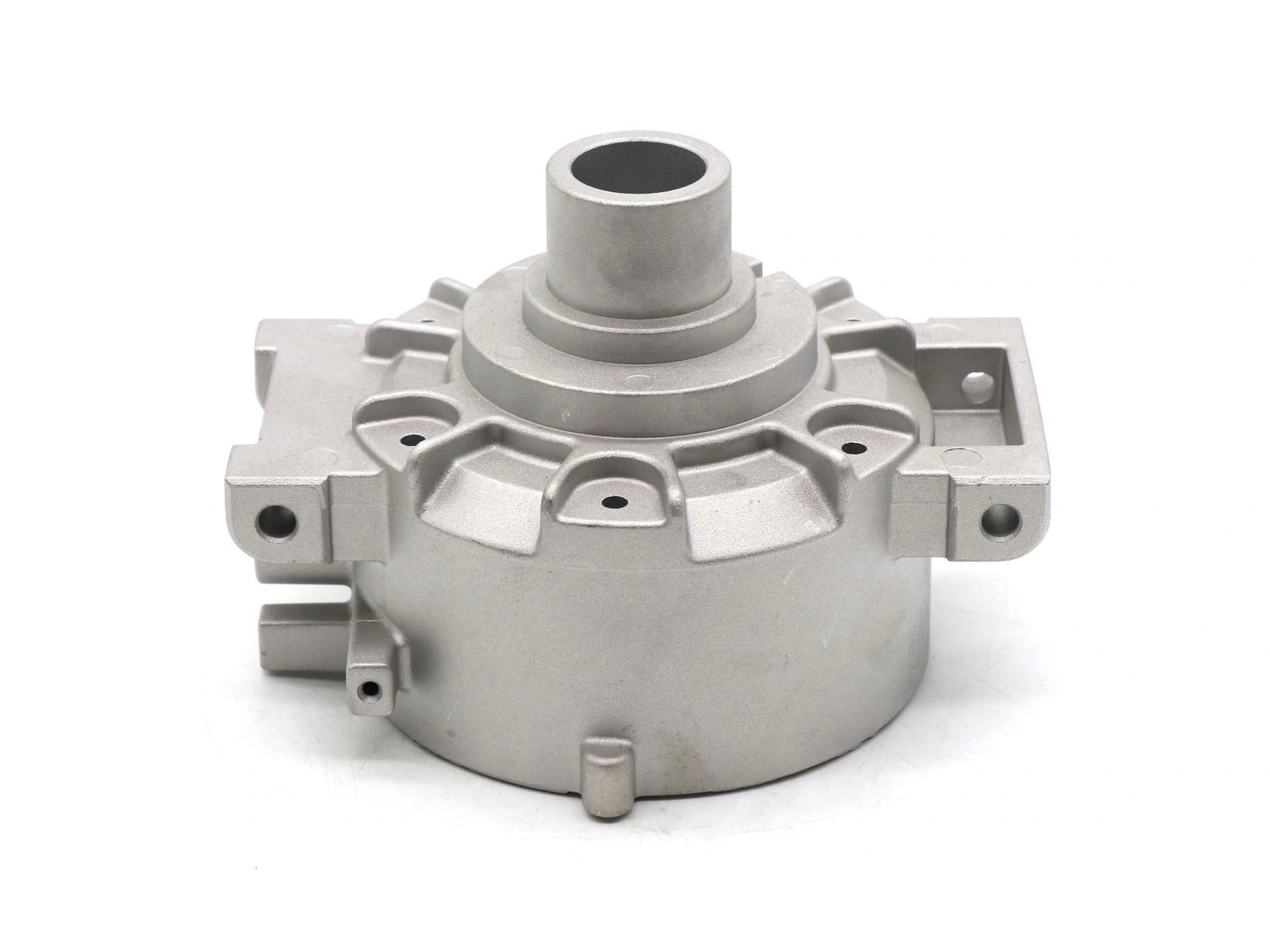
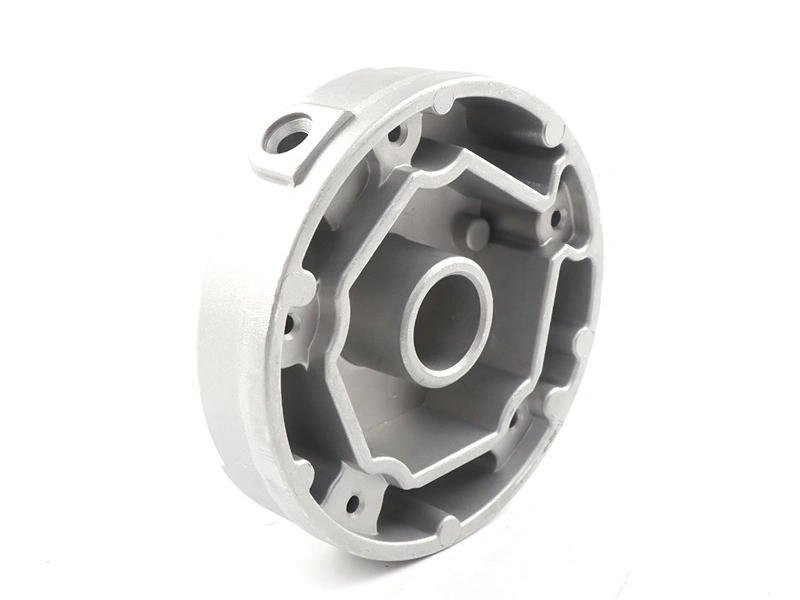
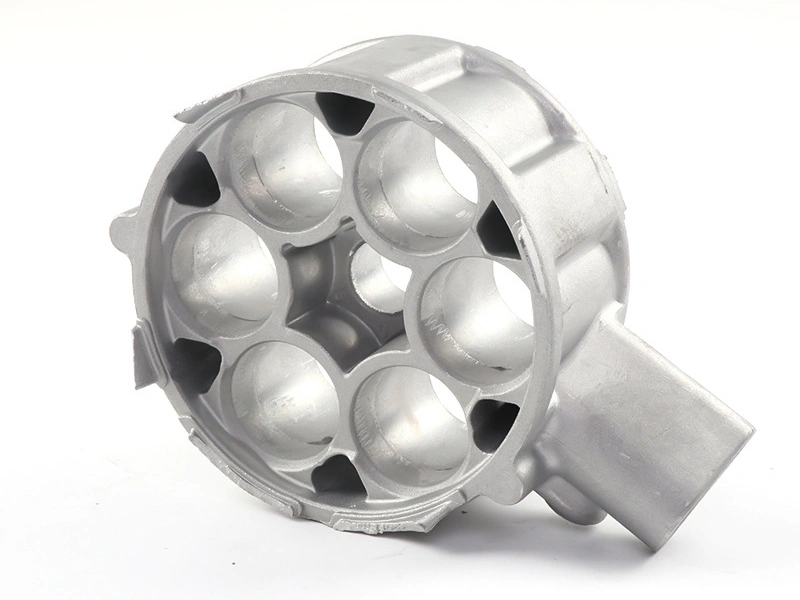
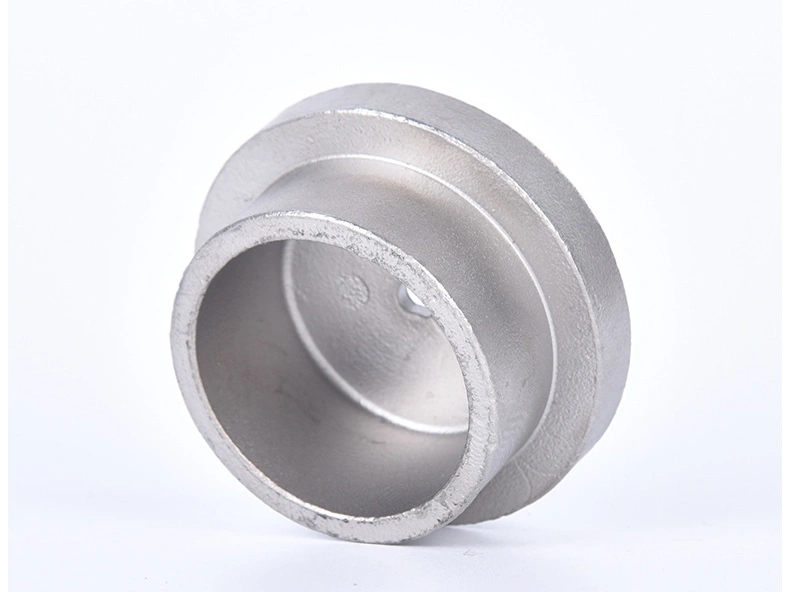
Aluminium die casting is used to produce lightweight, complex, dimensionally stable metal parts for automotive components, electronic housings, lighting housings, industrial equipment parts, mechanical brackets, pump bodies, motor housings, heat dissipation structures, and repeated batch production. It is a suitable manufacturing method when buyers need custom aluminum parts with stable quality, complex geometry, and scalable production efficiency.
For buyers, aluminium die casting is often a strong choice when a part needs lightweight performance, structural complexity, consistent dimensions, and repeatable production. Compared with machining every part from solid aluminum, die casting can form the main shape efficiently, while CNC machining and surface finishing can be added later for critical holes, threads, sealing faces, assembly surfaces, coating, painting, or cosmetic requirements.
1. Common Applications of Aluminium Die Casting
Application Area | Typical Parts | Why Aluminium Die Casting Is Suitable |
|---|---|---|
Automotive parts | Brackets, covers, housings, supports, lightweight structural parts, and engine-related components | Supports weight reduction, complex shapes, batch consistency, and stable assembly |
Electronic housings | Enclosures, control boxes, connector housings, device shells, and covers | Provides lightweight protection, dimensional stability, heat dissipation, and good appearance potential |
Lighting housings | LED housings, lamp bodies, heat sink housings, mounting frames, and lighting covers | Combines heat dissipation structure, complex geometry, surface finishing, and repeated production |
Industrial equipment parts | Machine covers, frames, brackets, mounting parts, and protective housings | Offers strength, stable dimensions, surface protection options, and scalable manufacturing |
Pump bodies and motor housings | Pump housings, motor cases, covers, flanges, and machined sealing parts | Allows complex casting shapes with CNC machining for sealing faces, holes, and datums |
Batch production metal parts | Custom aluminum parts produced repeatedly after design approval | Helps reduce long-term unit cost when the design and demand are stable |
2. Why Automotive Parts Use Aluminium Die Casting
Automotive parts often need lightweight structure, mechanical stability, repeatable quality, and complex geometry. Aluminium die casting helps produce parts with integrated ribs, bosses, mounting holes, brackets, covers, and housing structures. This can reduce part weight and improve production consistency across batches.
Automotive Requirement | How Aluminium Die Casting Helps | Buyer Benefit |
|---|---|---|
Lightweight structure | Aluminum helps reduce part weight compared with heavier metal options | Supports vehicle weight reduction and easier assembly |
Complex mounting features | Ribs, bosses, brackets, and mounting points can be formed in one casting | Reduces part count and secondary assembly work |
Batch consistency | Tooling supports repeatable part geometry after validation | Improves inspection control and production stability |
Functional surfaces | CNC machining can be added for holes, threads, datums, and sealing areas | Improves fit, fastening, and final assembly reliability |
3. Electronic Housings and Lighting Housings
Electronic housings and lighting housings often require lightweight protection, heat dissipation, stable assembly, and clean appearance. Aluminium die casting can form enclosure shapes, heat dissipation fins, screw bosses, connector areas, mounting frames, and cover structures efficiently.
Part Type | Main Requirement | Die Casting Advantage |
|---|---|---|
Electronic housings | Protection, assembly fit, heat control, and surface appearance | Forms lightweight enclosures with repeatable dimensions and post-processing options |
Control boxes | Mounting holes, covers, sealing areas, and stable structure | Combines casting for the main shape with machining for critical features |
LED lighting housings | Heat dissipation, appearance, mounting, and coating compatibility | Can form heat sink structures, fins, ribs, and complex lighting body shapes |
Heat sink structures | Thermal path, surface area, and lightweight geometry | Supports integrated thermal structures for repeated production |
4. Industrial Equipment Parts and Mechanical Brackets
Industrial equipment parts and mechanical brackets usually need strength, dimensional stability, durable surface protection, and reliable assembly. Aluminium die casting can produce custom metal parts with complex support structures, ribs, bosses, mounting surfaces, and protective housings.
Industrial Part | Why It Uses Aluminium Die Casting | Buyer Value |
|---|---|---|
Mechanical brackets | Can integrate mounting points, ribs, bosses, and support geometry | Improves strength while reducing secondary assembly steps |
Machine covers | Need stable shape, protection, and surface finishing | Supports repeated production and consistent appearance |
Industrial housings | Need protection, assembly features, coating, and sometimes CNC machining | Combines casting efficiency with post-processing flexibility |
Equipment frames | Need lightweight structure and reliable dimensional control | Helps reduce weight while keeping stable production quality |
5. Pump Bodies, Motor Housings and Heat Dissipation Parts
Pump bodies, motor housings, and heat dissipation parts often require complex shapes plus functional accuracy. Aluminium die casting can form the main structure, while CNC machining can finish sealing faces, bearing areas, mounting holes, threaded holes, and datums.
Functional Part | Key Requirement | Recommended Manufacturing Strategy |
|---|---|---|
Pump bodies | Stable body shape, holes, sealing areas, and assembly surfaces | Use die casting for the main shape and machining for sealing faces |
Motor housings | Strength, heat control, bearing areas, and accurate mounting | Combine aluminum casting with CNC machining for functional areas |
Heat dissipation structures | Thermal geometry, fins, surface area, and lightweight design | Use die casting to form complex thermal features efficiently |
Flanges and covers | Flatness, holes, sealing, and dimensional control | Use post-machining for precision surfaces after casting |
6. Why Aluminium Die Casting Fits Batch Production
Aluminium die casting is especially useful for batch production when the design is stable and the order demand is repeated. The mold forms the main geometry consistently, and post-processing can be added based on final requirements. This makes aluminium die casting suitable for custom metal parts that need both production efficiency and repeatable quality.
Batch Production Requirement | How Aluminium Die Casting Supports It | Buyer Benefit |
|---|---|---|
Repeatable dimensions | Tooling helps maintain stable geometry across batches | Improves consistency and inspection control |
Complex geometry | Ribs, bosses, covers, housings, and brackets can be formed efficiently | Reduces unnecessary full CNC machining and assembly steps |
Long-term unit cost control | Tooling cost can be spread across repeated production quantities | Improves cost efficiency after demand becomes stable |
Post-processing flexibility | CNC machining, polishing, painting, coating, and inspection can be added as needed | Helps meet both functional and appearance requirements |
7. When Buyers Should Choose Aluminium Die Casting
Buyers should consider aluminium die casting when they need lightweight, structurally complex, dimensionally stable metal parts for repeated production. It is also suitable when a part needs local CNC machining, surface treatment, assembly, coating, painting, or cosmetic finishing after casting.
Buyer Requirement | Why Aluminium Die Casting Fits | Typical Decision Logic |
|---|---|---|
Lightweight metal part | Aluminum supports weight reduction while maintaining useful strength | Suitable for automotive, electronics, lighting, and industrial applications |
Complex structure | Die casting can form housings, covers, ribs, brackets, and bosses | Useful when full CNC machining would waste material and time |
Stable dimensions | Validated tooling supports repeatable production quality | Suitable for assembly parts and batch production |
Mass production plan | Die casting becomes more cost-effective when demand is stable | Better for production parts than one-off samples |
Functional surfaces | CNC machining can finish holes, threads, sealing faces, and datums | Combines casting efficiency with precision where needed |
8. What Buyers Should Provide for an Aluminium Die Casting Quote
To evaluate whether aluminium die casting is suitable, buyers should provide 2D drawings, 3D models, product application, material requirements, expected production volume, tolerance requirements, CNC machining areas, surface treatment requirements, use environment, assembly requirements, and target cost. This helps the supplier decide whether aluminum die casting, CNC machining, or a combined process is the best manufacturing route.
Buyer Information | Why It Matters | How It Helps Quotation |
|---|---|---|
2D drawing and 3D model | Shows geometry, wall thickness, tolerances, holes, ribs, and assembly features | Helps evaluate casting feasibility and tooling structure |
Application and use environment | Automotive, electronic, lighting, industrial, pump, and motor parts have different requirements | Helps select material, surface treatment, and inspection method |
Expected production volume | Quantity affects tooling investment and long-term unit cost | Helps compare prototype, low volume, and mass production routes |
CNC machining areas | Critical holes, threads, sealing faces, and datums may need machining | Helps quote finished parts more accurately |
Surface treatment requirements | Painting, coating, polishing, corrosion protection, and appearance standards affect total cost | Helps plan post-processing and inspection early |
9. Summary
What Aluminium Die Casting Is Used For | Typical Parts |
|---|---|
Automotive parts | Brackets, covers, housings, supports, and lightweight structural components |
Electronic housings | Enclosures, device shells, control boxes, connector housings, and covers |
Lighting housings | LED housings, lamp bodies, heat sink housings, and mounting frames |
Industrial equipment parts | Machine covers, frames, brackets, industrial housings, and support parts |
Mechanical brackets | Mounting brackets, support structures, frames, and assembly components |
Pump bodies and motor housings | Pump housings, motor cases, flanges, covers, and machined sealing parts |
Heat dissipation structures | Heat sinks, fin structures, thermal housings, and lighting heat dissipation parts |
Batch production metal parts | Custom aluminum parts requiring stable dimensions, complex geometry, and repeatable quality |
In summary, aluminium die casting is used for automotive parts, electronic housings, lighting housings, industrial equipment components, mechanical brackets, pump bodies, motor housings, heat dissipation structures, and batch production metal parts. If buyers need lightweight, complex, dimensionally stable custom metal parts suitable for repeated production, aluminium die casting is usually a suitable manufacturing solution.