Does Aluminium Die Casting Require CNC Machining?
Does Aluminium Die Casting Require CNC Machining?
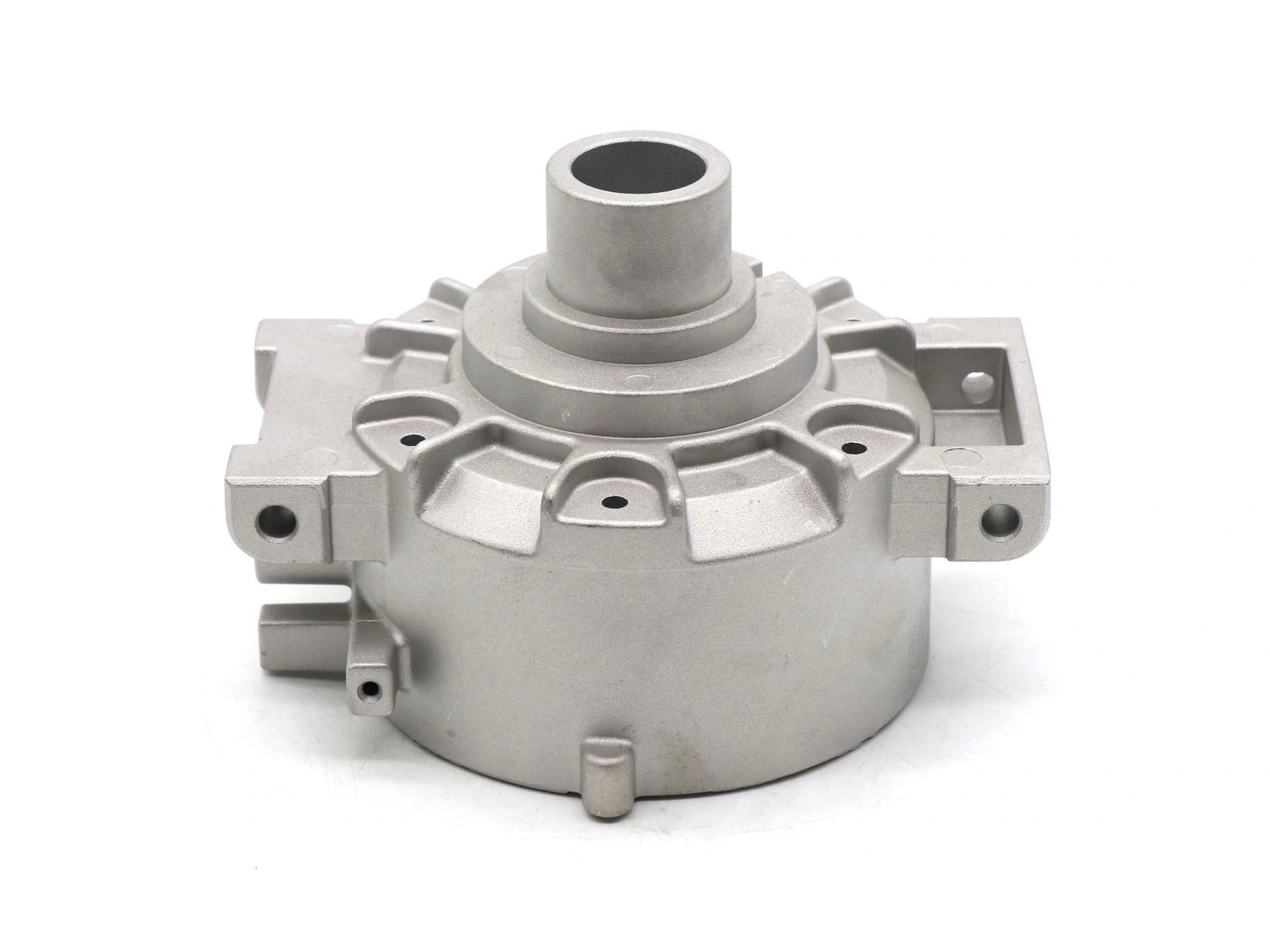
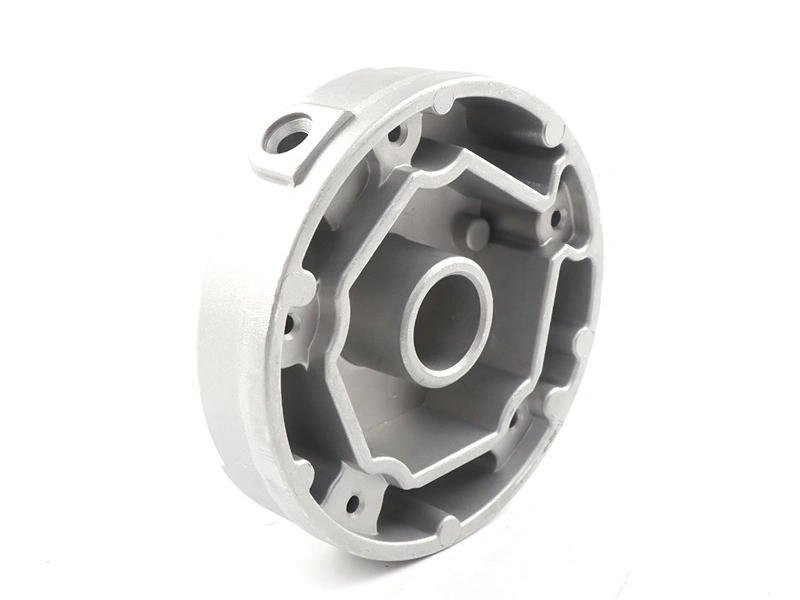
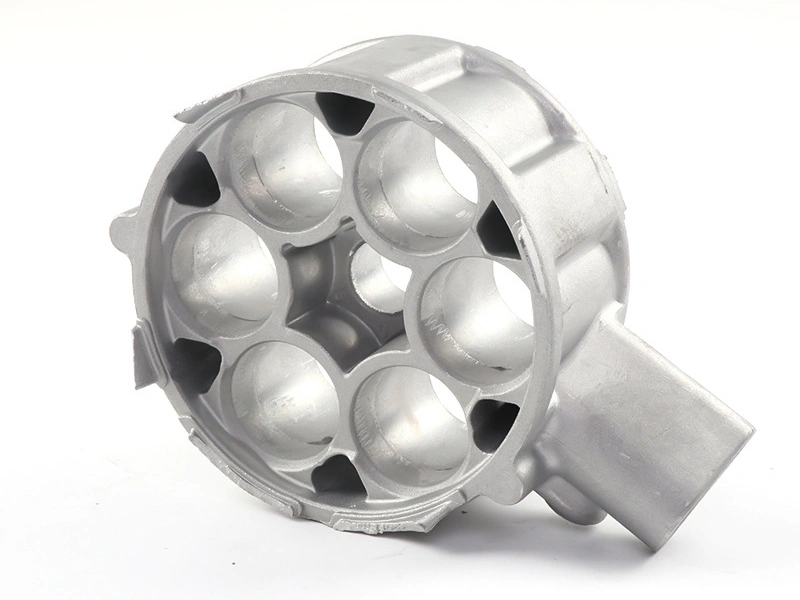
Aluminium die casting does not always require CNC machining, but many functional areas usually need CNC machining after die casting. Die casting can form the main part shape, ribs, bosses, covers, housings, and structural features efficiently. However, threaded holes, mounting holes, locating holes, sealing faces, assembly datums, high-precision flat surfaces, bearing bores, and functional mating surfaces often need CNC machining to achieve tighter accuracy and reliable assembly.
For buyers, the key is to mark critical dimensions, machining areas, and tolerance requirements clearly in the drawing before quotation. This helps the supplier evaluate fixtures, cutting tools, machining allowance, inspection method, cycle time, and final cost more accurately for aluminium die casting projects.
1. Quick Answer: When CNC Machining Is Needed After Die Casting
Feature Area | Why CNC Machining May Be Needed | Buyer Benefit |
|---|---|---|
Threaded holes | Threads usually require drilling, tapping, or thread milling after casting | Improves fastening strength and assembly reliability |
Mounting holes | Hole size and position often need tighter control than as-cast features | Improves alignment with screws, pins, brackets, and mating parts |
Locating holes | Positioning features must control part location during assembly | Reduces assembly mismatch and dimensional variation |
Sealing faces | Flatness and surface roughness affect leakage control | Improves sealing reliability in housings, covers, pumps, and fluid parts |
Assembly datum surfaces | Datums control machining setup, inspection, and final assembly position | Improves repeatability and batch consistency |
Bearing bores | Bearing areas need accurate diameter, roundness, and alignment | Improves mechanical fit and long-term operation |
2. Why Die Casting Alone Is Not Always Enough
Die casting is excellent for producing complex aluminum shapes, but it is not always enough for every functional surface. As-cast surfaces may be suitable for external shapes, ribs, bosses, covers, and non-critical areas. However, features that affect assembly, sealing, fastening, movement, or precision location often need tighter dimensional control than the casting process alone can provide.
As-Cast Feature | Usually Acceptable For | When CNC Machining Becomes Necessary |
|---|---|---|
Main outer shape | General housing shape, cover geometry, and non-critical surfaces | When the outer surface needs precise fit, flatness, or cosmetic preparation |
Ribs and bosses | Structural support and internal reinforcement | When boss holes, inserts, or threads need accurate location |
Cast holes | Rough openings or non-critical passages | When hole size, position, or roundness affects assembly |
Flat cast surfaces | Non-critical contact or hidden areas | When flatness, sealing, or datum accuracy is required |
3. Threaded Holes, Mounting Holes and Locating Holes
Threaded holes, mounting holes, and locating holes are among the most common CNC-machined features in machined aluminum die cast parts. These areas directly affect assembly accuracy, fastening strength, and repeatable fit with mating components.
Hole Type | Reason for CNC Machining | Risk if Not Controlled |
|---|---|---|
Threaded holes | Threads need controlled depth, pitch, diameter, and strength | Loose screws, stripped threads, or fastening failure |
Mounting holes | Hole position affects alignment with screws, brackets, and covers | Assembly interference or misalignment |
Locating holes | Positioning features need tighter tolerance for repeatable assembly | Unstable assembly position and inspection disputes |
Counterbored holes | Fastener seating surfaces may need flatness and depth control | Poor screw seating or uneven clamping force |
4. Sealing Faces and High-Precision Flat Surfaces
Sealing faces and high-precision flat surfaces usually require CNC machining because sealing performance depends on flatness, surface roughness, contact quality, and dimensional control. This is common in pump housings, motor housings, covers, valve-related parts, electronic enclosures, and fluid-handling components.
Functional Surface | Why It Needs CNC Machining | Buyer Benefit |
|---|---|---|
Sealing face | Requires controlled flatness and roughness for gasket or contact sealing | Reduces leakage risk |
Flange face | Needs stable contact with mating components | Improves assembly fit and load distribution |
High-precision flat surface | As-cast surface may not meet tight flatness requirements | Improves dimensional and functional reliability |
Contact surface | Functional mating areas may need controlled texture and geometry | Improves fit, sealing, and long-term performance |
5. Assembly Datums, Bearing Bores and Functional Mating Surfaces
Assembly datums, bearing bores, and functional mating surfaces often need CNC machining because they control how the part is positioned, measured, assembled, or used in operation. If these areas are left only as-cast, the part may have unstable fit or inconsistent batch performance.
Feature | CNC Machining Purpose | Production Risk Reduced |
|---|---|---|
Assembly datum surface | Creates a stable reference for machining, inspection, and assembly | Reduces dimensional variation and fixture instability |
Bearing bore | Controls diameter, roundness, alignment, and surface finish | Improves mechanical fit and operating reliability |
Functional mating surface | Controls contact, flatness, clearance, and position | Reduces assembly interference and functional failure |
Precision slot or groove | Controls width, depth, location, and mating fit | Improves assembly accuracy and repeatability |
6. How Buyers Should Mark CNC Machining Requirements on Drawings
Buyers should mark CNC machining requirements clearly in 2D drawings and RFQ documents. This helps the supplier separate as-cast surfaces from machined surfaces and avoid quoting errors. It also prevents unnecessary machining on non-critical areas.
Drawing Information | Why It Matters | How It Helps Quotation |
|---|---|---|
Critical dimensions | Shows which dimensions affect fit, sealing, fastening, or performance | Helps focus machining and inspection on functional areas |
Machining areas | Defines which surfaces need CNC machining after casting | Helps estimate fixture design, tool path, and machining time |
Tolerance requirements | Tighter tolerances increase machining and inspection cost | Helps quote based on real accuracy needs |
Surface roughness | Sealing and mating surfaces may need controlled roughness | Helps plan cutting method and inspection standard |
Datums | Defines how the part should be located during machining and inspection | Improves fixture planning and dimensional repeatability |
7. How CNC Machining Affects Cost and Lead Time
CNC machining improves functional accuracy, but it also adds cost and lead time. The cost depends on the number of machined features, machining allowance, tolerance level, fixture complexity, tool life, inspection method, and production volume.
Cost Factor | Why It Adds Cost | Cost Control Method |
|---|---|---|
Number of machined features | More holes, faces, threads, and datums increase machining time | Machine only functional areas that require precision |
Fixture complexity | Complex parts may need custom fixtures for stable positioning | Define datums and machining sequence early |
Tight tolerances | Require better tools, slower machining, and more inspection | Apply strict tolerances only to critical dimensions |
Inspection requirements | CMM, gauges, full inspection, or reports add quality control time | Define inspection level based on function and risk |
8. What Buyers Should Provide for Accurate CNC Machining Evaluation
To evaluate CNC machining after aluminium die casting accurately, buyers should provide 2D drawings, 3D models, critical dimensions, machined surface markings, tolerance requirements, surface roughness requirements, datum information, inspection standards, assembly requirements, expected quantity, and annual demand.
Buyer Information | Purpose |
|---|---|
2D drawing and 3D model | Define geometry, dimensions, holes, threads, datums, and functional features |
Machining area markings | Show which areas need CNC machining and which areas can remain as-cast |
Critical dimensions and tolerances | Help evaluate machining accuracy, fixture needs, and inspection cost |
Surface roughness requirements | Define sealing faces, mating surfaces, and functional finish needs |
Assembly requirements | Help identify holes, threads, datums, and mating surfaces that affect fit |
Annual demand | Helps plan fixtures, cycle time, inspection method, and unit cost |
9. Summary
Question | Answer |
|---|---|
Does aluminium die casting always require CNC machining? | No. Many as-cast surfaces can be used directly, but functional areas often need CNC machining. |
Which areas commonly need CNC machining? | Threaded holes, mounting holes, locating holes, sealing faces, assembly datums, high-precision flat surfaces, bearing bores, and functional mating surfaces. |
Why is CNC machining needed after die casting? | It improves hole accuracy, thread quality, sealing performance, datum control, assembly fit, and dimensional consistency. |
How can buyers control machining cost? | Buyers should clearly mark critical dimensions, machining areas, tolerances, roughness, datums, and inspection requirements before quotation. |
What is the best manufacturing strategy? | Use aluminium die casting for the main shape and CNC machining only for functional areas that need precision. |
In summary, aluminium die casting does not always require CNC machining, but many functional areas need it for reliable performance. Threaded holes, mounting holes, locating holes, sealing faces, assembly datums, high-precision flat surfaces, bearing bores, and functional mating surfaces often require CNC machining after die casting. Buyers should mark critical dimensions, machining areas, and tolerance requirements clearly so the supplier can evaluate fixtures, tools, machining time, inspection cost, and final quotation accurately.