How to Use Low Pressure Die Casting for Custom Metal Part Manufacturing
How to Use Low Pressure Die Casting for Custom Metal Part Manufacturing
Low pressure die casting is a metal casting route that buyers may consider when custom metal parts require stable filling, controlled solidification, good structural quality, and a practical path from trial production to repeat manufacturing. It is often evaluated for aluminum castings, medium-size structural parts, thicker-wall cast parts, and components that need later CNC machining, surface finishing, inspection, and assembly.
When buyers search for low pressure die casting, they are usually comparing different metal casting solutions. They may want to know whether low pressure casting is more suitable than high pressure die casting, sand casting, gravity casting, CNC machining, or another process for their custom metal parts.
This guide explains how buyers can judge whether a part is suitable for low pressure die casting, how this process compares with other manufacturing routes, and how material selection, DFM review, tooling, internal quality control, post-machining, surface finishing, inspection, and production planning affect the final result.
Why Buyers Consider Low Pressure Die Casting
Buyers usually consider low pressure die casting when they are choosing a manufacturing route, not only learning a casting definition. Their project may involve a medium-size metal part, a thicker-wall casting, an aluminum structure, a functional cast component, or a part that needs better internal quality than a basic rough casting route can provide.
The core value of low pressure die casting is not simply that the pressure is lower. The real value is whether the filling method, material, geometry, tooling plan, solidification control, internal quality, CNC machining strategy, and production quantity match the buyer’s final part requirements.
Buyer Question | What It Usually Means | Planning Focus |
|---|---|---|
Is my part suitable for low pressure die casting? | The buyer is comparing casting routes before tooling or production. | Part size, wall thickness, geometry, material, quantity, and quality requirements. |
Is low pressure casting better than high pressure die casting? | The buyer wants to compare internal quality, productivity, structure, and tooling needs. | Filling method, defect risk, part complexity, production volume, and cost target. |
Can low pressure casting replace sand casting? | The buyer may need better consistency, surface quality, or dimensional control. | Tooling investment, batch stability, surface quality, and part size. |
Will the part still need CNC machining? | The buyer needs functional dimensions or assembly features after casting. | Machining allowance, datums, holes, sealing faces, and inspection points. |
Can this process support production? | The buyer wants to move from trial casting to stable manufacturing. | Trial casting, low-volume runs, process control, inspection, and repeat production records. |
For custom metal parts, low pressure die casting should be evaluated as one possible manufacturing route inside a broader metal casting solution.
What Types of Parts Are Suitable for Low Pressure Die Casting?
Low pressure die casting is not suitable for every metal part. It is often considered when buyers need stable cast structures, controlled filling, functional metal components, medium-size parts, thicker-wall sections, or better production consistency than simple low-cost casting routes may provide.
Part Type | Why Low Pressure Die Casting May Fit | Buyer Focus |
|---|---|---|
Aluminum housings | May need stable structure, controlled wall thickness, and lower internal defect risk. | Material selection, wall thickness, CNC machining, and surface finishing. |
Wheel-like or rotational parts | May need controlled filling, solidification, strength, and balanced structure. | Concentricity, strength, internal inspection, and machining references. |
Medium-size structural parts | May not be ideal for pure CNC machining or high pressure die casting depending on geometry. | Tooling, solidification, deformation control, and dimensional inspection. |
Thicker wall metal parts | May require better feeding and solidification planning than thin-wall high-speed casting routes. | Porosity, shrinkage, X-ray inspection, and post-machining allowance. |
Functional cast components | May need later machining, assembly, sealing, or performance testing. | Critical dimensions, datum surfaces, sealing faces, and functional inspection. |
Low-to-medium volume castings | May need more repeatability than sand casting without committing to unsuitable high-volume tooling. | Tooling cost, trial runs, batch consistency, and production planning. |
Buyers should not assume that all parts are suitable for low pressure die casting. The process should be selected after reviewing material, part size, wall thickness, internal quality, machining requirements, surface finish, and order quantity.
Low Pressure Die Casting vs High Pressure Die Casting
Low pressure die casting and high pressure die casting both belong to metal casting solutions, but they are used for different project needs. Low pressure die casting usually focuses more on controlled filling and solidification, while high pressure die casting is often selected for high-efficiency production of complex and thin-wall parts.
Neither process is automatically better in every situation. The correct choice depends on material, part size, wall thickness, structure, production volume, internal quality requirements, surface expectations, and post-machining needs.
Comparison Point | Low Pressure Die Casting | High Pressure Die Casting |
|---|---|---|
Filling method | Molten metal fills the mold more steadily under lower pressure. | Molten metal fills the mold quickly under high pressure and high speed. |
Typical focus | Internal quality, solidification control, and structural stability. | High efficiency, complex thin-wall geometry, and large production volume. |
Suitable parts | Medium-size parts, thicker-wall parts, and selected structural castings. | Thin-wall complex parts, housings, covers, brackets, and high-volume components. |
Tooling and production | Tooling and process should be evaluated based on structure and quantity. | Often suitable for stable high-volume production after tooling approval. |
Defect concern | Solidification, shrinkage, feeding, dimensional stability, and internal quality. | Gas porosity, flash, high-speed filling defects, and mold wear. |
Post-machining | Critical surfaces, holes, datums, and sealing faces may still need CNC machining. | Critical surfaces, holes, datums, and sealing faces may still need CNC machining. |
Buyers should compare low pressure and high pressure die casting by project requirements. A high-volume thin-wall zinc housing and a medium-size aluminum structural casting may need very different manufacturing routes.
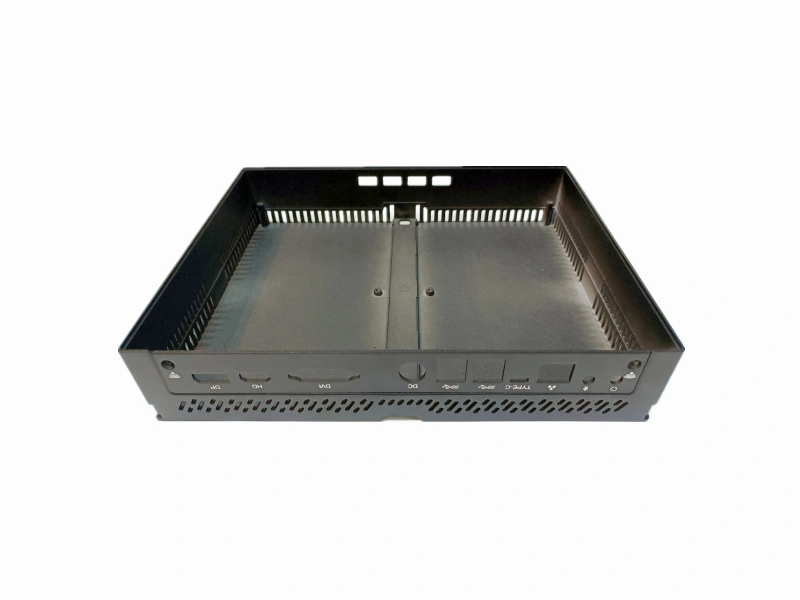
Low Pressure Die Casting vs Sand Casting, Gravity Casting and CNC Machining
Low pressure die casting should also be compared with sand casting, gravity casting, high pressure die casting, and CNC machining. The right choice depends on part size, complexity, required surface quality, production volume, tooling budget, dimensional needs, and internal quality expectations.
Process | Better For | Limitation |
|---|---|---|
Low pressure die casting | Metal parts needing controlled filling, structural quality, and low-to-medium production stability. | Still requires tooling and process evaluation before production. |
Large parts, low-volume projects, and flexible metal casting requirements. | Surface quality and dimensional precision are usually lower than die casting routes. | |
Gravity casting | Simpler metal parts and medium-volume castings with moderate tooling needs. | Filling consistency and quality can be strongly affected by geometry and process control. |
High pressure die casting | High-volume, thin-wall, complex custom metal parts. | Internal porosity and high-pressure process limitations must be evaluated. |
Low-volume high-precision solid parts and critical machined prototypes. | Large-batch complex parts can become expensive when machined from billet. |
Low pressure die casting is one route within low pressure metal casting solutions. It should not be treated as the default answer for every project. The process should be selected after comparing material, geometry, quality, volume, and cost.
Material Selection for Low Pressure Die Casting
Material selection affects whether low pressure die casting is suitable. Buyers should consider strength, weight, wall thickness, thermal performance, surface finishing, corrosion resistance, machining needs, production quantity, and working environment before choosing a casting route.
Low pressure die casting is commonly evaluated for aluminum parts, while zinc, copper, and multi-material projects should be reviewed according to their own part size, geometry, process suitability, and final performance requirements.
Material Direction | When to Consider | Planning Focus |
|---|---|---|
Lightweight structures, housings, heat-related parts, and medium-size metal components. | Solidification, dimensional stability, CNC machining, and surface treatment. | |
Small complex parts, hardware, decorative parts, and high-detail components. | Fine detail, surface quality, dimensional stability, and assembly fit. | |
Conductive, thermal, corrosion-related, and functional metal parts. | Material performance, post-machining, process feasibility, and inspection. | |
Multi-material review | Projects with several custom metal parts or unclear material direction. | Unified evaluation through the Metal Casting page before selecting a process. |
Buyers can use material selection for low pressure casting to compare aluminum, zinc, copper, and related casting materials before deciding whether low pressure casting is the right route.
Design Factors That Affect Low Pressure Die Casting Results
Low pressure die casting quality is strongly affected by design. The part should be reviewed for wall thickness, section transitions, ribs, bosses, fillets, feeding, solidification, draft angle, machining allowance, critical surfaces, assembly interfaces, and surface finishing areas.
Because low pressure casting depends heavily on filling and solidification control, DFM review should focus on how the part cools, feeds, and maintains dimensional stability.
Design Factor | Low Pressure Casting Impact | Planning Action |
|---|---|---|
Wall thickness | Affects solidification, shrinkage, porosity, and deformation risk. | Avoid sudden thick-to-thin changes and review hot spots early. |
Section transition | Affects feeding, cooling balance, and dimensional stability. | Use smooth transitions and avoid heavy local material concentration. |
Ribs and bosses | Affect strength, stiffness, local heat concentration, and shrinkage risk. | Optimize size, position, support, and connection to main walls. |
Fillets | Improve filling, stress distribution, and local casting quality. | Avoid sharp corners and use suitable radius transitions. |
Machining allowance | Affects whether later CNC machining can achieve critical dimensions. | Define machining areas, datums, and allowance before tooling. |
Critical surfaces | Affects assembly, sealing, mounting, and final functional performance. | Plan post-machining, inspection, and surface finishing requirements early. |
Buyers can use design review for low pressure die casting and DFM review for low pressure casting to reduce solidification, machining, finishing, and assembly risks before tooling begins.
Tooling and Process Planning for Low Pressure Die Casting
Tooling and process planning determine whether low pressure die casting can produce stable parts. A low pressure casting mold should be planned around filling path, venting, cooling, solidification, parting line, machining allowance, trial casting, tooling correction, tooling maintenance, and repeat production.
The mold and process should work together. If the filling path, cooling, or solidification is not controlled, the part may have porosity, shrinkage, deformation, dimensional variation, or hidden defects.
Tooling or Process Item | Why It Matters |
|---|---|
Mold design | Determines forming stability, base dimensions, surface condition, and repeatability. |
Filling path | Affects filling stability, internal quality, defect risk, and local flow behavior. |
Venting | Helps reduce gas-related defects and trapped air problems. |
Cooling control | Affects solidification, deformation, shrinkage, and dimensional stability. |
Parting line | Affects appearance, trimming, post-machining, and assembly surfaces. |
Trial casting | Validates tooling, filling, solidification, dimensions, and defect control. |
Tool maintenance | Maintains stable production, reduces variation, and supports repeat orders. |
For projects that may move into production, buyers should review tooling for low pressure die casting, tool materials for casting molds, and casting tooling maintenance before production release.
Porosity, Solidification and Internal Quality Control
Internal quality is one of the main reasons buyers compare low pressure die casting with other casting processes. Internal defects are not always visible from the outside, so quality planning should include both process control and inspection.
Porosity, shrinkage, gas-related defects, incomplete filling, dimensional variation, and hidden defects should be considered from the design and trial casting stage. If the part has structural, sealing, or functional requirements, internal quality verification becomes even more important.
Internal Quality Issue | Possible Cause | Control Method |
|---|---|---|
Porosity | Gas, filling instability, solidification issues, or process variation. | Process control, venting review, trial casting, and X-ray inspection. |
Shrinkage | Thick sections, hot spots, or insufficient feeding during solidification. | Structure optimization, feeding and solidification design, and sample validation. |
Incomplete filling | Complex geometry, flow path problems, or unsuitable section design. | Mold optimization, filling path review, and design adjustment. |
Dimensional variation | Cooling and solidification instability or uncontrolled process conditions. | Process parameters, cooling control, fixture inspection, and CMM sampling. |
Hidden defects | Internal casting flaws that cannot be found by surface inspection. | X-ray inspection for low pressure casting and production records. |
If internal quality matters, buyers should plan inspection from the sample stage. X-ray inspection, sample validation, process records, and production monitoring can help reduce hidden risk before larger orders begin.
CNC Post-Machining for Low Pressure Die Casting Parts
Low pressure die casting can create near-net-shape metal parts, but it does not eliminate the need for CNC machining. Many functional features still require post-machining to achieve assembly fit, sealing performance, flatness, hole position, thread quality, datum control, or bearing fit.
The best approach is to use low pressure die casting for the main shape and CNC machining for the critical functional areas.
Feature | Why Post-Machining May Be Needed | Inspection Method |
|---|---|---|
Mounting face | Assembly stability, flat contact, and flatness control. | Flatness check and dimensional inspection. |
Sealing surface | Contact quality, sealing reliability, and functional performance. | CNC machining and surface inspection. |
Locating hole | Assembly positioning and alignment accuracy. | |
Threaded hole | Fastening reliability and repeat assembly. | Thread gauge, torque check, and burr inspection. |
Precision bore | Fit, coaxiality, rotation, or bearing performance. | Bore gauge or CMM inspection. |
Datum surface | Measurement reference and assembly reference. | Controlled machining and fixture inspection. |
Integrated CNC machining for low pressure casting parts, post-machining for low pressure casting parts, and CNC post-machining for assembly fit help turn cast metal parts into functional finished components.
Surface Finishing Options for Low Pressure Die Casting Parts
Surface finishing for low pressure die casting parts should be planned with material, casting surface condition, machining sequence, assembly clearance, and final application environment. Surface finishing can improve appearance, corrosion protection, wear resistance, touch feel, coating durability, and product value.
Surface Finish | Suitable Purpose | Buyer Planning Point |
|---|---|---|
Appearance, color, and product surface value. | Surface preparation, adhesion, masking, gloss, and color consistency. | |
Durable coating and corrosion protection. | Coating thickness, edge coverage, durability, and assembly clearance. | |
Selected aluminum castings requiring appearance or protection. | Alloy suitability, surface quality, color variation, and process feasibility. | |
Matte surfaces, pretreatment, and uniform texture. | Surface roughness, visual consistency, and downstream coating compatibility. | |
Deburring, edge smoothing, and batch finishing. | Edge consistency, burr control, and protection of small features. | |
Polishing | Appearance surfaces and visible metal components. | Base casting defect control and polishing standard. |
Anti-corrosion coating | Outdoor, humid, or protective applications. | Protection level, service environment, coating durability, and inspection method. |
Wear-resistant coating | Moving, contact, or handled cast parts. | Friction, wear behavior, coating adhesion, and functional testing. |
A complete post processing for low pressure casting parts plan should be connected with material selection, CNC machining, assembly interfaces, and inspection requirements.
Inspection Methods for Low Pressure Die Casting Parts
Inspection confirms whether low pressure die casting parts meet material, dimensional, internal quality, surface, coating, machining, and functional requirements. Buyers should define inspection needs before production, not only after shipment.
Inspection Method | What It Verifies | Why Buyers Need It |
|---|---|---|
First article inspection | Initial sample dimensions, surface condition, and production baseline. | Confirms the production starting point before larger batches. |
CMM inspection | Critical dimensions, geometric tolerances, datums, holes, and machined areas. | Supports assembly, alignment, and dimensional confidence. |
X-ray inspection | Internal porosity, shrinkage, and hidden casting defects. | Verifies internal quality when structural or functional reliability matters. |
Material verification | Material grade, material batch, and approved material direction. | Helps avoid material mismatch and supports traceability. |
Surface inspection | Visible defects, scratches, marks, texture, and finish readiness. | Protects finished part quality and customer acceptance. |
Coating inspection | Coating thickness, adhesion, color, coverage, and masking quality. | Controls surface protection and assembly clearance. |
Functional testing | Assembly fit, sealing, movement, fastening, or final application performance. | Confirms the part works in real use conditions. |
Batch traceability | Material, tooling, casting, machining, finishing, inspection, and shipment records. | Supports long-term supply and quality issue investigation. |
Buyers can use dimensional inspection for cast metal parts, internal defect inspection for cast metal parts, and quality control for low pressure casting when parts require documented production quality.
How Low Pressure Die Casting Supports Low-Volume and Mass Production
Low pressure die casting projects should move through a controlled production path. The process should be verified through engineering review, trial casting, low-volume production, process control, mass production, and repeat order standards.
This section is different from prototype validation. The focus here is whether the low pressure die casting process itself can remain stable as production quantity increases.
Production Stage | Low Pressure Die Casting Focus | Buyer Decision |
|---|---|---|
Engineering review | Judge whether the part is suitable for low pressure die casting. | Decide whether to choose low pressure casting or another process. |
Trial casting | Validate filling, solidification, dimensions, internal defects, and surface condition. | Decide whether to adjust structure, mold, machining allowance, or process parameters. |
Verify small-batch stability, inspection standards, finishing consistency, and packaging. | Decide whether the process is ready for a larger production run. | |
Process control | Fix material, tooling, filling, solidification, machining, and inspection standards. | Decide whether to establish production standards. |
Control batch consistency, delivery, inspection records, and finished part quality. | Decide whether to lock in a long-term production plan. | |
Repeat orders | Maintain tooling condition, quality records, surface standards, and batch traceability. | Decide how to keep long-term supply stable. |
Before entering mass production, the buyer should confirm process stability. A single acceptable sample is useful, but repeatable low pressure die casting quality depends on controlled material, tooling, process parameters, CNC machining, finishing, inspection, and packaging.
How to Choose a Low Pressure Die Casting Partner
A low pressure die casting partner should help buyers evaluate whether the process fits the part before production begins. The supplier should support material and process review, engineering support, tooling planning, metal casting process control, trial casting, low-volume validation, CNC machining, post-machining, surface finishing, CMM inspection, X-ray inspection, mass production support, and one-stop project management.
Partner Capability | Why It Matters |
|---|---|
Material and process review | Helps decide whether low pressure die casting, high pressure die casting, sand casting, or CNC machining is more suitable. |
Engineering support | Identifies wall thickness, solidification, machining, finishing, and assembly risks before tooling. |
Tooling planning | Controls mold design, filling path, venting, cooling, trial casting, and repeat production stability. |
Process control | Supports internal quality, dimensional stability, defect control, and repeatability. |
CNC and post-machining | Turns castings into functional parts with controlled holes, faces, datums, and sealing areas. |
Surface finishing | Controls appearance, corrosion protection, coating thickness, and final part value. |
CMM and X-ray inspection | Verifies dimensional accuracy and internal casting quality. |
Production support | Helps move from trial casting to low-volume production, mass production, and repeat orders. |
If buyers are not sure whether low pressure die casting fits their project, Neway’s Metal Casting page can be used for process route evaluation. The project can then be matched with aluminum casting, zinc casting, copper casting, tooling, CNC machining, post processing, inspection, low-volume manufacturing, mass production, and one-stop low pressure casting support.
Summary
Low pressure die casting is a useful metal casting route when buyers need controlled filling, structural stability, internal quality planning, and a path from trial casting to repeat production. It is often considered for aluminum parts, medium-size structural castings, thicker-wall metal parts, functional components, and low-to-medium production volumes.
The process should not be selected only by name. Buyers should compare low pressure die casting with high pressure die casting, sand casting, gravity casting, and CNC machining based on part size, wall thickness, material, quality requirements, production volume, tooling cost, and final delivery state.
Low Pressure Die Casting Planning Area | Key Buyer Question | Recommended Action |
|---|---|---|
Process selection | Is low pressure die casting suitable for the part? | Review material, part size, wall thickness, geometry, internal quality, production volume, and cost target. |
Process comparison | Should the project use low pressure casting, high pressure casting, sand casting, or CNC machining? | Compare filling method, surface quality, dimensional needs, tooling cost, production quantity, and internal quality requirements. |
Material selection | Which material direction fits the part? | Evaluate aluminum, zinc, copper, and multi-material options based on function, weight, finishing, machining, and environment. |
Design review | Can the geometry support stable filling and solidification? | Review wall thickness, section transitions, ribs, bosses, fillets, machining allowance, and critical surfaces. |
Tooling and process | Can tooling support stable low pressure casting? | Plan mold design, filling path, venting, cooling, parting line, trial casting, correction, maintenance, and repeat production. |
Internal quality | How will porosity, shrinkage, and hidden defects be controlled? | Use structure optimization, solidification planning, process records, sample validation, production monitoring, and X-ray inspection. |
Post-machining and finishing | How will the casting become a finished part? | Define CNC machining, post-machining, mounting faces, sealing surfaces, holes, datum surfaces, surface finishing, coating, and packaging. |
Production control | How can the process move from trial casting to stable production? | Use engineering review, trial casting, low-volume validation, process control, mass production records, and repeat order standards. |
FAQ
When Should Buyers Choose Low Pressure Die Casting for Custom Metal Parts?
How Is Low Pressure Die Casting Different From High Pressure Die Casting?
What Design Factors Affect Low Pressure Die Casting Quality?
How Should Porosity and Internal Quality Be Checked in Low Pressure Die Casting?
How Can Low Pressure Die Casting Projects Move From Trial Runs to Production?