How Can Low Pressure Die Casting Projects Move From Trial Runs to Production?
How Can Low Pressure Die Casting Projects Move From Trial Runs to Production?
Low pressure die casting projects can move from trial runs to production by confirming material selection, tooling condition, casting parameters, sample inspection, post-machining results, surface finish approval, quality checks, packaging standards and repeat production records.
1. Why Trial Runs Should Be Used Before Production Release
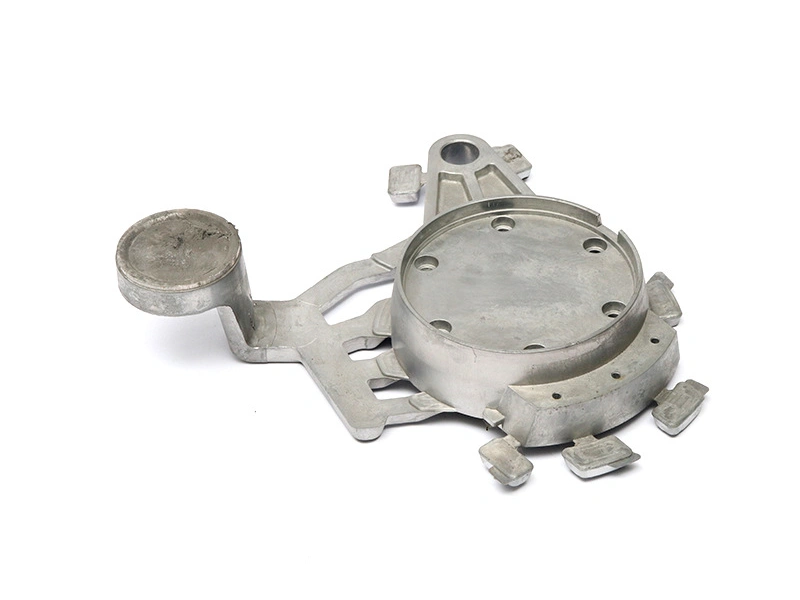
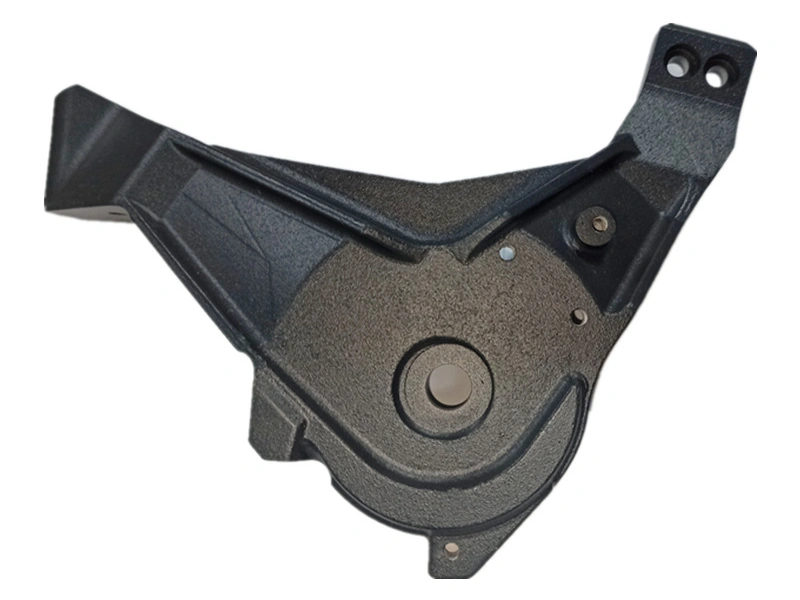
A trial run helps verify whether the low pressure die casting process is stable before the project moves into low-volume or mass production. It can reveal problems in forming, dimensions, internal defects, post-machining, surface finishing, packaging and inspection standards.
Trial runs should not only produce several sample parts. They should create data that can be transferred into repeatable production standards.
Transition Step | Buyer Should Confirm | Supplier Should Control |
|---|---|---|
Trial casting | Forming, dimensions and defect level. | Process adjustment and trial records. |
Material record | Alloy grade and batch information. | Material control and traceability. |
Tooling review | Mold condition and correction needs. | Maintenance and tooling correction records. |
Post-machining check | Hole position, flatness, fit and datum surfaces. | CNC process and inspection control. |
Finish approval | Appearance, coating and protection standard. | Approved finish sample and surface treatment control. |
Production release | Inspection, packaging and production records. | Repeatable process and batch control. |
2. What Should Be Locked After Trial Casting?
After trial casting, buyers should confirm material records, tooling status, casting parameters, sample dimensions, internal quality, CNC machining results, surface finish samples, inspection checklist and packaging method. If any adjustment is made during trial runs, the drawing, tooling record or inspection standard should be updated.
Neway can help buyers move from trial runs into low-volume low pressure casting before entering larger production.
3. How CNC, Surface Finishing and Packaging Support Production
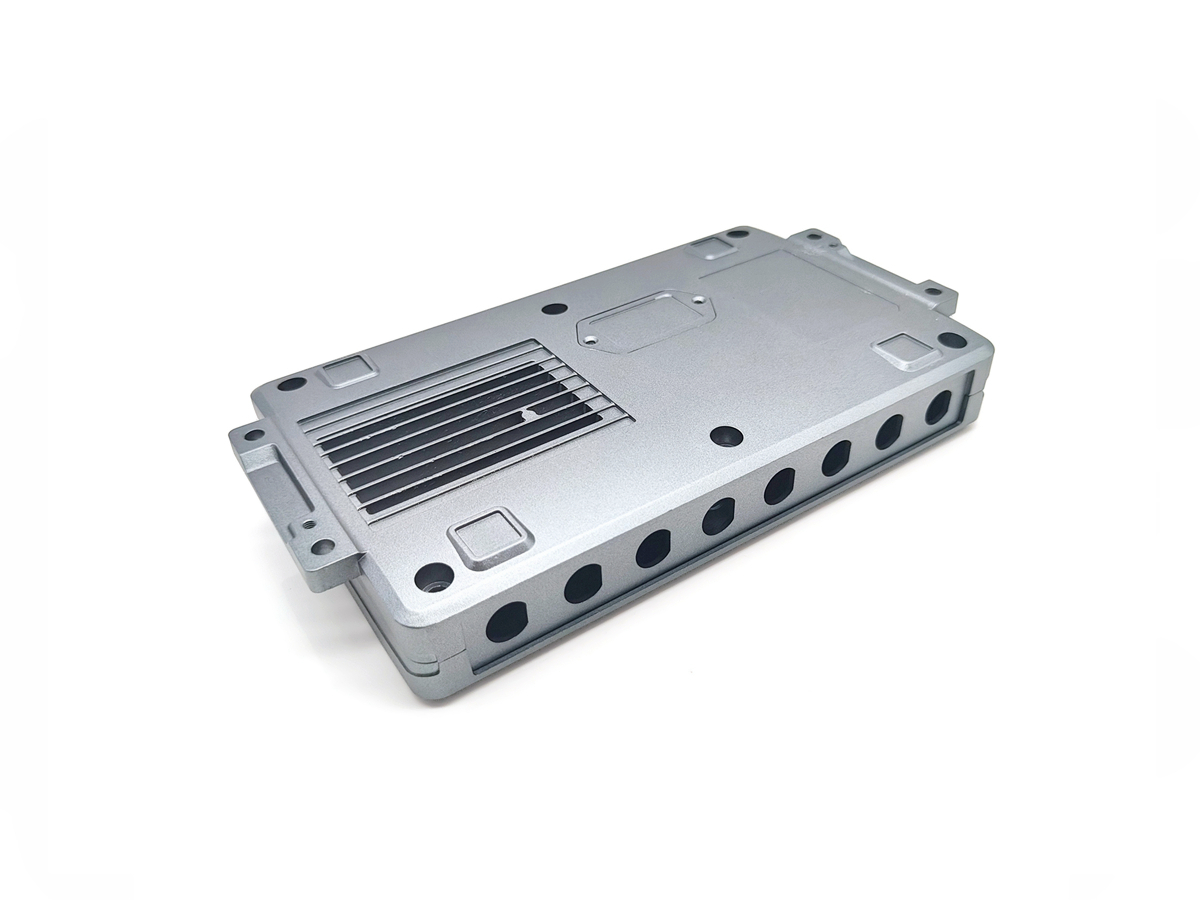
If the part has functional features, CNC machining for cast metal parts should be validated during trial runs. Hole positions, flat surfaces, datum areas and assembly interfaces should be checked before repeat production.
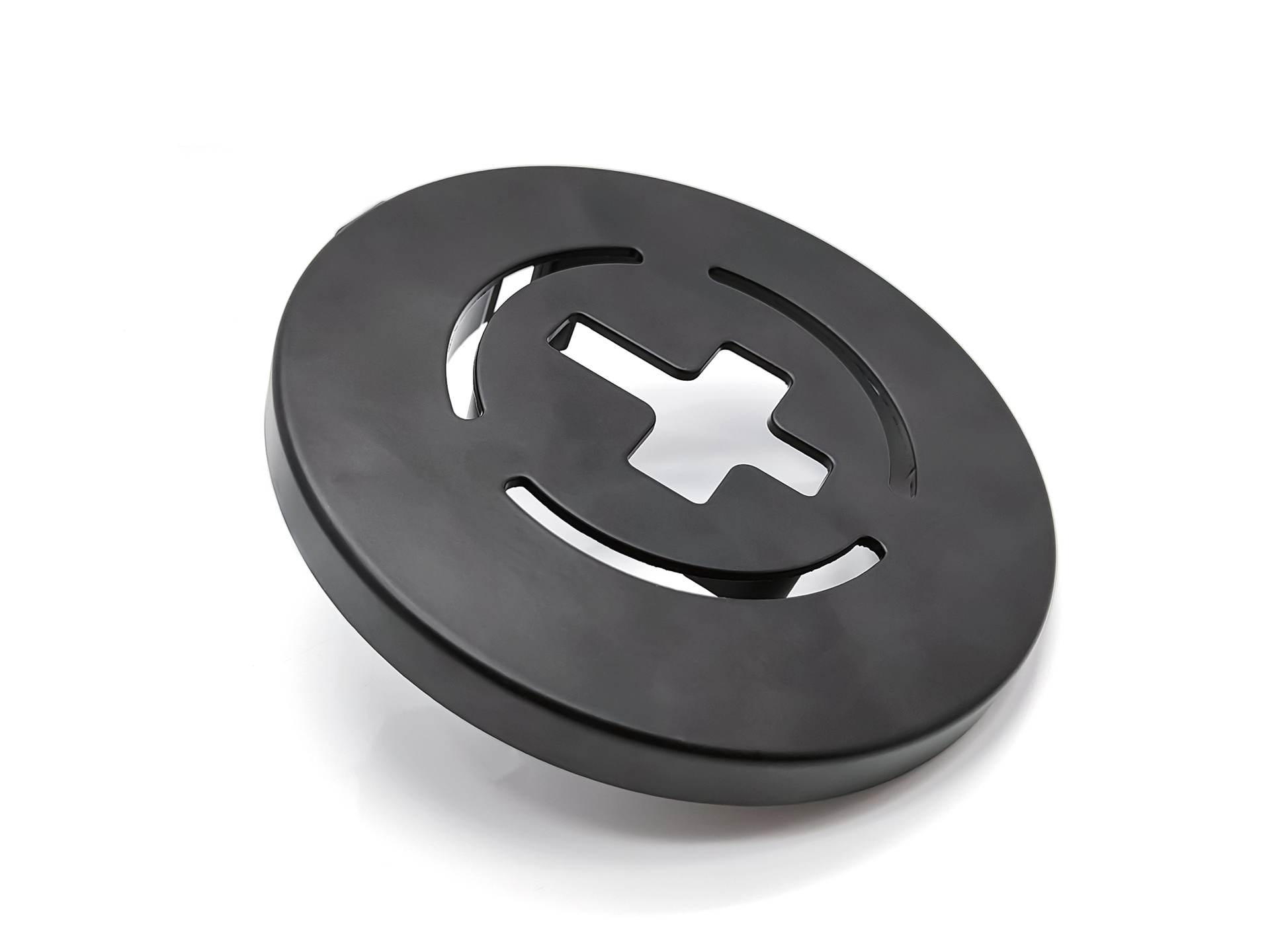
Surface finishing for casting parts should also be approved before production release. Finished parts may need coating, painting, surface protection or visual standards. If the parts are ready-to-use or cosmetic, secure packaging for finished castings should be confirmed before shipment.
Production Transfer Risk | Possible Result | Recommended Control |
|---|---|---|
Trial run passes but no production record exists. | Future batches may not repeat the same process. | Record material, tooling, casting parameters and inspection results. |
Sample and production inspection standards differ. | Mass production quality may not match approved samples. | Build a production inspection checklist from trial data. |
Post-machining process is not fixed. | Critical dimensions may drift during production. | Confirm CNC process, datum setup and inspection method. |
Surface finish sample is not approved. | Color, coating or appearance may vary by batch. | Approve finish samples and surface standards before release. |
Packaging standard is missing. | Finished castings may be scratched or damaged. | Confirm secure packaging before shipment. |
Production starts without process control. | Repeat order stability may be weak. | Use production release documents and batch traceability. |
4. How Neway Supports Trial Run to Production
Neway can help buyers convert low pressure die casting trial run results into production standards by controlling material, tooling, casting parameters, CNC machining, surface finishing, inspection, packaging and repeat production records. For larger projects, Neway can support mass production low pressure casting with stable quality and traceability.
Summary
Buyer Stage | Recommended Action |
|---|---|
Trial run | Validate forming, dimensions, internal quality, CNC needs and surface requirements. |
Before low-volume production | Confirm material records, tooling condition, process data and inspection checklist. |
Before mass production | Lock CNC, surface finish, packaging and repeat production standards. |
During repeat orders | Use batch records, quality control and traceability to maintain stability. |