When Should Buyers Choose Low Pressure Die Casting for Custom Metal Parts?
When Should Buyers Choose Low Pressure Die Casting for Custom Metal Parts?
Buyers should choose low pressure die casting when a custom metal part needs stable filling, good internal quality, controlled solidification, medium-to-higher structural reliability and a production route that can move from trial casting to repeat production. It is especially useful when buyers need a more controlled casting route than simple sand casting, but the final decision should still be based on part geometry, material, quantity and quality requirements.
1. Why Low Pressure Die Casting Should Be Selected by Part Requirements
Low pressure die casting should not be selected only because the keyword sounds suitable. Buyers should first review the part size, wall thickness, structural function, internal quality expectations, material requirements, machining areas and expected production volume. A part with structural or functional requirements may need a more controlled filling and solidification process than a basic prototype or rough casting route.
Neway can evaluate low pressure die casting projects through engineering support for casting projects so buyers can compare material, structure, process and production volume before committing to tooling.
Buyer Requirement | Why Low Pressure Die Casting May Fit |
|---|---|
Stable structural part | Controlled filling and solidification can support more reliable casting quality. |
Medium-size casting | Can balance mold investment, casting quality and repeat production stability. |
Better internal quality | Internal defects can be reviewed through process control and X-ray validation. |
Functional surfaces | Can be combined with CNC machining for holes, datum faces and assembly features. |
Low-to-medium production | Trial runs can verify whether the process is stable before larger production. |
Future repeat orders | Process, inspection and packaging standards can be built for long-term supply. |
2. Which Parts Are Often Suitable for Low Pressure Die Casting?
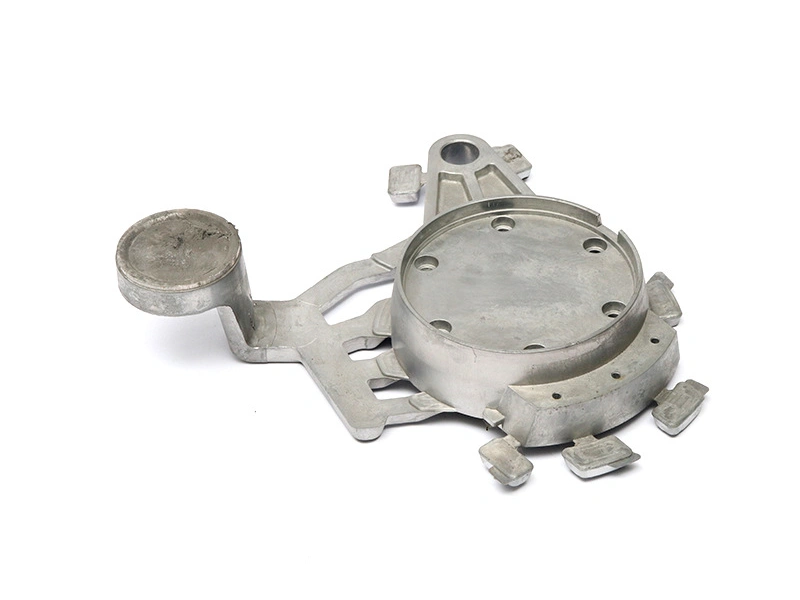
Low pressure die casting can be considered for custom metal parts with structural requirements, moderate size, thicker wall areas, controlled filling needs or internal quality concerns. It may be useful when buyers want better process control than sand casting for custom metal parts, while still needing a practical route for trial runs and future repeat production.
For aluminum-related applications, buyers may also compare this route with aluminum casting solutions depending on part geometry, wall thickness, cycle time, surface requirements and volume.
3. How Material, Volume and CNC Needs Affect the Decision
Material choice affects casting behavior, solidification, machining, surface finishing and final performance. Before choosing low pressure die casting, buyers should review casting material selection with the supplier. The selected alloy should match strength, weight, corrosion, thermal and production requirements.
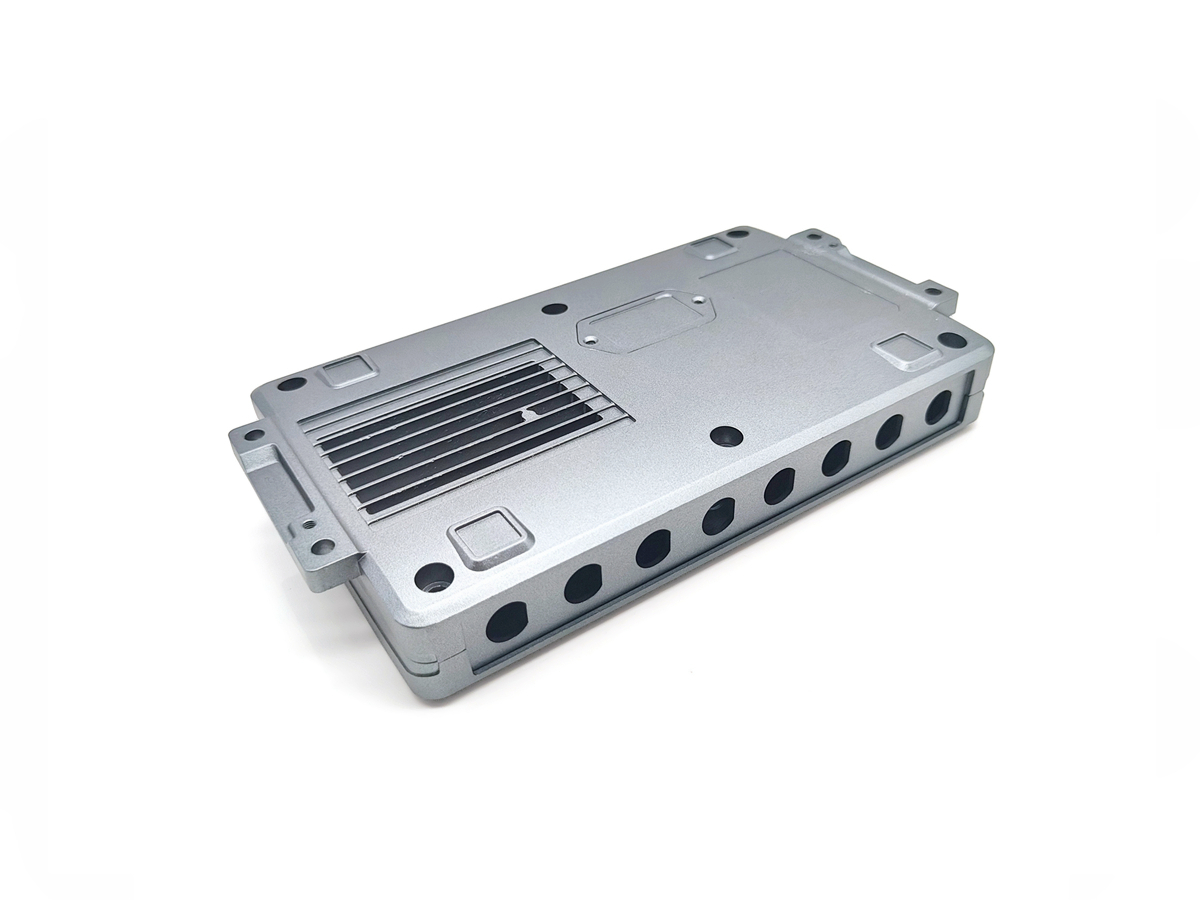
Functional areas may still require CNC machining for cast metal parts. Mounting faces, sealing surfaces, precision holes, datum areas and assembly interfaces should be reviewed before tooling so the casting has enough machining allowance.
Selection Risk | Possible Result | Better Control |
|---|---|---|
Choosing the process only by keyword. | The part may actually fit high pressure die casting, sand casting or CNC better. | Review material, geometry, wall thickness, volume and quality requirements first. |
Ignoring CNC machining needs. | Functional surfaces may not meet assembly or sealing requirements. | Mark machined areas and critical features before tooling. |
Only checking sample appearance. | Internal porosity or shrinkage risk may be missed. | Use internal quality checks when strength or sealing matters. |
No production volume review. | Tooling investment may not match order demand. | Confirm annual volume, trial run quantity and repeat order expectations. |
4. How Neway Helps Evaluate Low Pressure Die Casting Projects
If buyers are not sure whether a project fits low pressure die casting, Neway can review drawings, material choice, part structure, internal quality requirements, machining areas, surface finish and production quantity. This helps buyers choose a safer custom metal casting route before tooling and trial production.
Summary
Buyer Question | Recommended Decision |
|---|---|
When should low pressure die casting be considered? | When the part needs stable filling, controlled solidification, internal quality and repeat production potential. |
Is it suitable for every metal part? | No. The part must be reviewed based on material, geometry, wall thickness, volume and quality needs. |
Will CNC machining still be needed? | Yes, functional surfaces, holes, datum areas or sealing faces may still need CNC machining. |
How can Neway help? | Neway can evaluate material, structure, process, machining and quantity through Metal Casting project review. |