Low Volume Aluminum Casting for Custom Metal Parts
Low Volume Aluminum Casting for Custom Metal Parts
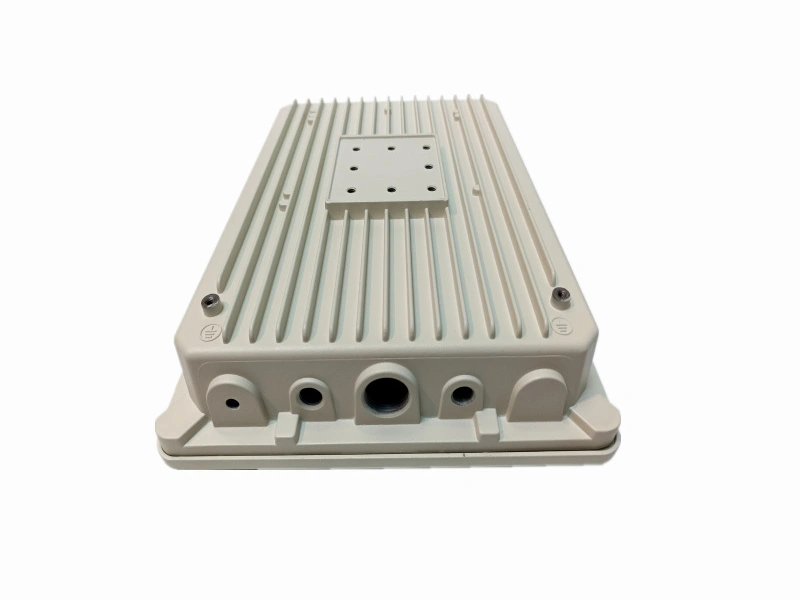
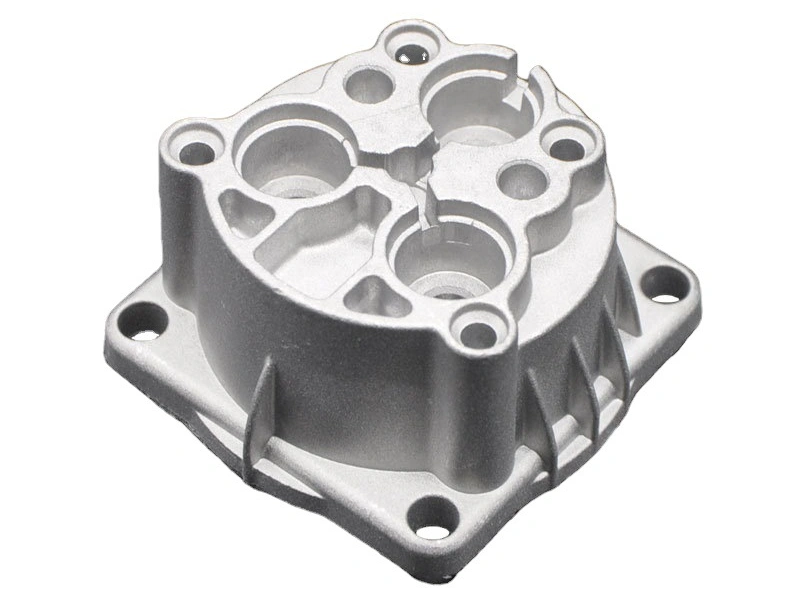
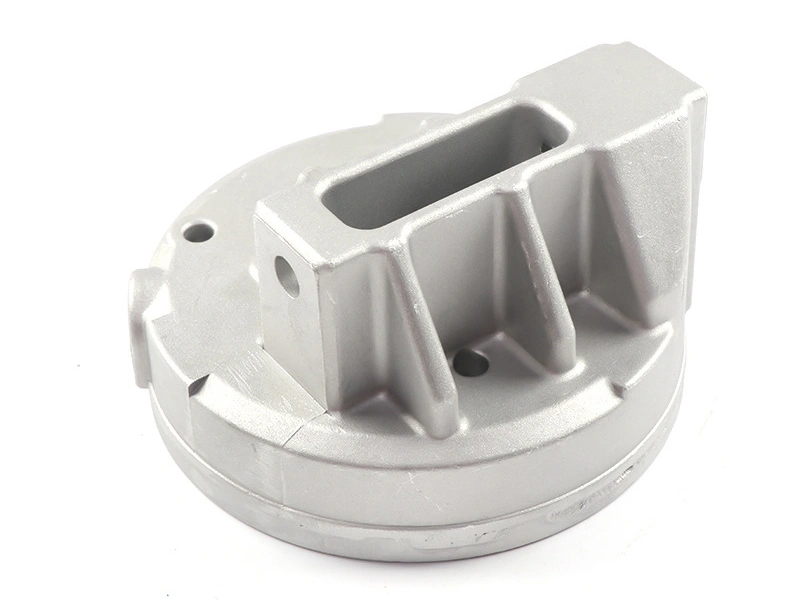
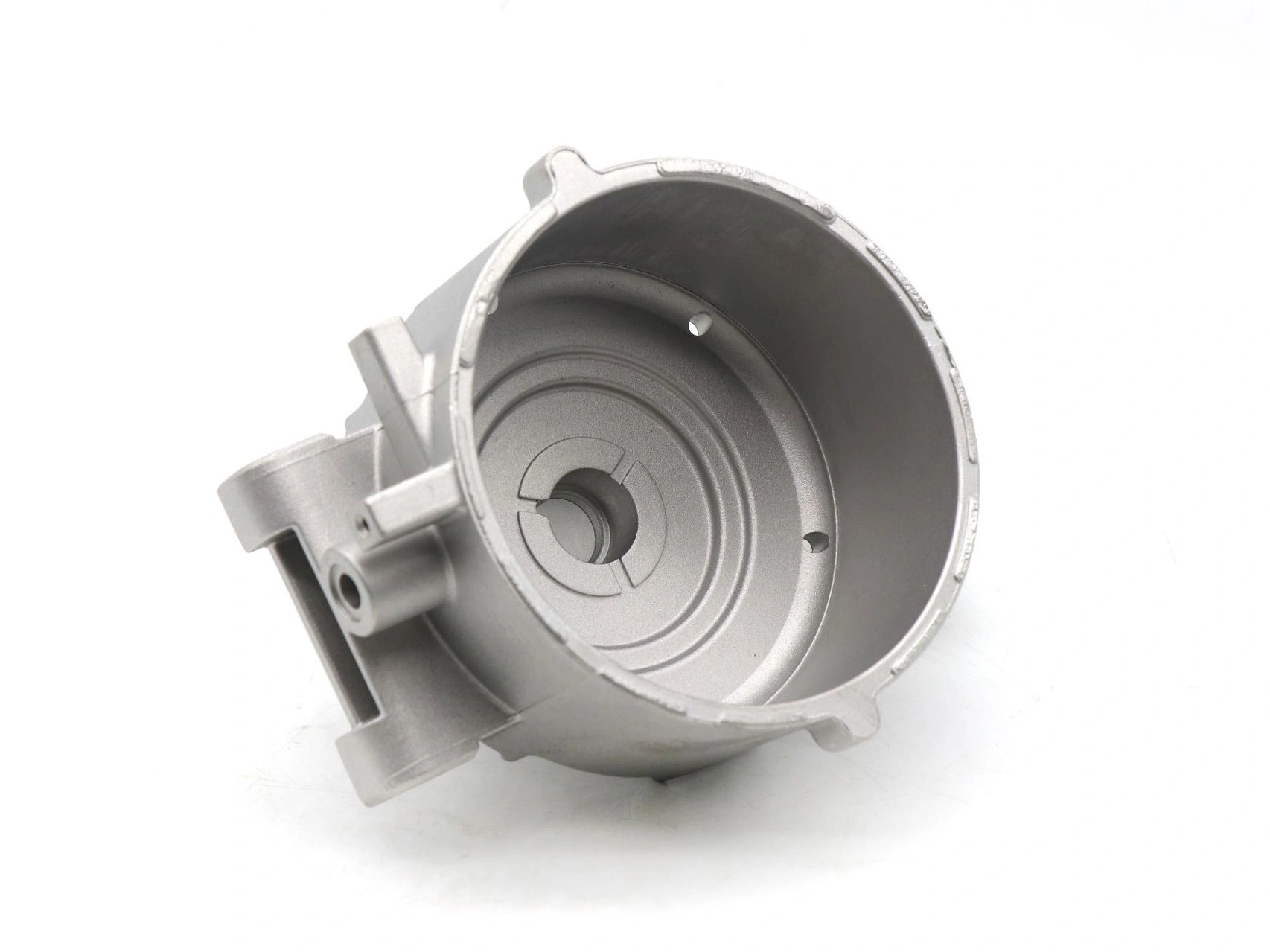
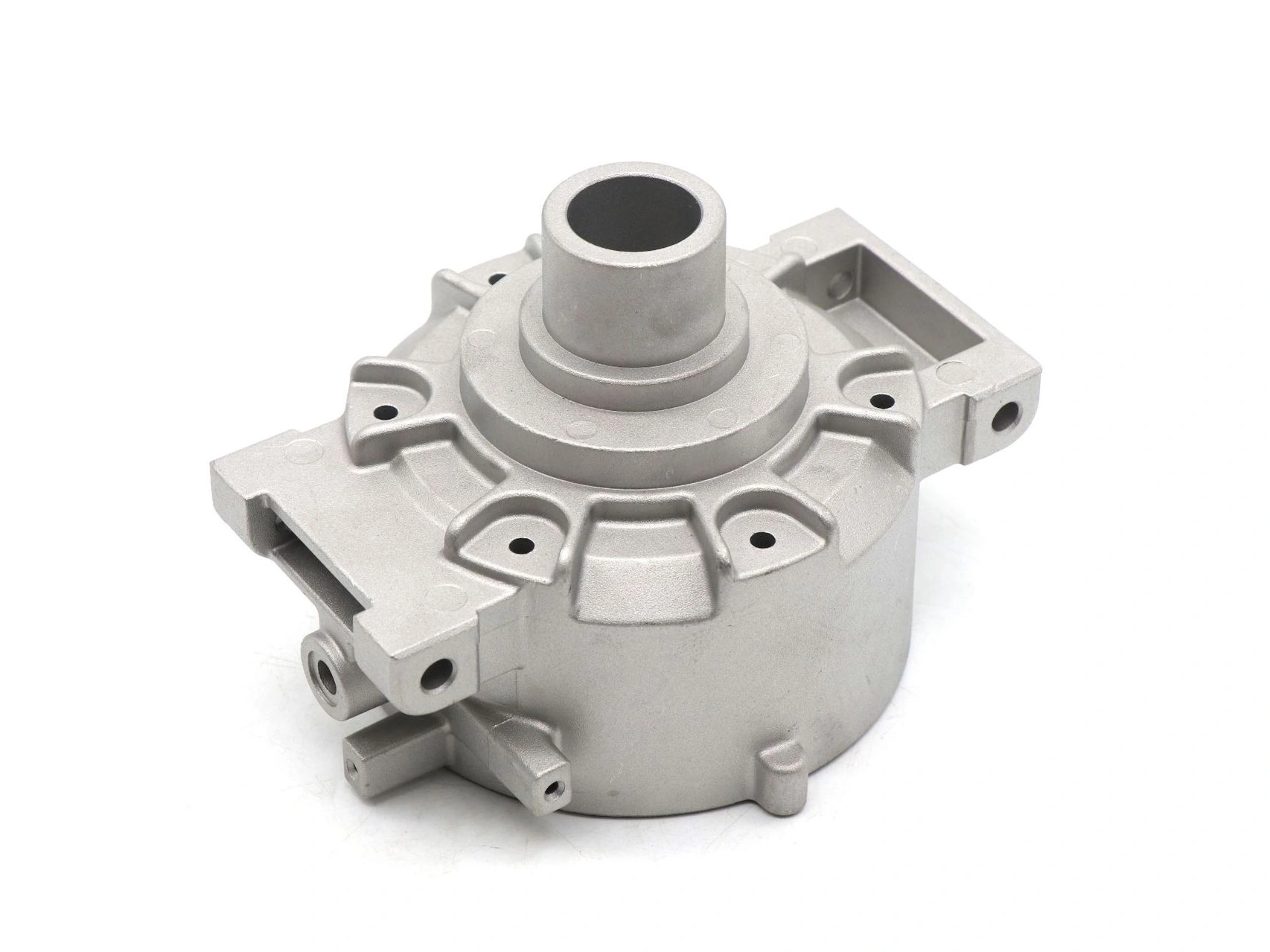
Low volume aluminum casting helps buyers move from a design concept or machined prototype toward real cast metal parts without committing too early to full production tooling. It is useful when the buyer needs aluminum housings, covers, brackets, heat sink bodies, pump components, motor parts, lighting bodies or industrial enclosures in pilot quantity, launch quantity or bridge production.
The key decision is not simply whether the quantity is small. Buyers need to know what the low-volume parts must prove. If the project only needs shape review, CNC machining may be enough. If the project needs cast surface behavior, machining allowance, porosity risk, coating response, assembly fit or customer trial parts made from a cast route, low volume aluminum casting becomes more valuable.
A good low-volume plan prevents two common mistakes. The first is using expensive full production tooling before the design, material and finish are stable. The second is relying on billet CNC prototypes when the project really needs evidence from casting. The best route sits between speed, cost, tooling investment and the evidence required before scale-up. For validation-stage projects, when aluminum die cast prototypes should move to low-volume production helps buyers connect prototype findings with the next low-volume or repeat order.
When Low Volume Aluminum Casting Is the Right Route
Low volume aluminum casting fits projects where buyers need cast aluminum evidence before full production. The design may be close to final but not ready for high-volume tooling. The buyer may need pilot parts for field testing, investor samples, customer approval, installation trials or early sales. The part may be too costly to fully machine from solid billet, especially when it has a hollow shape, ribs, bosses or large envelope.
It is also useful when the buyer needs to validate casting-related risks: draft, parting line, wall thickness, shrinkage, porosity, machining allowance, finish response and assembly fit. CNC machining can produce an accurate shape, but it does not prove how molten aluminum fills the part or how a cast surface behaves after coating.
Buyer Situation | Why Low Volume Aluminum Casting Helps | Decision Point |
|---|---|---|
Design close to final | Allows real cast parts before production tooling | Confirm whether geometry can still change |
Need pilot quantity | Supports customer trials or launch builds | Define quantity and repeat order expectation |
Large hollow part | Can reduce material waste versus machining from billet | Compare tooling cost with machining cost |
Need cast surface validation | Shows porosity, parting line and finish response | Approve finished samples, not raw shape only |
Future production expected | Creates data for tooling and process release | Record lessons for scale-up |
Low Volume Aluminum Casting vs CNC Machining
CNC machining is often faster for the first few pieces because it avoids tooling. It is excellent for precise prototypes, complex machined features and early design changes. However, CNC machining from billet may waste material and may not reflect the final casting process. If the future part will be aluminum cast, CNC prototypes can prove fit but may not prove casting risks.
Low volume aluminum casting requires more process planning, but it can provide stronger evidence for castability and production transfer. It can show whether wall thickness fills correctly, whether a core or insert area needs change, whether machining allowance is enough and whether the selected finish works on actual cast surfaces.
Route | Best For | Limit |
|---|---|---|
CNC machining | Fast shape, tight tolerance prototypes, early design changes | Does not prove casting behavior |
Sand casting | Larger aluminum parts, lower tooling investment, pilot validation | Surface and tolerance may need more machining |
Prototype die casting | Production-like features for smaller or complex parts | Tooling cost and lead time higher than CNC |
Bridge tooling | Limited launch quantity before full tooling | Must be planned around expected volume |
Production tooling | Stable design and repeat production | Risky if design or material is still changing |
Material Choices for Low Volume Aluminum Casting
Material choice depends on the casting method and part function. A380, ADC12 and related die casting alloys may be reviewed for aluminum die casting routes. A356-T6 is often reviewed for sand casting, gravity casting or permanent mold routes where heat treatment and structural properties matter. 356 or 319 aluminum casting directions may also appear in low-volume casting discussions depending on supplier capability and application.
Buyers should not force one alloy into every route. A design intended for high pressure die casting may not be suitable for A356-T6 sand casting without geometry review. A part that needs heat treatment may not fit a standard HPDC material route. The supplier should explain which material is realistic for the chosen low-volume process. If part function depends on alloy behavior, materials and alloys for low-volume manufacturing helps separate strength, castability, machining and finish concerns.
For practical RFQs, buyers should state the required property direction rather than only a material name when they are open to advice. Useful property notes include corrosion exposure, pressure tightness, load-bearing areas, thermal behavior, cosmetic finish, anodizing expectation and machined sealing surfaces.
Tooling Levels for Low Volume Aluminum Casting
Tooling level is one of the most important low-volume decisions. A simple pattern or prototype tool may answer early validation questions. Bridge tooling may support launch quantities while the market or design is still being confirmed. Full production tooling may be best once the design, material, volume and finish requirements are locked. If the project is not ready for full production, MOQ expectations for low-volume casting helps define what should be learned before scaling volume.
The wrong tooling level creates waste. A low-cost tool may not support the quantity or dimensional repeatability needed. Full tooling may be wasteful if the design changes after field testing. Buyers should discuss expected quantity, number of design revisions, future volume and quality requirements before choosing tooling.
Tooling Level | Typical Purpose | Buyer Should Confirm |
|---|---|---|
Prototype pattern or soft tool | Early castability and sample validation | How many design revisions are expected |
Bridge tooling | Launch quantity or limited production | Expected quantity and quality standard |
Production tooling | Repeat orders and stable output | Design freeze, annual volume and inspection plan |
Machining and Finishing After Low Volume Aluminum Casting
Low volume aluminum castings often need CNC machining after casting. Typical features include threaded holes, sealing faces, bearing seats, datum pads, flat mounting surfaces and tight clearance areas. The casting route should leave enough machining allowance where the finished part needs precision. Over-machining every surface increases cost, while under-planning critical surfaces can create scrap.
Surface finishing should be validated on actual cast samples. Painting, powder coating, bead blasting, polishing, anodizing review or protective coating may reveal pores, parting lines, flash cleanup or surface roughness that did not matter on raw samples. For cast aluminum parts with cosmetic faces, the sample approval should define visible zones, acceptable marks and packaging protection.
Neway can connect low-volume aluminum casting with CNC machining and post-process services so buyers approve the finished part condition, not only the rough casting.
Cost and Lead Time Planning for Low Volume Aluminum Casting
Low volume aluminum casting cost is shaped by tooling or pattern work, material, casting trials, CNC machining, finish, inspection and correction loops. A buyer may see a higher starting cost than CNC machining because casting needs a tool, pattern or setup. The piece cost may become more attractive when the part is large, hollow or needed in dozens or hundreds of pieces. That is why the buyer should compare total project cost for the target quantity, not only the first part price.
Lead time also has stages. A simple CNC sample may start quickly, while a low-volume casting route may require tool design, tool build, first trial, correction, second sample, machining, finishing and inspection. A realistic schedule should show when the first raw casting will be ready, when finished samples can be reviewed and when the pilot batch can start. For launch planning, this is more useful than a single optimistic delivery date.
Cost or Time Item | What Drives It | Buyer Control Point |
|---|---|---|
Tooling or pattern | Part size, complexity, cores, sliders and expected quantity | Choose prototype, bridge or production level |
Casting trial | Wall thickness, gating, shrinkage and defect correction | Approve trial plan and correction responsibility |
Machining | Threads, datums, bores, sealing faces and fixture setup | Mark critical machined features |
Finishing | Coating type, masking, cosmetic zones and rework risk | Approve finish sample before batch release |
Inspection | CMM, gauges, leak test, FAI or visual standard | Match report level to production risk |
Casting Defects to Review in Low Volume Aluminum Parts
Low-volume castings should be reviewed for the defects that affect the finished part. Porosity, shrinkage, cold shuts, flash, warpage, rough parting lines and surface pits do not all carry the same risk. A small pore inside a non-visible rib may be acceptable. A pore opened on a machined sealing face may reject the part. A parting line on a hidden edge may be acceptable, while the same line on a visible cover face may require tooling or finish changes. If the project is not ready for full production, low-volume manufacturing for custom casting solutions helps define what should be learned before scaling volume.
Buyers should define defect zones before approving samples. Functional zones include threads, sealing faces, bearing seats, flat mounting pads and datum surfaces. Cosmetic zones include visible exterior faces, customer touch points and finished covers. Non-critical zones include hidden ribs or internal surfaces that do not affect performance. This zoning helps the supplier apply effort where it changes part value.
For low volume aluminum casting, defect review is also a learning tool. If the pilot batch shows repeated cold shut near a rib, the design or gate plan may need change before production tooling. If powder coating exposes outgassing marks, pretreatment, bake-out or material route may need review. The point is to turn defects into specific corrective actions instead of vague sample rejection.
Inspection for Low Volume Aluminum Casting
Inspection should match the validation goal. For early samples, buyers may need dimensional reports, assembly fit checks, visual review and material confirmation. For pilot or bridge production, inspection may include CMM, thread gauges, plug gauges, coating thickness checks, leak tests or first article reports. The inspection plan should focus on the features that control function.
Low volume does not mean low discipline. Small batches often carry higher risk because the process is still learning. Buyers should record tooling changes, machining fixture decisions, finish samples and inspection criteria so repeat batches use the same standard.
Supplier Workflow for Low Volume Aluminum Casting
A strong supplier workflow starts with the buyer's 3D model, 2D drawing, material requirement, quantity and future volume. The supplier should review whether the part fits aluminum die casting, sand casting, gravity casting, CNC machining or a combined route. The review should identify wall thickness, draft, undercuts, core needs, machining allowance, visible faces, pressure or sealing areas and finish requirements.
After route selection, tooling or pattern work should be planned around the validation goal. Trial castings should be inspected before and after machining. Finish samples should be produced on real castings when surface quality matters. Inspection should focus on critical features, not every dimension with equal effort. Finally, the low-volume batch should create records that can support the next order: material, tool change, machining fixture, finish standard, inspection report and packaging method.
This workflow turns low volume aluminum casting into a bridge between prototype and production. Without the workflow, a buyer may receive usable parts but lose the lessons needed for scale-up. With the workflow, each low-volume order improves the next manufacturing decision. Where geometry or tooling risk is involved, aluminum die cast prototypes for validation and low-volume production helps buyers catch manufacturability issues before mold changes become expensive.
Short Example: Bridge Casting for an Aluminum Electronics Housing
A buyer needed 120 aluminum electronics housings for a field launch. CNC machining from billet could meet the first samples, but the unit cost was high and the future product would require casting. The part had thin ribs, mounting bosses, a machined gasket face and a black powder coated exterior. Full production tooling was risky because the field trial might change cable openings and mounting points.
The project used a low-volume aluminum casting route with bridge tooling, local CNC machining and powder coating samples. The pilot batch exposed one rib that needed additional draft and one gasket face that required extra machining allowance. After correction, the buyer used the launch parts for field validation and carried the lessons into the production tooling plan.
What to Include in a Low Volume Aluminum Casting RFQ
A low volume aluminum casting RFQ should include CAD files, 2D drawings, target quantity, future volume, preferred material, application environment, critical dimensions, machined features, finish requirement, inspection needs, expected design stability and launch timing. The supplier needs these details to recommend CNC, sand casting, prototype die casting, bridge tooling or production tooling.
RFQ Item | Why It Matters |
|---|---|
Low-volume quantity | Separates prototype, pilot batch and bridge production needs |
Future volume | Guides whether bridge or production tooling is appropriate |
Material direction | Connects A380, ADC12, A356-T6 or other choices to the process |
Machining areas | Defines holes, faces, datums and tolerance-critical features |
Finish standard | Controls coating, visible defects, masking and packaging |
Validation goal | Shows whether parts are for customer review, field trial or production release |
Neway can support low volume aluminum casting projects by reviewing material, casting route, tooling level, CNC machining, surface finishing, inspection and production transfer together. This helps buyers use low-volume parts as reliable manufacturing evidence before committing to full production. For validation-stage projects, low-volume manufacturing support helps buyers connect prototype findings with the next low-volume or repeat order.
How Low Volume Results Transfer to Full Production
The value of low volume aluminum casting increases when the results are transferred into full production planning. If the low-volume route proves that a machined gasket face needs extra stock, production tooling should include that allowance. If the pilot batch shows that a visible powder coated face needs a different parting line or cleanup method, the production tool should protect that surface. If a threaded boss needs a stronger datum strategy, the production fixture should use the approved reference.
Buyers should ask for a production transfer summary after the low-volume batch. The summary should list approved material, tooling notes, drawing revisions, machining fixture, finish sample, inspection method, packaging method and remaining open issues. This prevents the production team from repeating old trials and helps purchasing understand which assumptions are locked.
Low volume aluminum casting is most powerful when it is not treated as an isolated sample order. It should create evidence for future production decisions, supplier qualification and cost planning.
Buyers should also decide which findings must be closed before the next order. Material and geometry may be approved, while coating color or packaging may still need adjustment. A clear release note lets the next batch proceed with controlled changes instead of restarting the entire approval cycle. This is how low-volume casting protects launch timing without hiding manufacturing risk.
That release note should name the approved drawing revision, accepted material, sample date and the inspection method used for critical features.
It should also identify who approved the finished sample, so engineering, purchasing and quality use the same baseline during repeat orders.
FAQ