What Tooling Options Fit Low Volume Aluminum Castings?
What Tooling Options Fit Low Volume Aluminum Castings?
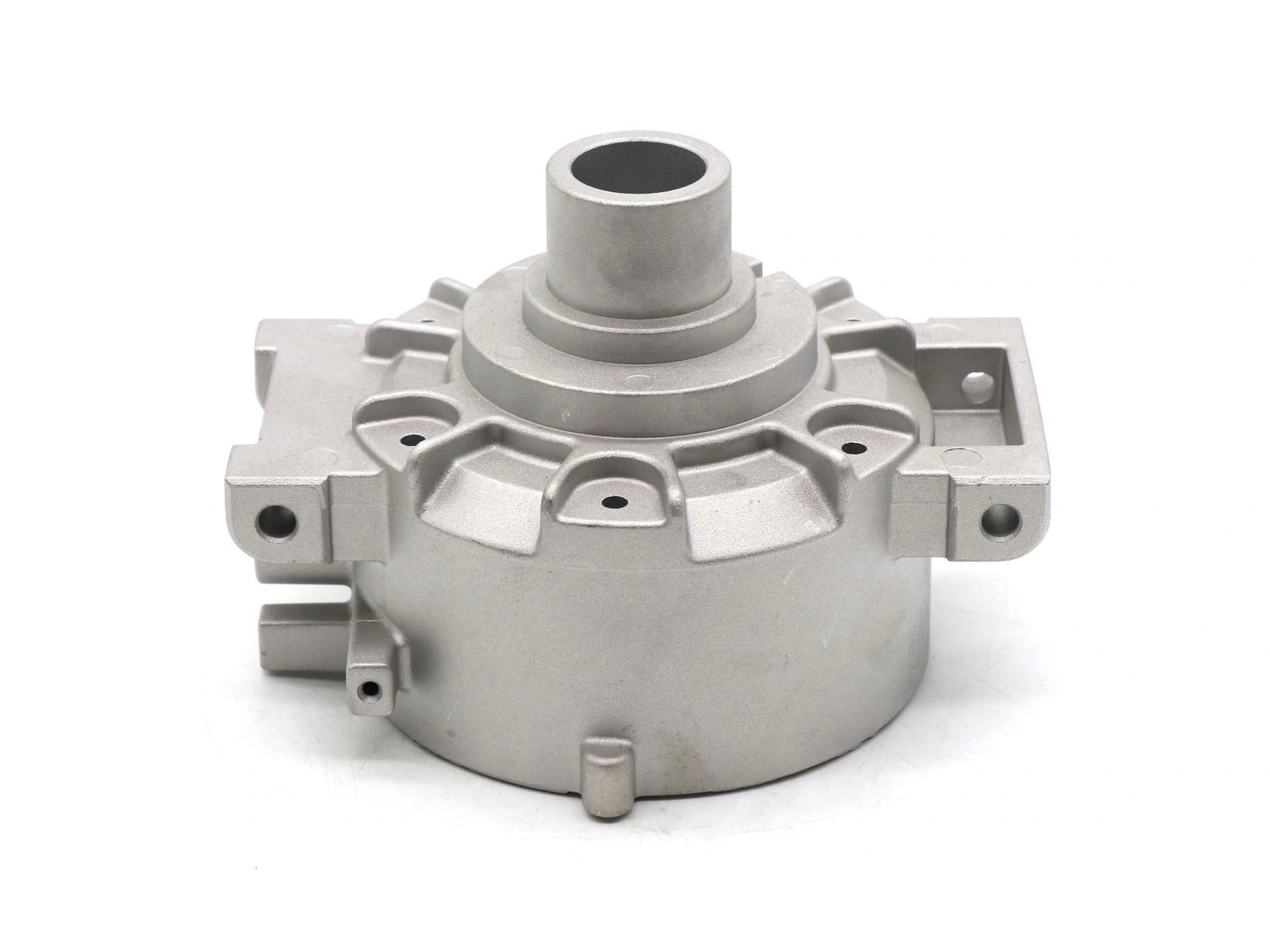
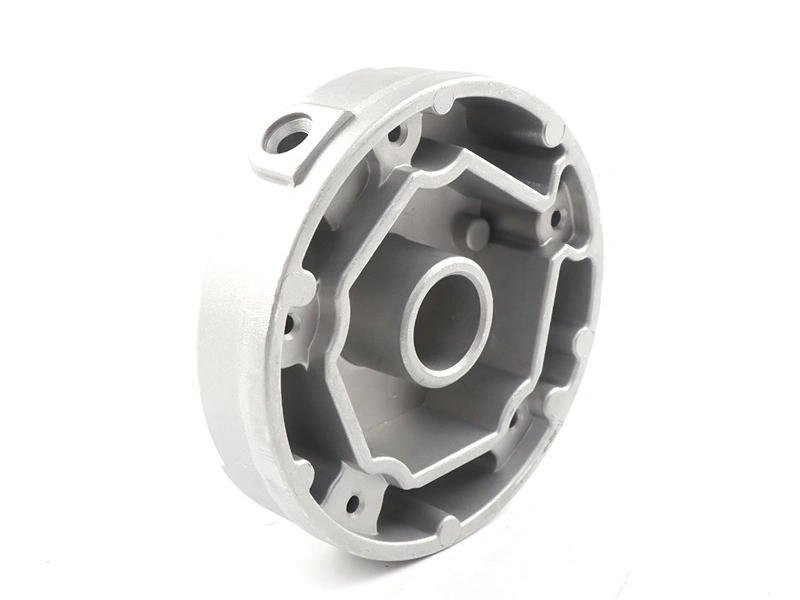
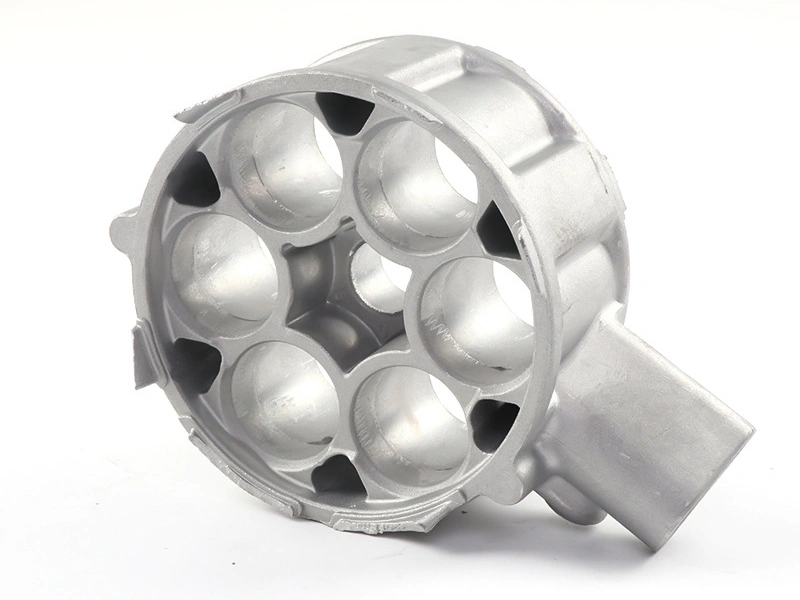
Tooling options for low volume aluminum castings include prototype patterns, soft tooling, bridge tooling and full production tooling. The right choice depends on quantity, design stability, material, part size, tolerance, surface finish and the kind of evidence the buyer needs. A project that needs ten trial housings should not use the same tooling logic as a project that needs 2,000 launch parts.
Tooling should be selected after the buyer defines the project stage. Early validation needs speed and flexibility. Bridge production needs enough repeatability for limited orders. Full production tooling needs durability, stable cycle control and long-term quality. Choosing too little tooling can cause unstable quality; choosing too much can waste budget before the product is proven.
For aluminum die casting-related projects, the tooling discussion should also include parting line, gate position, ejector marks, machining allowance, cosmetic surfaces and future production transfer. For sand or gravity casting routes, patterns, cores and machining stock become more important.
For tooling decisions, buyers can compare die cast tooling from prototype to mass production and when aluminum die cast prototypes should move to low-volume production.
Tooling Level Table
Tooling Option | Best Use | Buyer Risk |
|---|---|---|
Prototype pattern | Early aluminum casting samples | Limited repeatability and surface control |
Soft tooling | Short-run validation and design learning | May not represent full production tool life |
Bridge tooling | Launch quantity before production tooling | Needs clear quantity and quality expectation |
Production tooling | Stable design and repeat orders | Expensive changes if design is not frozen |
Prototype Tooling
Prototype tooling is useful when the buyer needs real cast aluminum samples but expects some design changes. It can answer questions about wall thickness, ribs, bosses, shrinkage, machining stock and finish response. It may not deliver the same repeatability or cost structure as production tooling, so the buyer should treat it as a learning stage.
Prototype tooling should still be planned with the future route in mind. If the sample reveals that a parting line, core or machining allowance needs change, the lesson should be carried into the next tool design.
Bridge Tooling
Bridge tooling fits projects that need limited production before the final production tool is justified. It can support early orders, field trials or market launch while the buyer confirms demand. It should be more controlled than a rough prototype tool because the parts may go to customers.
The buyer should state expected quantity, inspection requirements and future tooling plan. Bridge tooling can be efficient when everyone understands its purpose. It becomes risky when it is expected to behave like full production tooling without the same investment.
Production Tooling
Production tooling is appropriate when the design is stable, material is approved, volume is clear and the buyer needs repeat orders. It should be based on lessons from prototype or bridge stages when those stages were used. Production tooling should lock gate, vent, cooling, parting line, machining allowance and cosmetic surface controls.
Neway can help buyers compare tooling levels for low volume aluminum casting and tool and die making. The goal is to invest in enough tooling to answer the current stage without paying too early for features the project may not need.
Questions Before Choosing Tooling
Before choosing tooling, buyers should ask how many parts are needed, whether the design may change, which dimensions are critical, which surfaces are cosmetic, what material is planned, whether machining follows casting and whether the parts are for internal tests or customer delivery. These answers shape the tooling level.
The tooling quote should explain what is included: tool design, trial samples, corrections, sample inspection and expected tool use. Without this scope, buyers may compare tooling prices that represent very different levels of capability.
Tooling Records That Should Transfer Forward
Low-volume tooling should produce records that help the next stage. Useful records include gate or pattern notes, parting line location, core or insert decisions, machining allowance, sample correction history and approved cosmetic surfaces. If the low-volume tool reveals a problem, that lesson should be written into the production tooling plan.
For example, if a bridge tool shows flash near a gasket face, production tooling should address that edge instead of repeating the same split line. If a soft tool shows that a rib needs draft or radius adjustment, the drawing should be updated before the production tool is released. Tooling records turn low-volume spending into production learning.
How Tooling Level Affects Quote Comparison
Tooling quotes can vary widely because suppliers may quote different tool lives, correction scopes, trial samples and inspection levels. A cheap prototype tool may be acceptable for a few samples. It may be a poor choice for customer launch parts that need repeatable dimensions and appearance. Buyers should compare what the tool is meant to support, not the tooling price alone.
The approval record should state whether the tool is temporary, bridge-level or intended for repeat production. That label keeps purchasing from reordering beyond the tool's intended capability without another review.
Traceability protects both cost and quality.