How Should Buyers Validate Low Volume Aluminum Cast Parts Before Scaling?
How Should Buyers Validate Low Volume Aluminum Cast Parts Before Scaling?
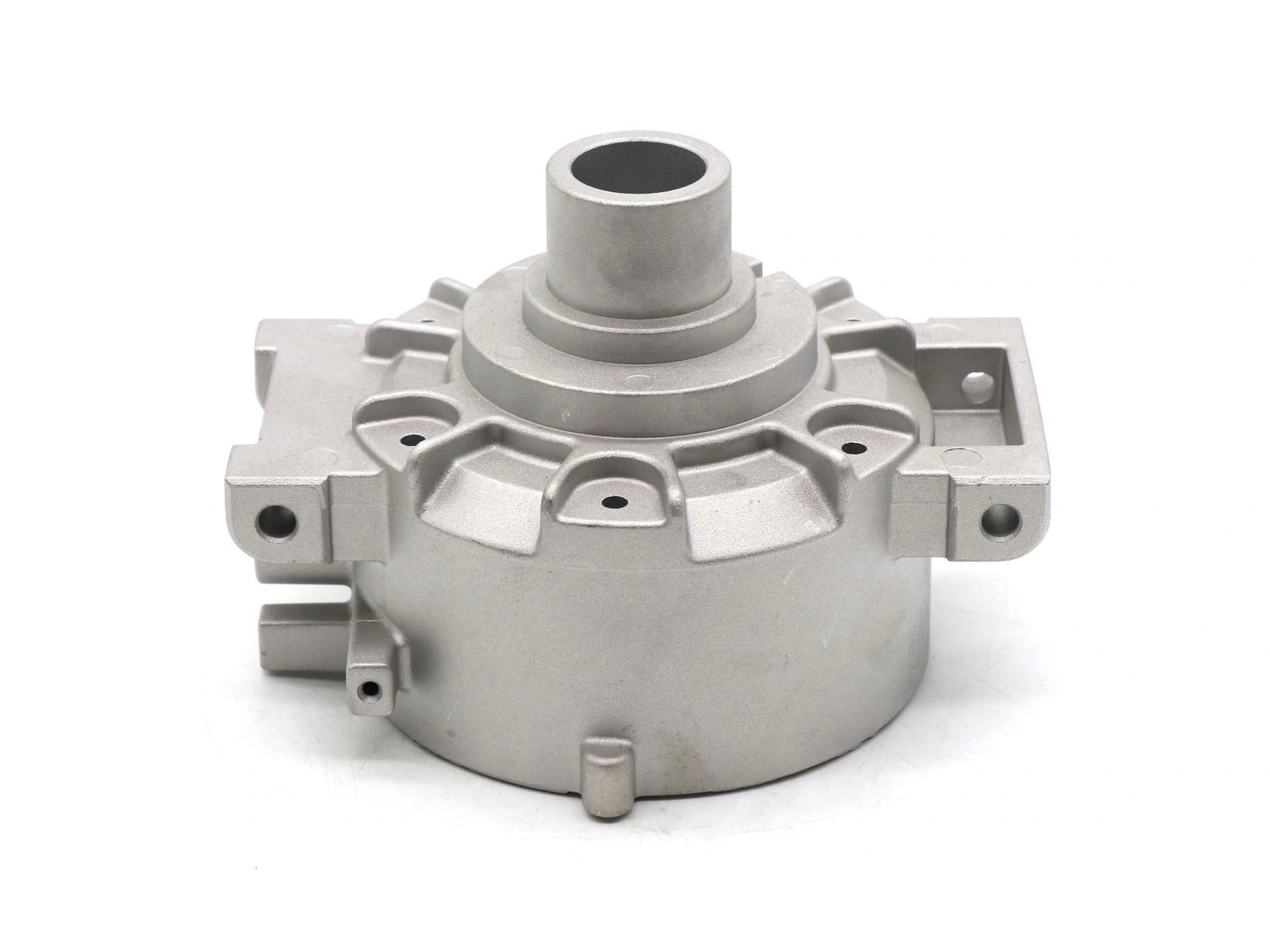
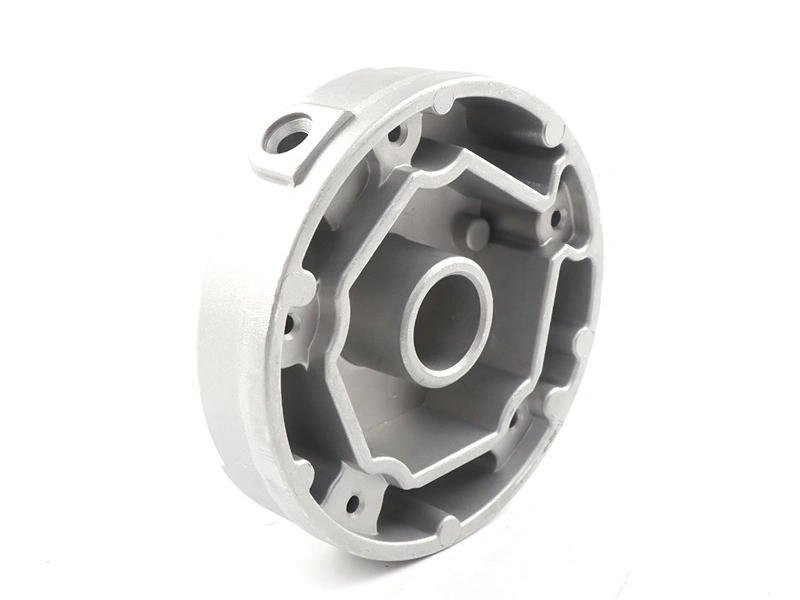
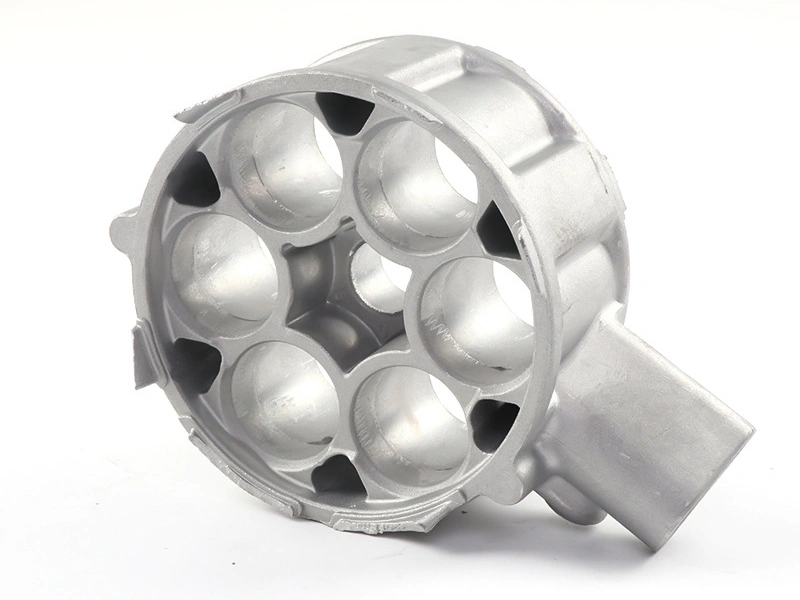
Buyers should validate low volume aluminum cast parts before scaling by checking material, casting quality, critical dimensions, machining results, surface finish, assembly fit, inspection reports, packaging protection and open issues. The goal is to decide whether the low-volume process is ready for repeat production or whether the design, tooling, machining fixture or finish route needs correction.
Low-volume parts often sit between prototype and production. They may be good enough for customer trials but not yet stable enough for long-term supply. Buyers should separate sample approval from production release. A part that proves customer fit may still need tool correction, added machining allowance or a tighter finish standard before scaling.
Validation should include multiple parts when repeatability matters. One good sample can be hand-selected. A pilot batch shows whether the process can make acceptable parts under repeated conditions.
For scale-up validation, buyers can review batch quality validation before long-term cooperation and moving custom aluminum die cast parts from samples to repeat production.
Scale-Up Validation Table
Validation Item | What to Check | Scale-Up Decision |
|---|---|---|
Material | A380, ADC12, A356-T6 or approved material record | Lock alloy or revise material direction |
Cast quality | Fill, porosity, shrinkage, flash and parting line | Adjust tooling or casting parameters |
Machined features | Threads, sealing faces, bores and datum pads | Approve fixture and machining allowance |
Surface finish | Coating, color, pores, masking and visible zones | Approve finish sample or correct process |
Assembly fit | Mating parts, fasteners and functional clearance | Approve geometry or revise drawing |
Inspection records | FAI, CMM, gauges or leak test where needed | Release or hold scaling decision |
Machining Validation
Machining validation should confirm that the casting leaves enough stock for critical features. Sealing faces, threaded holes, bearing seats and mounting surfaces should be checked after machining, not only on raw castings. If machining exposes porosity or leaves insufficient material, the tooling or design may need correction before scaling.
Fixtures should also be reviewed. A low-volume batch may pass with careful manual setup, but production needs repeatable datums. Buyers should ask which surfaces are used for location and inspection.
Finish Validation
Finish validation should use actual low-volume cast parts. Powder coating, painting, polishing or anodizing review can reveal pores, scratches, parting line marks and masking problems. Buyers should approve visible surface zones, hidden surface standards and acceptable defect limits.
If parts will ship to customers, packaging should also be validated. Coated aluminum parts can be damaged by poor separation, hard contact or rough handling. Packaging is part of finished-part quality for low-volume launch parts.
Open Issue Management
Open issues should be recorded before scaling. A buyer may accept a cosmetic mark for a field trial but reject it for production. A low-volume batch may use manual deburring that needs a more stable method later. Recording these details prevents unclear approvals.
Neway can help buyers turn low-volume aluminum casting validation into a production release plan using material records, tooling notes, machining reports, finish samples and inspection checklists. This makes the scale-up decision evidence-based.
Pilot Batch Variation Review
Variation review is important because one approved sample does not prove a stable process. Buyers should compare several parts from the low-volume batch for wall condition, machined dimensions, thread fit, coating appearance and assembly behavior. If the first and last parts in the batch differ, the supplier should explain the source of variation.
The review should separate random cosmetic variation from functional drift. Slight hidden surface texture may be acceptable. Thread position drift, sealing face porosity or inconsistent coating buildup near holes may block scale-up. This distinction keeps the approval process focused on product risk.
Approval Gate Before Production
Before scaling, buyers should confirm the latest drawing revision, approved material, tooling changes, machining fixture, finish sample, inspection level and packaging method. If any item is still changing, the project may need another pilot batch before full production.
This gate protects both engineering and purchasing. Engineering knows which risks are closed, and purchasing can place repeat orders without reopening every technical decision.
If any gate item fails, the buyer should decide whether another low-volume run is needed or whether the issue can be corrected directly in production tooling. That decision should be based on evidence from the failed feature, not on schedule pressure alone.
Records to Carry Into Repeat Orders
When the low-volume batch is approved, buyers should keep the material record, drawing revision, tool correction notes, machining fixture notes, finish sample, inspection report and packaging method. These records become the baseline for repeat orders. If a later order uses a different finish, machining sequence or inspection method, the change should be reviewed before shipment.
This record discipline is especially important when low-volume parts are used as bridge supply. The parts may already be going to customers, so small changes in coating, burr level, thread fit or packaging can create field complaints.
The release record should make those customer-facing details easy to repeat.
Repeatability is the real scale-up test.
Document it.