How Can Buyers Move Custom Aluminum Die Cast Parts From Samples to Repeat Production?
How Can Buyers Move Custom Aluminum Die Cast Parts From Samples to Repeat Production?
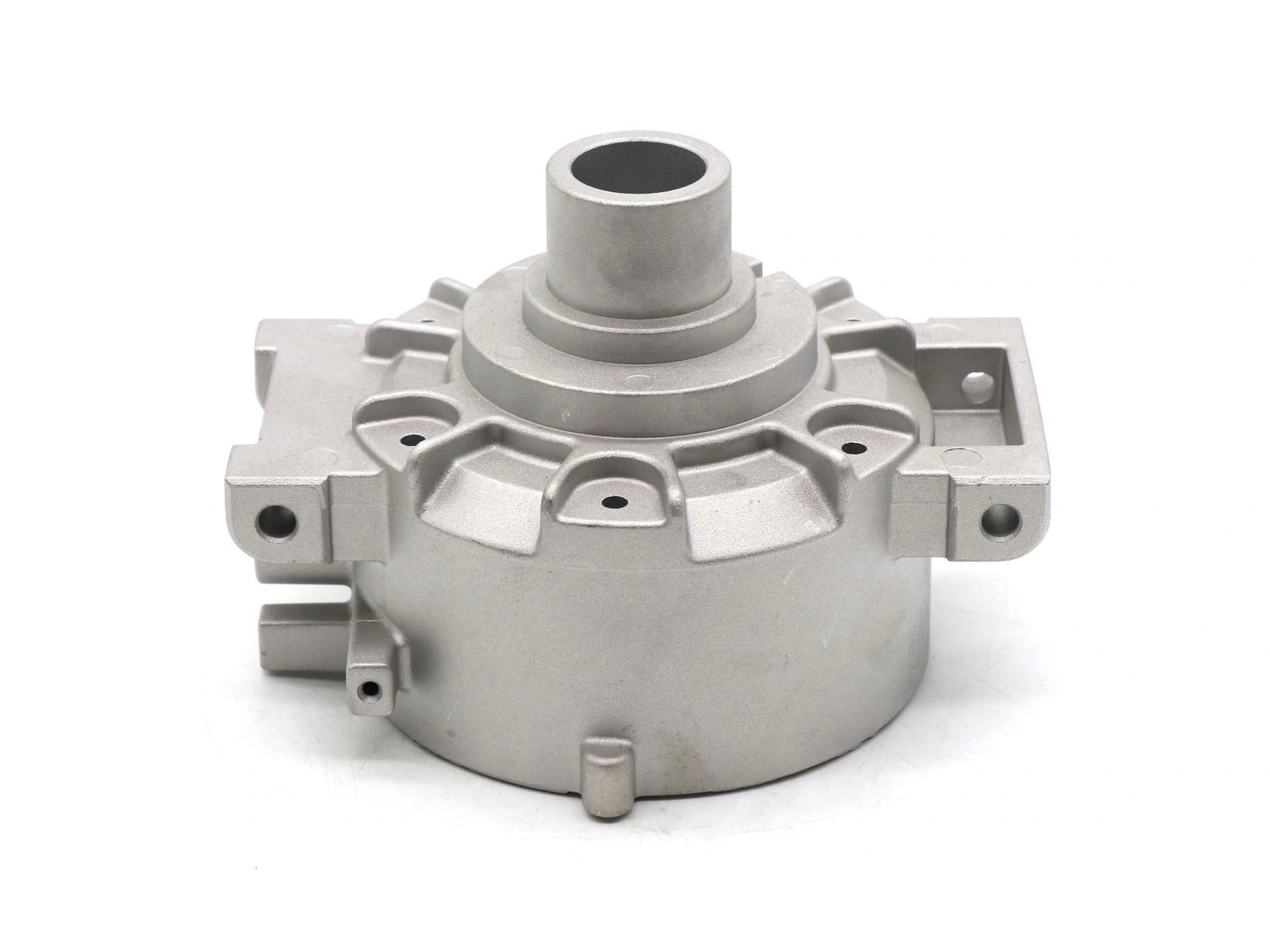
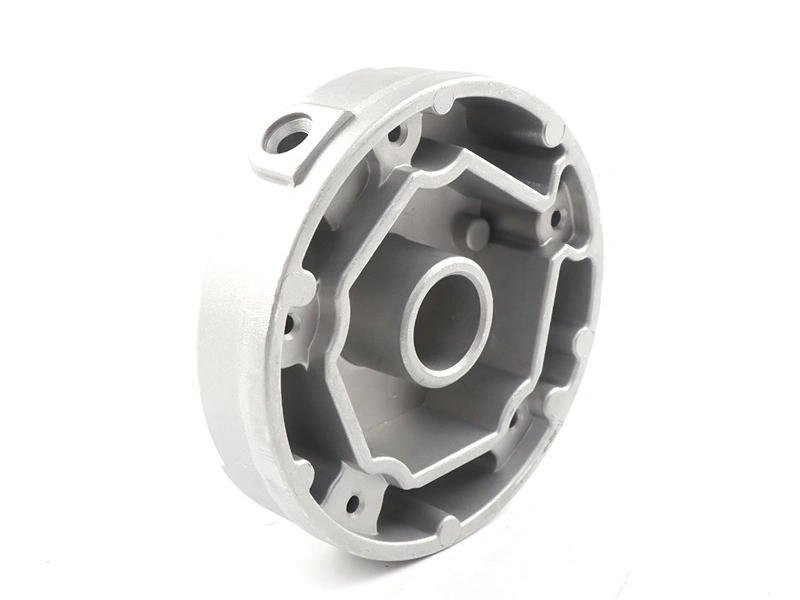
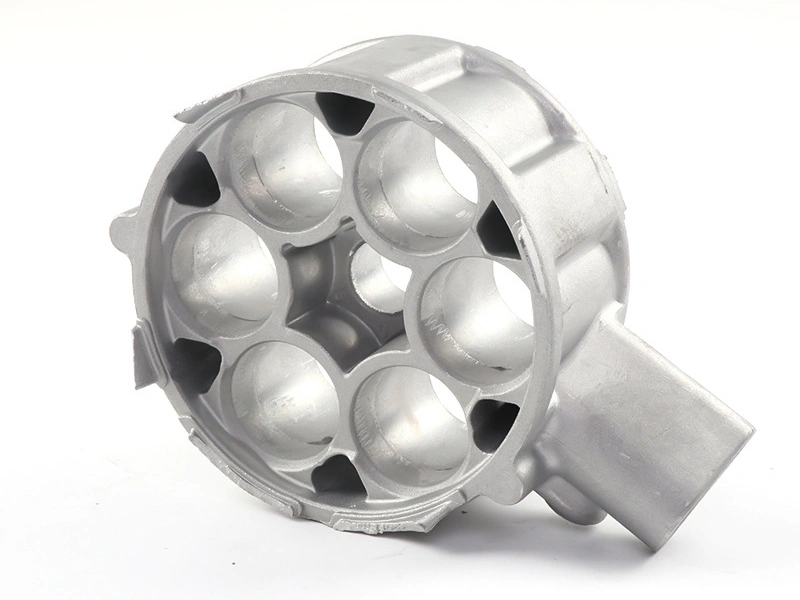
Buyers can move custom aluminum die cast parts from samples to repeat production by approving trial samples, checking critical dimensions, validating machined features, confirming surface finish quality, testing assembly fit, reviewing inspection reports and using small batch production to confirm repeatability.
This FAQ is useful for buyers who have completed trial samples and are preparing to release repeat orders. In custom aluminum die casting, the sample stage is only the first step. The real question is whether sample quality can be copied consistently in future production orders.
1. Confirm Trial Sample Quality Before Repeat Orders
Trial Sample Check | What Buyers Should Confirm | Repeat Production Risk Reduced |
|---|---|---|
Critical dimensions | Dimensions that affect assembly, sealing, fastening and function | Batch dimensional rejection |
Assembly fit | Fit with mating parts, screws, seals, housings or brackets | Repeat assembly failure |
Threaded holes | Thread gauge result, depth, burr control and fastening performance | Fastening failure and rework |
Sealing faces | Flatness, roughness, porosity exposure and contact quality | Leakage and functional rejection |
2. Validate Machining, Surface Finish and Packaging
Buyers should validate CNC machining inspection, surface finish quality and packaging protection before releasing repeat production. A raw casting sample alone is not enough if the final part requires machining, coating or cosmetic appearance.
Validation Area | What Buyers Should Check | Buyer Benefit |
|---|---|---|
CNC machined features | Machined holes, flatness-controlled surfaces, datums and sealing faces | Confirms functional repeatability |
Burr and flash level | Edges, gates, parting lines, holes and machined areas | Improves assembly and handling quality |
Cosmetic surface quality | Visible marks, scratches, pores, dents, flow marks and surface consistency | Reduces appearance rejection |
Coating or painting result | Color, gloss, adhesion, thickness, masking and coverage | Reduces finishing disputes |
Packaging protection | Scratch prevention, separation, anti-rubbing and shipping protection | Prevents damage after final inspection |
3. Use Small Batch Validation Before Larger Production
Suppliers should use small batch validation to verify whether tooling, casting process, CNC machining, surface finishing and inspection can copy the approved sample quality. If problems appear in the small batch, the process should be adjusted before larger production orders.
Small Batch Check | What It Confirms | Commercial Value |
|---|---|---|
Dimensional repeatability | Whether multiple parts maintain the same key dimensions | Reduces repeat order quality disputes |
Machining consistency | Whether holes, threads, sealing faces and datums remain stable | Improves assembly reliability |
Surface finish consistency | Whether coating, painting, polishing and cosmetic surfaces remain consistent | Reduces appearance variation |
Inspection report format | Whether reports clearly show dimensions, machining and surface results | Improves approval traceability |
4. Coordinate Repeat Production Across Related Processes
A supplier should connect tool and die making, die casting, CNC machining, surface finishing, inspection and packaging before repeat production. A broader custom metal casting production review can also compare zinc die casting batch consistency and copper die casting quality control when future material routes are considered.
5. Summary
From Samples to Repeat Production | Main Purpose |
|---|---|
Critical dimensions, assembly fit and machined features | Confirm functional readiness before repeat orders |
Surface finish, cosmetic quality and packaging | Reduce appearance disputes and delivery damage |
Inspection reports and small batch consistency | Verify that sample quality can be repeated |
Supplier feedback and process adjustment | Reduce long-term procurement and quality risk |
In summary, buyers can move custom aluminum die cast parts from samples to repeat production by validating dimensions, machining, surface finish, packaging and small batch repeatability. Buyers should choose suppliers that support trial samples, pilot runs, batch inspection and long-term production feedback.