When Is Low Volume Aluminum Casting the Right Choice?
When Is Low Volume Aluminum Casting the Right Choice?
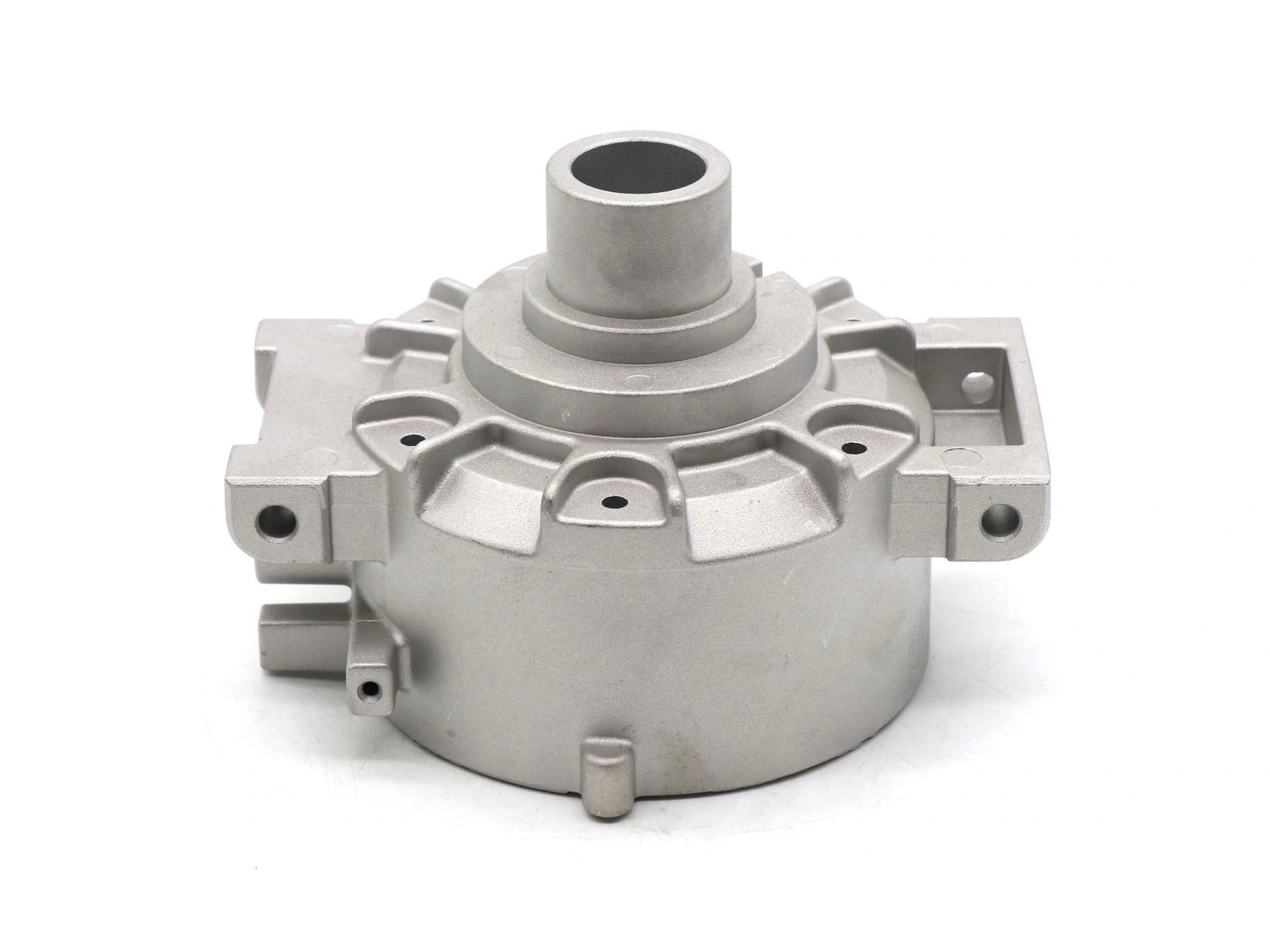
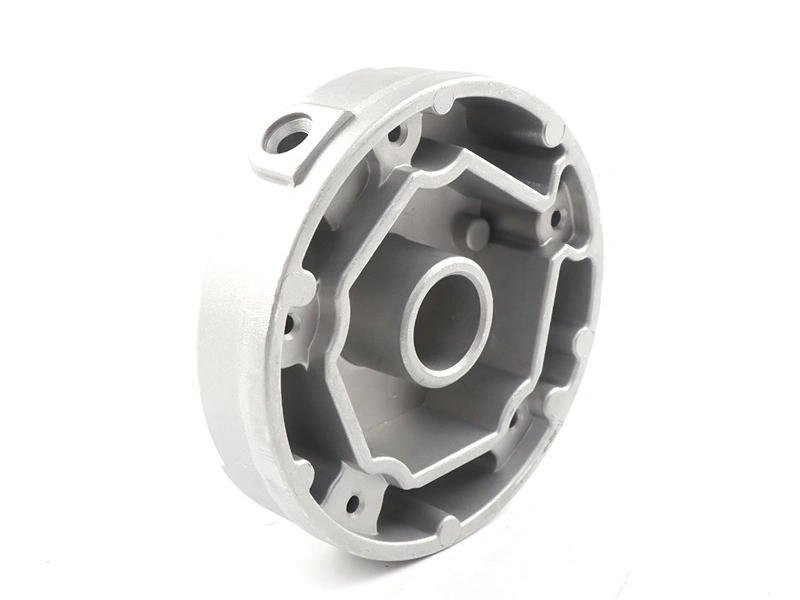
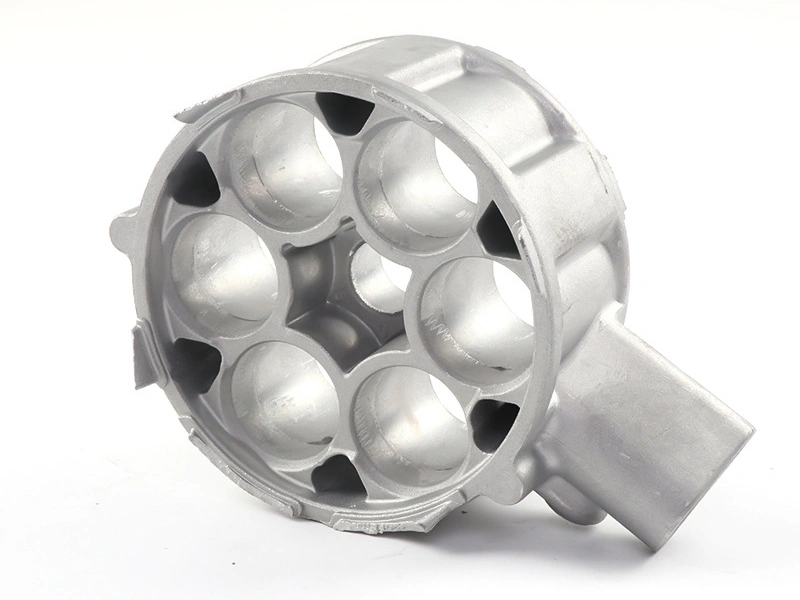
Low volume aluminum casting is the right choice when a buyer needs real cast aluminum parts for pilot builds, customer trials, launch quantities, field testing or bridge production, but the project is not ready for full production tooling. It is especially useful when the part has cast features such as ribs, bosses, hollow sections, mounting structures, cosmetic cast surfaces or machined sealing areas that CNC prototypes cannot fully validate.
The route is strongest when the buyer needs manufacturing evidence. If the question is only whether the part shape fits, CNC machining may be faster. If the question is whether the aluminum part can be cast, machined, finished and inspected consistently, low volume aluminum casting provides better answers.
Buyers should choose this route when the design is close enough to test in metal, the future production method may involve casting and the quantity is large enough that machining every part from billet becomes costly or unrealistic. It can also be useful when the buyer needs limited production before market demand is fully known.
For low-volume planning, buyers can review minimum and maximum order quantities for low-volume casting and low-volume manufacturing for custom casting solutions.
Best-Fit Situations
Situation | Why Casting Helps | Buyer Check |
|---|---|---|
Pilot build | Provides cast metal parts for customer or field use | Define sample quantity and validation goal |
Bridge production | Supports early orders before full tooling | Confirm expected repeat quantity |
Large hollow part | Reduces billet waste compared with CNC | Compare tooling cost and unit cost |
Need cast surface evidence | Shows parting line, porosity and finish behavior | Approve finished samples |
Future production expected | Creates data for tooling and process planning | Record lessons for scale-up |
When It May Not Be the Best First Step
Low volume aluminum casting may not be the best first step when the design is still changing every week, the buyer only needs one or two visual samples, all surfaces require tight CNC tolerances or the material route is still unknown. In those cases, CNC machining or rapid prototyping may help the team learn faster before paying for casting tools or patterns.
It may also be unnecessary when the project is already stable and the buyer has confirmed annual volume that justifies production tooling. In that case, the supplier may recommend moving directly into a production tooling plan with a controlled trial run.
Material and Feature Signals
Low volume aluminum casting becomes more attractive when the part needs A380, ADC12, A356-T6 or another cast aluminum material in a form close to future production. Features such as ribs, bosses, mounting holes, thick-to-thin transitions, gasket faces and visible cast surfaces make real casting evidence useful.
Buyers should mark which features must be validated. If only a simple plate with tight holes is needed, machining may be enough. If the part is a housing with cast walls, internal ribs and coated surfaces, low volume casting can expose risks that machining will not show.
Quantity and Risk Signals
Quantity is only one part of the decision. A buyer needing 20 parts may choose CNC if the design is unstable. A buyer needing 50 cast housings may choose low-volume casting if the parts must prove coating, wall thickness and machining allowance before production tooling. A buyer needing 300 launch parts may need bridge tooling because hand-built prototypes cannot support customer delivery.
Risk signals also matter. Low volume aluminum casting is a strong choice when a future production part may fail because of porosity, shrinkage, warpage, coating defects or insufficient machining stock. These risks cannot be fully judged from billet CNC samples. Casting a low-volume batch gives the buyer real evidence before making a larger tooling decision.
Commercial Decision
The commercial decision should compare total evidence, not just unit cost. A CNC route may have a lower setup cost but a higher piece price. A low-volume casting route may require tooling or pattern cost but reduce material waste and give production learning. The better choice is the route that answers the current business question with the least wasted money.
Neway can review low volume aluminum casting projects through aluminum die casting, machining, finishing and inspection support. The goal is to help buyers choose a route that matches validation stage, quantity and future production risk.
Before placing an order, buyers should ask what the low-volume route will prove and what it will leave unproven. If the answer matches the current project risk, the route is worth considering. If the route only creates parts without learning, the buyer should revise the scope.
A strong purchase decision also identifies the next step. If the low-volume batch passes, will the buyer reorder the same route, change to production tooling or revise the design? Stating that path helps the supplier collect the right evidence during the first batch instead of treating it as a one-time sample job.
This keeps the low-volume order connected to the product launch plan.
It also keeps supplier feedback actionable.