How Does Low Volume Aluminum Casting Compare With CNC Machining?
How Does Low Volume Aluminum Casting Compare With CNC Machining?
Low volume aluminum casting compares with CNC machining by offering stronger casting and production evidence, while CNC machining usually offers faster first samples and tighter direct-machined accuracy. CNC is often better for very early prototypes, one-off parts and designs that still change quickly. Low volume aluminum casting is better when the buyer needs cast material behavior, lower material waste for hollow shapes, pilot quantities or data for future production tooling.
The best route depends on what the part must prove at the current stage. A CNC prototype can prove shape, hole position and assembly envelope. It cannot prove whether the future cast wall fills correctly, whether the cast surface accepts powder coating or whether machining a sealing face will expose porosity. Low volume casting answers those casting-related questions.
Many successful projects use both routes. CNC may validate early geometry. Low volume aluminum casting may validate the manufacturing route. Production tooling may follow after the buyer confirms design, material and demand.
For route comparison, buyers can review CNC machining versus casting and when die-cast aluminum parts are better than fully CNC-machined aluminum parts.
Route Comparison Table
Decision Factor | CNC Machining | Low Volume Aluminum Casting |
|---|---|---|
First sample speed | Usually faster without tooling | Requires pattern or tooling preparation |
Design changes | Flexible for early revisions | Changes may affect tooling or pattern |
Castability evidence | Does not prove casting behavior | Shows filling, porosity and cast surface risk |
Material waste | Can be high for hollow or large parts | Can reduce waste after tooling investment |
Surface finish evidence | Shows machined material finish | Shows actual cast surface after finishing |
Scale-up value | Useful for fit data | Useful for production route planning |
When CNC Machining Wins
CNC machining wins when the buyer needs only a few parts, the design is still changing, every critical surface must be machined or the part is simple enough that tooling makes little sense. It also helps when the buyer needs fast assembly checks before deciding whether the product will move forward.
CNC is also useful for critical inserts, datum studies or mating component checks before a casting route is chosen. Buyers should be clear that CNC sample approval does not automatically approve a later casting route.
When Low Volume Casting Wins
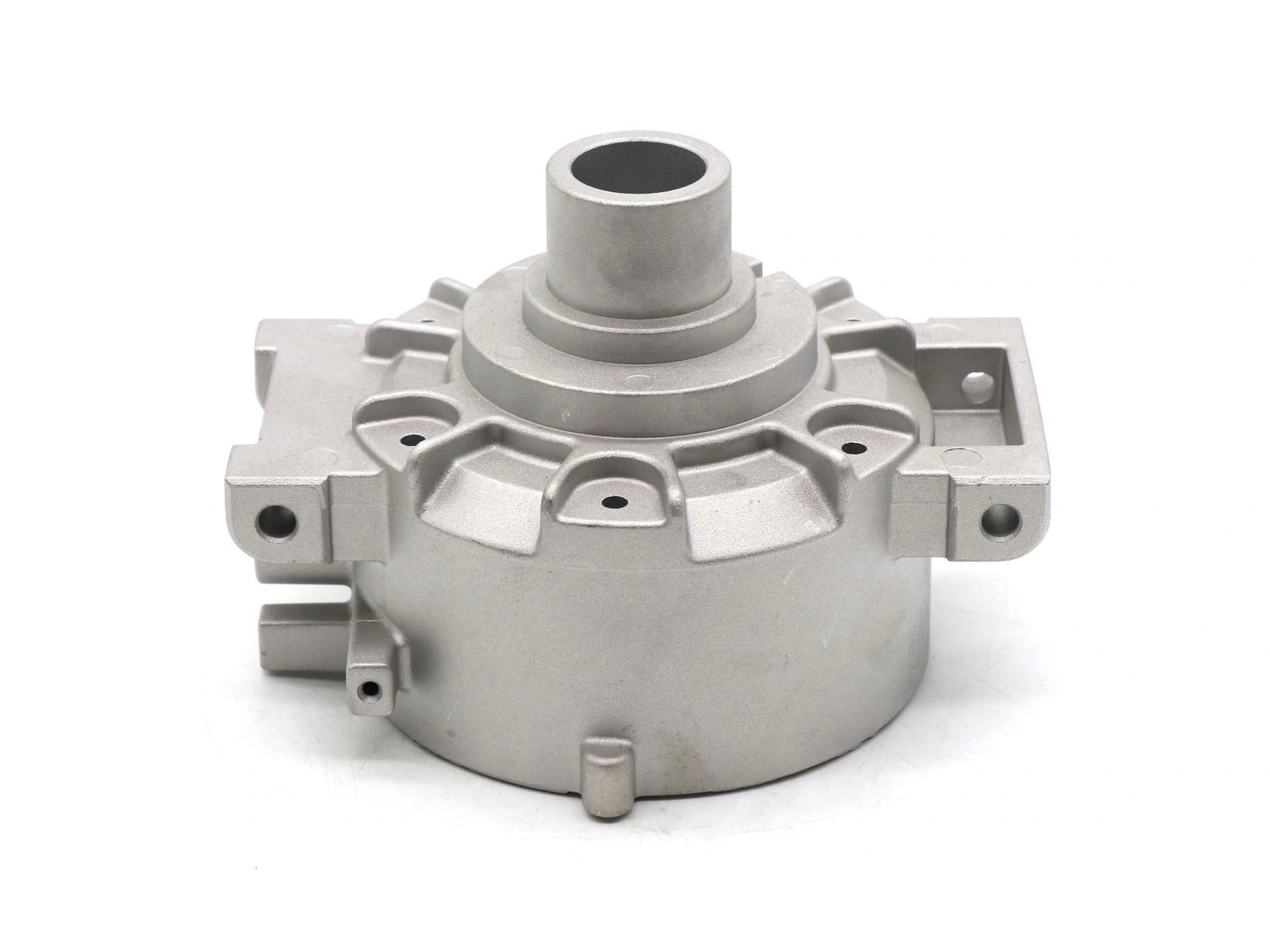
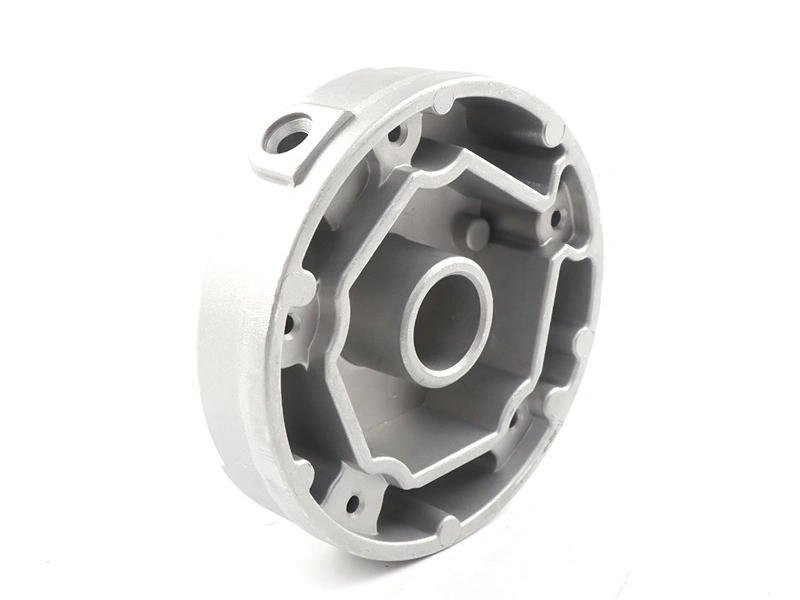
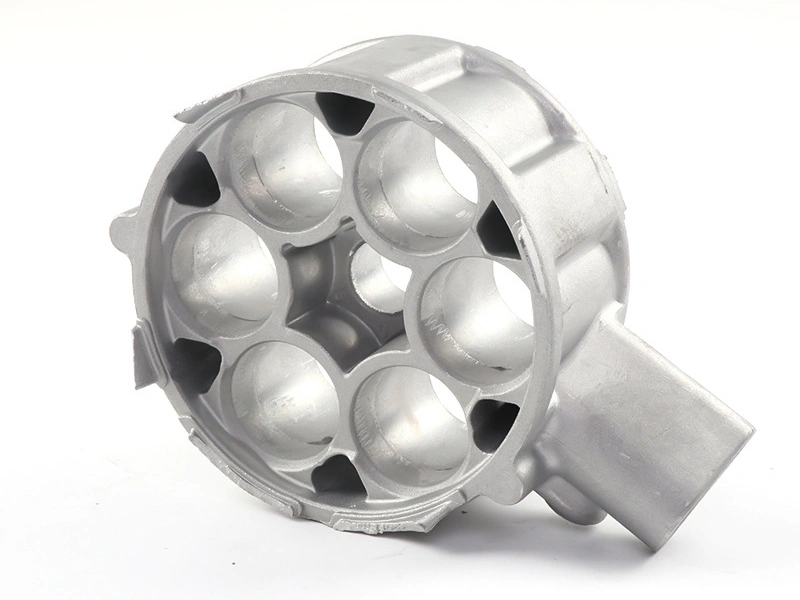
Low volume aluminum casting wins when the buyer needs a batch of parts closer to the future manufacturing process. It is useful for housings, covers, brackets and pump components with cast walls, ribs, bosses, cosmetic surfaces or machined sealing areas. Casting can also lower cost when billet machining would remove large amounts of material.
It is especially valuable when future production is expected. The low-volume batch can reveal tooling notes, machining allowance, finish behavior and inspection requirements that help avoid mistakes in full production tooling.
How to Combine Both Routes
A practical path is to use CNC machining for early geometry, then low volume aluminum casting for manufacturing validation. The buyer can use machined samples to check assembly and customer feedback. Once the design stabilizes, low-volume casting can test material, wall thickness, parting line, machining allowance and coating.
Neway can support both CNC machining and aluminum casting-related routes. This lets buyers choose the route by project stage instead of forcing all prototypes or pilot parts into one process.
Evidence Each Route Can and Cannot Prove
CNC machining can prove final geometry when the material is close enough and the feature is directly cut. It can prove hole location, assembly fit, surface flatness and customer handling. It cannot prove draft, parting line, casting shrinkage, cast porosity or how a coating looks on a cast surface. These missing items matter when the future product will be cast.
Low volume aluminum casting can prove cast wall behavior, rough surface quality, machining stock, local porosity risk and coating response. It may not prove the exact cycle time, tool life or economics of high-volume production if the low-volume tool is different from the final tool. Buyers should use each route for the evidence it can honestly provide.
Cost Comparison Warning
Buyers should compare total cost for the needed quantity, not only the first sample price. CNC may be cheaper for one or two units and more expensive for 50 to 200 large hollow parts. Low-volume casting may have a higher starting cost but a lower piece cost after tooling. Finishing, machining, inspection and scrap risk should be included in both quotes.
The quote should also state what each route proves. A cheap CNC sample that cannot validate casting may delay the project if the next stage still needs casting evidence. A casting route that starts too early may waste tooling money if the design changes.
For many projects, the commercial answer is staged validation: CNC for fast learning, low-volume casting for production evidence and full tooling after the buyer has enough confidence in demand and design stability.
The buyer should document which stage approved which risk. CNC may approve fit; low-volume casting may approve cast surface, machining stock and finish response. That record prevents later confusion.