When Are Die Cast Aluminum Parts Better Than Fully CNC Machined Aluminum Parts?
When Are Die Cast Aluminum Parts Better Than Fully CNC Machined Aluminum Parts?
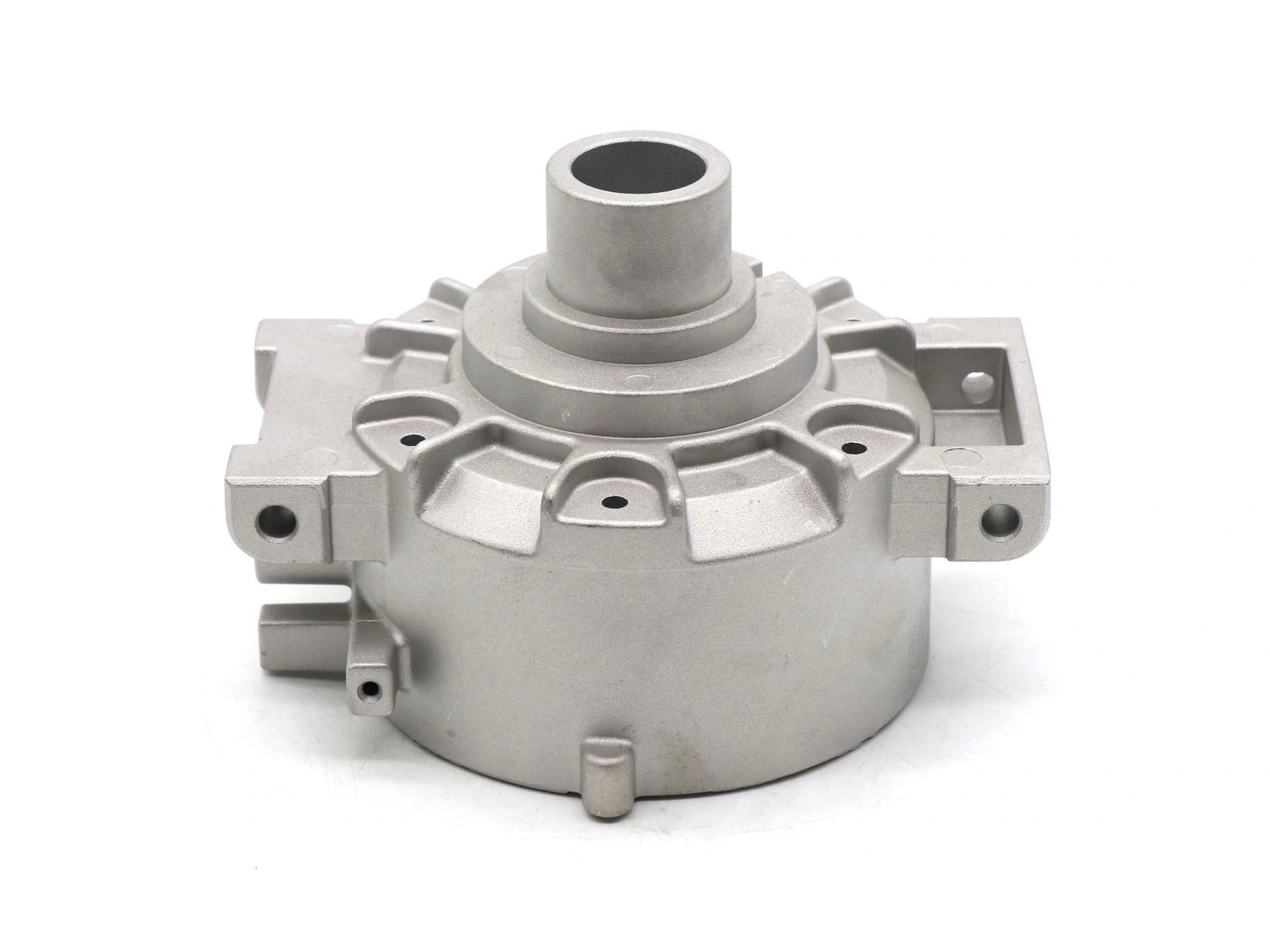
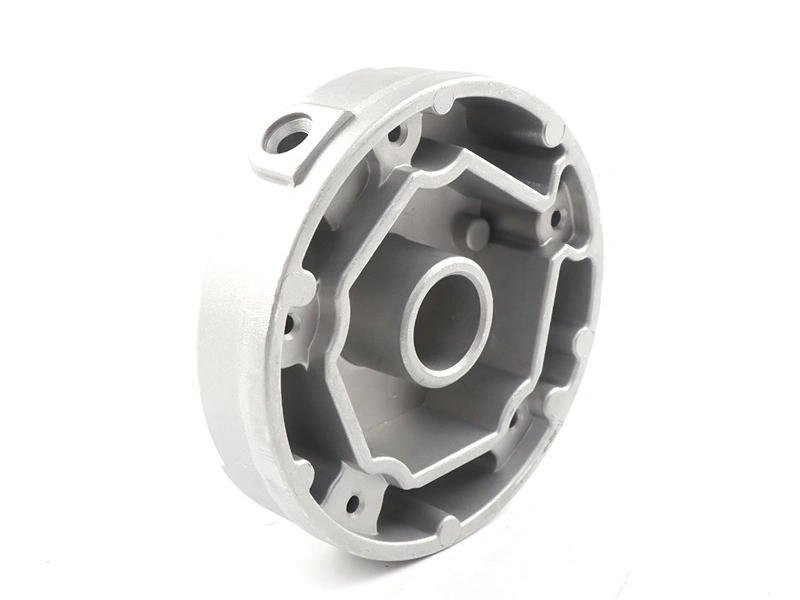
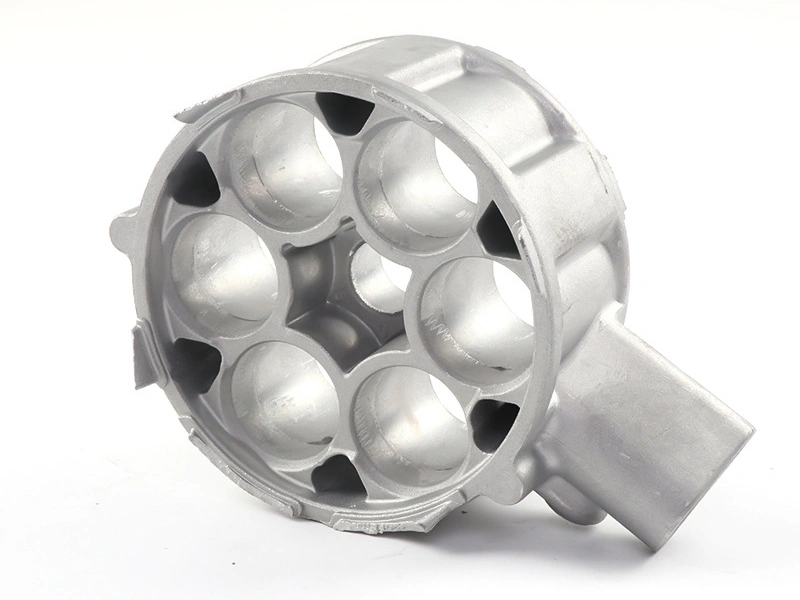
Die cast aluminum parts vs CNC machined aluminum parts should be compared based on annual demand, structure complexity, tooling investment, post-machining areas and long-term production plans. Die casting is often better for medium to high volume production, complex housings, brackets, ribs, bosses and mounting features that only need local CNC machining.
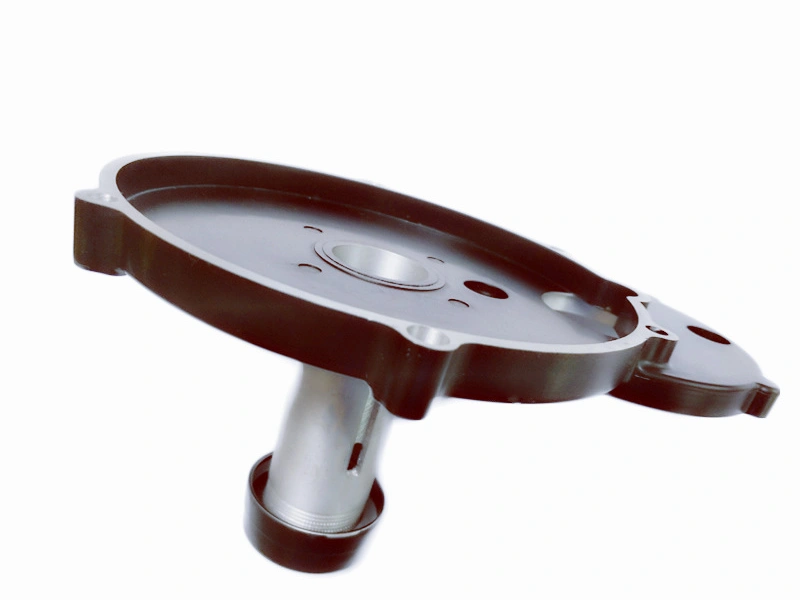
Fully CNC machined aluminum parts are often better for samples, low volume projects, solid high-precision parts or designs that are still changing frequently. Buyers should not choose only by single piece price, but by total manufacturing cost and production risk.
1. When Die Cast Aluminum Parts Are Better
Project Situation | Why Die Casting Fits | Buyer Value |
|---|---|---|
Medium to high volume production | Tooling cost can be shared across repeated production | Reduces long-term unit cost |
Complex housings | Die casting can form walls, ribs, bosses and mounting structures efficiently | Reduces material removal and machining time |
Bracket or structural parts | Can integrate features into one casting | Reduces assembly and part count |
Local precision features | Main shape can be cast while holes, threads and datums are machined | Balances cost and accuracy |
2. When Fully CNC Machined Aluminum Parts Are Better
Fully CNC machining may be more suitable when the quantity is low, design changes are frequent, no tooling investment is justified or the part needs solid material removal with very high precision.
Project Situation | Why CNC Machining Fits | Buyer Value |
|---|---|---|
Small quantity samples | No die casting tooling is needed | Faster early validation |
Low volume project | Tooling cost may not be economical | Reduces upfront investment |
Design changes frequently | Toolpaths are easier to update than production tooling | Improves design flexibility |
Solid high-precision parts | Some parts require machining from billet for accuracy or material integrity | Improves precision when casting is not suitable |
3. Compare Total Cost, Not Only Piece Price
Buyers should compare tooling cost, unit cost, material waste, CNC machining after die casting, inspection, surface finishing and long-term production stability. The lowest single quote may not be the lowest total cost.
Cost Factor | Die Casting Impact | CNC Machining Impact |
|---|---|---|
Tooling cost | Higher upfront tooling investment | No die casting tooling required |
Unit cost | Often lower at stable production volume | May stay higher due to machining time |
Material waste | Forms near-net shape with less full-part cutting | Can remove more material from billet |
Design flexibility | Tooling changes can be costly after mold making | More flexible for early design changes |
4. Tooling and Material Route Comparison
Tool and die making is the key investment that makes aluminum die casting suitable for repeated production. Buyers may also compare aluminum with zinc die casting production parts for smaller precision components or copper die casting functional parts for conductivity or wear resistance. A custom metal casting review helps decide the best route.
5. Summary
Choose Die Cast Aluminum Parts When | Choose Fully CNC Machined Aluminum Parts When |
|---|---|
The project has medium to high volume demand | The project needs only a few samples or low volume parts |
The part has complex housings, ribs, bosses or mounting features | The part is solid, highly precise or frequently changing |
The buyer wants long-term unit cost control | The buyer wants to avoid upfront tooling investment |
Only local CNC machining is needed for functional areas | Most features require high-precision machining from billet |
In summary, die cast aluminum parts are often better than fully CNC machined aluminum parts when the part has complex geometry, stable demand and long-term production goals. CNC machining is often better for low volume, early samples or frequently changing designs.