How Aluminum Die Casting Reduces Custom Part Manufacturing Costs
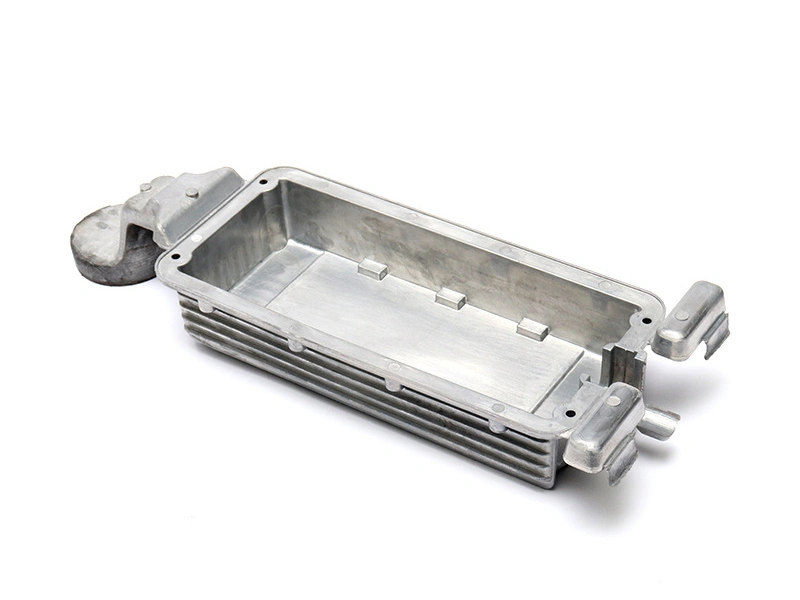
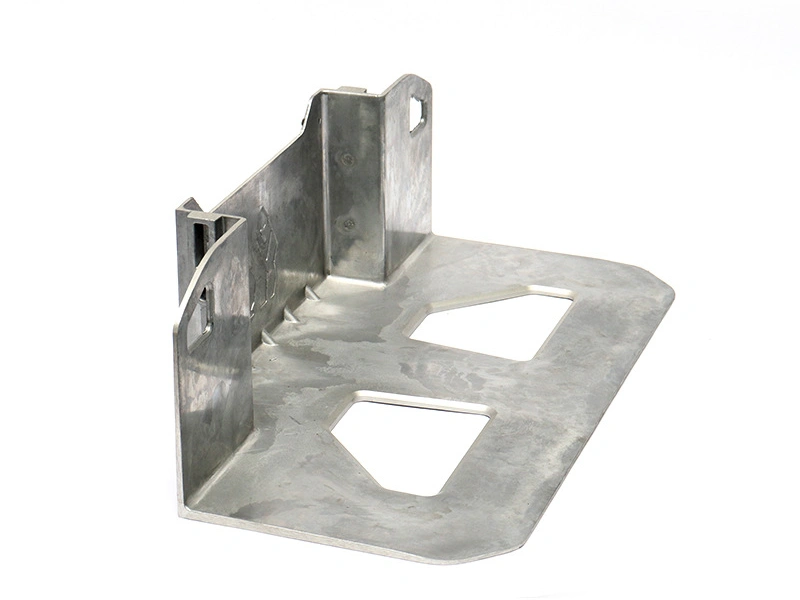
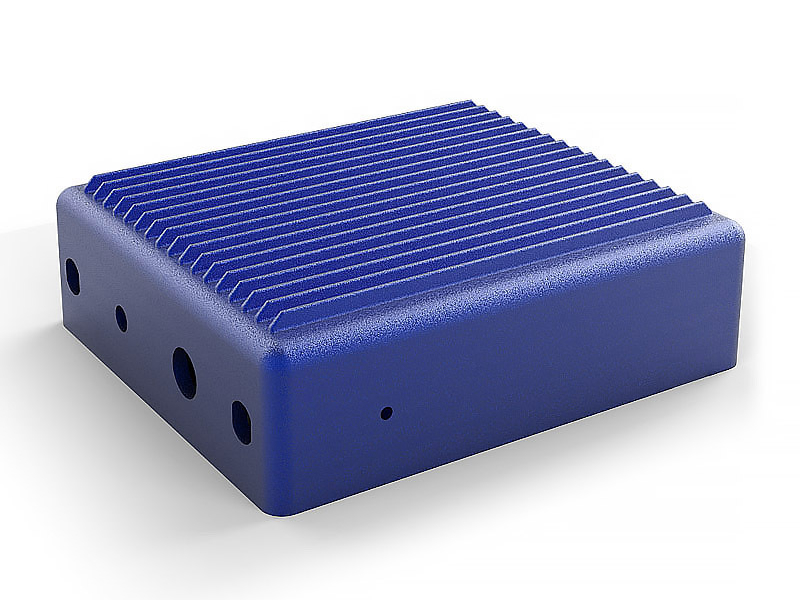
Aluminum die casting reduces custom-part manufacturing cost when a stable, repeat design can move recurring geometry from billet removal, fabrication and multi-part assembly into a controlled near-net-shape casting. The saving is conditional: dedicated tooling, casting yield, post-machining, finishing, inspection and change risk must cost less over the forecast quantity than the credible alternative. A low raw-casting price does not prove a lower delivered cost.
Compare equal delivered parts
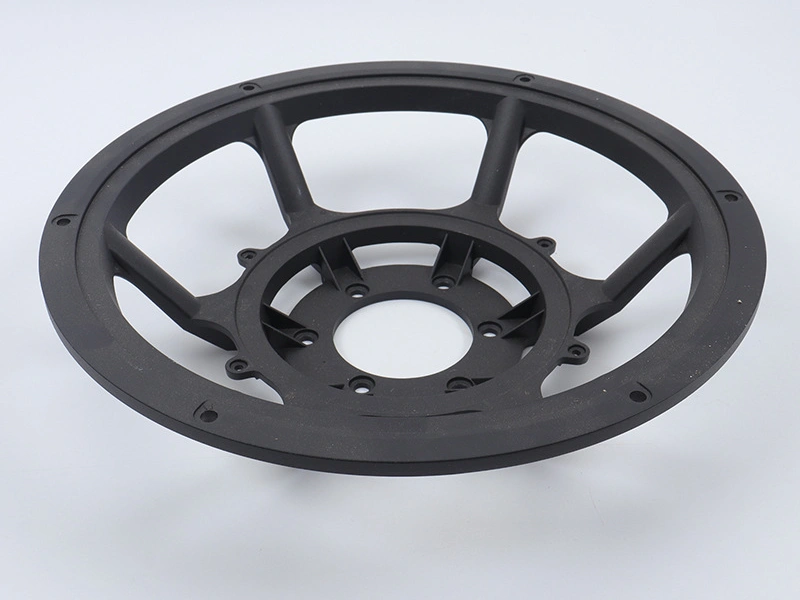
Cost comparisons often fail before the arithmetic begins. A machined prototype, raw casting and finished assembly are not equivalent purchasing units. One quote may include threaded holes, leak testing and powder coating; another may stop after trimming. Normalize the scope to the part as received by the next operation or customer: approved alloy, finished dimensions, surface system, inserted hardware, functional tests, packaging and delivery terms.
The manufacturing route also changes the design. A CNC part may use flat walls and sharp internal pockets because cutters can reach them. A pressure die casting needs draft, radii, a viable parting direction, gates, overflows and ejector locations. Its ribs and walls should be arranged for metal flow, solidification and release. Compare a casting-optimized design with a machining-optimized design at equal function, not one unchanged CAD file forced through both processes.
A complete aluminum die casting quotation should expose one-time tooling and fixtures separately from recurring operations. It should state the annual and lifetime quantity assumptions used for amortization. Without that information, a quoted unit price cannot reveal whether the business case survives a slower product ramp or an engineering revision.
Where the recurring savings come from
High-pressure die casting forms shells, ribs, bosses, mounting pads, external contours and identification details in one machine cycle. That can replace repeated roughing from billet and several machining setups. It can also consolidate brackets or covers whose separate fasteners, alignment, inventory and inspection formerly added cost. The strongest business cases usually combine several of these gains.
Near-net shape does not mean zero machining. Sealing faces, bearing bores, threads, tight mounting datums and connector interfaces may still require post machining. Cost falls when machining is concentrated on those functional features and the casting supplies stable stock and datums. It rises when the entire casting is skimmed cosmetically or when uncontrolled porosity is exposed in a machined sealing land.
Cost mechanism | Condition for a real saving | Evidence to compare |
|---|---|---|
Less billet removal | The casting forms expensive pockets, ribs or shell geometry without creating excessive runner or scrap loss | Purchased stock, chip recovery, casting yield and net delivered mass |
Fewer machining setups | As-cast geometry holds noncritical features and provides usable locating surfaces | Machine minutes, fixtures, tools, operations and inspection stages |
Part consolidation | Integrated features do not require costly slides or make service impossible | Removed components, fasteners, labor, stack-up and repair strategy |
Repeat cycle output | Demand is stable enough to use the die and production cell | Volume scenarios, cavity count, cycle basis, uptime and yield assumptions |
Lower quality loss | The validated process controls functional and cosmetic characteristics without blanket sorting | Scrap, rework, test, returns and process-change history |
Find the break-even with scenarios
There is no universal quantity at which die casting becomes cheaper than CNC machining. The break-even depends on tooling, fixtures and qualification cost; the recurring cost of each route; expected yield; demand timing; and the probability of design change. A simple model compares total cost at several cumulative volumes rather than dividing one tool quote by an optimistic lifetime forecast.
For each route, include engineering, tooling, gauges, samples and validation as fixed or step costs. Add alloy or stock, machine time, labor, consumables, secondary operations, inspection, scrap, packaging and logistics as recurring costs. A structured casting project cost calculation can organize those inputs, but quotations must supply the values. Include credible maintenance and repair assumptions without inventing a fixed die life. Run low, expected and high demand cases. The decision is stronger when die casting wins under the expected case and remains manageable under the low case.
Cash timing matters too. Tooling is paid before production savings arrive. A seasonal product with uncertain acceptance may favor machining during launch even if die casting would eventually have a lower steady-state unit cost. A staged conversion can preserve flexibility: keep CNC supply while the die and representative production trial are validated, then transfer demand after the acceptance evidence is complete.
Freeze the right design before cutting steel
The least expensive tooling change is the one resolved in DFM. Review die direction, parting line, draft, undercuts, slide travel, gate and overflow regions, ejector support, local wall transitions, machining stock and cosmetic zones. Every feature should have a functional reason. A side hole that saves a drilling operation may justify a slide at sustained volume; an unused reverse feature merely raises tool cost and maintenance.
Use sections that cast and carry load
Replace unnecessary solid mass with walls, ribs and locally supported bosses where analysis and testing permit. Balance adjacent sections and blend transitions to reduce isolated hot regions, sink, internal discontinuities and distortion. Do not chase a generic minimum wall. Flow length, alloy, gate position, venting, surrounding geometry and appearance class determine what is stable in a particular die.
Separate functional and reference dimensions
Identify dimensions that control fit, sealing, alignment, load or safety. These may need machining, a dedicated gauge or capability evidence. Other features can use realistic as-cast controls or remain reference dimensions. Applying the drawing's tightest tolerance to every surface adds CNC time, fixtures and inspection without improving the assembly.
Protect finish and machining zones
Gate vestige, parting witness and ejector marks need permitted locations. Machined sealing surfaces need enough stock but not so much that deep cutting exposes porosity. Visible coating areas need a sound substrate, controlled trim handling and compatible rack or masking locations. Decisions made together before tooling prevent one operation from undoing another.
Select an alloy and route together
Alloy choice affects filling, die soldering, strength, thermal behavior, corrosion response, machining and finish. Specify a named grade and governing standard. A380, A383/ADC12, A360 and A413 are familiar high-pressure die casting candidates for different requirements, but names are not interchangeable approvals. Compare chemistry, required properties and supply route for the actual product.
Do not assume every cast aluminum grade belongs in the same pressure-die-casting process. For example, A356 is commonly associated with gravity or low-pressure casting and heat-treated applications; it should not be inserted into a conventional HPDC cost quote without confirming the required material condition and forming route. Use the supplier's aluminum alloy options as a candidate list, then release the process-alloy combination through drawings, material evidence and representative tests.
Choosing only by ingot price can be expensive. A cheaper alloy that fills poorly, machines unpredictably or conflicts with the finish may increase scrap and rework. A higher-cost alloy adds no value if the product does not use its property difference. Ask the supplier to state which requirement drives the recommendation.
Tooling cost is a production-system decision
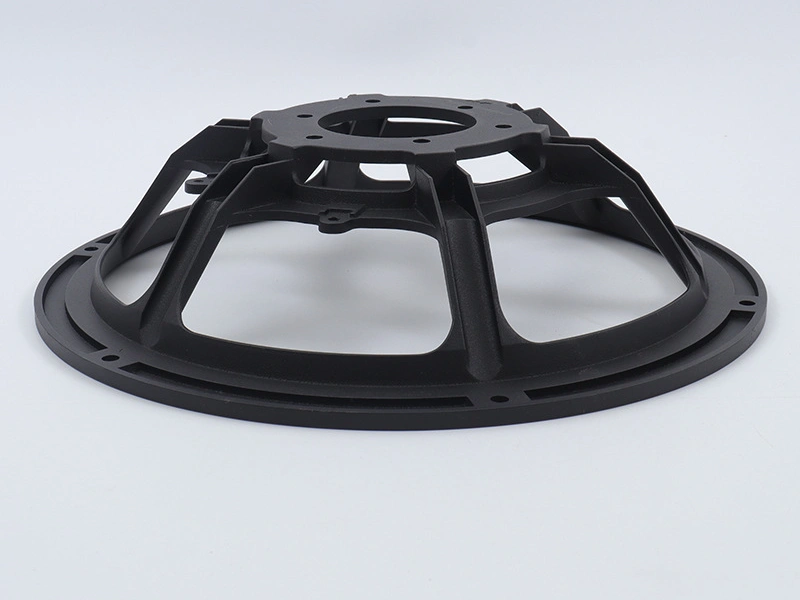
A die quote represents more than cavity steel. It may include the die base, cores, slides, inserts, cooling, vacuum provisions, trimming tools, fixtures and initial samples. Clarify ownership, included revisions, spare inserts, maintenance responsibility and storage. Compare the same scope between suppliers.
Cavity count is an economic and technical decision. More cavities can distribute machine time across more parts, but increase die size, balance difficulty and consequences of one damaged cavity. A family die can look efficient while parts with different fill behavior compete for one process window. Request the cavity layout, production assumptions and response to a disabled cavity.
Tool quality should be judged against observable risks, not a promised universal shot count. Ask how steel and heat treatment match the thermal duty, where erosion or heat checking is expected, how inserts are supported, and which dimensions remain adjustable after trial. Maintenance triggers can include flash growth, surface change, dimensional drift and cavity imbalance. A higher tool price earns its place only if the design and controls reduce total cost at the forecast duty.
Machining and finishing can make or break the case
Plan machining datums in the casting. If a fixture locates from an unstable parting witness or distorted wall, extra stock will not create repeatability. Use a rough and finish strategy only where needed, provide access for cutters and probes, and control burrs at intersections. For pressure boundaries, locate gates and overflows with the sealing path in mind and validate the finished component by the specified leak method.
Surface finishing cost depends on the substrate and acceptance language. Blasting, painting, powder coating, conversion treatments and alloy-dependent anodizing have different preparation, appearance and dimensional effects. A finish cannot reliably hide cold shuts, blisters, pits or uncontrolled porosity. The aluminum finishing comparison should be converted into one drawing-specific route with cosmetic zones, film allowance, masking, rack points and agreed tests.
Inspect at the state that controls customer function. A bore may pass after machining and fail after coating. A flat casting may distort during heat exposure or aggressive mechanical preparation. A beautiful sample may depend on manual polishing absent from the production quote. Record every included operation and qualify the intended sequence.
Count quality loss, not just good pieces
Scrap is only one quality cost. Sorting, rework, fixture adjustment, repeated inspection, line stoppage, supplier disputes and field containment all consume money. Design the control plan around failure modes: alloy verification for material mix, dimensional gauges for assembly features, radiography or sectioning where internal quality matters, leak testing for pressure boundaries, and coating tests for the specified surface system.
Capability evidence belongs on characteristics suitable for statistical control and important to function. It should not turn every dimension into a measured production characteristic. Approve process settings and the finished result during a representative production trial. Keep the die revision, cavity identity, alloy, machining program and finish source linked to the accepted sample.
Change control protects the savings. A repaired gate, replacement insert, alternate alloy source, new fixture or finish-source transfer can affect different evidence. Define notification and proportionate revalidation. Uncontrolled substitutions can convert an inexpensive part into repeated containment work long after tooling amortization looked favorable.
Test the quotation against sensitive assumptions
A sourcing team should know which assumptions move the delivered price most. For one housing, machining minutes may dominate; for another, cosmetic finish yield or leak-test fallout may dominate. Ask the supplier to identify the price basis for alloy, cycle, cavity output, yield and each secondary operation. Then vary the uncertain inputs. A price that remains credible under a modestly slower cycle or lower initial yield is more useful than an aggressive quote with no tolerance for normal launch learning.
Separate supplier-controlled improvement from buyer-controlled scope. A changed annual release quantity, new coating color, added certificate or tightened flatness is not process optimization; it is a commercial or design change that needs repricing. Conversely, recurring flash, unstable machining stock or unexplained coating rejection should not be accepted as inevitable buyer cost. The responsibility matrix should assign measurement and corrective action to the process that creates the variation.
Examine the cost of downtime and interrupted supply. A single-source die may be inexpensive until a damaged insert stops an assembly line. Depending on business impact, the right plan may include spare wear inserts, defined repair response, safety stock or qualified alternate capacity. None is free. Price the protection against the actual interruption exposure instead of adding every contingency to every project.
Review those protections at each demand change. The economical level depends on replacement time, inventory exposure, line impact and the buyer's documented recovery requirement.
One-stop supply only saves cost when interfaces are controlled
Combining casting, machining, finishing, assembly and final inspection under one commercial owner can remove transport, duplicate incoming inspection and responsibility gaps. It is useful when machining allowance, coating build and assembly fit need joint planning. It is not automatically cheaper. A supplier that subcontracts without technical ownership merely hides the handoffs.
Audit how requirements reach each operation, how nonconformities are traced to cavity and process lot, who approves outside processors, and whether the final supplier owns delivered-part acceptance. A coordinated one-stop service should provide one controlled traveler, revision system and response path while retaining specialist process evidence.
RFQ inputs for a defensible cost comparison
RFQ input | Cost question it answers | Required supplier output |
|---|---|---|
Controlled 3D model, 2D drawing and mating interfaces | Which geometry stays as cast, is machined or must change for DFM? | Marked DFM, datum plan and operation sequence |
Named alloy, standard, load, temperature and exposure | Is the proposed material-process route valid? | Grade rationale, material evidence and validation plan |
Prototype, annual, peak and lifetime quantity scenarios | When does tooling amortization overcome recurring alternatives? | Cavity concept and total-cost scenarios with assumptions |
Functional characteristics and acceptance methods | Where are machining, gauges and tests genuinely needed? | Control plan and separated secondary-operation pricing |
Cosmetic map, finish, masking and packaging | What drives preparation, finish yield and handling cost? | Process stack, limit-sample plan and included tests |
Revision forecast, ownership and change rules | How exposed is the project to obsolete or modified tooling? | Tool ownership, modification scope and change-notification terms |
Ask for a transparent cost breakdown: engineering, die and trim tool, gauges, samples, casting, machining, finishing, assembly, inspection, packaging and logistics. For a machining conversion, compare against current stock mass, cycle, setups, tooling, labor, scrap and actual annual demand. Guidance on CNC machining versus casting is a screening tool; the quotation model must use the buyer's part and operations.
Plan the end of the program before award
Total cost includes what happens when demand declines, the product changes or the supplier relationship ends. Confirm die ownership, storage period, preservation, transfer rights and the records that travel with a buyer-owned tool. A transferable die may still depend on a particular machine, trim tool, fixture, process setting or outside finisher, so physical ownership alone does not guarantee economical transfer.
Define treatment of obsolete inserts, unused material, safety stock and open finishing orders. For service parts, determine whether the die will remain operable at small release quantities or whether a final production run is preferable. These are purchasing decisions, but they alter the lifetime economics used to justify casting.
The cost-reduction decision
Aluminum die casting lowers cost when design stability and repeat demand allow tooling to replace enough recurring material removal, setups, assembly and variation. It fails as a cost strategy when geometry is not redesigned, critical interfaces are left unplanned, finish yield is assumed, or demand cannot absorb the tooling and validation investment.
Approve the route with low, expected and high volume scenarios, a part-specific DFM, a complete delivered scope and representative finished-part evidence. The right question is not how cheap the casting can be. It is whether the validated aluminum component can be delivered repeatedly at a lower total cost than its best realistic alternative.
Frequently Asked Questions
How Can Aluminum Die Casting Reduce Custom Part Manufacturing Costs?
When Should Buyers Switch from CNC Machining to Aluminum Die Casting?
What Design Changes Help Lower Aluminum Die Cast Part Costs?
How Do Tooling and Production Volume Affect Aluminum Die Casting Cost?
Can One-Stop Manufacturing Reduce the Total Cost of Aluminum Parts?