How Can Aluminum Die Casting Reduce Custom Part Manufacturing Costs?
Aluminum die casting can reduce custom-part cost by forming repeated geometry near net shape, cutting billet removal and machining setups, consolidating components, and distributing dedicated tooling across stable demand. It saves money only when tooling, casting yield, secondary operations, inspection and change risk are included. Buyers should compare finished, functionally equivalent parts rather than raw casting and machined blank prices.
Move repeated work into the die
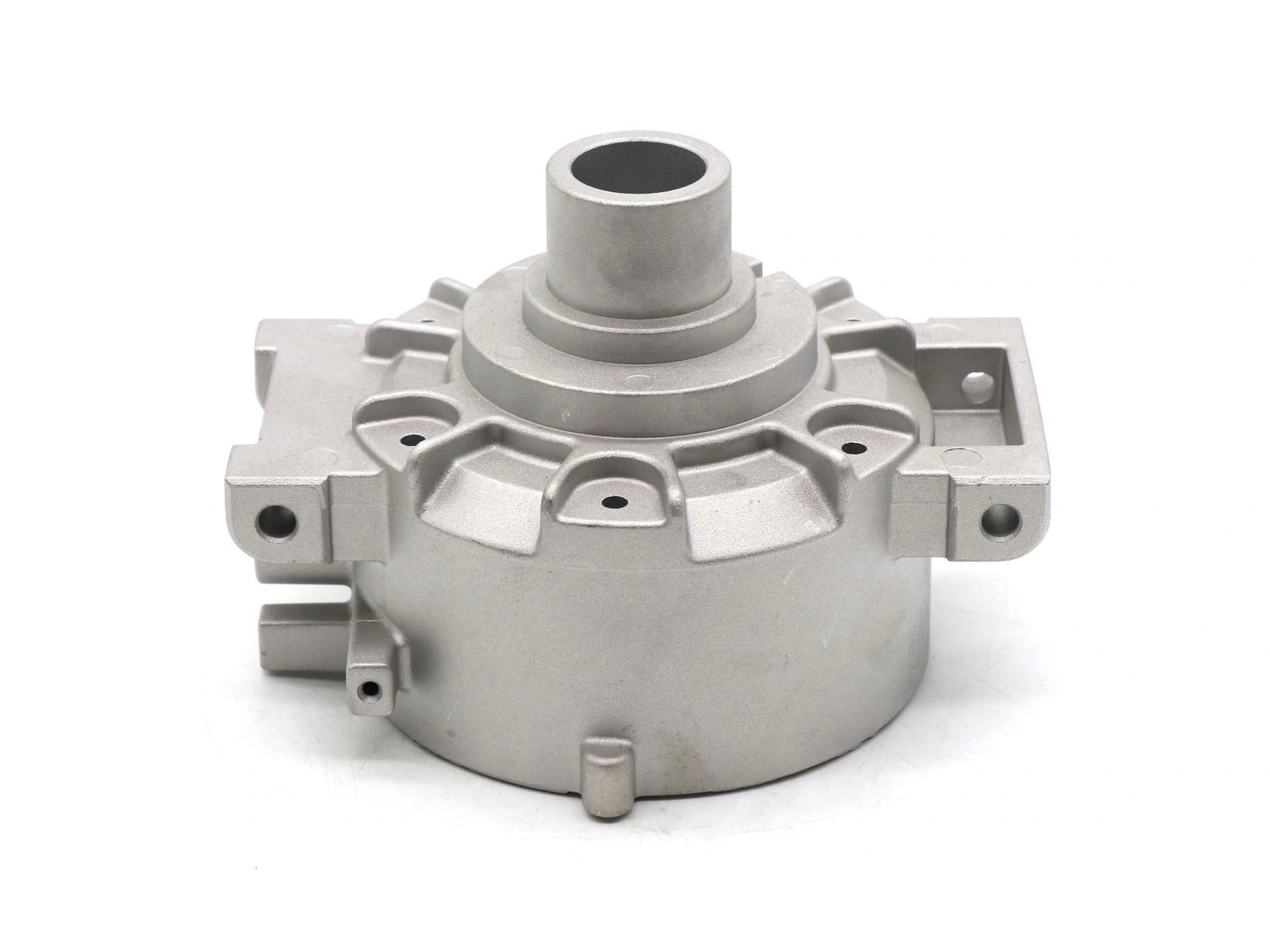
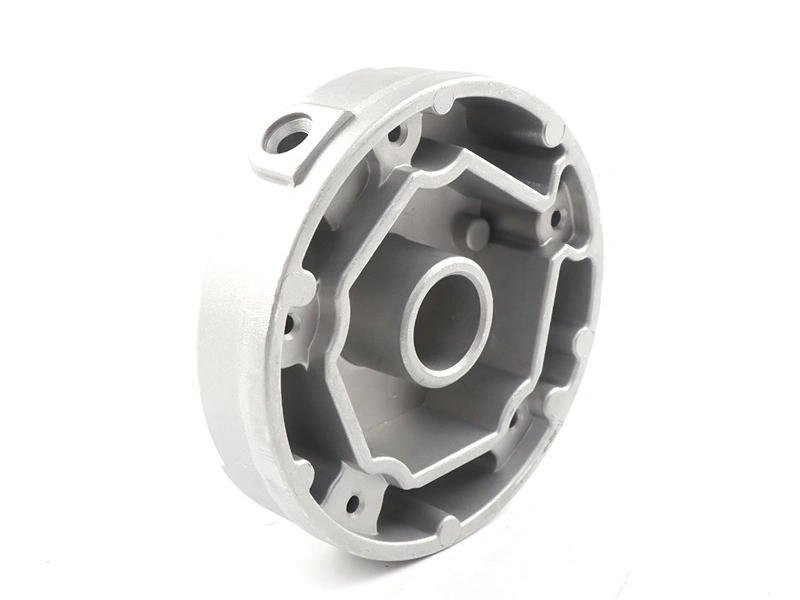
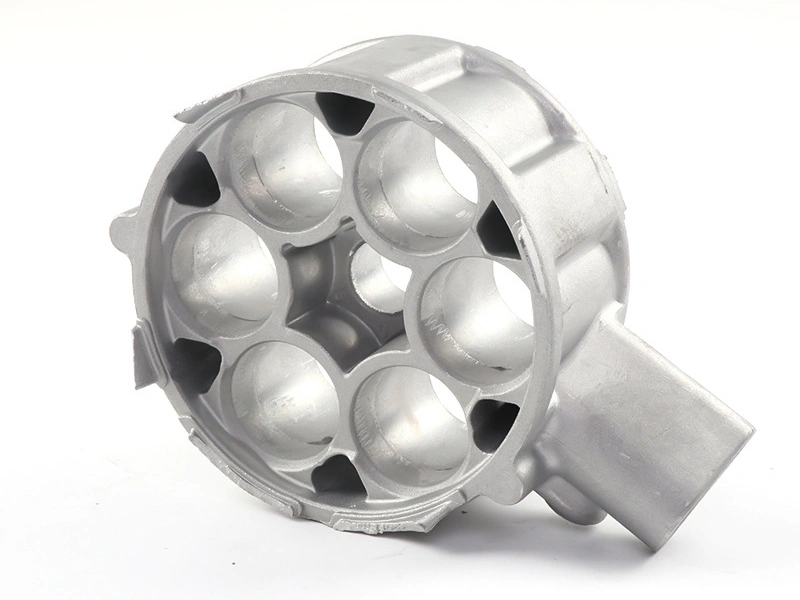
A machined housing may require roughing a shell, milling pockets, creating ribs and turning the part through several fixtures. Aluminum die casting can form much of that geometry in one repeat cycle. The die investment replaces recurring machine minutes only if the geometry has practical draft, parting, gating, venting and ejection.
The useful metric is avoided recurring work. Record current stock mass, recovered chips, machine time, setups, cutters, labor and inspection. Compare those values with casting alloy, runner/remelt assumptions, machine cycle, trimming, yield and required post-processing. Near-net shape is valuable when the full balance improves, not merely when the casting weighs less than the billet.
Machine only the functional interfaces
Die casting rarely eliminates every precision operation. Sealing faces, bearing seats, close bores, threads and mounting datums may still need post machining. Cost falls when the drawing distinguishes these features from walls, ribs and contours that can remain as cast.
Machining stock must be deliberate. Too little stock risks an unclean surface; too much adds cutting time and can expose internal discontinuities. Locate machined features from stable cast datums and ensure cutters and probes have access. Measure the part after any coating that changes assembly fit.
Saving route | Condition | Proof |
|---|---|---|
Reduced material removal | Deep pockets or shell geometry can be cast stably | Stock, chip, casting-yield and net-mass comparison |
Fewer setups | Noncritical relationships are formed by one die | Operation routing and fixture count before/after conversion |
Part consolidation | Integrated details do not require excessive slides or prevent service | Removed parts, fasteners, labor and stack-up review |
Tool amortization | Stable demand uses the approved die over repeated orders | Low, expected and high volume cost scenarios |
Lower quality loss | Functional characteristics have a capable process and focused controls | Scrap, rework, test and return data |
Consolidate without making the die expensive
One casting can replace a cover, bracket and mounting plate, removing fasteners, inventory and assembly alignment. Yet consolidation can add undercuts, long slides or inaccessible inspection features. Evaluate the deleted recurring cost against added die actions, repair exposure and loss of field service. Integration is economical when it simplifies the delivered product, not merely its bill of materials.
Include tooling and change risk
Engineering, die, trim tool, fixtures, gauges and qualification are upfront costs. Divide them across several credible cumulative quantities rather than one optimistic forecast. If the design is still moving, include potential insert or die modification. A machined route may remain less expensive during launch even when casting wins after demand stabilizes.
No universal break-even volume exists. Calculate it using quotations for the actual design and equal delivery scope. Guidance on aluminum die casting cost calculation is useful only after its inputs are replaced with project-specific tooling, yield and operations.
Know when die casting will not save
The route can increase cost when demand is too low or changes before tooling is recovered, when the part requires slides for features that CNC creates easily, or when broad machined surfaces remain necessary after casting. A specified wrought temper or product form may also prevent substitution by a cast alloy. These are not failures of die casting; they are signs that the selected part does not offer enough transferable recurring work.
Finish yield can reverse an apparently strong case. A visible enclosure may require blasting, polishing or coating over a casting with strict cosmetic zones. If substrate flow marks, pits or parting witness cause heavy preparation or sorting, the finish cost can exceed the machining saved. Approve a representative finished sample and a production-relevant limit standard before using optimistic yield in the cost model.
Account for ramp and interruption
Early production rarely behaves exactly like mature production. Include trial pieces, gauge correlation, process adjustment and a conservative launch yield in cash planning. Keep the current supply route available until the die-cast component passes the agreed dimensions, finish and functional tests. An abrupt conversion can turn temporary launch variation into expedited freight or line-stoppage cost.
For supply-sensitive parts, ask how die damage, insert replacement and long maintenance stops are handled. Safety stock or spare wear inserts may be justified by the cost of interruption. Their value depends on the buyer's assembly demand, not a generic die-casting rule.
Control quality cost at the source
Blanket inspection is not a substitute for a stable process. Tie controls to risks: verify alloy identity, gauge assembly dimensions, test pressure boundaries by the agreed leak method, and qualify the complete surface system. Track failures by die cavity and process lot. This identifies whether the cost comes from filling, trimming, machining or finishing rather than paying repeatedly to sort symptoms.
Buyer decision
Provide controlled drawings, annual and lifetime demand, current manufacturing routing, critical interfaces, finish, tests and packaging. Request separated prices for tooling, casting, machining, finish, assembly and inspection. Aluminum die casting reduces cost when this model shows that validated near-net forming removes enough recurring work and quality loss to repay the dedicated production system under realistic demand.