When Should Buyers Switch from CNC Machining to Aluminum Die Casting?
Buyers should switch from CNC machining to aluminum die casting when the design is stable enough for dedicated tooling and a casting-optimized version has a lower expected lifetime cost than continued full machining. Rising volume alone is insufficient. The part must suit die filling and ejection, retain a practical selective-machining plan, and pass finished-part validation before CNC supply is retired.
Screen design maturity first
CNC machining remains useful while interfaces, loads or packaging are changing. Toolpaths and fixtures can usually absorb revisions more easily than a hardened die. Conversion becomes credible after the product definition, mating components, material duty, surface system and main annual demand are controlled.
Design freeze does not mean no future change. Identify likely variants and wear items. An interchangeable die insert may preserve flexibility for a logo or connector opening, while a major envelope change may obsolete the tool. Put ownership, modification and change-notification terms into the commercial comparison.
Redesign for casting, not copying
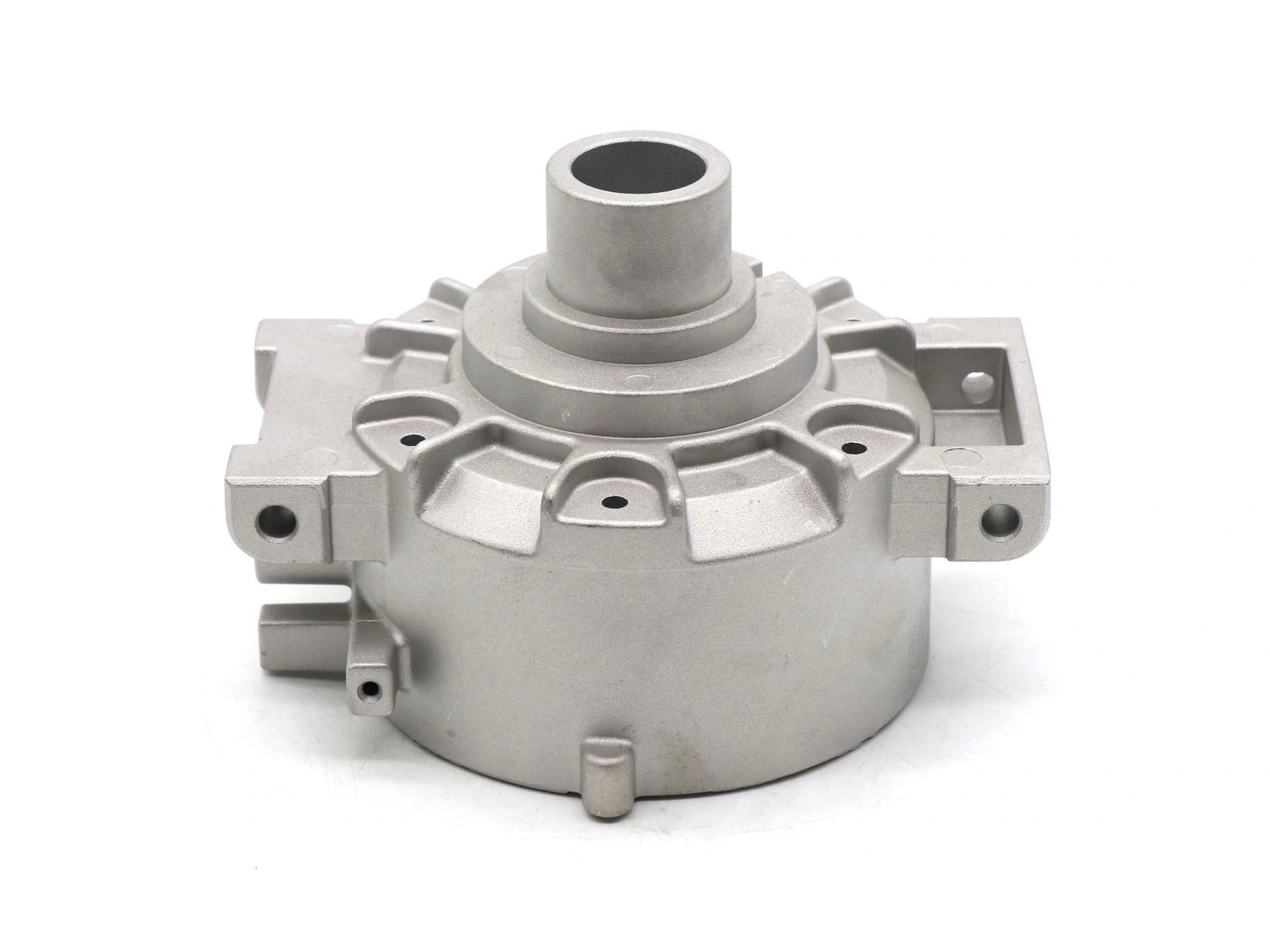
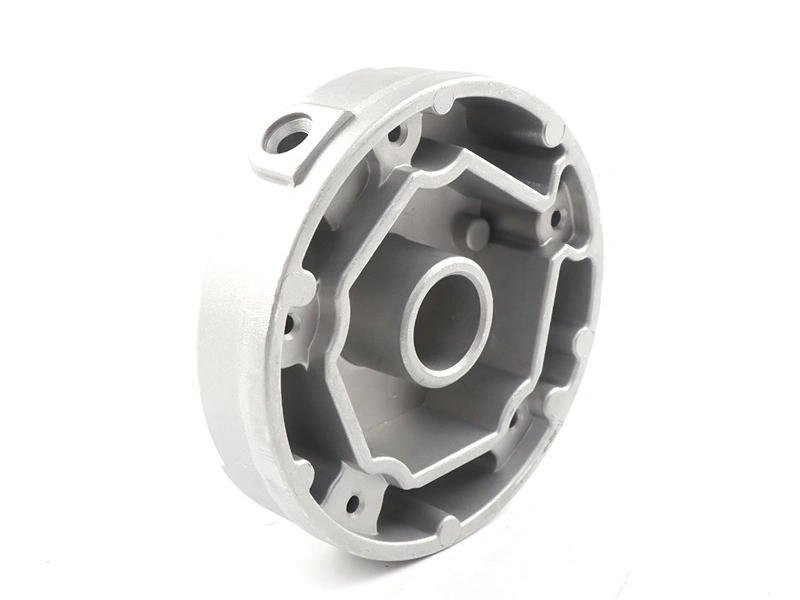
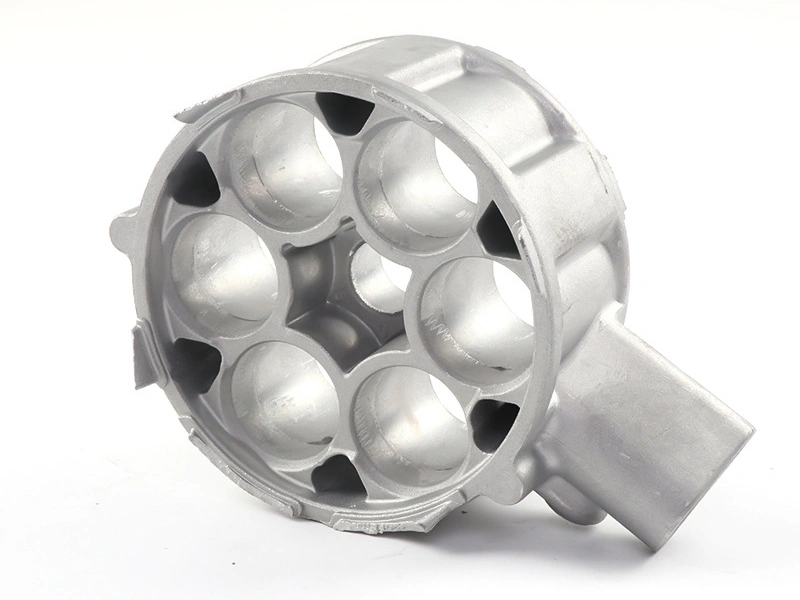
A CNC model may contain zero draft, sharp internal corners and uniform access from multiple setups. A pressure die needs a parting direction, draft, radii, gates, overflows, ejectors and balanced sections. Ribs can replace solid stock, and bosses can be formed near size, but undercuts may require slides. Use the CNC versus casting comparison to screen the route, then complete part-specific DFM.
Keep machining where it buys function. Tight bores, threads, flat sealing lands and alignment datums often remain CNC operations. The cast body should supply stable locating surfaces and controlled stock. If conversion still machines almost every surface, the redesigned casting may not have removed enough recurring cost.
Conversion signal | Meaning | Evidence needed |
|---|---|---|
Stable design and mating interfaces | Tool-obsolescence risk is manageable | Released revisions and forecast variant plan |
High billet removal or several setups | Near-net forming may remove substantial recurring work | Current stock, cycle, fixture and tool-consumption data |
Castable integrated geometry | Ribs, bosses and shell features can share a viable die | DFM with parting, gate, vent, slide and ejection concept |
Limited precision interfaces | Selective post-machining can preserve function | Datum, stock, machining and gauge plan |
Repeatable demand | Recurring savings can repay tooling | Low, expected and high cumulative-volume model |
Calculate a project-specific break-even
For CNC, include stock, programming, setups, machine minutes, cutters, labor, inspection, scrap and finishing. For die casting, include engineering, die, trim tool, fixtures, trial, alloy, machine cycle, yield, machining, finishing, inspection and maintenance assumptions. Compare cash timing as well as cumulative total.
Run at least three demand cases. If casting wins only at the high case, the buyer is accepting forecast risk. Also test a revision case and a lower-than-expected finish yield. There is no honest fixed quantity at which all aluminum parts should switch.
Bridge the transition with evidence
Machined prototypes prove fit and early function but do not reproduce die-cast skin, porosity, draft, residual stress or gate effects. Before full transfer, make representative die-cast samples using the intended alloy, cavity, machining and finish route. Verify dimensions after finishing and run the actual leak, load, thermal or assembly tests.
A low-volume bridge can protect supply while the die and control plan mature. Keep CNC production available until agreed casting acceptance criteria are met. Then manage first repeat orders with cavity traceability and focused capability evidence.
Set a formal transfer gate
The switch date should follow evidence, not the tool-completion date. Define approval for material identity, drawing dimensions, machined interfaces, finish, assembly and application function. Include the production cavity and intended secondary suppliers. A hand-finished trial part or casting measured before coating is not sufficient when the customer receives a coated assembly.
Agree how many consecutive lots or production runs must demonstrate the controls relevant to the product; the quantity should come from the buyer's risk and quality plan. Confirm gauge agreement between supplier and customer before relying on capability data. Record the die revision, machining program, finish source and accepted deviations so later repeat orders reproduce the approved state.
Manage old and new routes in parallel
During transition, distinguish parts by route and revision. A CNC part may use a wrought grade while the casting uses a different specified alloy; they cannot share material certificates or test assumptions. Packaging and labels should prevent mixed stock from entering an assembly trial.
Plan the retirement of CNC fixtures and billet inventory only after the die-cast route meets capacity as well as quality. If customer demand rises faster than casting approval, temporary parallel supply may cost more per part but protect delivery. Include that bridge cost in the conversion decision instead of assuming instantaneous savings.
When CNC should remain
Stay with CNC when demand is low or volatile, the design changes frequently, the geometry needs machining on most surfaces, or the specified wrought material condition is essential and cannot be met by the proposed casting route. CNC may also remain the better route for simple blocks whose casting adds tooling without meaningful feature integration.
Conversion decision
Switch only after a casting-specific redesign, equal-scope cost model and representative finished samples all support the case. The strongest conversion replaces recurring rough material removal while preserving CNC only at function-driving interfaces. Volume starts the analysis; validated design and total cost finish it.