Can One-Stop Manufacturing Reduce the Total Cost of Aluminum Parts?
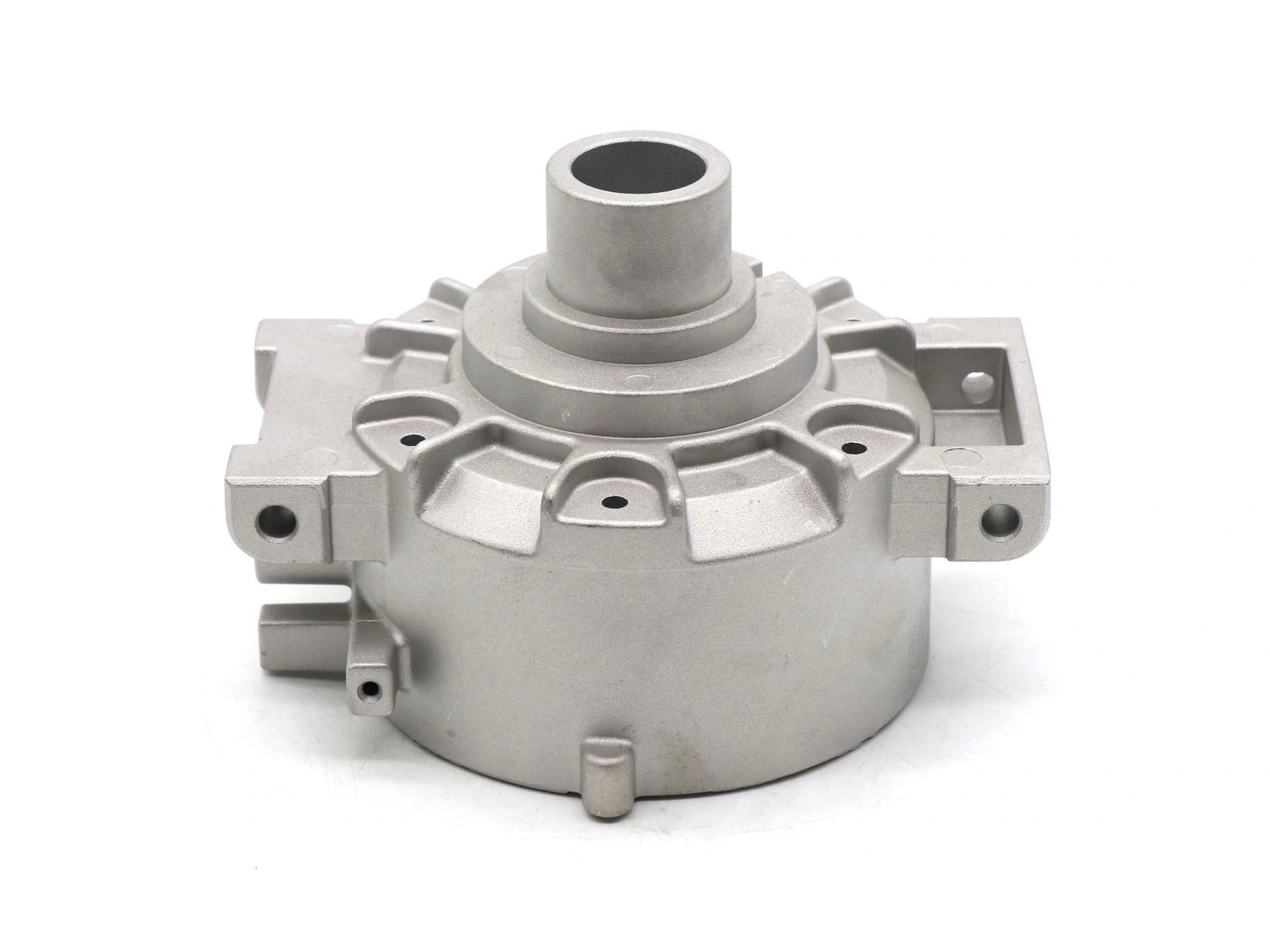
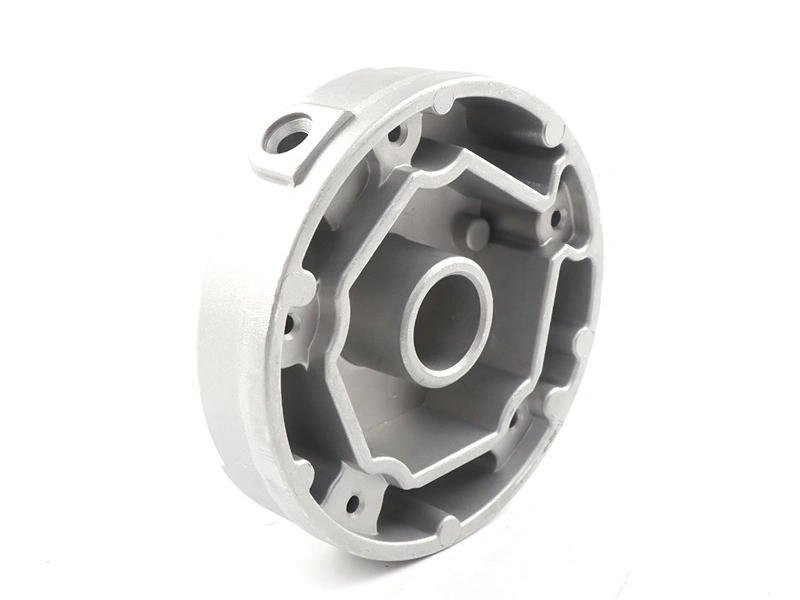
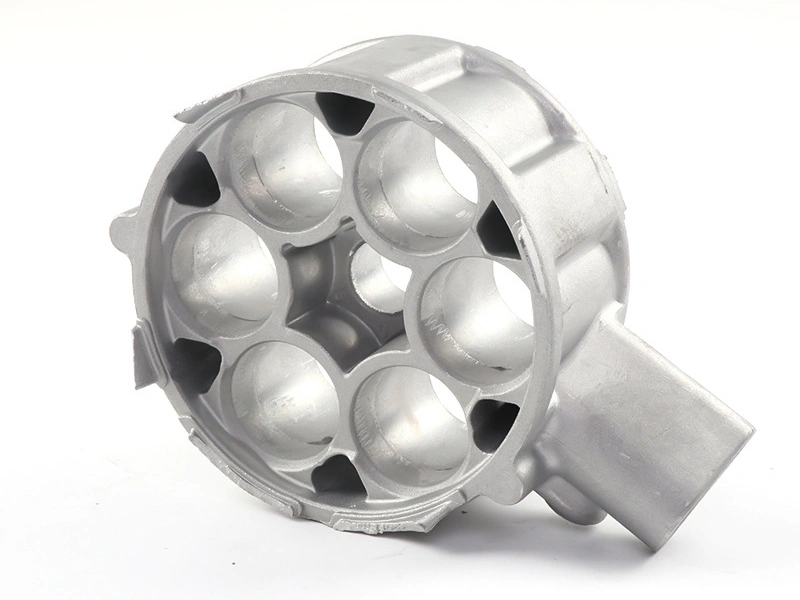
Yes, one-stop manufacturing can reduce total aluminum-part cost when one accountable supplier controls the interfaces among die casting, machining, finishing, assembly and final inspection. Savings come from fewer transports, duplicate inspections, revision handoffs and responsibility gaps. It is not automatically cheaper: buyers must verify technical ownership, subcontractor control, transparent scope and final-product evidence.
The saving is at the interfaces
Casting determines stock, porosity risk and datums for machining. Machining changes surfaces that may later need masking or corrosion protection. Coating adds film to fits and threads. Assembly loads bosses and inserts. When separate suppliers optimize only their operation, the buyer becomes the process integrator and pays for every mismatch.
A coordinated one-stop service can use one drawing revision, traveler and nonconformance path across those steps. The commercial lead should own the delivered component even when a specialist finish is performed outside. That ownership, not the number of company logos involved, creates value.
Plan datums, stock and finish together
Machining fixtures need stable cast locators. Sealing lands need controlled stock and an internal-quality plan. Coated holes need allowance or masking. Rack points should not occupy visible, sealing or grounding zones. Resolving these items in a joint DFM reduces fixture redesign, remachining and finish damage.
Operation order matters. Machining before coating can expose surfaces that need protection; machining after coating can chip the finish. Inserts installed before a cure cycle may see thermal exposure, while insertion afterward can mar appearance. The supplier should show the intended sequence and inspection point for each function-driving characteristic.
Interface | Cost risk with weak coordination | Control to request |
|---|---|---|
Casting to machining | Insufficient stock, unstable datum or exposed porosity | Joint datum/allowance plan and finished-feature validation |
Machining to finish | Blocked holes, bare interfaces or damaged cosmetic faces | Film allowance, masking map, rack points and sequence |
Finish to assembly | Fit interference, poor grounding or joint damage | Final-state gauges and representative assembly test |
Supplier to outside processor | Lost revision, lot identity or acceptance responsibility | Approved source, flow-down, traceability and audit records |
Final inspection to packaging | Approved surfaces damaged during shipment | Packaging trial and post-pack verification where risk requires |
Avoid duplicate inspection without losing control
Separate vendors often repeat incoming checks because process evidence does not travel with the lot. One controlled workflow can inspect a characteristic at the stage where it is meaningful and preserve the result. A machined bore may be measured before coating, but an assembly gauge should confirm its final fit afterward. Removing duplicate checks is sensible only when traceability and change control remain intact.
Use defect ownership based on mechanism. Porosity exposed during machining may originate in casting; coating blistering may involve substrate, cleaning or cure. One supplier should coordinate root-cause evidence rather than invoice repeated sorting. Track cavity, casting lot, machining program, finish batch and assembly lot when their risks justify it.
Check whether one-stop is real
Few suppliers perform every specialist process internally, and that is not inherently a problem. Ask which operations are in-house, which are outsourced, how outside processors are approved, and who releases their work. Verify that drawings, finish specifications and revisions flow down without reinterpretation.
Audit the functions that carry risk: tooling engineering, casting control, machining fixtures and gauges, surface-process qualification, functional testing, nonconformance handling and packaging. A broad capability list without named process owners can hide rather than remove coordination cost.
Require a complete production data package
One commercial owner should maintain the released drawing, DFM disposition, die revision, machining program revision, finish specification, control plan and approved sample identity. The buyer does not need every internal instruction, but must be able to connect delivered lots to the approved process state and understand which changes require notification.
Ask how records from outside processors return to the final supplier. Coating batch, special test results and nonconformance disposition should not disappear at a subcontract handoff. The supplier should reconcile quantities through casting, machining, finish and final acceptance so yield loss is visible rather than absorbed into an unexplained price.
Measure coordination savings
Before consolidating suppliers, record current freight, receiving inspection, project-management time, intercompany scrap disputes, queue time and expedite cost. After transfer, compare the same categories along with unit price and quality loss. This distinguishes a real interface saving from a bundle that simply moves charges between line items.
Review the scope guidance for choosing an integrated aluminum die casting supplier, then verify each claimed operation and process owner against this part. Savings should be visible in fewer handoffs, shorter queues or less rework, not assumed from the service label.
When separate specialists may cost less
A simple raw casting with no finish or assembly may not benefit from an integrated premium. A buyer with strong internal supplier-quality and logistics systems may manage specialist vendors effectively. A regulated or unusual coating may also require direct technical control of a qualified source. Compare both models using the same delivered scope, transport, incoming inspection, management effort and failure responsibility.
Commercial controls
The quotation should separate die, casting, machining, finishing, assembly, inspection, packaging and logistics even if one purchase order covers them. State exclusions, yield assumptions, certificates, sample approval, rework limits and change notification. This transparency prevents coordination savings from becoming an opaque margin.
Define final acceptance at the delivered state. Dimensional reports alone do not prove leakage, torque, electrical contact or cosmetic condition. The supplier should own the specified functional and appearance evidence after all operations, supported by relevant records from specialist processes.
Buyer decision
One-stop manufacturing reduces cost when process interfaces are numerous and one supplier demonstrably controls them. Request a responsibility matrix, complete routing, approved outside-process list, revision flow, traceability plan and final acceptance evidence. Choose integration for accountable coordination, not as a marketing label or an assumption that every bundled operation is cheaper.