How Do Tooling and Production Volume Affect Aluminum Die Casting Cost?
Tooling raises aluminum die casting's initial cost, while production volume determines whether recurring savings repay that investment. Buyers should model die, trim tool, fixtures, samples and qualification against casting, machining, finish, yield and maintenance at several cumulative volumes. There is no universal break-even quantity or die life; geometry, cavity plan, alloy, process window, quality level and changes decide the result.
Define what the tool quote includes
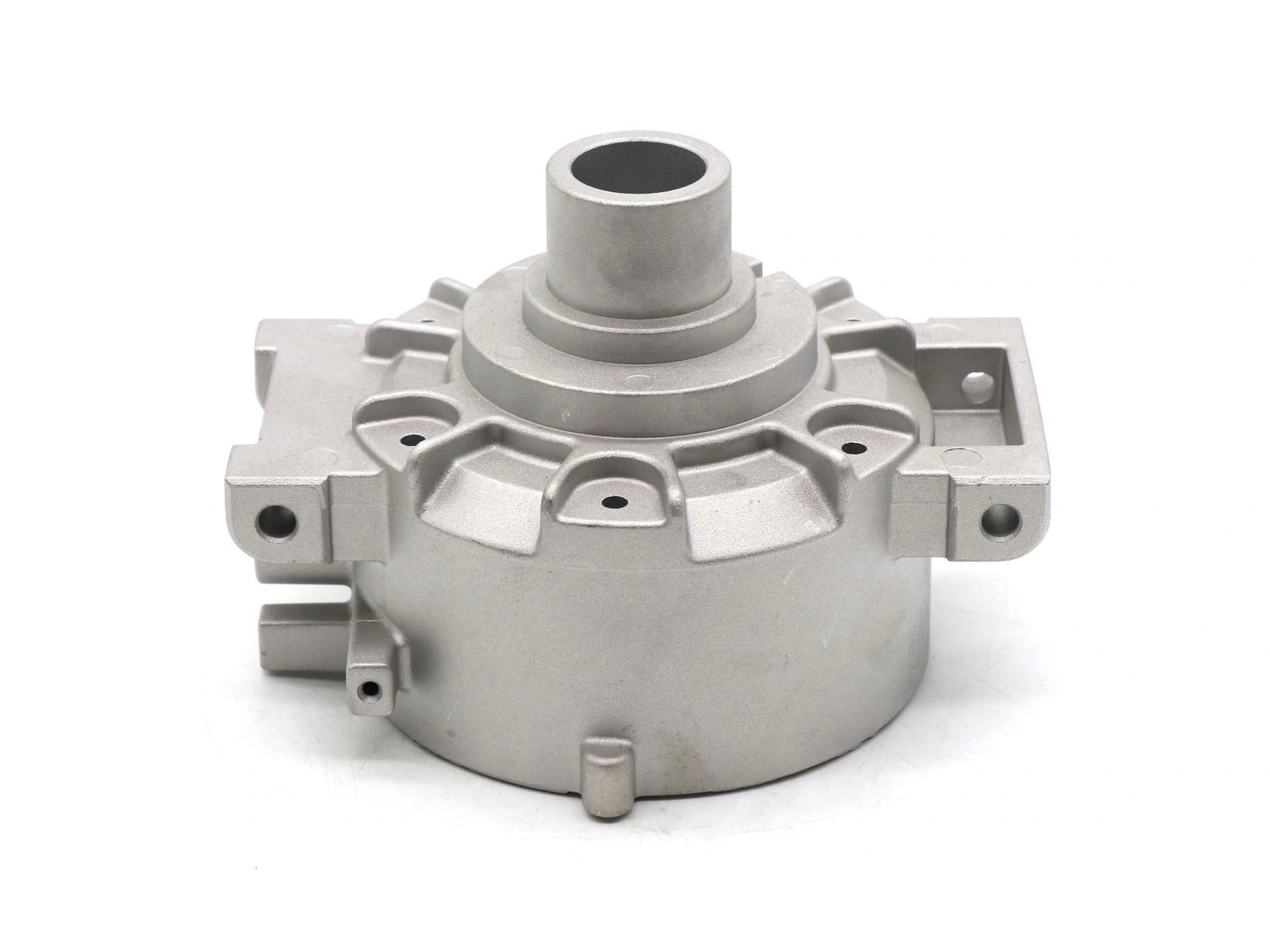
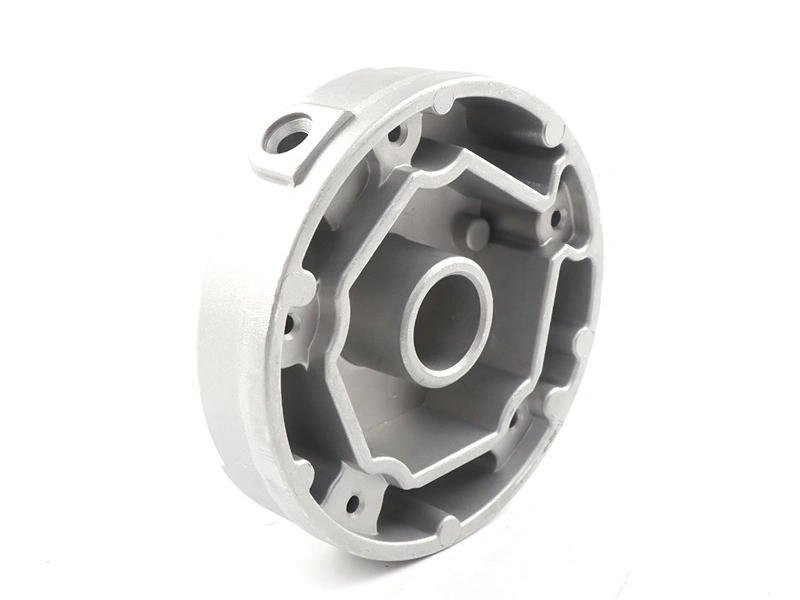
A production tooling package can include die base, cavity and core inserts, slides, cooling, vacuum features, ejectors, trimming tool, machining fixtures, gauges, samples and engineering revisions. Two suppliers may use the same word "mold" for different scopes. Normalize ownership, included trial changes, spare components, maintenance, storage and transfer terms.
Tool and die making decisions should match the part and demand. Ask which steel and heat treatment are proposed, where thermal fatigue, erosion or soldering is expected, and what remains adjustable after trial. These explanations are more useful than an unsupported promised shot count.
Amortization is only one volume effect
Dividing tooling cost by lifetime quantity gives an amortized amount, but volume also changes the suitable cavity count, automation, maintenance stock and inspection strategy. Peak weekly demand can require more capacity even when lifetime volume is moderate. A slow ramp may leave an expensive multi-cavity die underused.
Model at least low, expected and high scenarios, with timing. Include demand volatility and a possible design revision. The relevant comparison is cumulative delivered cost and available capacity, not only the mature unit price.
Scenario input | Tooling implication | Commercial question |
|---|---|---|
Low or delayed demand | Simpler or fewer-cavity tooling may preserve cash and flexibility | Can recurring savings still recover the investment? |
Stable expected demand | Cavity and cell can be sized to sustainable output | What uptime, yield and maintenance assumptions support the price? |
High peak demand | More cavities, duplicate tools or automation may be evaluated | Does added capacity reduce delivered cost without balance risk? |
Likely product variants | Replaceable inserts may isolate selected geometry | Which changes are possible and who pays? |
Long repeat program | Maintenance access and replaceable wear regions gain value | What records and triggers protect continued output? |
Choose cavity count by process and demand
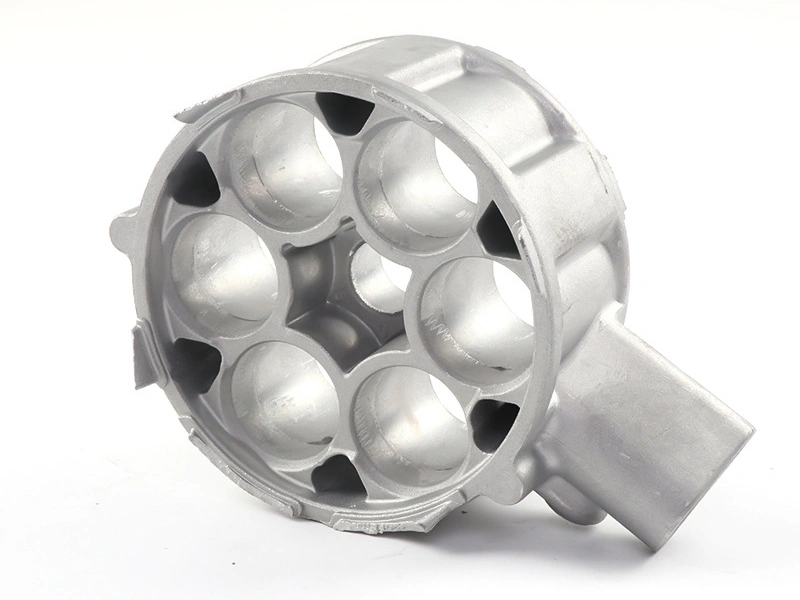
Multiple cavities can reduce machine time per part, but enlarge the die and make fill, venting, cooling and ejection balance harder. One damaged cavity can disrupt output or create mixed-cavity inspection. Ask whether cavities are independently identifiable and what happens commercially if one is disabled.
Family tooling puts different parts in one die. It can share a cycle, yet different projected areas, fill lengths or thermal masses may not share a stable process window. Use it only after technical balance and matched demand are demonstrated, not because a quotation table shows fewer tools.
Include maintenance and quality loss
Maintenance cost includes planned cleaning and inspection, insert repair, polishing, flash control and verification after work. Track observable triggers such as flash growth, cavity-surface change, dimensions or process imbalance. Repairs can affect nearby geometry and finish, so focused revalidation belongs in the plan.
A low initial tool price can be offset by slow cycles, poor yield, frequent stoppage or manual correction. Conversely, a high tool price is not inherently economical. Request the assumptions linking added cooling, inserts or controls to output and quality. Evidence should come from trial and repeat-production records.
Align payment with verifiable milestones
Tooling cash flow can be tied to design approval, die completion, first trial and final acceptance rather than treated as one undefined payment. The exact arrangement is commercial, but each milestone needs an objective deliverable: approved DFM, dimensional and material results, finished samples, correction list and accepted production state. This prevents disagreement about whether the die is complete when parts still require unquoted manual correction.
Separate buyer-requested changes from supplier corrections. A new connector position after DFM approval is a design change; flash, fill or dimensional issues against the approved design are process-development matters. Record authorization, die revision, price and validation impact for either case.
Price capacity and contingency
Volume planning must include required delivery rate, not only annual total. Ask for sustainable output after expected maintenance and quality checks. If one die cannot cover peak demand, compare additional cavities, a duplicate die, inventory build or another qualified route. The least expensive option depends on the financial cost of shortage and forecast confidence.
Spare inserts are useful for regions expected to wear or for features needed in several variants, but unnecessary spares tie up cash and may become obsolete. Identify which components are replaceable, their manufacturing data and the inspection needed after replacement. This creates a defensible contingency rather than a vague maintenance reserve.
Manage tooling change exposure
Tooling economics collapse when a major product revision arrives before savings accumulate. Freeze interfaces, loads and finish boundaries before die release. Use insert strategies for credible variants where they do not weaken the tool or disturb flow. Record die and insert revisions and require approval before physical changes.
Quotation data for tooling and volume
Provide annual, peak and lifetime quantities; ramp timing; product revision risk; required delivery rate; drawing and finish; and validation scope. Ask for separated tool and recurring prices, cavity plan, machine basis, expected included samples, maintenance responsibility and capacity assumptions. The mass-production route is economical only when these assumptions match real demand.
Decision rule
Select the tooling plan that meets demand and quality at the lowest risk-adjusted cumulative cost, not the lowest initial tool price or lowest mature unit quote. Recalculate when forecast, design, finish or capacity changes; those inputs can move the break-even more than a small difference in tool price.