What Design Factors Affect Low Pressure Die Casting Quality?
What Design Factors Affect Low Pressure Die Casting Quality?
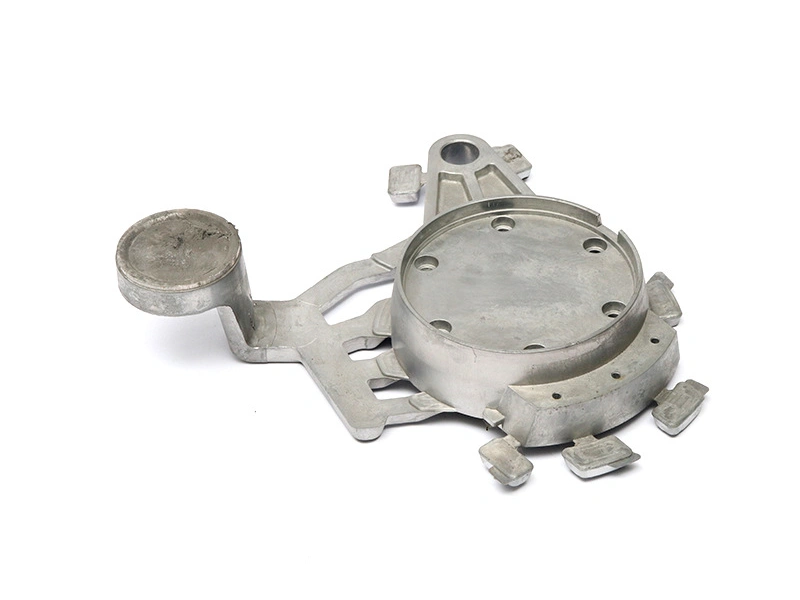
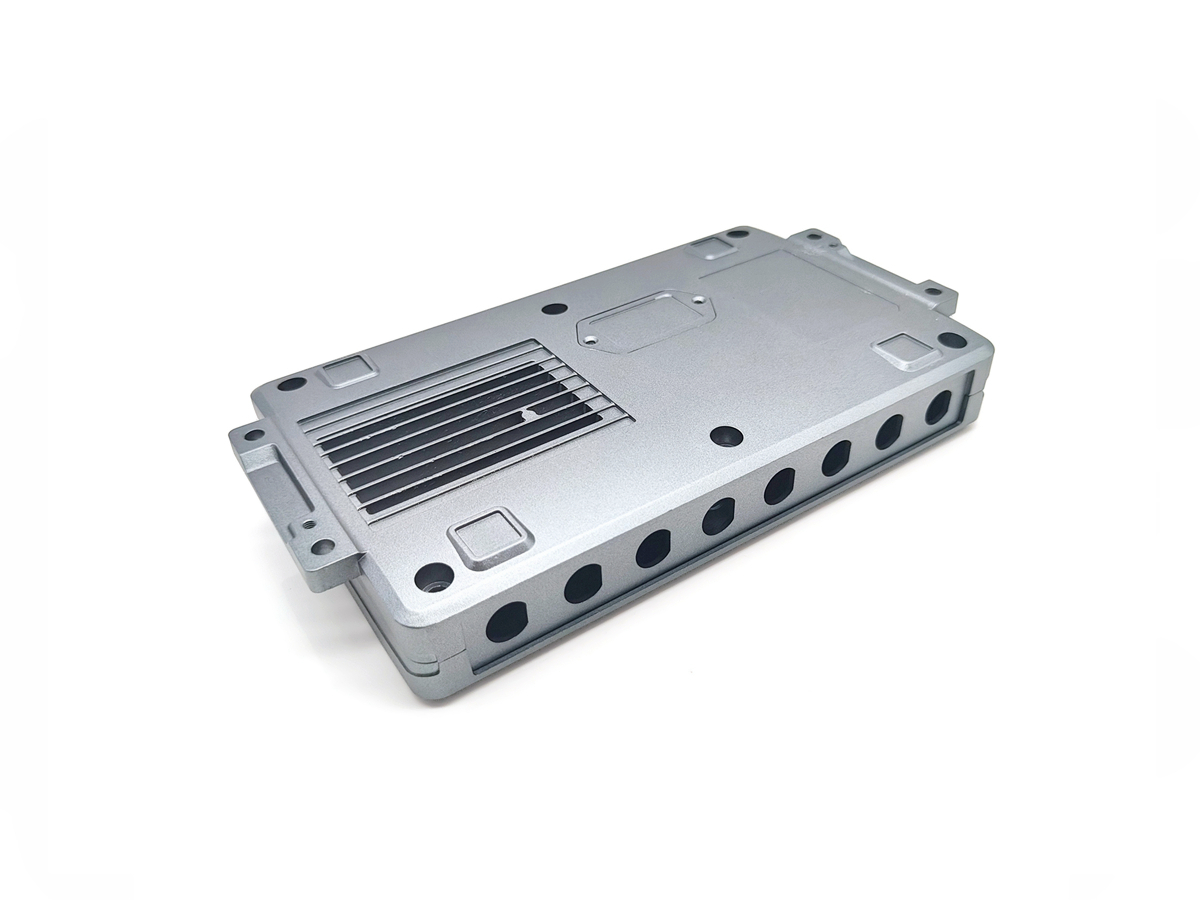
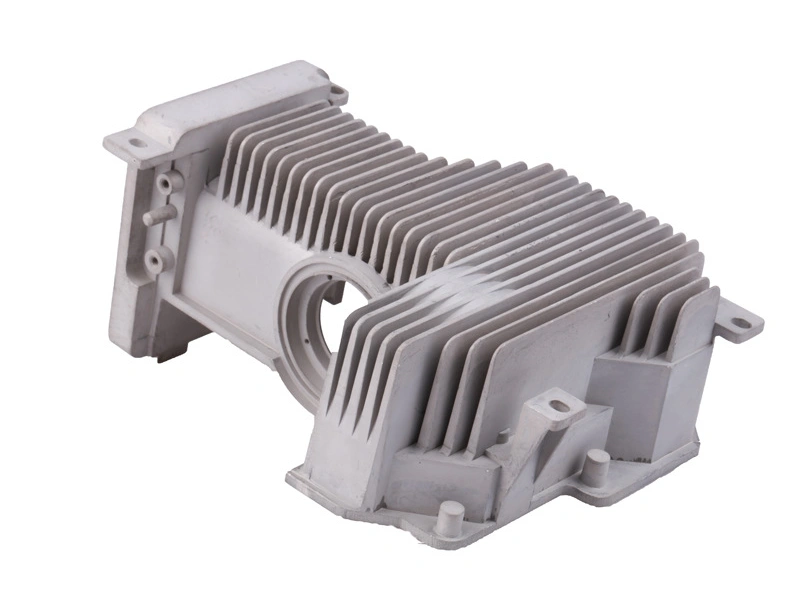
Low pressure die casting quality is affected by wall thickness, section transitions, ribs, bosses, fillets, feeding paths, solidification behavior, machining allowance, surface finish areas and assembly interfaces. These factors should be reviewed before tooling so the casting route, mold design, CNC plan and inspection method can work together.
1. Why Design Review Is Important Before Tooling
A part drawing may show the final function, but it may not fully show whether the part is suitable for low pressure die casting. Thick sections, abrupt wall transitions, heavy bosses, sharp corners, unclear functional surfaces and missing machining allowance can all create quality problems during trial casting.
Neway can support design review for low pressure casting and engineering support for casting quality before tooling begins.
Design Factor | Quality Risk | Planning Method |
|---|---|---|
Uneven wall thickness | Shrinkage, deformation or internal defect risk. | Optimize section transitions. |
Thick bosses | Hot spots, shrinkage and porosity. | Review feeding, wall balance or redesign. |
Sharp corners | Stress concentration and filling problems. | Add suitable fillets. |
Machining areas | Insufficient stock for post-machining. | Add machining allowance before tooling. |
Cosmetic surfaces | Visible defects or finishing problems. | Plan tooling and surface finishing early. |
Assembly interfaces | Fit failure or unstable functional dimensions. | Define critical dimensions and inspection points. |
2. How Wall Thickness and Section Transitions Affect Quality
Wall thickness affects filling and solidification. Sudden thickness changes can create hot spots, shrinkage, porosity or deformation. Thick bosses and heavy sections should be reviewed carefully because they may need geometry adjustment, feeding review or additional process planning.
For complex structures, Neway can support manufacturable casting design to improve quality before mold manufacturing.
3. How Machining, Finish and Assembly Needs Affect Design
Low pressure die casting parts may still need post-machining for holes, datum faces, sealing surfaces, mounting faces or assembly interfaces. Buyers should define post-machining planning for cast parts before tooling so the casting has enough material and the correct reference surfaces.
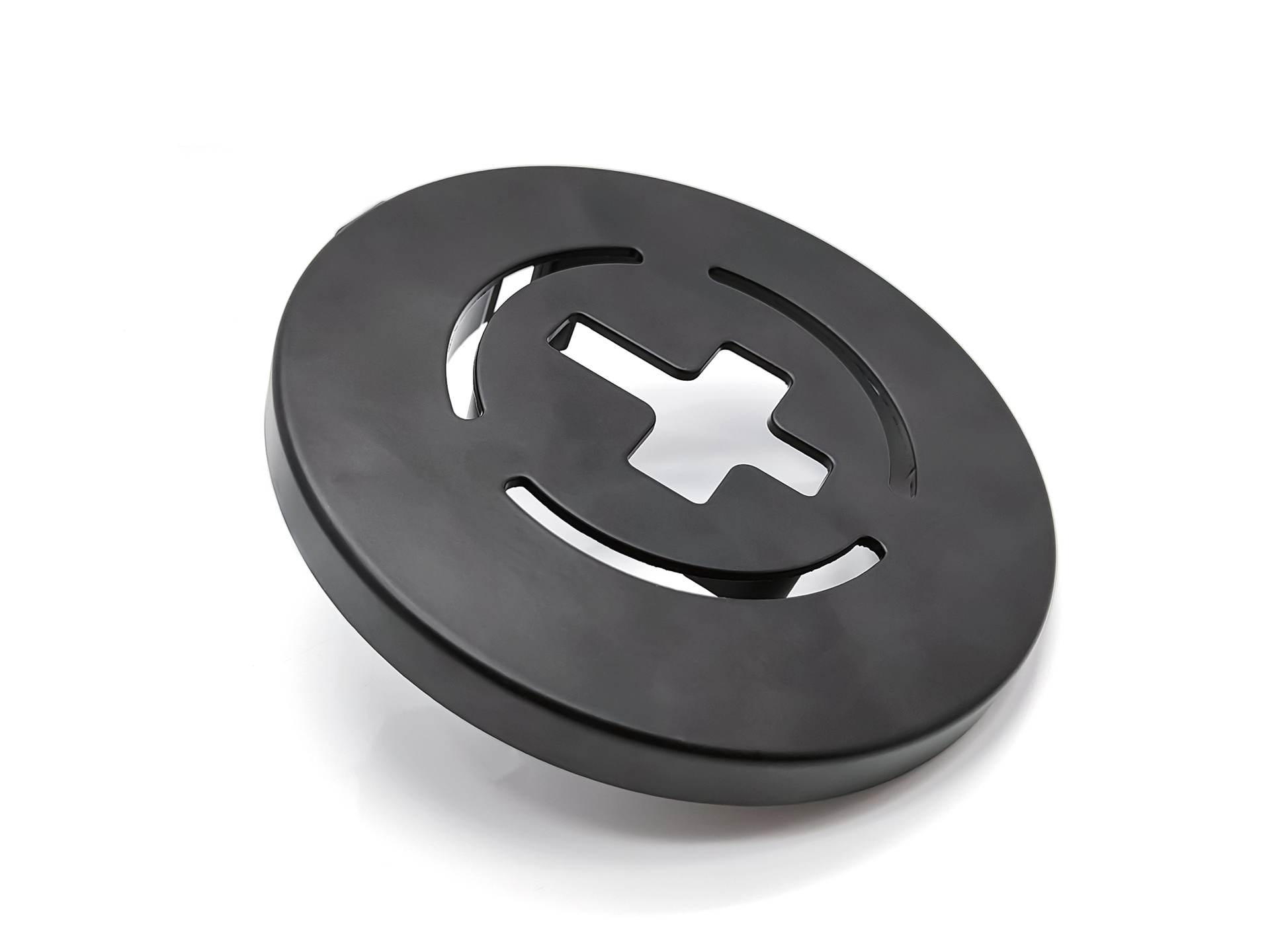
Cosmetic surfaces and surface finish requirements should also be reviewed early. If visible faces are not planned before tooling, the final part may pass basic dimensions but fail appearance or finishing expectations.
Design Risk | Possible Result | Recommended Control |
|---|---|---|
Drawing only considers function. | Casting solidification and internal quality problems may appear. | Run design and engineering review before tooling. |
Large wall thickness changes are not reviewed. | Shrinkage, deformation or porosity may occur. | Optimize transitions and review feeding paths. |
Machining allowance is missing. | Functional surfaces may not be corrected after casting. | Define machined areas before mold design. |
Cosmetic surfaces are unclear. | Visible defects or finishing issues may appear. | Mark visible surfaces and finishing requirements early. |
Assembly dimensions are not defined. | Parts may fail in final product assembly. | Define critical dimensions, datum surfaces and fit requirements. |
4. How Neway Supports Low Pressure Casting Design Review
Neway can review low pressure die casting projects before tooling by checking geometry, material, wall thickness, thick sections, machining allowance, finish requirements and assembly interfaces. Neway can also support tooling for low pressure casting so mold planning is connected with casting quality, CNC and inspection.
Summary
Buyer Concern | Recommended Design Action |
|---|---|
Will the part cast reliably? | Review wall thickness, section transitions, bosses, ribs, fillets and solidification behavior. |
Will functional areas meet requirements? | Define machined surfaces, datum areas, critical dimensions and inspection points. |
Will appearance requirements be met? | Mark cosmetic surfaces and surface finish areas before tooling. |
When should DFM review happen? | Before tooling, so casting, CNC and inspection risks can be reduced early. |