When Should Buyers Choose Aluminium Die Casting Instead of CNC Machining?
When Should Buyers Choose Aluminium Die Casting Instead of CNC Machining?
Buyers should choose aluminium die casting instead of full CNC machining when the part design is stable, the expected quantity is medium to high, the structure is complex, and long-term unit cost control is important. CNC machining is very useful for prototypes, small batches, and high-precision solid-machined parts, but aluminium die casting is usually more suitable when buyers need repeatable production, complex geometry, reduced material waste, and scalable manufacturing.
The better question is not simply whether CNC machining is cheaper than die casting. Buyers should compare quantity, part structure, material waste, lead time, tolerance requirements, surface treatment, tooling investment, and mass production plan. In many projects, buyers first use CNC machining for prototypes, then move into die casting tooling and mass production after the design is confirmed.
1. Quick Comparison: Aluminium Die Casting vs CNC Machining
Decision Factor | CNC Machining Is Better When... | Aluminium Die Casting Is Better When... |
|---|---|---|
Project stage | The design is still changing or needs early prototype validation | The design is stable and ready for production planning |
Quantity | The order is for prototypes, samples, or small batches | The annual demand is medium to high and repeated |
Part structure | The part is simple or requires solid block machining | The part has complex housings, ribs, bosses, brackets, or thin-wall structures |
Cost target | Low upfront cost is more important than long-term unit cost | Long-term unit cost reduction is more important after tooling investment |
Precision requirement | Most surfaces require tight tolerance and direct machining | Only key holes, threads, sealing faces, and datums need CNC post-machining |
Production plan | The buyer needs fast validation before final production decisions | The buyer needs stable batch production and scalable supply |
2. When CNC Machining Is the Better First Choice
CNC machining is often the better first choice when buyers need prototypes, small batches, fast design verification, or high-precision parts without tooling investment. It is also useful when the design is still changing and the buyer does not want to modify a die casting mold later.
Best CNC Machining Scenario | Why CNC Machining Fits | Buyer Benefit |
|---|---|---|
Prototype validation | CNC samples can be produced faster without die casting tooling | Helps test shape, size, holes, threads, and assembly early |
Small batch production | No mold investment is required for limited quantities | Reduces upfront cost before demand becomes stable |
Design is not frozen | CNC parts can be revised more easily than die casting molds | Reduces mold modification risk |
High-precision solid-machined part | CNC machining can directly control tight dimensions on many surfaces | Useful when the full part requires precision machining |
3. When Aluminium Die Casting Is the Better Production Choice
Aluminium die casting becomes more suitable when the design is stable, the quantity increases, and the buyer needs better long-term cost control. Die casting can form complex shapes efficiently, reduce machining time on non-critical areas, and support repeated batch production after tooling is validated.
Best Aluminium Die Casting Scenario | Why Die Casting Fits | Buyer Benefit |
|---|---|---|
Medium to high volume production | Tooling cost can be spread across repeated production quantities | Reduces long-term unit cost |
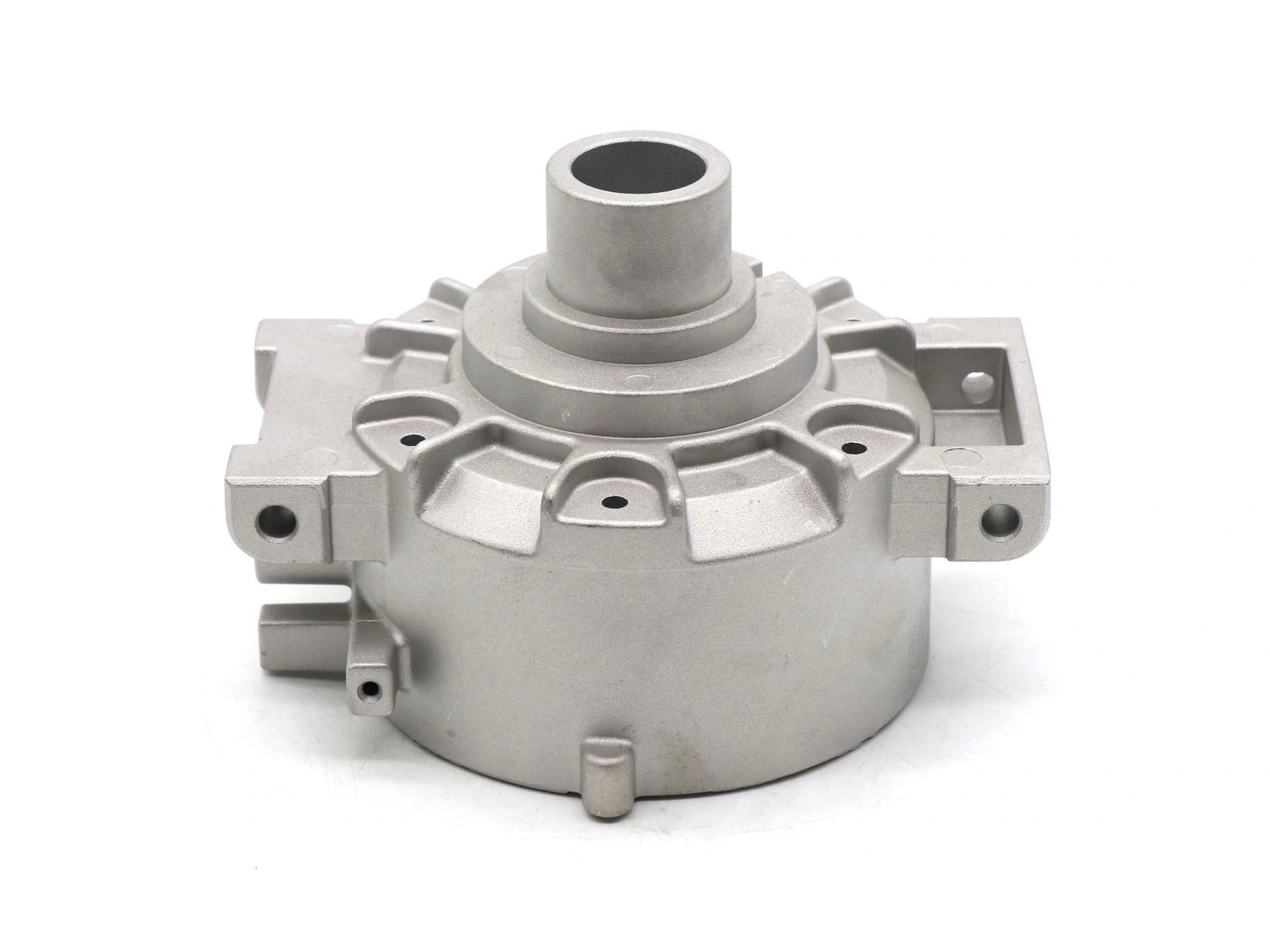
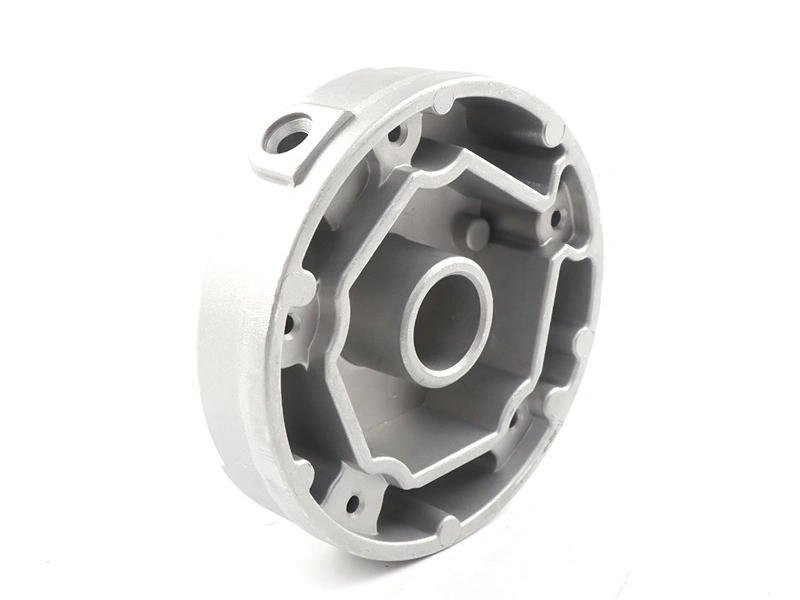
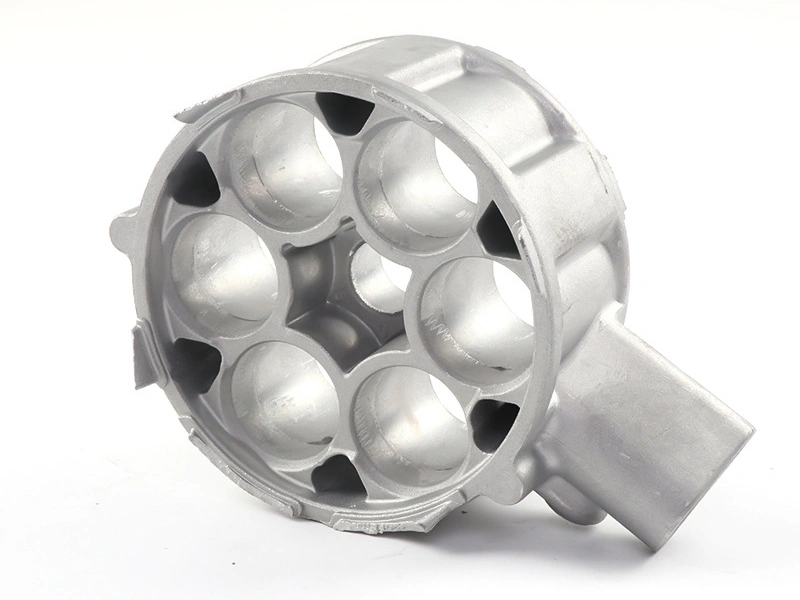
Complex aluminum housings | Ribs, bosses, covers, brackets, and thin-wall shapes can be formed in the mold | Reduces full CNC machining time and material waste |
Stable product design | Once geometry is confirmed, tooling can support repeatable production | Improves dimensional consistency and production scalability |
Long-term cost reduction | Die casting can reduce repeated machining operations on suitable parts | Improves total project cost when demand is stable |
4. Why Many Projects Start with CNC Prototypes
Many aluminium die casting projects begin with CNC prototypes because buyers need to validate design before investing in die casting tooling. CNC prototypes help check shape, hole locations, threaded features, sealing faces, assembly fit, and basic functional performance. This is useful when the design is still under review.
However, CNC prototypes cannot fully represent die casting material flow, shrinkage, porosity, gate marks, parting lines, or tooling-related surface conditions. If the final production method will be aluminium die casting, the supplier should still perform DFM review before mold manufacturing.
CNC Prototype Can Validate | CNC Prototype Cannot Fully Validate |
|---|---|
Overall geometry | Die casting flow behavior |
Hole positions and threads | Shrinkage and porosity risk |
Assembly fit | Gate marks and parting line effects |
Sealing face layout | Die casting surface quality after mold trial |
Basic functional testing | Tooling cooling, venting, and ejection behavior |
5. When to Move from CNC Machining to Die Casting Tooling
Buyers should consider moving from CNC machining to die casting tooling when the design is frozen, the annual demand is increasing, the CNC machining cost is too high, the part structure is suitable for casting, and the buyer needs stable production quality. At this stage, aluminium die casting can reduce long-term cost while CNC machining can still be used after casting for critical functional areas.
Move to Die Casting When... | Why It Matters | Production Benefit |
|---|---|---|
The design is frozen | Tooling should be made only after geometry is confirmed | Reduces mold modification risk |
Annual volume is higher | More parts make it easier to spread tooling cost | Improves long-term unit cost |
CNC machining time is too long | Full machining may waste time and material on complex shapes | Die casting forms the main geometry more efficiently |
The part has complex structure | Housings, ribs, bosses, and brackets can be formed by casting | Reduces repeated machining and assembly steps |
Mass production is planned | Stable tooling supports repeatable output | Improves production consistency and delivery planning |
6. Why CNC Machining Is Still Needed After Die Casting
Choosing aluminium die casting does not mean eliminating CNC machining completely. Many die cast parts still need CNC machining after die casting for critical functional features. Die casting forms the main shape, while CNC machining controls precision areas that affect assembly, sealing, fastening, and inspection.
CNC Machined Area | Why It Is Needed After Die Casting | Buyer Benefit |
|---|---|---|
Mounting holes | Hole size and position may need tighter accuracy than as-cast features | Improves assembly fit |
Threads | Threads usually require drilling and tapping after casting | Improves fastening reliability |
Sealing faces | Flatness and roughness must be controlled for sealing performance | Reduces leakage risk |
Assembly datums | Datums control machining setup, inspection, and final assembly position | Improves dimensional consistency |
Bearing or mounting surfaces | Functional contact areas may need precision finishing | Improves fit, alignment, and product reliability |
7. How Buyers Should Compare Cost Correctly
Buyers should not compare CNC machining and aluminium die casting only by one sample price. CNC machining usually has lower upfront cost because no die casting mold is required. Aluminium die casting has tooling cost, but it can reduce long-term unit cost when the production quantity is large enough.
Cost Item | CNC Machining | Aluminium Die Casting |
|---|---|---|
Upfront cost | Usually lower because no production mold is needed | Higher because tooling is required |
Unit cost at low quantity | Often more practical for prototypes and small batches | May be less economical if quantity is too low |
Unit cost at higher quantity | May remain high due to repeated cutting time and material waste | Can become more cost-effective after tooling cost is spread over volume |
Material waste | Can be high when machining complex parts from solid blocks | Can reduce waste by forming near-net shapes |
Post-processing | May still need finishing, inspection, and surface treatment | May need CNC machining, polishing, coating, painting, or inspection after casting |
8. What Buyers Should Confirm Before Choosing the Process
Before choosing CNC machining or aluminium die casting, buyers should confirm the part quantity, annual demand, design maturity, material requirement, part structure, tolerance requirements, surface treatment, lead time, target cost, and whether the project will move into mass production.
Buyer Should Confirm | Why It Matters | How It Helps Process Selection |
|---|---|---|
Quantity and annual demand | Volume strongly affects whether tooling cost can be justified | Helps compare prototype, low volume, and mass production routes |
Design maturity | Changing a CNC prototype is easier than changing a die casting mold | Helps decide whether to prototype first or start tooling |
Part structure | Complex housings and ribs may be more suitable for die casting | Helps reduce unnecessary full CNC machining |
Tolerance requirements | Some features may need CNC machining even after casting | Helps identify machined holes, threads, sealing faces, and datums |
Lead time and budget | Prototype speed and production cost may require different process routes | Helps balance speed, tooling investment, and long-term cost |
9. Summary
Question | Answer |
|---|---|
When should buyers choose CNC machining? | CNC machining is suitable for prototypes, small batches, early design validation, and high-precision solid-machined parts. |
When should buyers choose aluminium die casting? | Aluminium die casting is suitable for stable designs, medium to high production volume, complex structures, and long-term unit cost control. |
Can buyers use both processes? | Yes. Many projects start with CNC prototypes, then move into die casting tooling and mass production after the design is confirmed. |
Is CNC machining cheaper than die casting? | It depends on quantity, structure, material, tolerance, lead time, tooling cost, and production plan. CNC may be better for low volume, while die casting may be better for repeated production. |
Is CNC machining still needed after die casting? | Often yes. Critical holes, threads, sealing faces, mounting surfaces, and datums usually need CNC machining after die casting. |
In summary, buyers should choose CNC machining when they need prototypes, small batches, fast design validation, or high-precision solid-machined parts. They should choose aluminium die casting when the design is stable, annual demand is higher, the structure is complex, and long-term unit cost control matters. Many projects use CNC machining for prototypes first, then move into aluminium die casting tooling and mass production after the design, material, tolerance, and assembly requirements are confirmed.