How Can Alloy Choice Reduce Failure Risk Before Aluminum Die Casting Tooling?
How Can Alloy Choice Reduce Failure Risk Before Aluminum Die Casting Tooling?
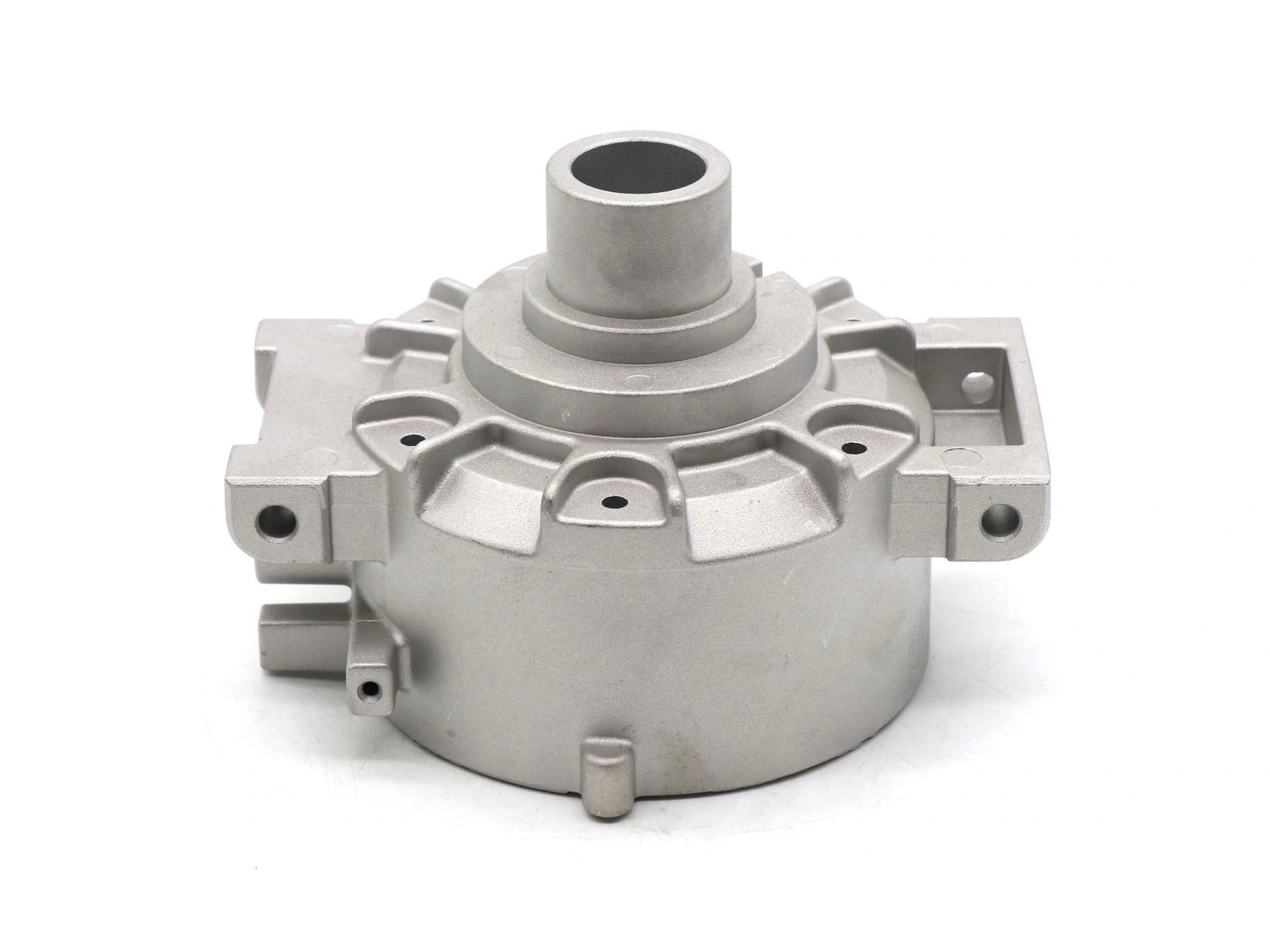
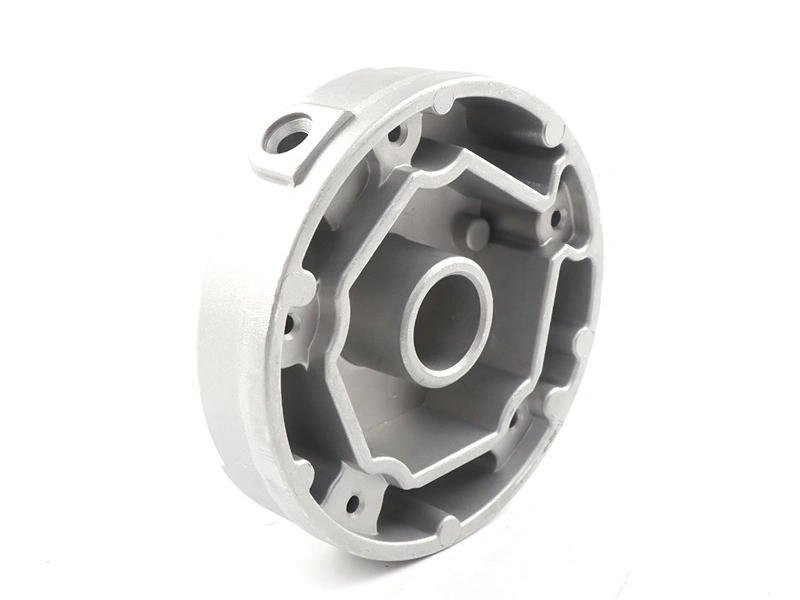
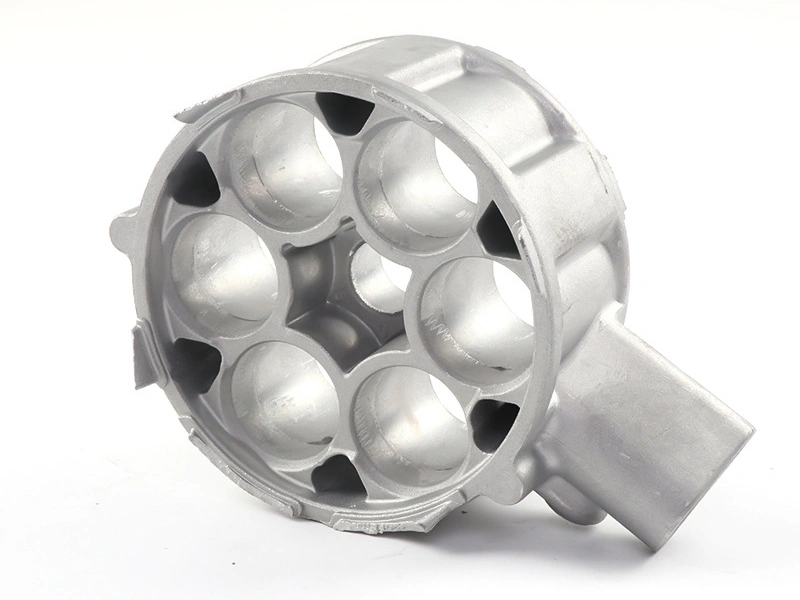
Alloy choice can reduce failure risk before aluminum alloy die casting tooling by helping the supplier evaluate casting flow, wall thickness, shrinkage risk, machining allowance, surface finish compatibility and long-term production stability before the mold is built.
This FAQ is useful for buyers who are preparing to start tooling but have not fully confirmed the material requirement. A project may look feasible on the drawing, but if material, part design and tooling are not reviewed together, trial samples may show porosity, shrinkage, warpage or machining problems.
1. Review Alloy Suitability Before Tooling
Tooling Risk Check | What Buyers Should Confirm | Failure Risk Reduced |
|---|---|---|
Alloy suitability | Whether the alloy direction fits the target structure and production volume | Wrong material route and unstable sampling |
Casting flow | Whether the part can fill thin walls, ribs and complex sections reliably | Incomplete filling and cold shut defects |
Wall thickness | Whether thick and thin sections are balanced for the selected alloy | Shrinkage, porosity and warpage |
Ribs and bosses | Whether local thick areas create shrinkage or hot spot risks | Trial sample defects and mold modification |
2. Check Tooling Design, Machining and Surface Needs
Before tool and die making, the supplier should complete an alloy-based DFM review. This should include tooling layout, gate and venting design, cooling, machining areas and cosmetic surfaces.
Pre-Tooling Check | Why It Matters | Risk if Ignored |
|---|---|---|
Gate and venting | Controls filling, air release and defect movement | Porosity and incomplete filling |
Cooling design | Controls shrinkage, warpage and dimensional repeatability | Unstable trial samples and batch variation |
CNC machining allowance | Reserves material for holes, threads, sealing faces and datum surfaces | Machined surfaces fail to clean up |
Cosmetic surfaces | Checks whether parting lines, gates and ejector marks affect visible areas | Appearance rejection and finishing rework |
3. Understand Common Risks After Poor Alloy Review
If alloy suitability is not confirmed before tooling, the supplier may only discover production problems after the mold has already been built. At that stage, corrections usually cost more and delay delivery.
Possible Problem | Likely Cause | Buyer Impact |
|---|---|---|
Porosity in trial samples | Material, venting, wall thickness or filling route not reviewed together | Sample rejection and tooling correction |
Local shrinkage | Bosses, ribs or thick sections create hot spots | Appearance and strength concerns |
Warpage | Unbalanced thickness, cooling or ejection planning | Flatness failure and assembly risk |
Exposed pores after machining | Machined faces placed in high-risk areas or allowance not planned | Leakage, appearance rejection and scrap |
Coating reveals defects | Surface finish compatibility was not validated early | Finishing rework and batch delays |
4. Compare Tooling Risks Across Material Routes
Some buyers may need to compare aluminum tooling with zinc die casting tooling for compact precision parts or copper alloy die casting tooling for functional components. A custom metal casting production review helps buyers compare tooling risk before investment.
5. Summary
Before Tooling, Buyers Should Confirm | Main Purpose |
|---|---|
Alloy suitability and casting flow | Reduce incomplete filling and sampling failure |
Wall thickness, ribs and bosses | Reduce shrinkage, porosity and warpage |
Gate, venting and cooling design | Improve tooling and casting stability |
CNC machining allowance and surface finish compatibility | Reduce machining scrap and finishing rejection |
In summary, alloy choice can reduce aluminum die casting tooling risk when it is reviewed together with part design, mold structure, CNC machining and surface finishing. Buyers should ask for alloy-based DFM review before tooling to reduce trial sample failure, mold modification and batch scrap.