How Can Buyers Check Tooling, Machining and Surface Finish Support?
How Can Buyers Check Tooling, Machining and Surface Finish Support?
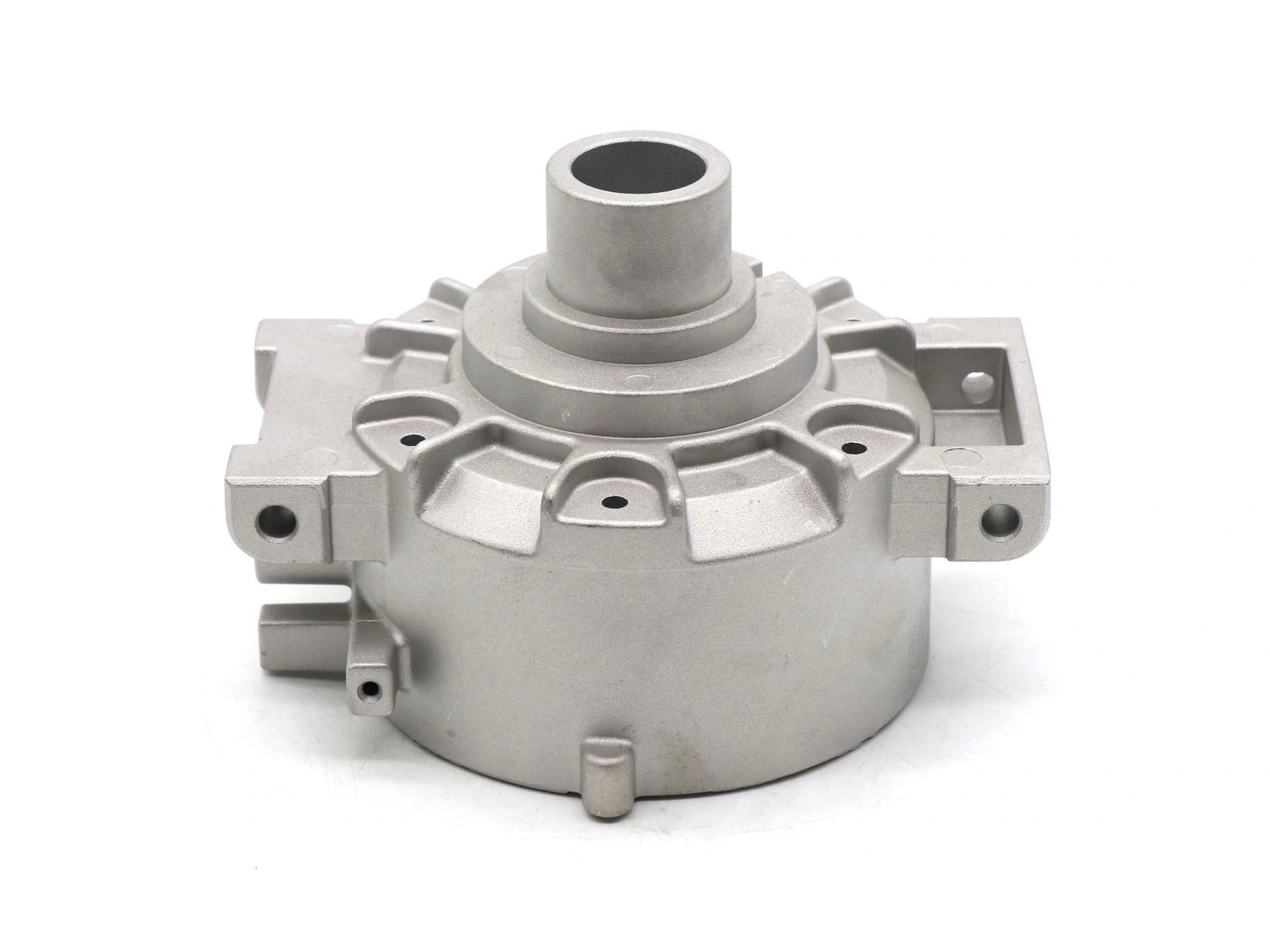
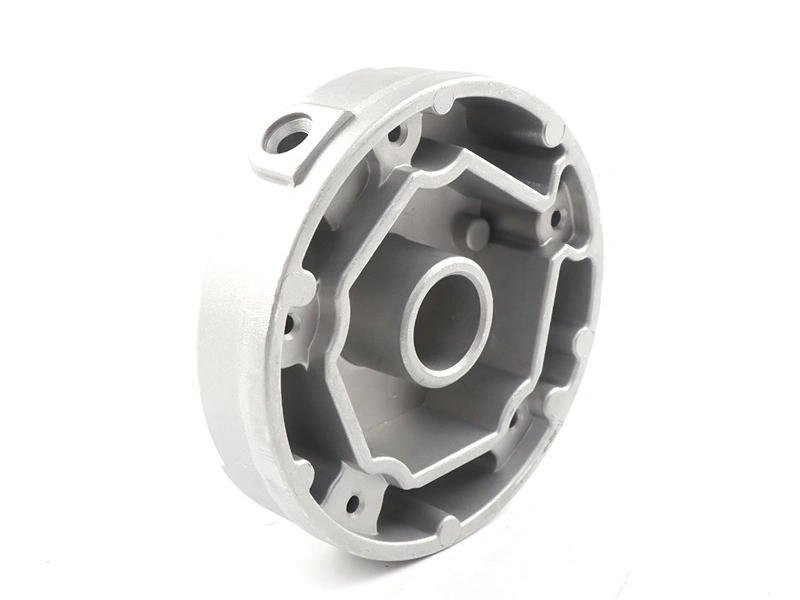
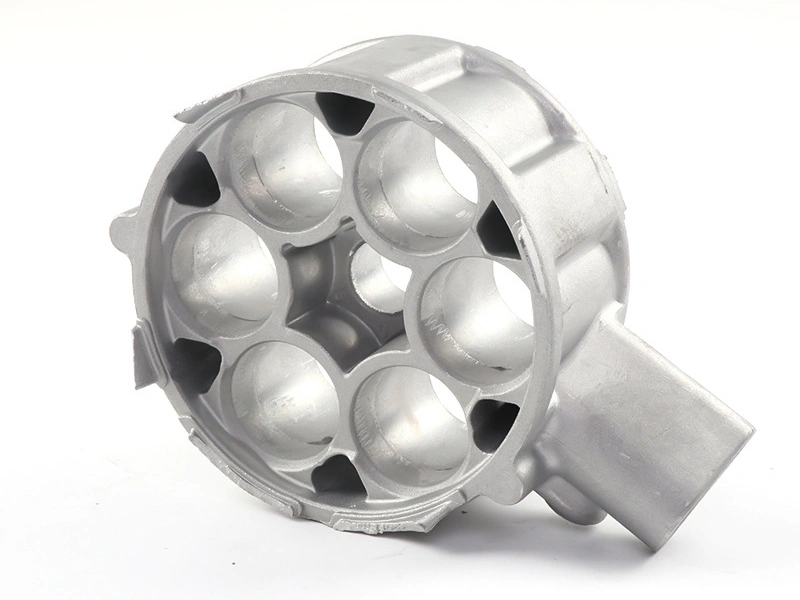
Buyers can check aluminum die casting supplier support by reviewing whether the supplier can perform DFM review before tooling, plan gate, venting, cooling and ejector pins, confirm machining allowance, machine holes, threads, sealing faces and datum surfaces, manage polishing, painting or powder coating, define cosmetic surface standards, provide sample inspection and handle batch quality feedback.
If an aluminum die casting supplier only handles casting but does not understand tooling, CNC machining and surface finishing, later problems may include insufficient machining allowance, appearance disputes, unstable dimensions and batch rework. Buyers should prioritize suppliers that can coordinate the complete custom metal casting workflow.
1. Check Tooling Support Before Mold Making
Tooling Support Item | What Buyers Should Ask | Why It Matters |
|---|---|---|
DFM review | Can the supplier review wall thickness, ribs, bosses, draft and mold release? | Reduces trial defects and mold modification |
Gate planning | Can the supplier place gates away from key cosmetic or functional areas? | Reduces visible marks and trimming problems |
Venting and cooling | Can the supplier plan venting and cooling for porosity and shrinkage control? | Improves casting stability and cycle consistency |
Ejector pin planning | Can the supplier avoid ejector marks on datums and cosmetic surfaces? | Reduces machining and appearance risks |
2. Check CNC Machining Support
CNC machining for aluminum die cast parts is often required for holes, threads, sealing faces, mounting faces and datum surfaces. Buyers should verify whether the supplier can plan machining allowance and inspect finished features.
CNC Machining Support | What Buyers Should Check | Risk Reduced |
|---|---|---|
Machining allowance planning | Can the supplier leave enough stock for machined aluminum die cast parts? | Rejected machined surfaces |
Hole and thread machining | Can the supplier control hole position, thread depth and gauge inspection? | Assembly and fastening failure |
Sealing face machining | Can the supplier control flatness, roughness and exposed porosity? | Leakage and functional rejection |
Datum surface planning | Can the supplier use stable references for fixtures and inspection? | Dimension variation and inspection disputes |
3. Check Surface Finish Support
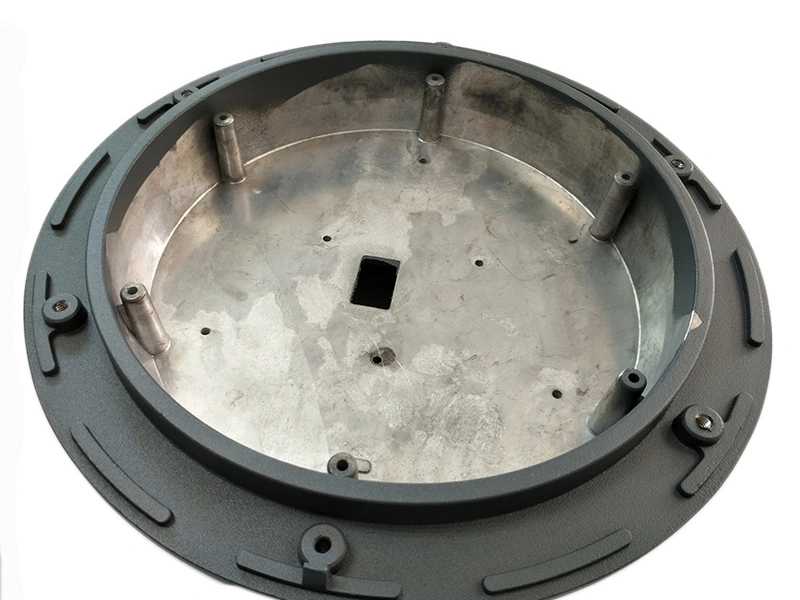
Surface finish planning for die cast parts should start before tooling. Buyers should confirm whether the supplier can manage cosmetic surface standards, polishing, painting, powder coating, masking and final appearance inspection.
Surface Finish Support | What Buyers Should Confirm | Why It Matters |
|---|---|---|
Cosmetic surface standard | Can the supplier define acceptable defects, visible areas and inspection method? | Reduces subjective appearance disputes |
Polishing or painting management | Can the supplier manage surface preparation before finishing? | Improves final appearance consistency |
Powder coating coordination | Can the supplier control coating thickness, masking and final fit? | Reduces assembly problems after coating |
Sample inspection | Can the supplier provide sample inspection for machined and finished parts? | Improves approval confidence before batch production |
4. Check Cross-Process Coordination
A good supplier should connect tool and die making, casting, machining, finishing and inspection. Cross-process coordination is especially important when parts have cosmetic surfaces, machined features and batch quality requirements.
Coordination Area | Why It Matters | Buyer Risk if Missing |
|---|---|---|
Tooling plus machining | Ensures machining allowance and datums are planned before mold making | Fixture changes and insufficient stock |
Machining plus finishing | Ensures coating thickness does not affect holes, threads or fit surfaces | Assembly rework after finishing |
Finishing plus inspection | Ensures final appearance and dimensional checks match buyer standards | Batch rejection and acceptance disputes |
Material route comparison | Helps compare aluminum with zinc die casting surface finish or copper die casting machined parts | Wrong material or process route |
5. Summary
Buyers Should Check | Main Purpose |
|---|---|
DFM and tooling support | Reduce casting defects and mold modification |
Machining allowance and CNC capability | Control holes, threads, sealing faces and datums |
Surface finish planning | Control cosmetic surfaces, coating and appearance acceptance |
Sample inspection | Validate process quality before batch production |
Batch quality feedback | Improve repeat production and reduce rework |
In summary, buyers should check whether an aluminum die casting supplier can coordinate tooling, CNC machining and surface finishing before production. A supplier with cross-process support can reduce machining allowance issues, cosmetic disputes, unstable dimensions and batch rework.