How Can Buyers Decide If A360 Aluminum Fits a Die Casting Project?
How Can Buyers Decide If A360 Aluminum Fits a Die Casting Project?
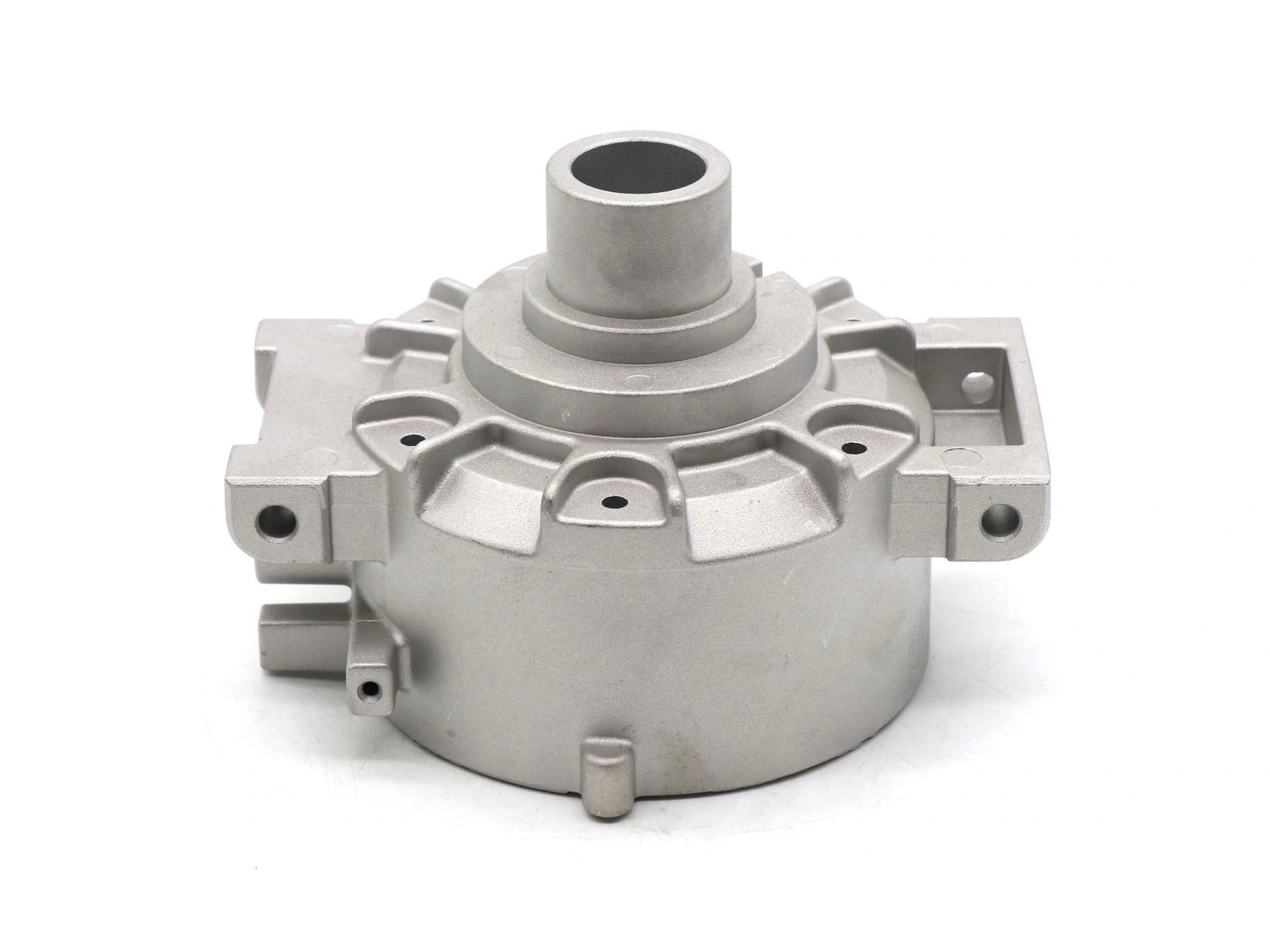
Buyers can decide if A360 aluminum fits a die casting project by reviewing the part's environment, corrosion requirement, pressure or sealing risk, wall thickness, machined features, surface finishing needs, production volume and total cost target. A360 is often reviewed when the buyer needs an aluminum die cast part with better corrosion resistance direction or pressure-tight direction than a basic low-cost alloy choice.
The decision should start from the product function. If the part is an outdoor housing, pump cover, equipment enclosure, machined sealing component or corrosion-sensitive aluminum casting, A360 may deserve serious review. If the part is a general indoor cover with no special exposure or sealing requirement, A380, ADC12 or another alloy direction may be more practical. The buyer should not specify A360 only because it looks stronger on a material list.
For material-specific review, buyers can start with the A360 aluminum die casting page and then compare it with the broader aluminum alloy options.
A360 is commonly screened near 300-320 MPa tensile strength, 3-4% elongation and 110-115 W/mK thermal conductivity. Those values make it worth reviewing for corrosion- or thermal-sensitive housings, but ASTM B85 material control and real casting tests should decide acceptance, especially when pressure tightness or machining exposes porosity.
Fit Signals for A360 Aluminum
A360 is more likely to fit when the part is exposed to moisture, outdoor conditions or environments where corrosion resistance matters. It may also be reviewed when the part has pressure-tight or sealing expectations, such as a cover, body or housing that must reduce leakage risk. In these cases, alloy choice must work together with tooling, porosity control, machining, surface finish and inspection.
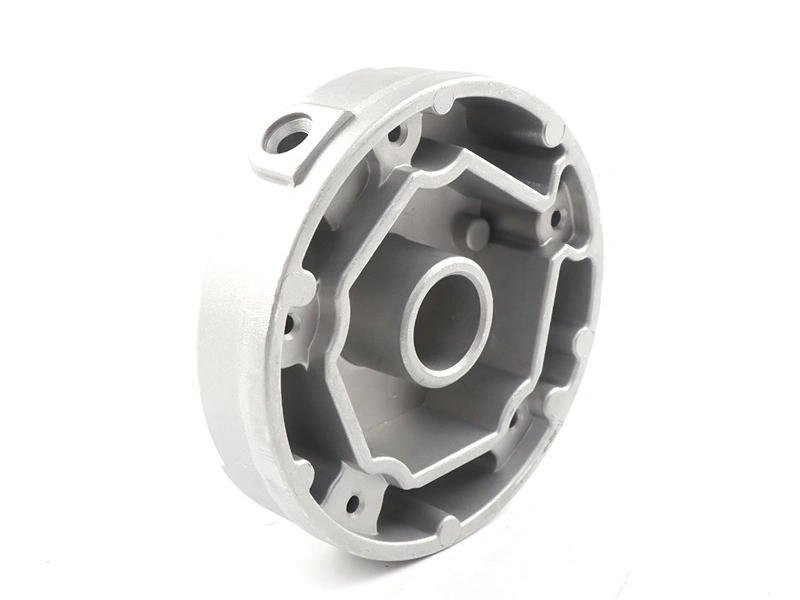
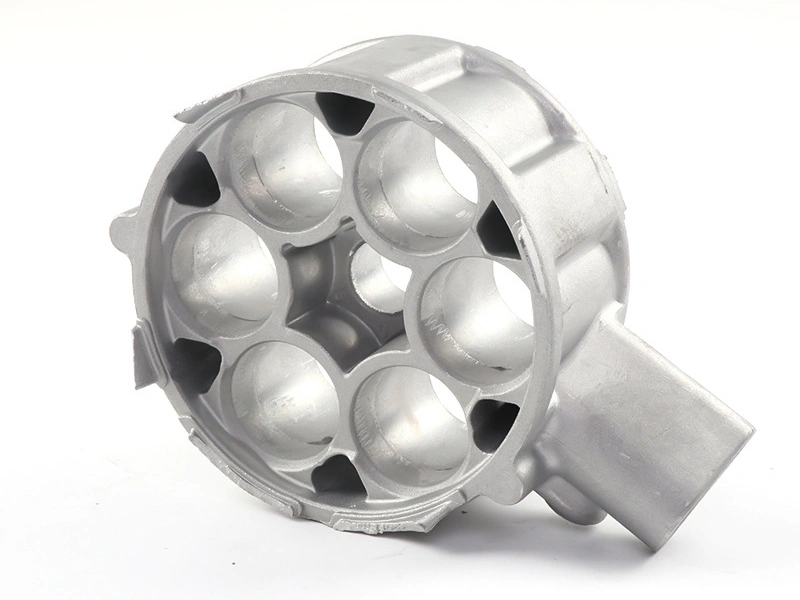
A360 may also fit when the part needs CNC machining after casting. Sealing faces, threaded holes, mounting holes, bearing bores and datum pads can be machined after the main shape is die cast. However, machining does not solve every casting problem. If porosity is present under a sealing face, machining may expose it. That is why DFM, gating and process control are part of the material decision.
Project Requirement | A360 Fit Direction | Buyer Confirmation |
|---|---|---|
Outdoor or moisture exposure | A360 may be reviewed for corrosion resistance direction | Confirm finish and exposure standard |
Pressure or sealing concern | A360 may be reviewed with porosity control | Define leak test, sealing face and machining plan |
Machined functional surfaces | Possible with correct stock and datum planning | Mark CNC areas before tooling |
Lowest-cost general casting | A360 may not be necessary | Compare A380 or ADC12 direction |
Visible finished surface | Can work with proper finish planning | Approve real cast finish samples |
When A360 May Not Be Needed
A360 may not be needed when the part is used indoors, has no corrosion-sensitive requirement, does not need pressure-tight direction and mainly competes on cost. In those cases, a widely used alloy such as A380 or ADC12 may offer a more practical commercial route depending on supplier capability and regional material standards. Choosing A360 without a reason can add complexity without improving the actual product.
Another situation is early prototyping. If the design is not stable, the buyer may first use CNC machining or another prototype method to verify shape and assembly. Final alloy selection should be locked before production tooling, but it does not have to be over-specified before the buyer understands functional risk.
What Information the Supplier Needs
The supplier needs more than a material name. Buyers should provide STEP or X_T files, a 2D drawing, expected quantity, use environment, sealing requirement, finish requirement, machined features, critical dimensions and inspection needs. If A360 is requested because of corrosion or pressure-tight concerns, the buyer should state the real operating condition and required validation.
If the buyer is open to alternatives, the RFQ should say so. A supplier can then compare A360 with A380, ADC12 or another material direction and explain the tradeoffs. A good answer should include castability, tooling, CNC machining, surface finishing and inspection effects, not only a yes or no on material availability.
Approval Before Production
Before production, buyers should approve trial castings, dimensional reports, machined surfaces, finish samples and any sealing or functional tests. If the part is pressure-sensitive, leak testing or pressure testing may be required. If the part is outdoor-facing, coating or corrosion protection should be validated. If the part has threads, gauge checks after finishing may be needed.
Questions That Make the Decision Clear
Buyers can make the A360 decision clearer by asking practical questions before quoting. What environment will the part work in? Does the part need to seal liquid or air? Which surface touches the gasket? Which holes are threaded after casting? Will the part be powder coated, painted or chromate treated? Which dimensions actually control assembly? If these answers are unclear, the alloy decision is probably being made too early.
A supplier should be able to explain what changes if the project uses A360 instead of another aluminum die casting alloy. The answer may involve cost, availability, tooling, porosity review, finishing and inspection. If the supplier cannot explain the tradeoff, the buyer should not treat the alloy recommendation as reliable.
Neway can review A360 projects through aluminum die casting, DFM, tooling, CNC machining, surface finishing and inspection support. The best decision is not whether A360 is good in general, but whether it fits the buyer's actual part and production route.