How Do A380, A360, A413 and ADC12 Compare?
How Do A380, A360, A413 and ADC12 Compare?
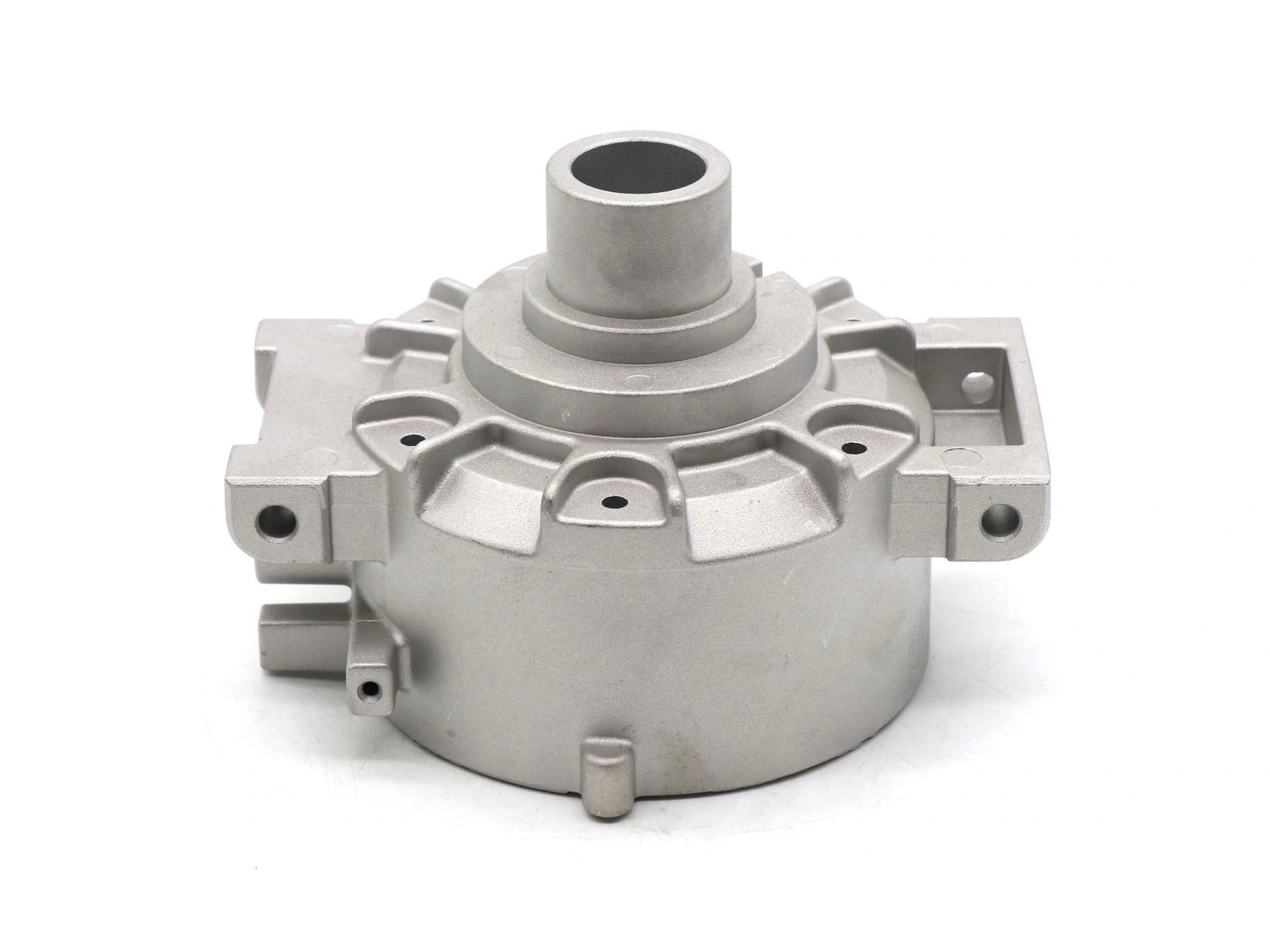
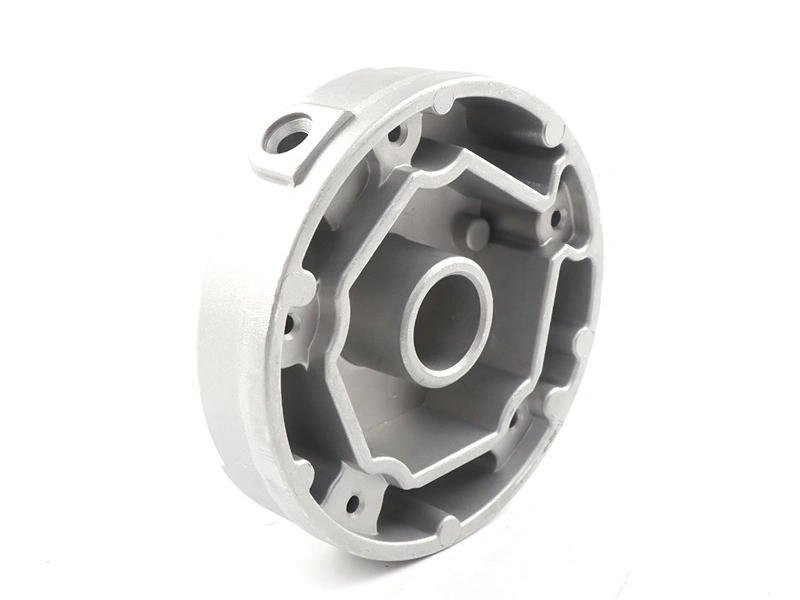
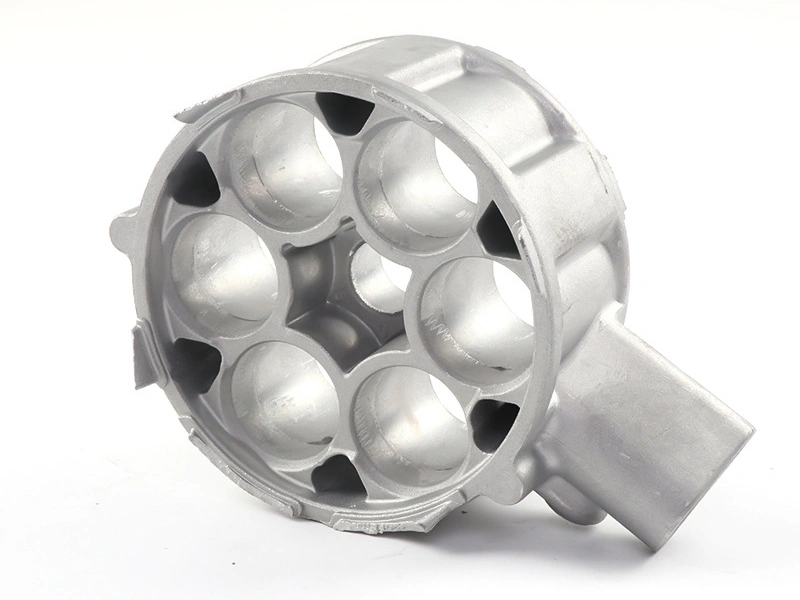
A380, A360, A413 and ADC12 compare by castability, corrosion direction, pressure-related use, cost, supply chain availability, machining and finish behavior. A380 is a common balanced alloy. A360 is often reviewed for corrosion or pressure-related confidence. A413 may be reviewed for fluidity and selected pressure-sensitive parts. ADC12 is common for cost-effective commercial production in many Asian die casting programs. If part function depends on alloy behavior, A380 aluminum die casting helps separate strength, castability, machining and finish concerns.
Buyers should not treat the comparison as a ranking from best to worst. Each alloy has a place. The buyer should identify the part's function, environment and finish before approving the material.
Comparison Table
Alloy | Typical Strength | Best Buyer Fit | Risk to Confirm |
|---|---|---|---|
A380 | Balanced general performance | General housings, brackets and covers | Corrosion and special sealing needs |
A360 | Corrosion and pressure-related direction | Outdoor or sealed parts | Cost, availability and test evidence |
A413 | High fluidity direction | Thin-wall or pressure-sensitive review | Mechanical and finish requirements |
ADC12 | Commercial die casting balance | Cost-effective production parts | Equivalency and surface finish approval |
When A380 or ADC12 Makes Sense
A380 or ADC12 may make sense when the part is a general aluminum die casting used in a protected environment and the buyer needs cost-effective production. They can fit housings, covers and brackets when the finish and inspection requirements are practical.
Buyers should still define machined features and finish standards. A common alloy can still fail if tooling, machining or coating is poorly planned.
When A360 or A413 Deserves Review
A360 deserves review when corrosion, moisture or sealing is important. A413 deserves review when fluidity or pressure-tight direction is a main concern. In both cases, the buyer should ask for sample evidence, not just alloy claims. If part function depends on alloy behavior, A360 aluminum die casting helps separate strength, castability, machining and finish concerns.
Neway can compare these alloy directions with the full production route, including tooling, casting, machining, finishing and inspection.
When the Cheapest Alloy Is Not the Lowest Cost
The cheapest alloy direction may not create the lowest finished-part cost. If a lower-cost material creates coating rejection, leak failure, machining scrap or customer complaints, the total project cost rises. A360 or A413 may cost more in some cases but reduce risk when the application justifies them. A380 or ADC12 may be better when the part is straightforward and well protected.
Buyers should compare the total route: alloy, tooling, casting, CNC machining, finish, inspection and expected scrap risk. The alloy price is only one part of the decision.
Equivalent Material Approval
Equivalent material approval should be written. ADC12 may be acceptable for some commercial parts, but if the drawing specifies A380 or A360, the buyer should approve the equivalent before sampling. The approval should state whether the equivalent affects finish, inspection or customer requirements.
For regulated, pressure-sensitive or corrosion-sensitive parts, equivalent material changes need more care. The reason the original alloy was selected should guide the review.
Finished Sample Comparison
If two alloys are still possible, buyers can request finished samples using the same machining, coating and inspection route. This creates a fair comparison. A raw A380 sample and a coated A360 sample do not prove the same thing.
Application-Based Comparison Examples
For an indoor electronic enclosure with powder coating and no sealing requirement, A380 or ADC12 may be practical. For an outdoor sealed control box, A360 may deserve review because corrosion and sealing matter. For a thin-wall component where fill risk is the main challenge, A413 or another high-fluidity direction may be discussed. For a basic mounting bracket with moderate load, the buyer may prioritize cost, machining and dimensional stability. The material decision should be checked against A413 aluminum die casting when casting route, surface finish or production risk depends on the grade.
These examples show why a universal best alloy does not exist. The application decides which property matters most.
Sample Plan for Comparison
When comparing A380, A360, A413 and ADC12, samples should be judged under the same conditions. The same surface finish, machining operations, inspection tools and visual standard should be used. Otherwise, buyers may accidentally compare process differences instead of material differences.
The sample plan should state which alloy is being tested, which features are critical and which acceptance standard applies. This makes the final approval defensible.
Final Comparison Record
After choosing an alloy, buyers should keep a comparison record. The record should state why the selected alloy was chosen and why alternatives were rejected. This helps future sourcing teams avoid reopening the same decision without new evidence.
How to Use the Comparison in an RFQ
The RFQ can ask the supplier to quote the preferred alloy and comment on alternatives. For example, the buyer can request A380 as the base quote and ask whether A360 is recommended for outdoor use. Or the buyer can request A360 and ask whether A380 is acceptable for cost reduction. The supplier should answer with tradeoffs, not just prices.
This approach gives purchasing a technical basis for comparing quotes and gives engineering a record of why the material was chosen.
It also prevents future material changes without a clear reason.
Record it.