How Do A380 and ADC12 Compare for Die Cast Aluminum Material?
How Do A380 and ADC12 Compare for Die Cast Aluminum Material?
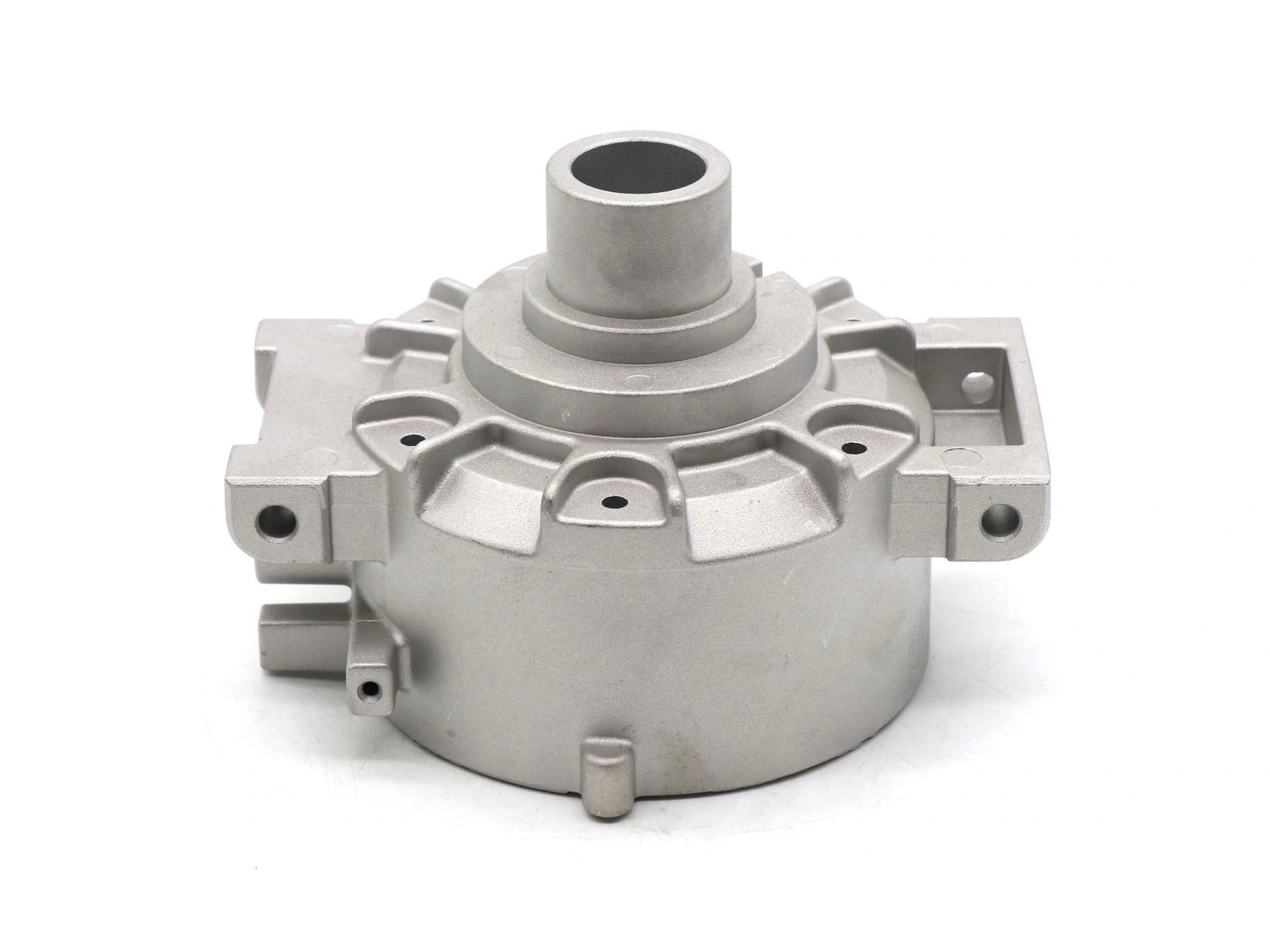
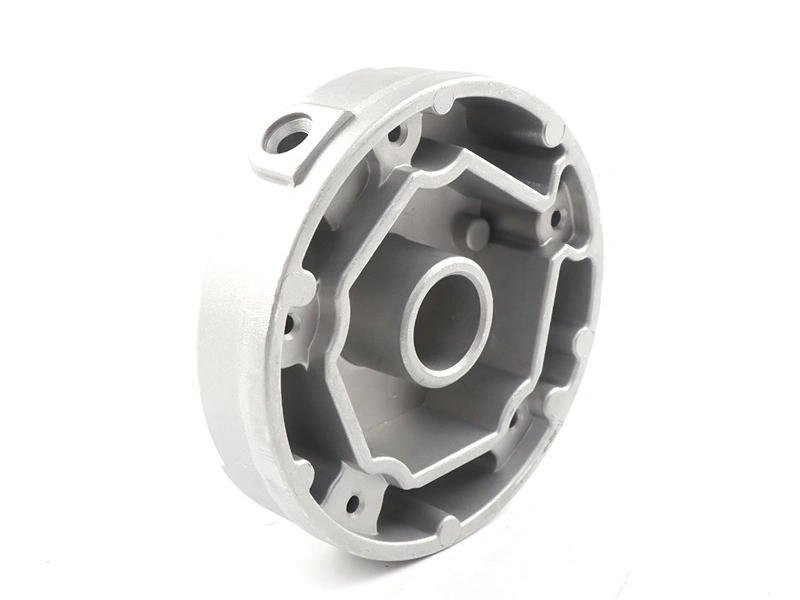
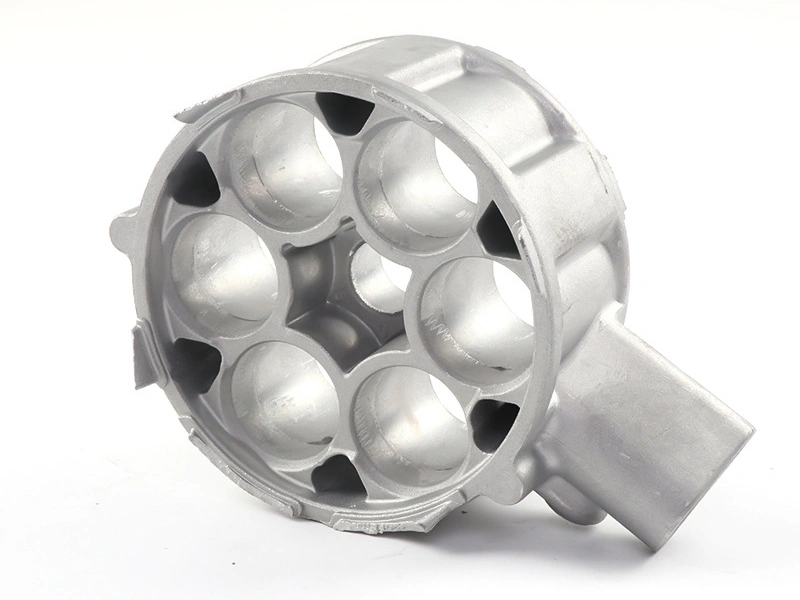
A380 and ADC12 are both common die cast aluminum material directions, but they belong to different standard systems and should be compared through the drawing, supply chain and customer approval requirements. A380 is widely used in many aluminum die casting programs. ADC12 is common in Japanese and Asian die casting supply chains. Buyers should confirm whether the drawing allows equivalent material before treating them as interchangeable.
In many commercial projects, suppliers may recommend A380 or ADC12 based on availability, tooling experience and customer standard. The buyer should ask which material is assumed in the quote, which certificate or material record can be provided and whether the customer's drawing accepts the proposed equivalent.
The comparison should also include machining and finish. A380 and ADC12 may both support die cast housings, covers and brackets, but porosity risk, machined features, coating behavior and inspection requirements still depend heavily on geometry and process control.
For A380 and ADC12 comparison, buyers can review A380 aluminum die casting and A383 ADC12 aluminum alloy information.
A380 vs ADC12 Table
Comparison Item | A380 | ADC12 |
|---|---|---|
Common use | General HPDC housings, covers and brackets | Automotive, electronics and industrial parts in Asian supply chains |
Standard reference | Common North American die casting direction | Common JIS-related die casting direction |
Quote comparison | Must state material assumption clearly | Must state equivalent approval clearly |
Production risk | Geometry, porosity and finishing still matter | Geometry, porosity and finishing still matter |
Buyer document | Material record or certificate if required | Material record or certificate if required |
When A380 Is Practical
A380 is practical for many aluminum die cast parts that need a balance of castability, cost and general performance. It is common for enclosures, housings, covers, lighting parts and industrial components. It works best when the design is reviewed for wall thickness, porosity, gates, venting, machined features and finishing.
Buyers should not assume A380 solves every issue. A pressure-sensitive part may still need leak testing. A cosmetic part still needs surface standards. A machined gasket face still needs allowance and inspection. The alloy supports the route, but tooling and process control decide whether the finished part passes.
For A380 projects, the supplier should review wall thickness, boss design, gate location, venting and machining allowance. These details matter because A380 is often used in complex housings and covers where porosity, threads and coating all meet in the same part. A common alloy still needs part-specific engineering.
When ADC12 Is Practical
ADC12 is practical when the buyer's drawing, customer or supply chain expects that material direction. It is common in die cast aluminum parts sourced through Asian manufacturing systems. If the buyer already has ADC12 drawings, changing to another alloy direction should require approval.
For new projects, suppliers may compare ADC12 with A380 based on local availability and customer standard. The buyer should ask whether the quote includes material documentation and whether finishing, machining and inspection assumptions are the same as in competing quotes.
ADC12 should be handled carefully when the buyer's customer audits material. The drawing, purchase order and material report should use consistent wording. If the supplier proposes an A380-type equivalent, the buyer should confirm that the end customer accepts the substitution before tooling starts.
How to Approve Equivalent Material
Equivalent approval should compare chemistry standard, mechanical direction, casting process, machining, surface finish and documents. Buyers should not approve an equivalent only because the price is lower. The equivalent must support the same finished-part requirement and customer approval path.
If the part has a long-term production plan, buyers should also ask whether the supplier can keep the same material direction across repeat orders. Switching between A380 and ADC12 without approval can create documentation problems, finish variation or customer rejection even when the part looks similar.
The buyer should keep a written record of the approved material and any accepted equivalent. This record should be linked to the active drawing revision and first article approval.
If the part is re-ordered later, the same material record should be used unless a change is approved. This prevents a supplier from switching grade for convenience and creating documentation or finish variation problems.
Buyers should also compare finished samples, not only certificates. A380 and ADC12 may both meet the drawing basis, but coating color, machined surface condition and visible defects still need sample approval. Material equivalence does not remove final-part validation.
The same rule applies to production reorders. If the approved sample used one material direction, a later material change should trigger review of machined features, finish and documents.
Neway A380 ADC12 Review
Neway can review A380 and ADC12 material direction through aluminum die casting, CNC machining, finishing and inspection planning. The review can confirm whether equivalent material is acceptable and what sample evidence should be provided.
The safest comparison is a finished-part comparison. Buyers should align alloy, tooling, machining, finish and inspection scope before deciding which quote is lower or better. Otherwise, A380 and ADC12 may be compared on price while the technical assumptions are different.