How Do Aluminum Die Casting Materials Affect Surface Finish?
How Do Aluminum Die Casting Materials Affect Surface Finish?
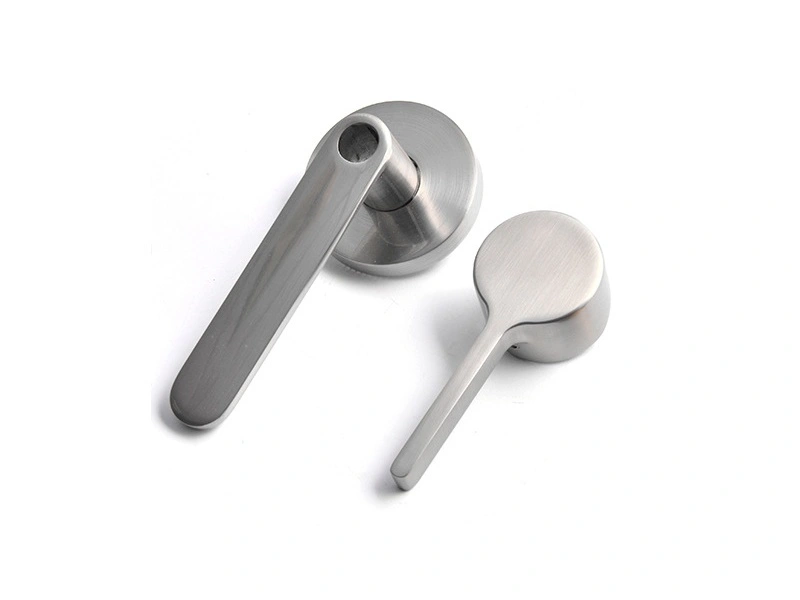
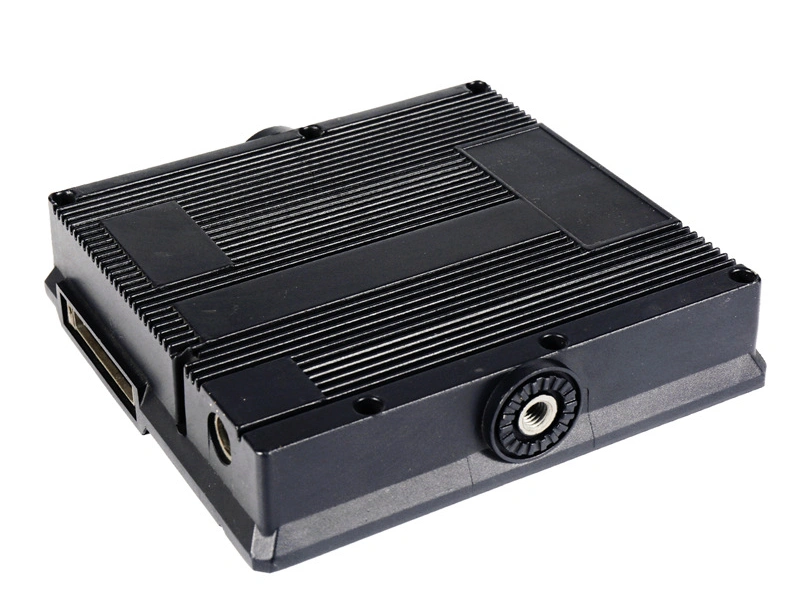
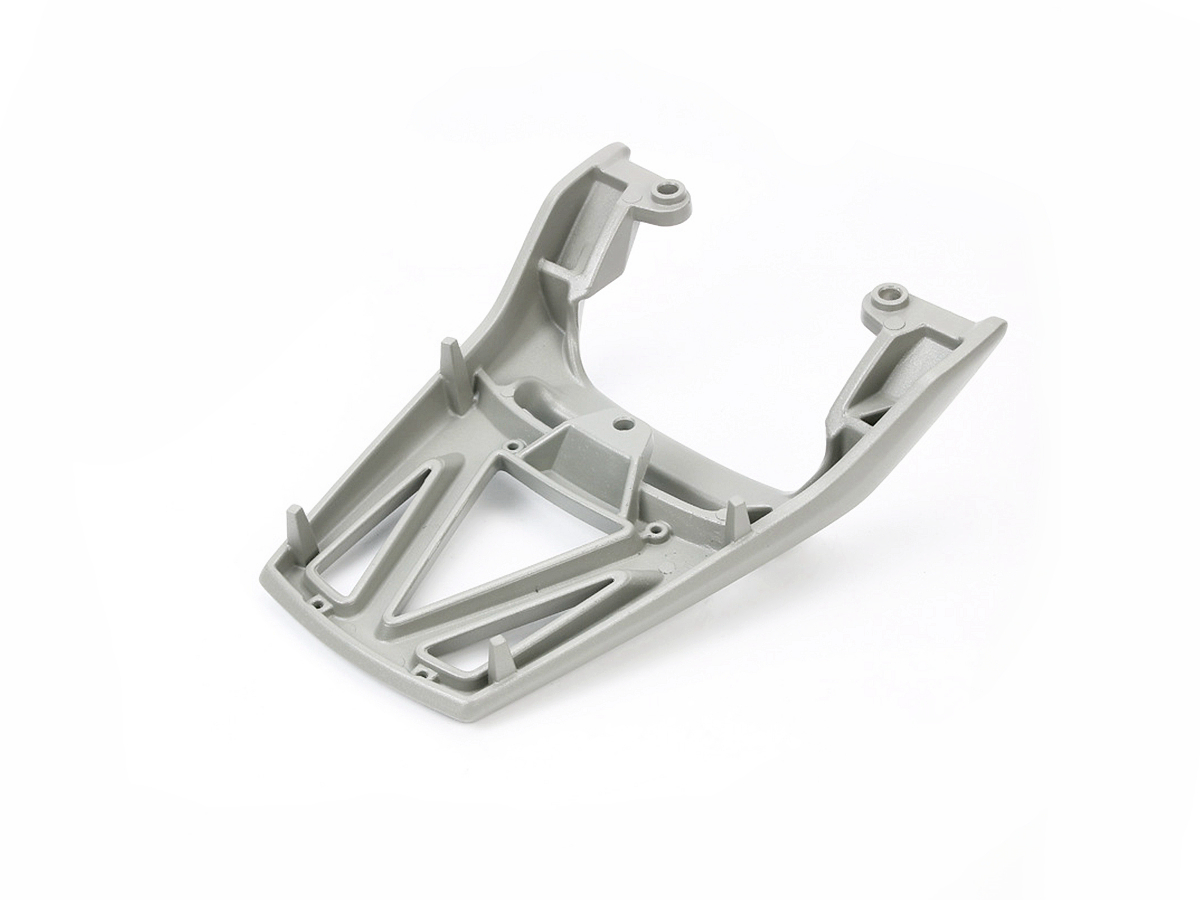
Aluminum die casting materials affect surface finish because alloy chemistry, casting quality, flow marks, pores, parting lines and ejector marks can all show after painting, powder coating, polishing or other finishing. The buyer should review finish requirements before tooling so cosmetic faces, gates and ejector marks are planned correctly.
For parts that need coating after casting, Neway can connect aluminum die casting with post-process services so finish samples and masking requirements are reviewed before production.
Finish Compatibility Table
Finish Direction | Material and Casting Concern | Buyer Confirmation |
|---|---|---|
Painting | Pores, flow marks and poor cleaning can show through visible paint | Approve color, gloss and defect limit sample |
Powder coating | Coating thickness can affect holes, threads and fits | Define masking and thickness-sensitive areas |
Polishing | Surface pores and parting lines may become more visible | Check cosmetic faces before tooling and trial samples |
Clear protective coating | Base casting marks remain visible under transparent finish | Approve raw surface appearance before coating |
Anodizing review | Many die cast alloys do not give the same cosmetic result as wrought aluminum | Validate sample instead of assuming decorative anodizing quality |
Cosmetic Surfaces Should Be Marked on the Drawing
Visible surfaces should be marked before tooling review. This helps the supplier place gates, ejectors and parting lines where they will not damage the final appearance. Hidden surfaces can often accept a less expensive finish standard.
Example: Painted Enclosure Finish Review
A painted aluminum enclosure had a visible front face and several hidden mounting ribs. The finish review kept ejector marks away from the front face, approved a painted sample and allowed more practical as-cast texture inside the hidden rib area.
Finish Map Before Tooling
The drawing should mark A-surface, hidden surfaces, masked holes and machined pads before tooling design. This lets the supplier position gates, ejector pins and parting lines away from customer-facing areas and decide which surfaces need polishing, blasting, painting or powder coating after casting.