How Do Buyers Choose A380, A360, A413 or ADC12 for Aluminum Die Casting?
How Do Buyers Choose A380, A360, A413 or ADC12 for Aluminum Die Casting?
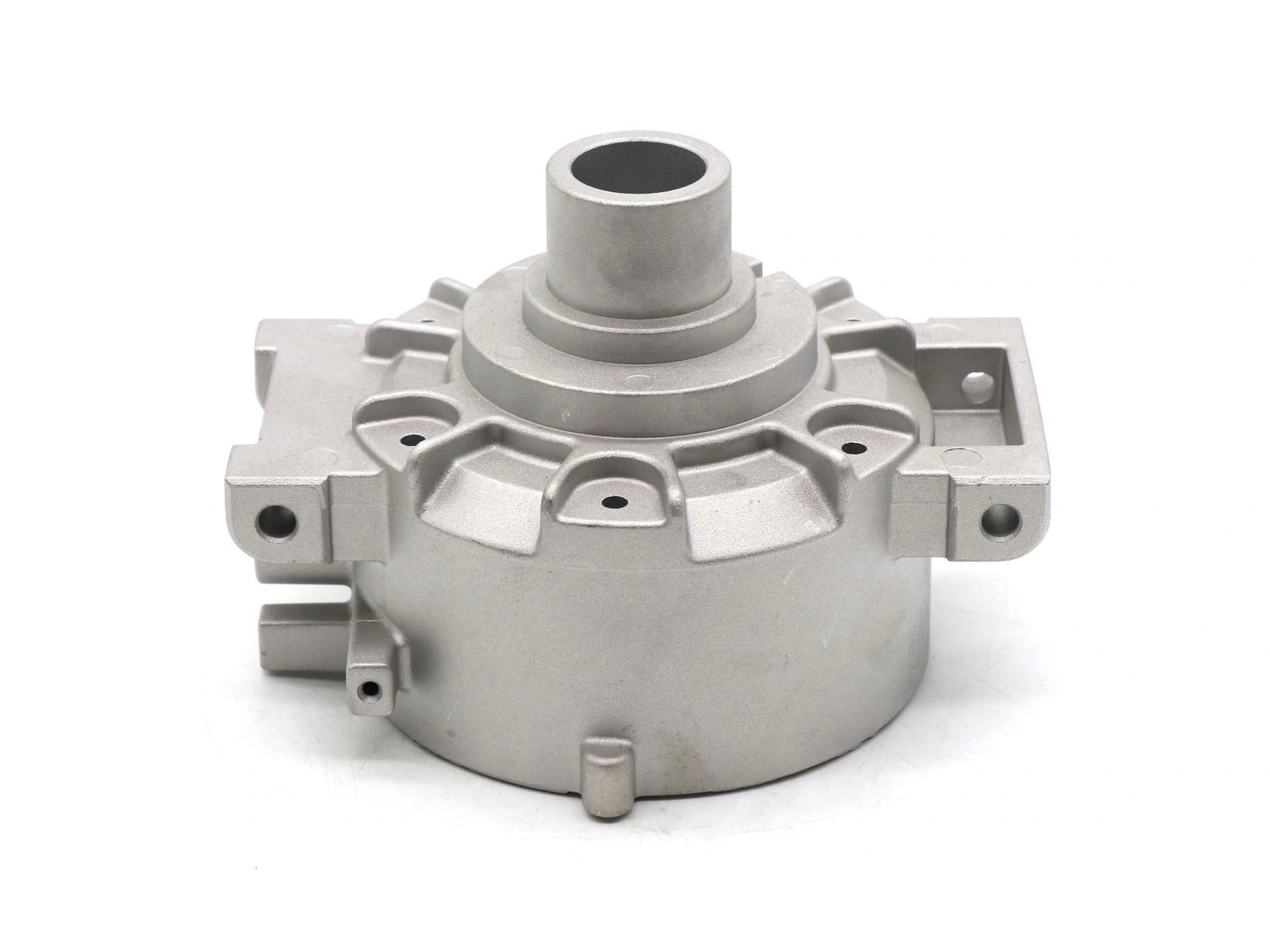
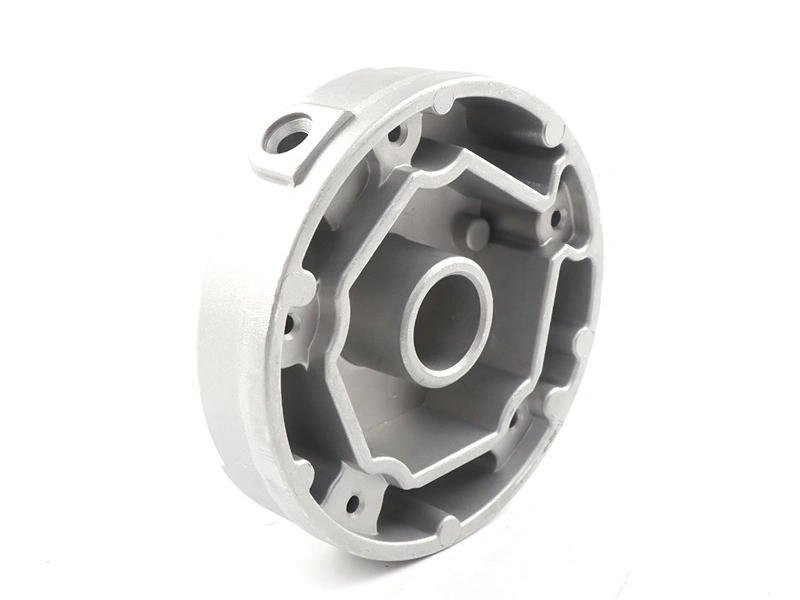
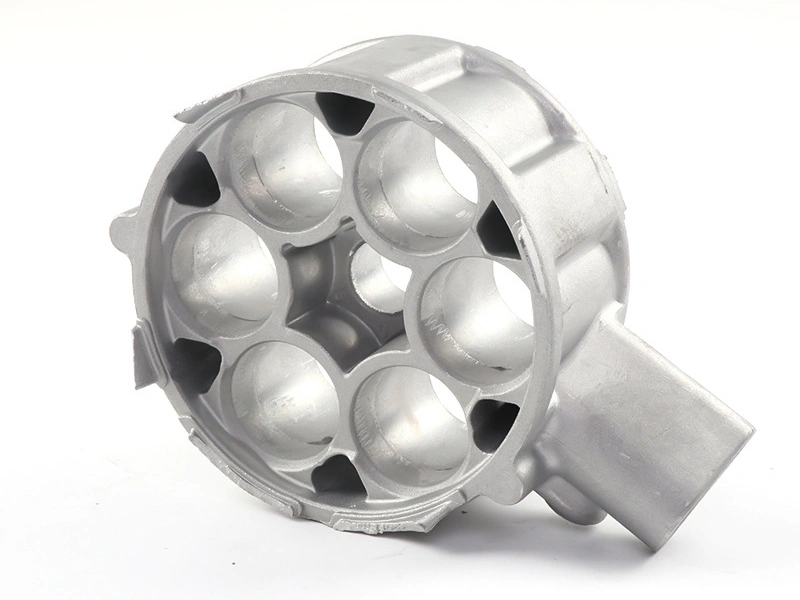
Buyers choose A380, A360, A413 or ADC12 for aluminum die casting by matching the alloy to the part's castability, strength, corrosion exposure, pressure tightness, machining needs, finish route and supply chain requirements. A380 is often a balanced general-purpose choice. A360 is usually reviewed when corrosion behavior or pressure-related performance matters more. A413 can support high-fluidity and pressure-tight directions in suitable designs. ADC12 is common for cost-effective production in many Asian die casting supply chains. If part function depends on alloy behavior, A360 aluminum die casting helps separate strength, castability, machining and finish concerns.
The choice should start from the finished part, not from the alloy list. A thin electronic enclosure, a pump cover, a lighting body and a mounting bracket may all use aluminum die casting, but each one puts different pressure on the alloy decision. The buyer should mark critical functions on the drawing before asking the supplier to recommend a material.
For example, a part with long thin ribs may need stronger fluidity. A part exposed outdoors may need a corrosion-resistant direction plus a reliable coating. A part with machined sealing faces may need porosity control and leak testing. A part with visible powder coating may need surface defect standards and masking. The alloy recommendation becomes stronger when these requirements are visible in the RFQ.
Common Alloy Choice Matrix
Alloy Direction | Typical Buyer Reason | Key Confirmation |
|---|---|---|
A380 | Balanced castability, cost and general strength | Confirm corrosion and cosmetic finish expectations |
A360 | Better corrosion direction and pressure-related use cases | Confirm casting route, cost and availability |
A413 | High fluidity and leak-sensitive directions | Confirm mechanical demands and finish needs |
ADC12 | Common commercial die casting material in Asia | Confirm equivalency, drawing approval and finish behavior |
When A380 Is a Practical Starting Point
A380 is often selected for general aluminum die cast parts because it gives a practical balance of production stability, cost and mechanical performance. Housings, brackets, covers, motor components and industrial enclosures frequently start with A380 or an approved equivalent when the part does not require a special corrosion or pressure-tightness direction. If part function depends on alloy behavior, A380 aluminum die casting helps separate strength, castability, machining and finish concerns.
Buyers should still confirm the finish route. A380 can support painting or powder coating in many cases, but decorative anodizing expectations should be checked carefully. If the buyer expects a uniform clear anodized look similar to machined 6061, A380 die casting may disappoint because die casting alloy chemistry and cast surface conditions affect color and texture.
When A360 or A413 May Be Reviewed
A360 may be reviewed when the part will face moisture, outdoor exposure or sealing requirements. It is not automatically the best choice for every housing, but it becomes important when corrosion risk has real cost. A413 may be reviewed for thin-wall filling or pressure-tight directions. The supplier should explain whether the part geometry, tooling and inspection plan support the expected advantage. The material decision should be checked against A413 aluminum die casting when casting route, surface finish or production risk depends on the grade.
For leak-sensitive parts, material selection should be connected to gate design, venting, machining allowance and pressure test requirements. A material with a better pressure-tight reputation will still fail if the sealing face cuts into porosity or if the leak test standard is unclear.
How ADC12 Fits Commercial Production
ADC12 is widely used in many commercial die casting programs. It can be a cost-effective option when the buyer accepts its material profile, supply chain availability and finish behavior. If the drawing specifies an ASTM or other grade, the buyer should approve ADC12 as an equivalent before production. Written approval prevents later disputes about material substitution.
ADC12 may be suitable for housings, covers and general production parts, but the buyer should still define critical dimensions, coating requirements and inspection criteria. A material name by itself does not approve machining, finish or leak performance.
Buyer Decision Check Before Approval
Before approving a material recommendation, buyers should ask which alloy is being quoted, whether equivalents are allowed, what material certificate will be supplied, which surfaces require machining, whether pressure or leak testing is needed and which finish is planned. These questions make the material decision traceable.
Sample Evidence Before Freezing the Alloy
Alloy approval should be confirmed with samples that match the final part condition. If the selected material will be painted, powder coated or machined, the sample should include those operations. An A380 raw casting may look acceptable but still show pores after machining. An ADC12 sample may meet shape requirements but need a different coating standard. An A360-style sample may justify higher cost only if corrosion, sealing or finish evidence supports the decision.
Buyers should keep the approved material record with the sample report. The record should state the alloy used, whether an equivalent was accepted, which features were inspected and which finish was approved. This makes the choice reusable for pilot runs and repeat production instead of relying on memory.
Neway can review alloy choices with the full aluminum die casting route, including tooling, casting, machining, surface finishing and inspection. That helps buyers select A380, A360, A413 or ADC12 based on finished-part requirements rather than habit.