How Does A356 Aluminum Casting Compare With A380 Die Casting?
How Does A356 Aluminum Casting Compare With A380 Die Casting?
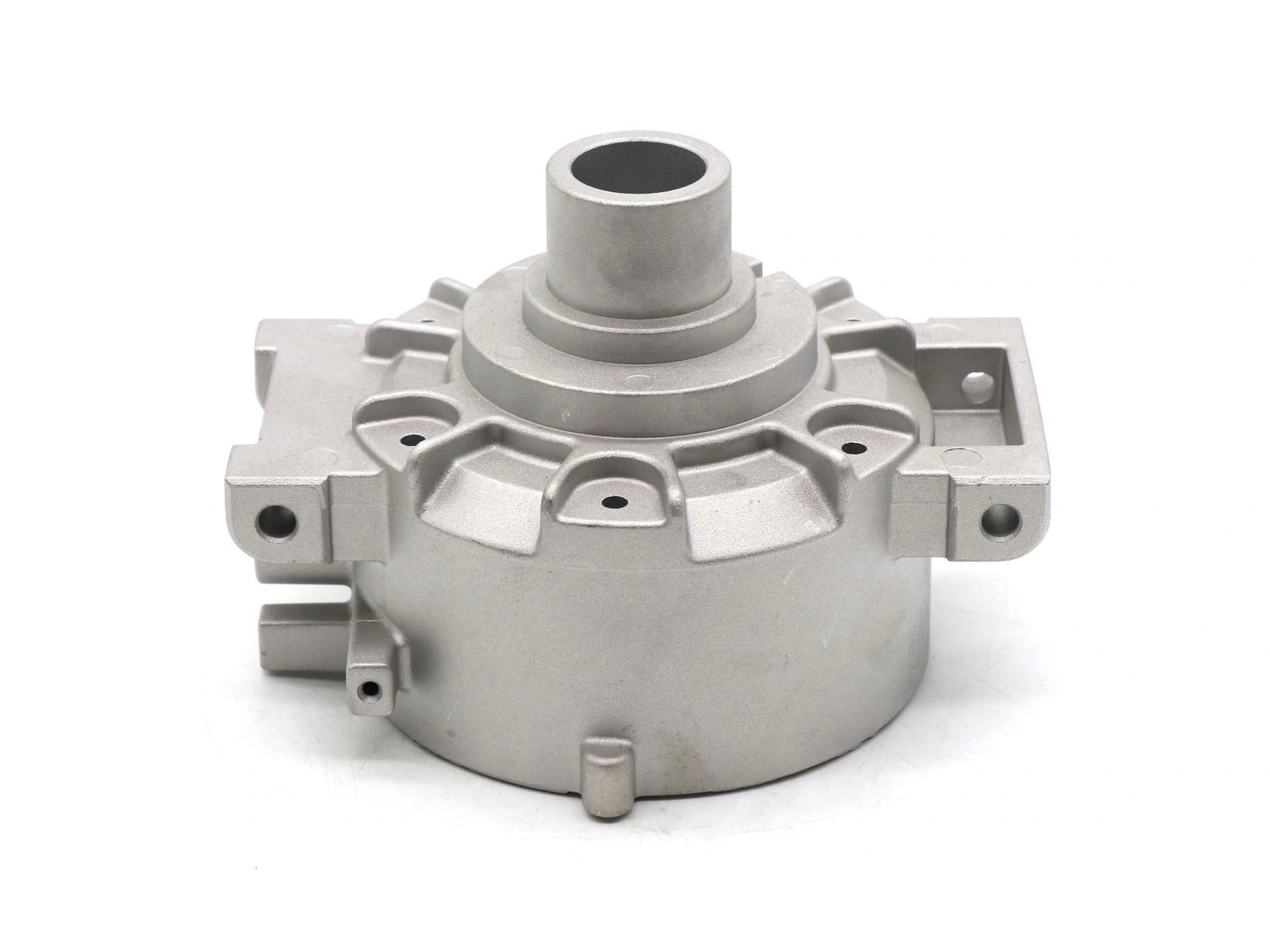
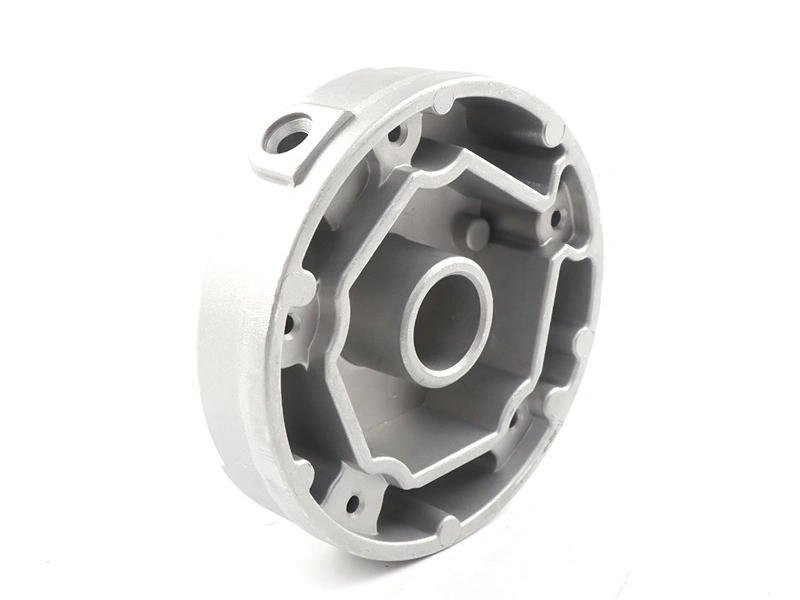
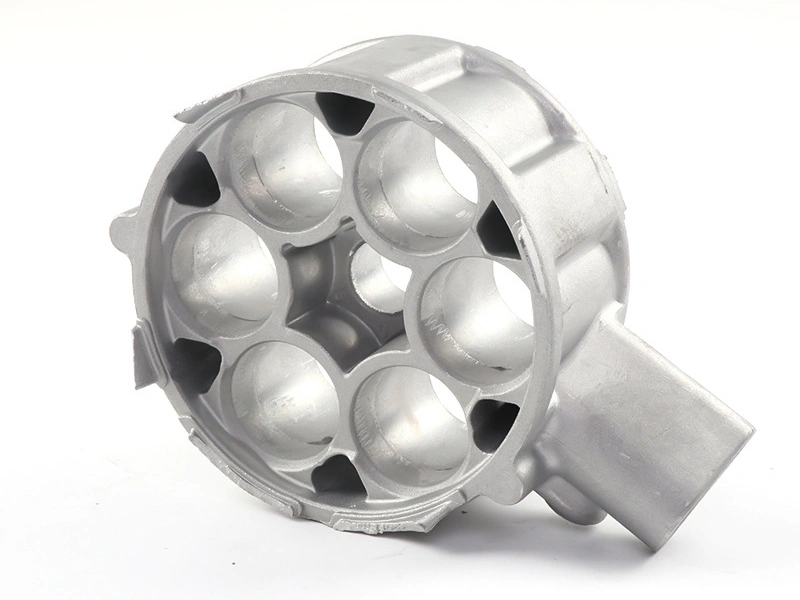
A356 aluminum casting and A380 die casting serve different manufacturing needs. A356 is commonly reviewed for sand casting, gravity casting or permanent mold casting, especially when A356-T6 heat-treated structural direction is required. A380 is a common high pressure die casting alloy used for thin-wall housings, covers, brackets and repeat production parts. ADC12 is another common die casting direction in many supply chains.
The better choice is based on the part drawing and production goal. If the part is a thin-wall enclosure with high annual volume, A380 or ADC12 die casting may be more practical. If the part is a structural casting with thicker sections, heat-treatment needs and lower-to-medium quantity, A356 may fit better. The buyer should compare route, tooling, machining, finish, tolerance and inspection evidence.
A356 should not be selected only because it sounds stronger. A380 should not be selected only because it is cheaper at volume. Each alloy belongs to a route with different tooling, lead time and quality risks.
For material comparison, buyers can review A356 aluminum casting and A380 aluminum die casting.
A356 vs A380 Decision Table
Decision Factor | A356 / A356-T6 | A380 / ADC12 Die Casting |
|---|---|---|
Typical route | Sand, gravity or permanent mold casting | High pressure die casting |
Part geometry | Larger, thicker or structural shapes | Thin walls, ribs, bosses and repeat housings |
Volume | Prototype, low or medium quantity can be practical | Medium to high volume when die tooling is justified |
Heat treatment | A356-T6 is a common final condition | Not normally selected mainly for T6 heat treatment |
Surface and tolerance | More machining allowance may be needed | Near-net shape with local CNC machining |
Main risk | Distortion, wider casting tolerance and surface roughness | Porosity, tooling cost and gate or ejector marks |
When A356 Is the Better Choice
A356 is often better when the part needs heat-treated structural properties, a route suitable for thicker sections, or a casting method that does not justify HPDC tooling. A pump body, arm, frame or structural bracket may benefit from A356-T6 if the geometry and volume fit. Buyers should expect review of wall sections, heat treatment, distortion and final machining.
A356 may also be useful when the part is in prototype or low-volume structural validation. Sand casting or gravity casting can support the program before a more permanent production route is chosen. The buyer should define whether the prototype must prove material properties, geometry, machining, assembly or all of these.
A356 is also worth reviewing when final machining after heat treatment is part of the plan. If the part has bores, flat sealing faces or mounting datums that must be accurate in the final condition, the supplier can sequence casting, heat treatment and CNC machining around those features.
When A380 or ADC12 Is the Better Choice
A380 or ADC12 is often better when the part is designed for HPDC and the buyer needs repeat production. Examples include electronic housings, lighting housings, motor covers, heat sink frames and industrial brackets. HPDC can form thin walls, ribs and bosses efficiently, while CNC machining finishes threads, bores and sealing faces.
The buyer should still control porosity, gate marks, ejector marks and coating. A380 die casting can be the right route for a production housing, but it still needs DFM, tool review, machining allowance and finish approval. The material name does not eliminate process risk.
A380 or ADC12 may also be stronger commercially when annual volume is high. The upfront die cost can be spread across many parts, and cycle time can reduce unit cost. Buyers should compare total cost across the program, not only the first sample price.
Inspection Differences
A356 projects may require heat-treatment records, final machined dimensional reports and distortion review. A380 die casting projects may require porosity review, CMM checks on machined features, coating approval and tool maintenance monitoring. The inspection package should match the selected route.
The buyer should also compare finish expectations. A356 sand cast surfaces may need more finishing work before coating. A380 die cast parts may have gate marks, ejector marks and flow marks that need cosmetic planning. Neither route automatically creates a perfect visible surface without process-specific standards.
Buyer Decision Summary
Choose A356 when heat-treated structural direction, casting route and quantity support it. Choose A380 or ADC12 when thin-wall HPDC production, cycle time and repeat unit cost matter more. If the part has features from both worlds, ask the supplier to compare both routes with finished-part scope.
Neway Comparison Review
Neway can compare A356 casting with aluminum die casting routes using A380, ADC12 or related alloys. The review can consider part geometry, volume, heat treatment, machining, finish, tooling cost and inspection needs.
The best comparison should end with a manufacturing path, not only a material choice. Buyers should know which route will be used, what tooling is required, which features are machined, what finish is applied and how the first article will be approved.