How Does Copper Content Affect EN AC-44300 Part Decisions?
Copper content affects EN AC-44300 part decisions by influencing how the buyer reviews the alloy's strength-related behavior, corrosion exposure, machining, condition, surface treatment, and compatibility with the casting route. The exact effect depends on the chemistry limits in the governing specification and on the finished component. Copper should not be used as a shortcut for predicting performance. The buyer must evaluate the full alloy, geometry, process, environment, and evidence.
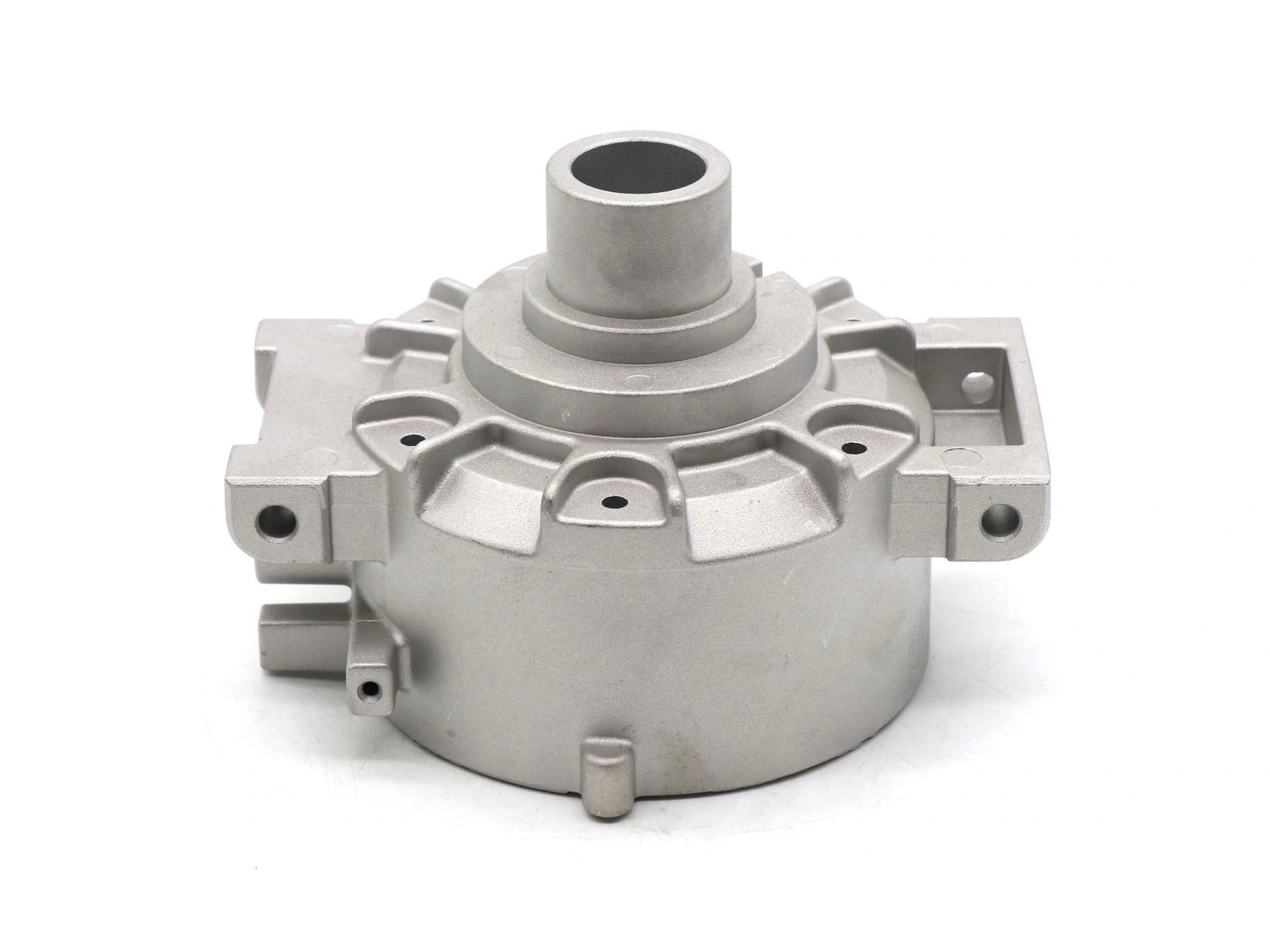
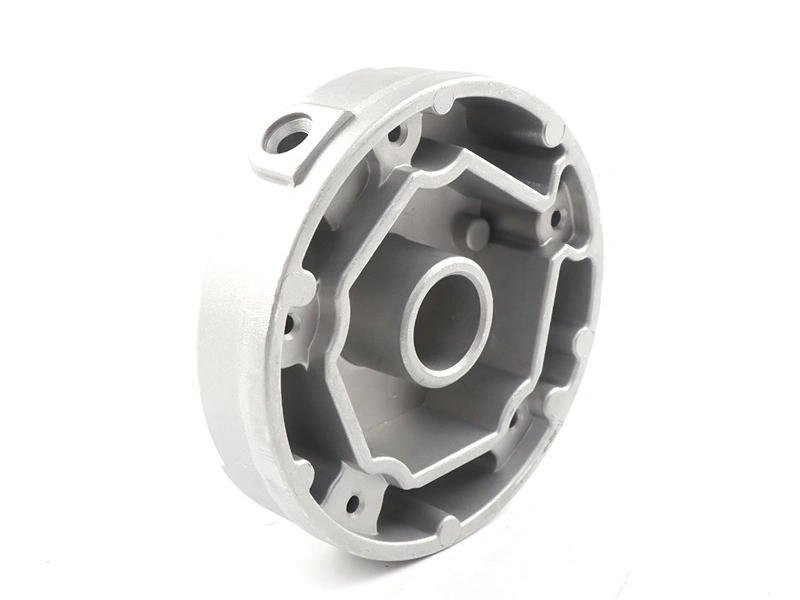
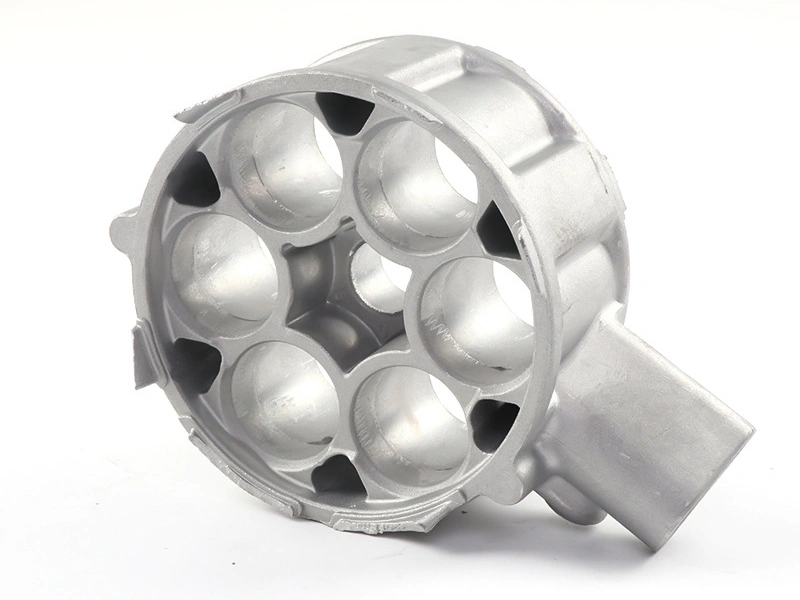
For a housing, bracket, cover, or machined casting, begin with the function. Identify load, sealing, pressure, thermal, electrical, cosmetic, and environmental requirements. Then confirm whether EN AC-44300 is being used as a formal grade or as a regional comparison. The EN AC-44300 casting route should be reviewed against the actual part and not treated as a generic promise.
Copper Is One Part of the Chemistry
A material decision should start with the full specification, including silicon, copper, magnesium, iron, other defined elements, impurities, and the required condition. A single copper value does not identify the alloy's complete casting or service behavior. It also does not show whether the supplied metal meets the applicable standard or whether the casting process produced acceptable internal quality.
Write the exact designation and governing standard in the RFQ. If a supplier proposes a related A413 or internal grade, request a documented equivalence review. Record the original and proposed chemistry basis, product form, casting method, condition, and evidence required before release.
Consider Corrosion and Service Environment
Copper content can be relevant when a part is exposed to moisture, salt, cleaners, dissimilar metals, or temperature changes. That does not mean EN AC-44300 is automatically unsuitable for an exposed application or automatically protected by its designation. The buyer should define the environment, exposed faces, coating or conversion route, contact materials, and acceptance evidence.
Review the finished component, not just the raw alloy. A machined face can expose a different surface condition from the as-cast skin. A coating can change galvanic behavior at an edge or masking boundary. A housing with a gasket may have a different risk at the seal land from a broad painted exterior. Separate the chemistry question from the environmental validation question.
Review Machining and Casting Behavior
Alloy chemistry can affect cutting response, but machining results also depend on casting structure, stock, datums, tool condition, fixture support, and cutting sequence. If the part includes a bore, threaded boss, gasket land, or mounting pad, define the raw and finished states. A bore can be dimensionally correct and still fail because it is out of position. A flange can meet a flatness check in the fixture and move after release.
During casting review, map heavy-to-thin transitions, long flow paths, gates, vents, overflows, cooling, and ejectors. Copper content does not correct poor filling, trapped gas, or distortion. A candidate grade should be tested in the production geometry when internal integrity or machining exposure matters. Use post-machining evidence when the final part is supplied after CNC work.
Buyer concern | How copper content enters the review | Evidence to request |
|---|---|---|
Environment | Chemistry and surface route must suit moisture, salt, cleaners, or dissimilar metals | Exposure description and finish validation |
Machining | Cutting behavior interacts with the cast structure and stock | Machining trial and finished-interface inspection |
Load or pressure | Chemistry does not prove internal integrity or finished strength | Part-specific validation and functional test |
Equivalent grade | A similar label may use a different chemistry or process basis | Controlled comparison and approval record |
Do Not Turn Copper Content Into a Guarantee
A chemistry record can verify compliance with the named material specification, but it does not guarantee corrosion life, pressure tightness, fatigue performance, dimensional stability, or coating adhesion. Those claims require defined conditions and evidence. State the test medium, exposure, sample, part state, and pass/fail rule when the application needs that proof.
If a supplier changes the chemistry range, melt source, casting route, or heat-treatment condition, treat it as a controlled change. Identify affected features and repeat the evidence that the change could influence. A change may be acceptable for a nonfunctional cover and unacceptable for a machined pressure housing.
What to Write in the RFQ
Specify the exact EN AC-44300 grade, governing document, chemistry or certificate requirement, casting process, condition, geometry, machining, finish, service environment, and validation plan. Ask the supplier to explain any proposed alternative and to identify which evidence supports it.
Copper content is useful in the material review, but it is only one part of the decision. Approve EN AC-44300 when the complete chemistry, casting route, machining, surface treatment, environment, and finished-part evidence agree with the component's real use.