How Does Silicon Affect EN AC-44300 Casting Behavior?
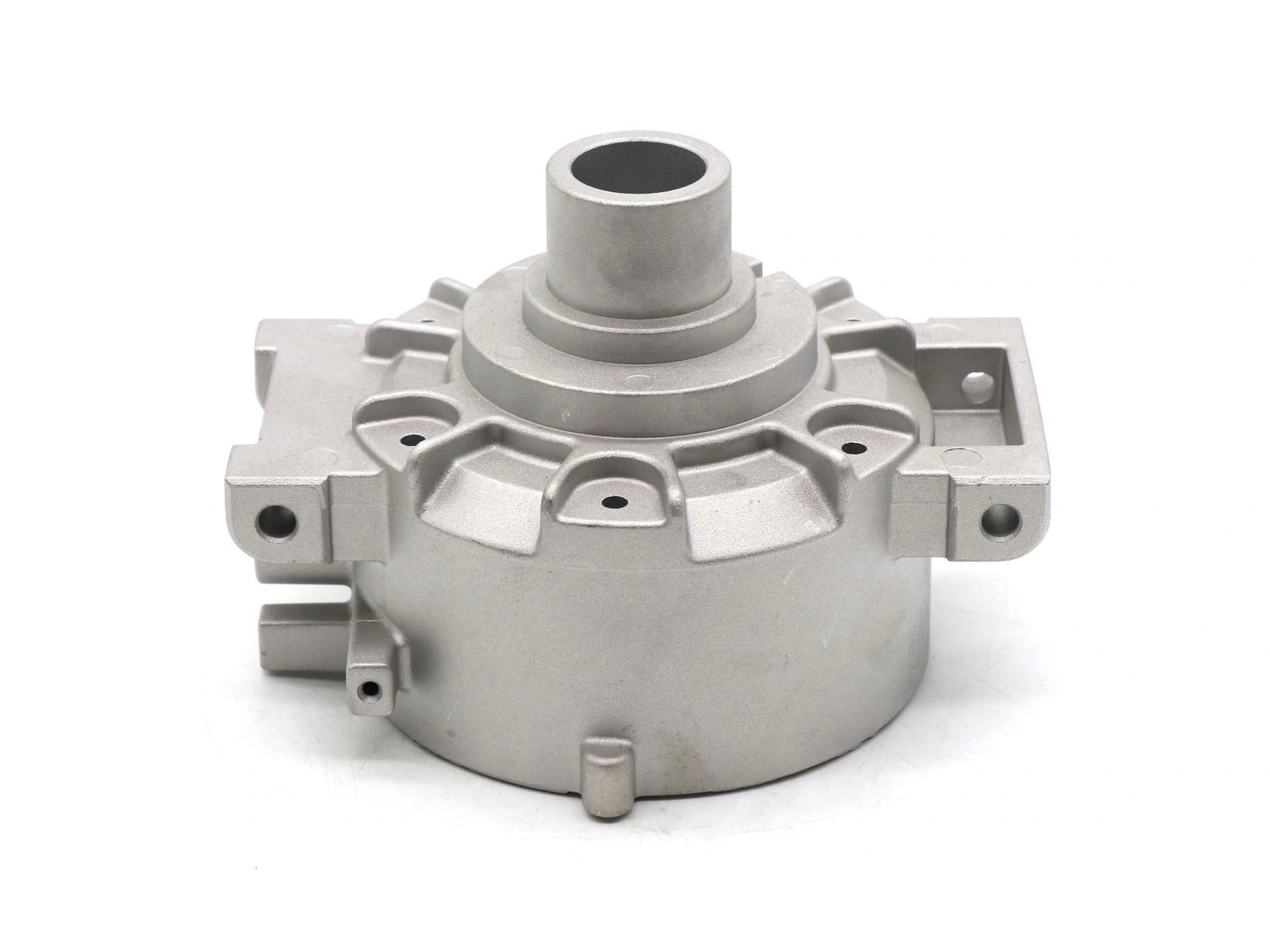
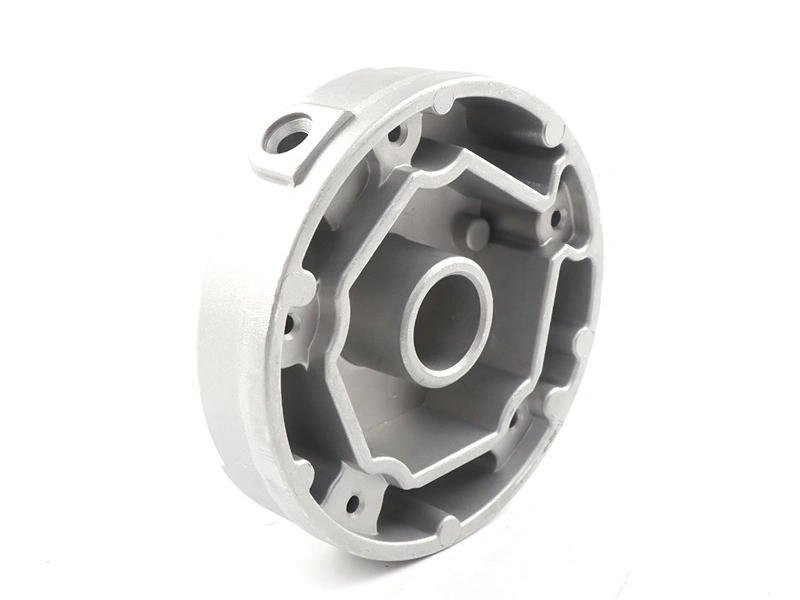
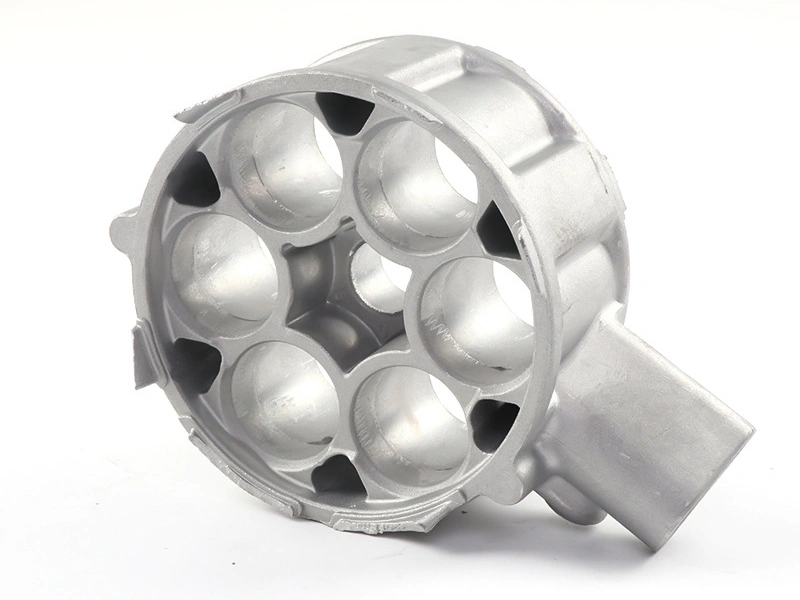
Silicon affects EN AC-44300 casting behavior mainly through its relationship with fluidity, solidification, section geometry, shrinkage risk, machining surface, and the resulting casting structure. Silicon is important to the alloy's casting response, but its presence does not guarantee that every wall or rib will fill. The outcome still depends on the process route, metal temperature and handling, gate and vent design, die or mold temperature, cooling, section transitions, and the required finished-part evidence.
A buyer should therefore ask how the specified EN AC-44300 chemistry will be used in the actual component. The EN AC-44300 service route should be reviewed against the wall map, bosses, ribs, openings, machining, and surface treatment rather than against a simple material sample.
Silicon Supports Fluidity, But Not Every Geometry
Silicon can help molten aluminum move through a casting system, which is one reason silicon-containing grades are considered for detailed shapes. However, flow length and feature design still control whether the metal reaches a thin wall, fills around a corner, or feeds a rib-to-boss transition. A long enclosure wall, deep pocket, or narrow opening may need a different gate, vent, overflow, or design transition even when the material chemistry is correct.
Review the geometry in sections. Mark the start and end of long flow paths, local heavy areas, thin ligaments, and features that will be machined later. A material change that improves one region may not correct a poorly located gate or an abrupt wall transition. Process and design evidence should be kept separate so the team can identify the actual cause of a defect.
Silicon and Solidification
Silicon also interacts with solidification. A thin wall can freeze before a heavy boss, flange, or rib junction. The difference can contribute to shrinkage-related discontinuities, local distortion, or a nonuniform surface. The effect depends on section size, cooling, feeding, die or mold layout, and the complete casting cycle. Do not convert a composition discussion into an unsupported claim about a universal defect rate.
Ask the supplier to identify thick-to-thin transitions and to explain how the process addresses them. For a pressure passage, bearing seat, gasket land, or machined pad, define where internal condition and distortion matter. A nonfunctional external rib may have a different acceptance rule from a flange that must seal after machining.
Machining Can Reveal the Cast Structure
The as-cast surface and the material beneath it may not machine identically. Removing stock from an EN AC-44300 bore or face can change texture, expose a pore, or reveal local variation created during filling and cooling. The machining plan should state the stock, datums, fixture, cutting sequence, final dimensions, and free-state inspection condition.
Review the operation with post-machining when the supplier is responsible for CNC work. A bore can be on size yet misaligned with a mounting face. A flange can be flat while clamped and move after release. Silicon-related casting behavior is only one part of the result; datum control and workholding remain essential.
Observed issue | Possible relationship to silicon and process | Verification focus |
|---|---|---|
Incomplete thin wall | Flow length, gate, venting, section design, and freezing sequence | Flow review and trial part at the actual wall |
Local shrinkage or sink | Heavy-to-thin transition and uneven solidification | Section review and targeted internal inspection |
Machined pore | Stock removal opened a subsurface discontinuity | Stock map, machined-state inspection, and disposition rule |
Surface variation | Local cooling, skin condition, preparation, or finish response | Representative surface sample and defined visual zones |
Verify the Complete Material and Process Route
Confirm the EN AC-44300 specification and chemistry record, then verify the actual casting geometry, tool or mold route, trim, machining, and finish. Inspect the features that matter to the application. If the part is sealed, pressure-related, or load-bearing, use a functional method that represents the completed part. If the part is cosmetic, use a production-representative appearance reference.
When a supplier proposes a different silicon range or related grade, require a documented comparison. The review should identify the changed chemistry, process assumptions, affected sections, and evidence needed before approval. A small chemistry change may be acceptable in one geometry and unsuitable in another.
What Buyers Should Request
Request the exact material specification, chemistry or lot record, process review, wall and section assessment, machining plan, finish sample, and risk-based validation. Silicon helps explain EN AC-44300 casting behavior, but the acceptance decision belongs to the complete route from alloy and geometry through final inspection.