How Does Tooling Work for Low Volume Aluminum Casting?
How Does Tooling Work for Low Volume Aluminum Casting?
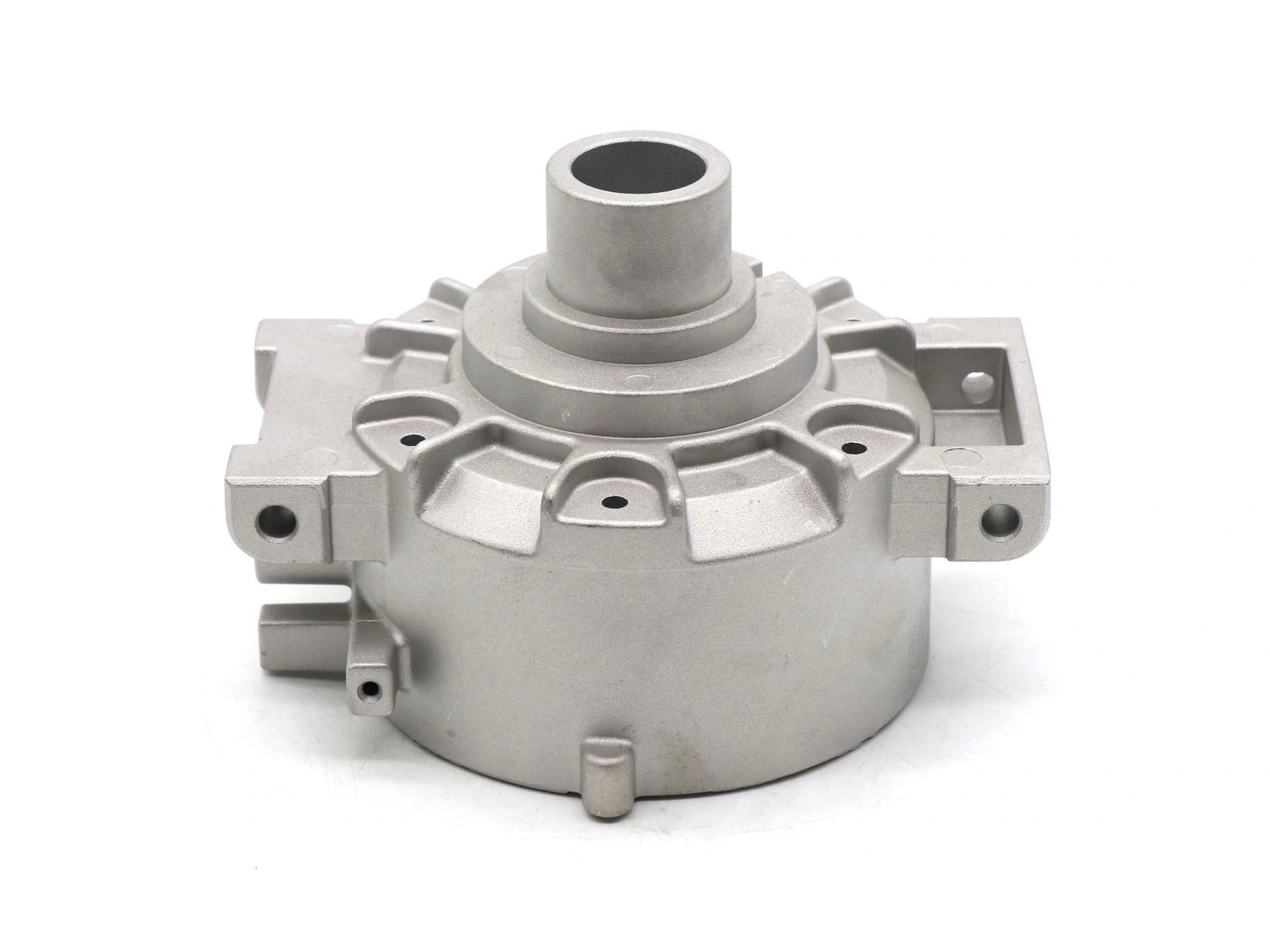
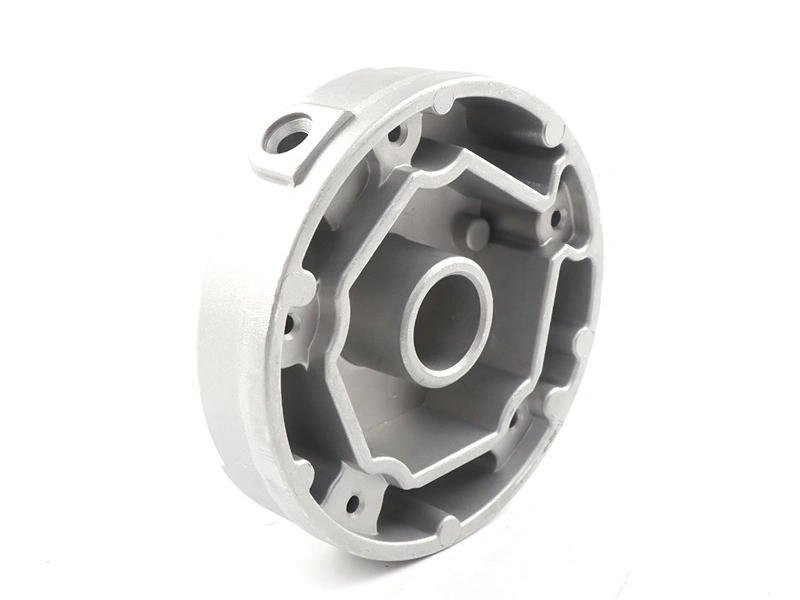
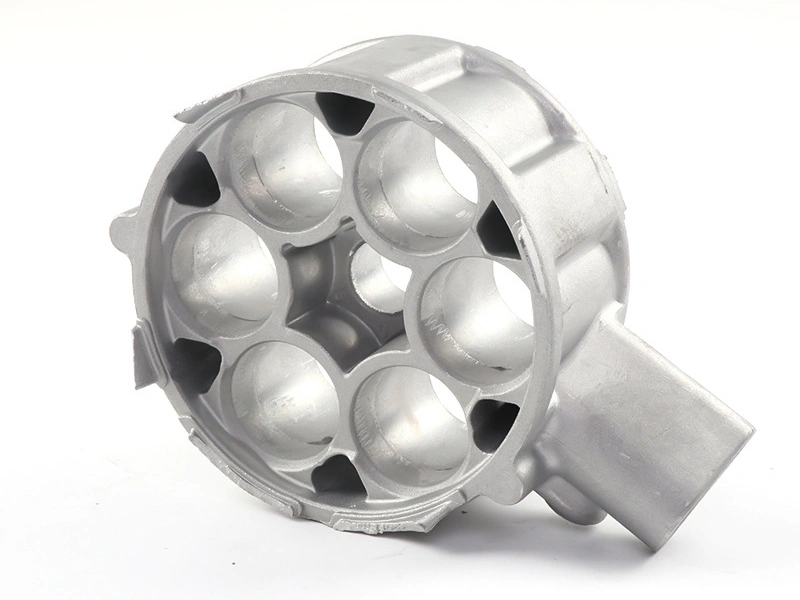
Tooling for low volume aluminum casting depends on the part geometry, quantity, process route and future production plan. Buyers may use prototype tooling, soft tooling, simplified tooling, production-intent tooling or full production tooling. The tooling decision affects lead time, upfront cost, part quality, design-change flexibility and how useful the pilot data will be for future mass production.
The buyer should not choose tooling only by the lowest price. A very cheap tool may produce samples, but it may not validate production filling, ejection, cooling, machining allowance or repeatability. A full production tool may be too expensive if the design is not stable. The best tooling route fits the current risk and the next expected stage.
For aluminum casting projects that may move into die casting, tool and die making should be discussed together with quantity, material, inspection and production transfer.
The quote should distinguish pattern or soft tool, bridge tool and production-intent die. It should state cavity count, insert material, expected corrections, ownership and whether the tool can support future volume. A 2-6 week rapid-tool estimate is only useful when T1, correction and finished sample stages are separated.
Tooling scope should be quoted by route and expected life. A simple sand-casting pattern modification may take roughly 3-7 working days, while bridge or production-intent metal tooling can require several weeks once sliders, cooling, trim and correction loops are included. ASTM B26/B26M, ASTM B108/B108M or ASTM B85 should match the casting route. The quotation must state cavity count, insert strategy, ownership, maintenance responsibility and the number of trial corrections included.
Prototype Tooling
Prototype tooling is used to make early cast parts for validation. It may help confirm shape, wall thickness, assembly fit and surface finish direction. It is useful when the buyer needs real cast metal behavior but does not yet want to invest in full production tooling.
The limitation is that prototype tooling may not represent final production life, cycle time, surface quality or dimensional repeatability. Buyers should understand what the prototype tool proves and what it does not prove. If the project later moves to production tooling, some tooling data may need to be revalidated.
Soft or Simplified Tooling
Soft or simplified tooling can support bridge quantities and limited pilot runs. It can reduce upfront cost while allowing the buyer to test cast geometry, machining and finishing. This route is useful when demand is not fully confirmed or when the buyer needs parts before full production tooling is ready.
The risk is that simplified tooling may have limits in repeatability, surface quality or long-term durability. It may also require more manual finishing or inspection. Buyers should not assume that the unit cost and quality from a soft-tool run will match future production exactly.
Tooling Option | Best Use | Main Buyer Question |
|---|---|---|
Prototype tooling | Early cast validation | What does this tool prove? |
Soft tooling | Bridge or pilot quantities | Can it meet the needed batch quality? |
Production-intent tooling | Low volume with future scale-up | Will the data transfer to production? |
Full production tooling | Stable repeat orders | Is the design fully released? |
Production-Intent Tooling
Production-intent tooling is useful when the buyer expects future repeat orders and wants low-volume samples to represent the final process more closely. It can help validate gate location, venting, cooling, ejection, parting line, machining stock and cosmetic surface protection. The pilot batch becomes more valuable because its data can guide mass production.
The trade-off is cost and design flexibility. If the design changes after production-intent tooling is made, modifications may be more expensive. Buyers should use this route when the product design is mostly stable and the main risk is manufacturing validation rather than basic geometry exploration.
Tooling and Machining Must Be Planned Together
Low volume aluminum castings often require CNC machining after casting. Tooling should leave machining allowance at critical features and provide surfaces that can be located in a fixture. If machining is not considered during tooling design, the casting may not clean up correctly or may be hard to hold repeatably.
For machined cast parts, post machining requirements should be marked before tooling. Threaded holes, sealing faces, flat pads, bores and datums need enough stock and a stable process route.
Buyer Recommendation
Buyers should tell the supplier whether the low-volume order is a one-time batch, a bridge order or a step toward mass production. They should provide the model, drawing, quantity, material, critical dimensions, finish requirement and future demand estimate. The supplier can then recommend a tooling route that matches both current risk and future production needs.
Neway can help buyers choose tooling for low volume aluminum casting by balancing upfront cost, lead time, design flexibility, machining needs and repeat production stability.
Questions Buyers Should Ask About Tooling
Buyers should ask how many parts the tool is expected to support, whether design changes are possible, what surface quality can be expected, what machining allowance is included and whether the tool data can transfer to production. These questions reveal whether the tooling route is a true bridge to production or only a short sample method.
Buyers should also ask what happens if the pilot run finds a problem. Some tooling routes are easier to modify than others. If the part has sealing faces, threaded bosses or cosmetic surfaces, the tooling plan should include enough flexibility to correct issues found during trial casting.
A tooling quote should state what is included: design review, mold or pattern work, trial shots, sample inspection, tooling modification and maintenance. Without these details, two tooling prices may look comparable but include very different levels of engineering support.