Is EN AC-44300 Equivalent to A413 for Every Project?
EN AC-44300 should not be treated as automatically equivalent to A413 for every project. The buyer must compare the exact chemical limits, governing specification, product form, casting process, condition, geometry, machining, surface treatment, and acceptance evidence. The two designations may be considered together in some sourcing discussions, but a similar material description does not replace a documented equivalence decision.
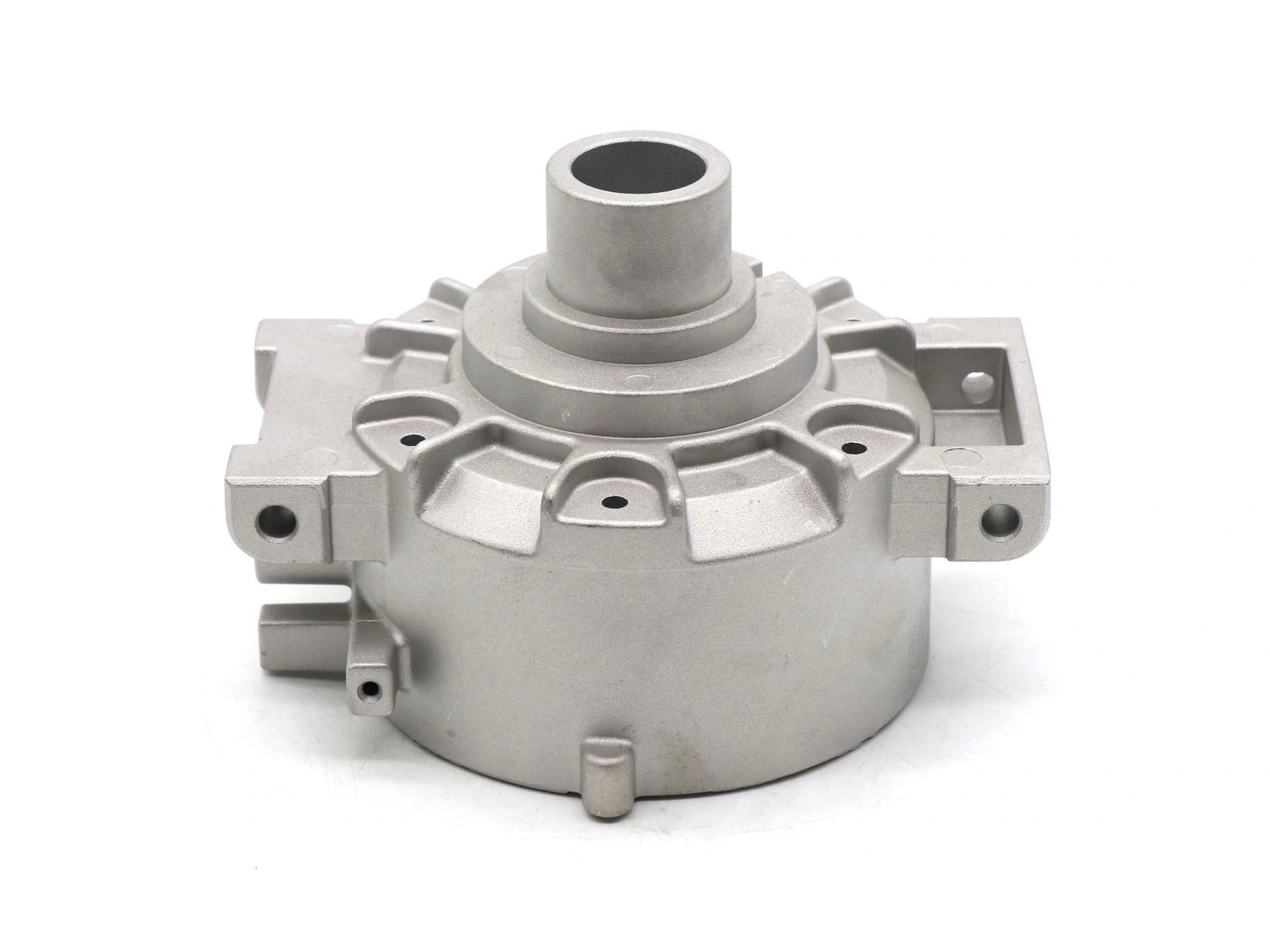
The correct comparison starts with the part. A detailed die-cast housing, a sand-cast structural body, and a machined cover may require different material and process evidence even when a supplier uses the same words for the alloy. Review the EN AC-44300 service route against the actual drawing and quote boundary.
Compare the Specifications First
Identify which document controls EN AC-44300 and which document controls A413. Compare the element limits, impurities, product form, delivery condition, test basis, and traceability expectations. Check whether either designation is being used as an internal purchasing code or a regional shorthand. If the source documents are not stated, the word “equivalent” is incomplete.
Write the comparison into the RFQ or deviation record. Name the original material, proposed material, source specifications, reason for the proposal, and affected features. If the proposed grade changes the casting route or the required condition, include that change in the engineering review. The buyer should retain the original requirement even when an alternate is approved.
Process Route Controls Equivalence
Alloy equivalence cannot be separated from casting method. High-pressure die casting, gravity casting, sand casting, and low-pressure casting create different filling, cooling, internal structure, and distortion conditions. An A413 result from one route does not automatically establish that EN AC-44300 will produce the same part through another route.
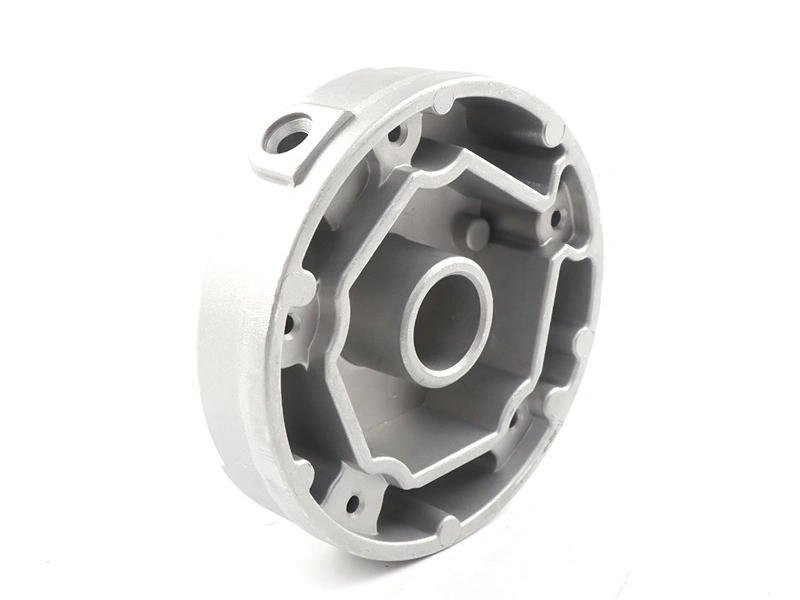
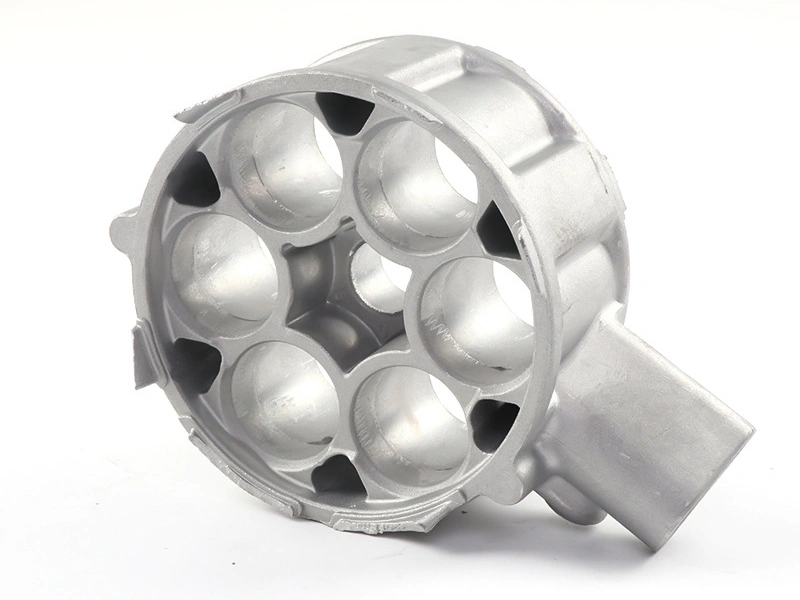
Review the actual wall sections, ribs, bosses, openings, gates, vents, overflows, cooling, and ejectors. A thin wall can fill in one tool and hesitate in another. A heavy boss can create a local solidification issue. If the part is later machined, the raw casting needs enough stable stock to create the final bore or flange. A grade comparison made on a flat coupon leaves those questions open.
Check Machining, Surface, and Function
Machining can reveal internal differences and change the delivered surface. Define the datums, stock, fixture, cutting sequence, final dimensions, and inspection state. If the part includes pressure passages, bearing seats, gasket lands, or threaded bosses, validate those features after machining. A certificate or raw-casting visual review cannot prove the completed interface.
Surface treatment can also separate two otherwise similar material routes. Polishing, conversion treatment, powder coating, plating, and masking may respond to the alloy and the casting skin. Approve the comparison using representative production geometry and the intended preparation. If the material is proposed for outdoor or wet service, define the environment and corrosion evidence instead of using the grade name as proof.
Equivalence boundary | What can differ | Required closure |
|---|---|---|
Chemistry | Element limits, impurities, and condition | Source specification and lot evidence |
Process | Filling, cooling, internal quality, and distortion | Actual route review and representative samples |
Machining | Stock, cutting response, exposed surfaces, and datums | Machining trial and finished-interface inspection |
Application | Pressure, load, corrosion, sealing, or appearance evidence | Function-specific validation and approval record |
Control a Proposed Alternative
If a supplier proposes EN AC-44300 for an A413 requirement, or A413 for EN AC-44300, require a written alternative request. Include the old and new designation, standard comparison, process change, affected features, sample plan, tests, dimensional and finish checks, approval authority, and effective lot. Segregate existing parts if the material basis changes before the approval is complete.
Repeat only the evidence that the change can affect, but make that decision explicit. A nonfunctional cover may need dimensional and surface confirmation. A pressure or load-bearing part may need additional internal or functional validation. The acceptance plan should follow the risk rather than a generic equivalence claim.
What Buyers Should Approve
Approve an EN AC-44300 and A413 comparison only after the governing specifications, casting route, condition, geometry, machining, finish, and application evidence are aligned. The designations may be related in a specific project, but the buyer should preserve the exact material callout and the record supporting the approved alternative.