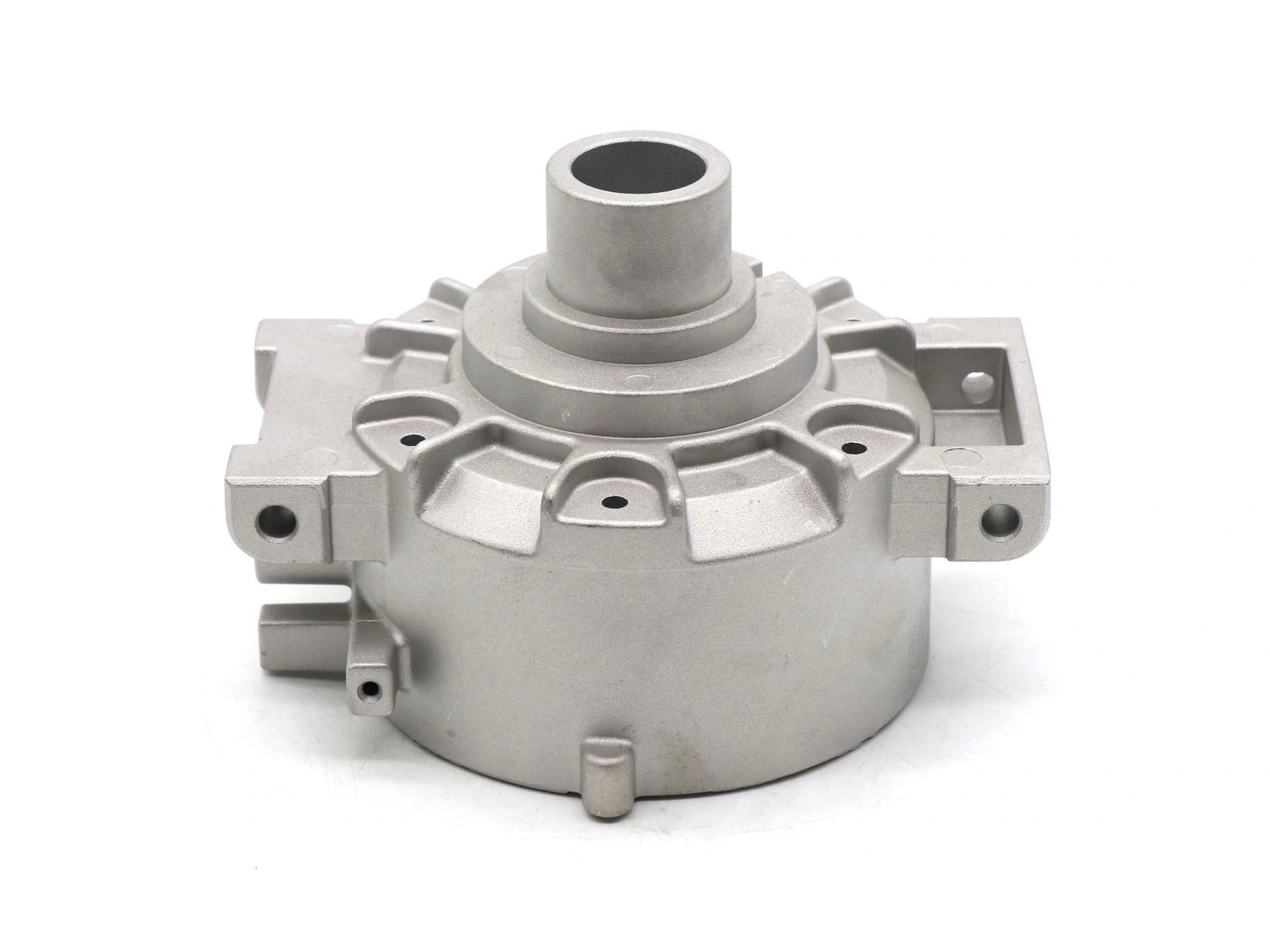
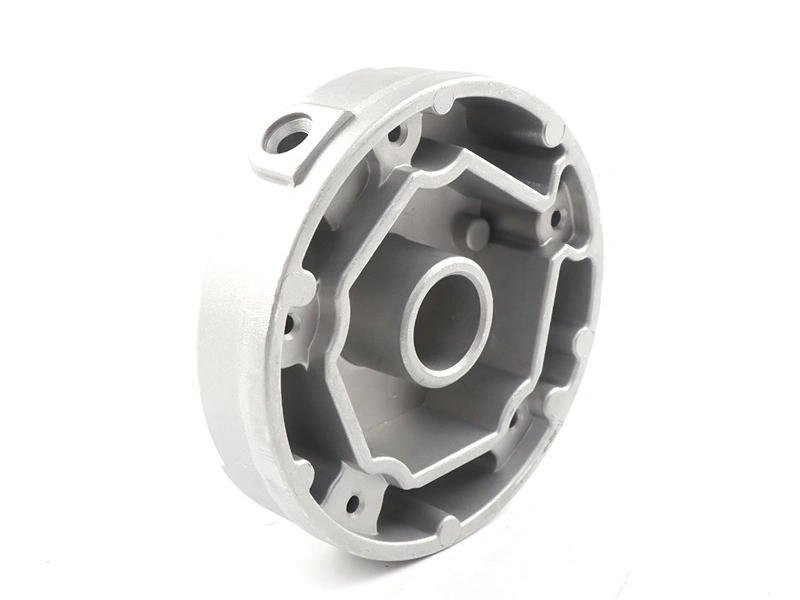
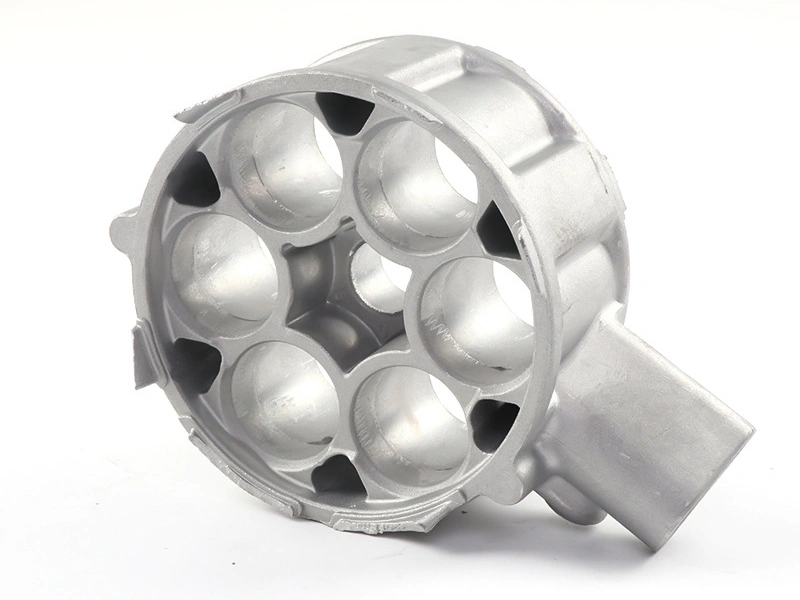
What Are OEM Die Casting Parts?
OEM die casting parts are customer-specific components produced to an approved drawing, model, material requirement, tooling definition, process route, and inspection plan. “OEM” describes the controlled product relationship, not simply the fact that a metal part was made by die casting. The buyer normally owns the product requirements, while the supplier converts those requirements into tooling, casting, trimming, machining, finishing, inspection, packaging, and production records.
A useful OEM package identifies the functional interfaces and the condition in which each feature is accepted. A mounting face may remain as-cast or may be milled. A hole may be cored, drilled, reamed, or threaded. A sealing land may need final machining and a leak or assembly check. A cosmetic wall may have a separate visual limit. These distinctions should be locked before tooling because they affect die design, cost, cycle, fixtures, inspection, and change control.
What Makes the Part OEM-Controlled?
The control begins with a released drawing and a matching 3D model. The revision should identify the alloy or approved material range, casting process, heat or delivery condition if relevant, surface treatment, part marking, dimensions, datums, geometric requirements, and acceptance state. The buyer should state whether the drawing or model controls a profile, and which document governs if the two appear different.
Tool identity is part of the product record. The die, inserts, slides, cores, trim tools, gauges, and fixtures should have identifiers connected to the approved part revision. If the tool is repairable or contains replaceable inserts, the ownership, storage, maintenance, and modification rules should be agreed. This is where OEM sourcing differs from buying an interchangeable generic casting.
OEM element | What it controls | Evidence for release |
|---|---|---|
Drawing and model | Geometry, datums, material, and revision | Approved files with matching revision identity |
Tooling | Cavity, core, trim, inserts, and repair condition | Tool register, drawing, and maintenance records |
Process state | Cast, trimmed, machined, finished, or assembled condition | Operation route and sample approved in the delivered state |
Inspection | Features that must fit, seal, locate, or appear acceptable | Measurement, functional test, and disposition records |
Define the Casting and Machining Scope
An OEM die-cast component often includes more than the cast shot. Trimming removes gates and flash. Drilling, tapping, milling, turning, or reaming may establish assembly interfaces. Deburring and cleaning control chips and edges. Plating, painting, powder coating, or another finish can change appearance, dimensions, corrosion exposure, and masking requirements. The quote should state which operations are included and which remain the buyer's responsibility.
Neway's aluminum die casting service should be considered with the alloy, section design, functional features, and production volume. When the OEM receives machined parts, the post-machining scope should be part of the same drawing and inspection discussion. A raw casting approval cannot replace approval of a final threaded hole, gasket land, or finished datum.
Validation and Traceability
Validation should answer how the released part performs at its intended interfaces. Dimensional inspection checks the drawing features. A material record supports alloy identity. A leak, pressure, assembly, load, or other functional test addresses a defined requirement. A visual sample controls cosmetic zones. The buyer should state which evidence is required for first approval and what routine production checks are repeated for each lot or defined sampling plan.
Traceability connects the part to the casting lot, tool revision, machine or process record, machining route, finish batch, inspection, and deviation decision. It is especially useful when a recurring defect appears after a tool repair or drawing change. Records should identify what was actually produced, not only the target process. Keep approved deviations time-limited and tied to a specific revision or lot.
What the Buyer Should Confirm
Before release, confirm the drawing revision, material, tool ownership, process state, functional datums, finish, packaging, inspection, test, spare and repair responsibilities, and change-notification route. Ask the supplier to list assumptions and exclusions. If the OEM supplies the tool, clarify access, storage, maintenance authorization, replacement inserts, and records. If the supplier owns the tool, define how the buyer can obtain or transfer the tooling if the commercial relationship changes.
OEM die casting parts are therefore controlled supply items, not anonymous castings. Their quality comes from the connection between customer requirements, tooling, process states, validation, and records. A buyer should approve the delivered condition and the evidence behind it before treating the part as production-ready.
In practice, the OEM should also decide what happens when a part is reworked. A trimmed casting, machined component, and finished component may each have different rework limits. The quality agreement should identify who can authorize rework, which features must be rechecked, and how the reworked lot is marked. This detail matters when a cosmetic correction could affect a sealing face, coating, wall, or assembly datum. It keeps the commercial promise aligned with the condition that actually reaches the OEM line.