What Evidence Should Confirm an EN AC-44300 Material Choice?
Evidence confirming an EN AC-44300 material choice should connect the exact chemistry specification to the casting route, part geometry, machining, surface treatment, operating environment, and risk-based validation. A chemistry certificate confirms a material record, but it does not prove that the finished casting fills correctly, remains stable, machines cleanly, seals, withstands its service condition, or meets its appearance requirement.
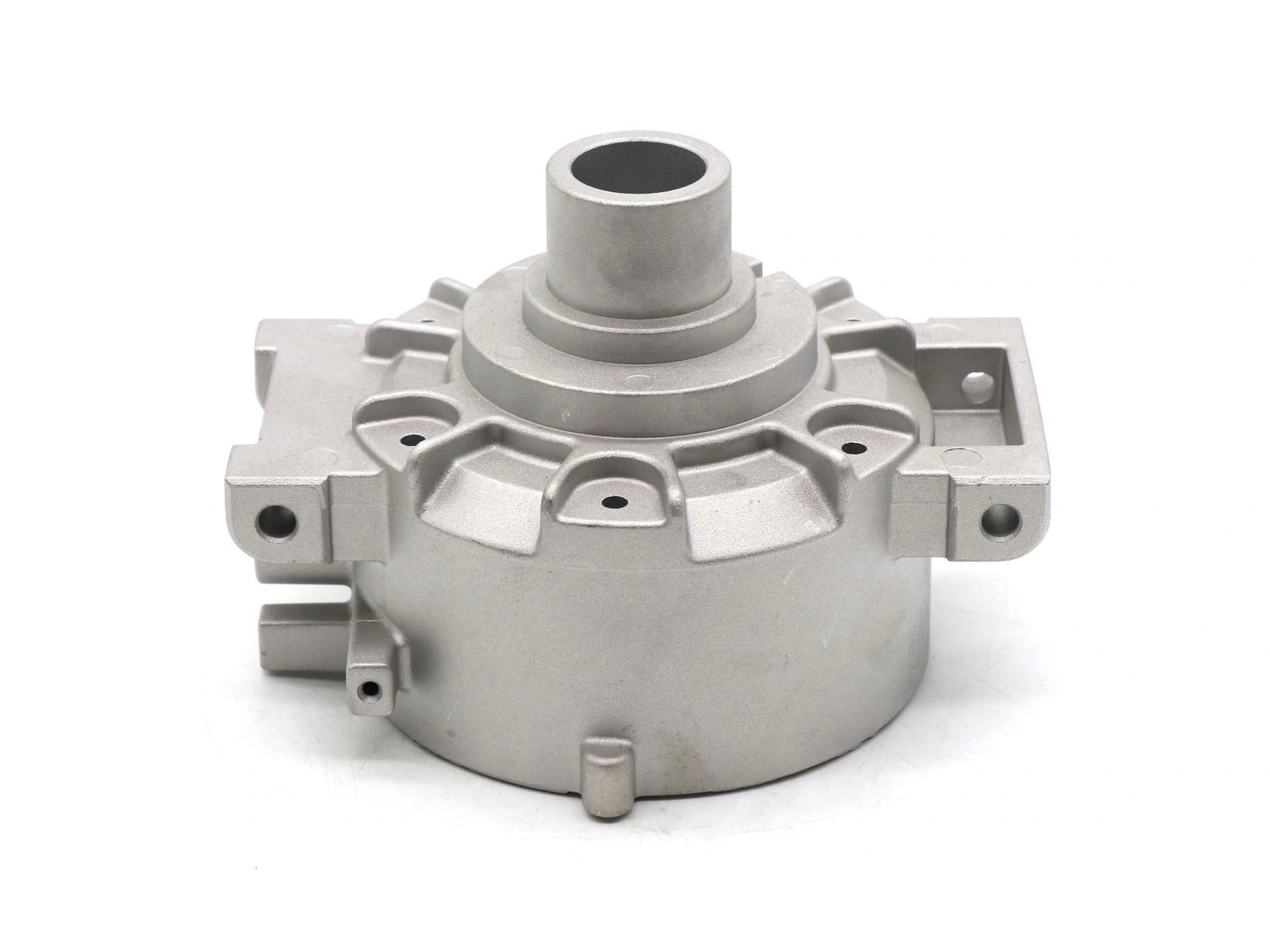
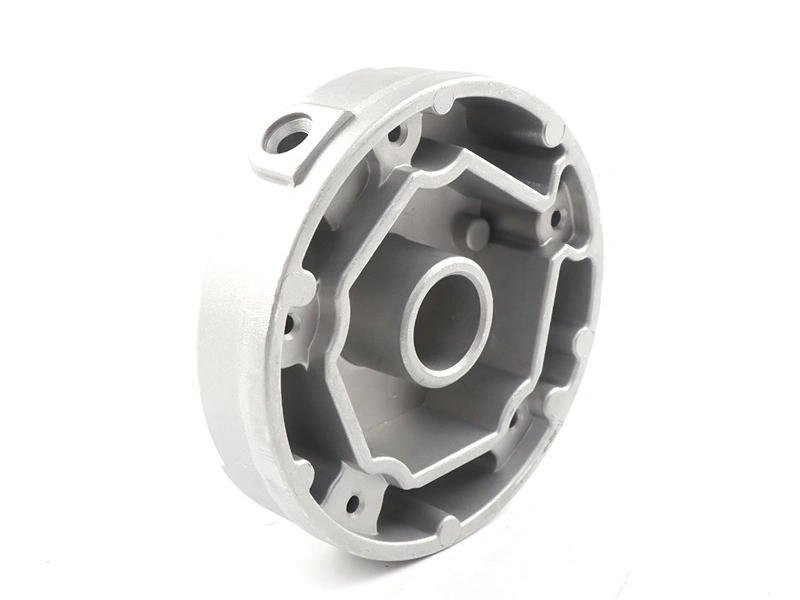
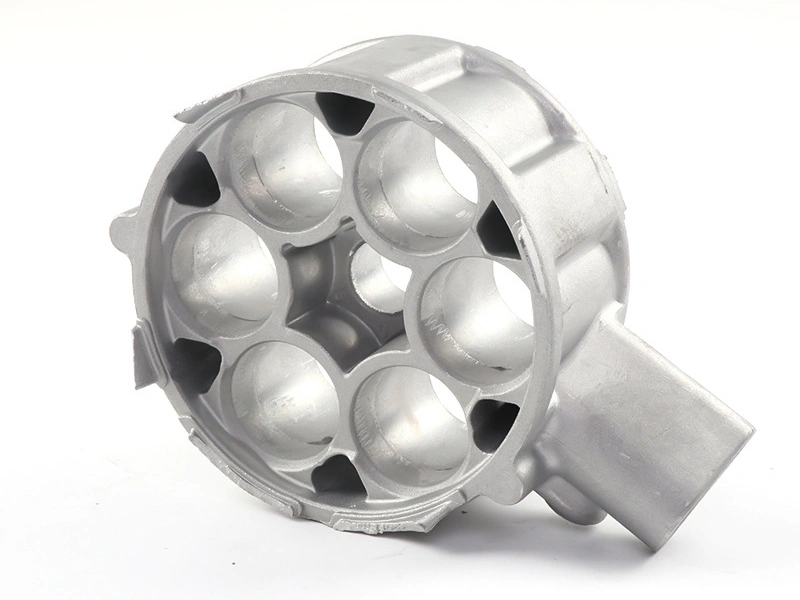
The evidence should be planned from the part function. Mark pressure boundaries, gasket lands, bearing seats, mounting pads, thin walls, ribs, bosses, cosmetic zones, and surfaces that will be machined or coated. Then review those zones through the EN AC-44300 casting route.
Confirm the Material Record
Start with the drawing and purchase order. State the exact EN AC-44300 designation, governing standard or customer specification, product form, condition, chemistry limits, lot identification, and certificate or test requirement. If the supplier proposes A413 or another grade, require a documented comparison. Do not accept a generic “aluminum casting alloy” description where the part risk depends on composition.
Connect the chemistry record to the casting lot or melt identity where required. Labels, travelers, packing lists, and inspection reports should carry a consistent identity. If material is changed during a repeat order, the buyer should be able to see the change and decide whether the original approval still applies.
Confirm the Process Route
Material selection needs process evidence. Record whether the part is high-pressure die cast, gravity cast, sand cast, low-pressure cast, or made by another route. Confirm the tool or mold revision, gates, vents, overflows, cooling, cores, slides, ejectors, and trial state that can affect the result. The route should be evaluated against the wall map, section transitions, flow length, and heavy features.
Ask the supplier to identify which observations are design issues and which are process issues. A thin wall that does not fill may require a gate or geometry review. A pore opened by machining may point to local casting quality or excessive stock removal. A warped flange may relate to cooling, ejection, fixture support, or residual stress. Evidence is useful when it helps separate those causes.
Verify Machining and Finish
If the supplied part is machined, validate it after the intended operations. Include datums, fixture, stock, cutting sequence, deburring, cleaning, final dimensions, and free-state inspection. Check the features that matter to assembly: bores, threaded holes, gasket lands, mounting pads, connector seats, and hole patterns. A raw-casting report cannot close a finished-interface requirement.
If the part is coated or converted, approve the actual preparation, masking, curing or drying condition when relevant, and appearance. Inspect the finish at ribs, bosses, edges, pockets, parting lines, and functional no-finish zones. A flat panel or supplier photograph is not enough to approve a complex EN AC-44300 casting.
Evidence group | Question answered | Example release focus |
|---|---|---|
Chemistry | Was the specified EN AC-44300 material supplied? | Standard, lot identity, chemistry record, and condition |
Casting | Can the route produce the actual geometry? | Tool revision, section review, raw inspection, and defect disposition |
Machining | Do the finished interfaces locate, seal, and assemble? | Datums, stock, dimensions, surface, and functional fit |
Environment and finish | Does the delivered surface suit the application? | Exposure, masking, finish sample, and application test |
Choose Tests for the Part Risk
Use the part's failure modes to select additional tests. A pressure or sealing boundary may need leak or pressure evidence after machining. A load-bearing feature may need a defined structural or functional check. A cosmetic exterior may need an appearance master and surface-defect boundary. Internal-quality examination may be appropriate at a machined or pressure-sensitive section, but the inspected zone and pass/fail rule must be stated.
Define sample quantity, part condition, test medium or environment, conditioning, equipment assumptions, and acceptance limit before the trial. A standard or method name without those details does not complete the release decision.
Keep the Choice Under Change Control
Record changes to alloy designation, chemistry source, casting route, tool, gates, vents, cooling, machining fixture, finish supplier, or inspection method. The change record should describe the old and new condition, reason, affected features, risk review, evidence, approval authority, and effective lot. Repeat the checks that the change could affect.
An EN AC-44300 choice is confirmed when the material record, casting route, finished geometry, surface, application, and evidence tell the same story. The chemistry is necessary, but the production and functional proof make the choice usable.