What Is AC4C Aluminum Alloy Used for in Casting?
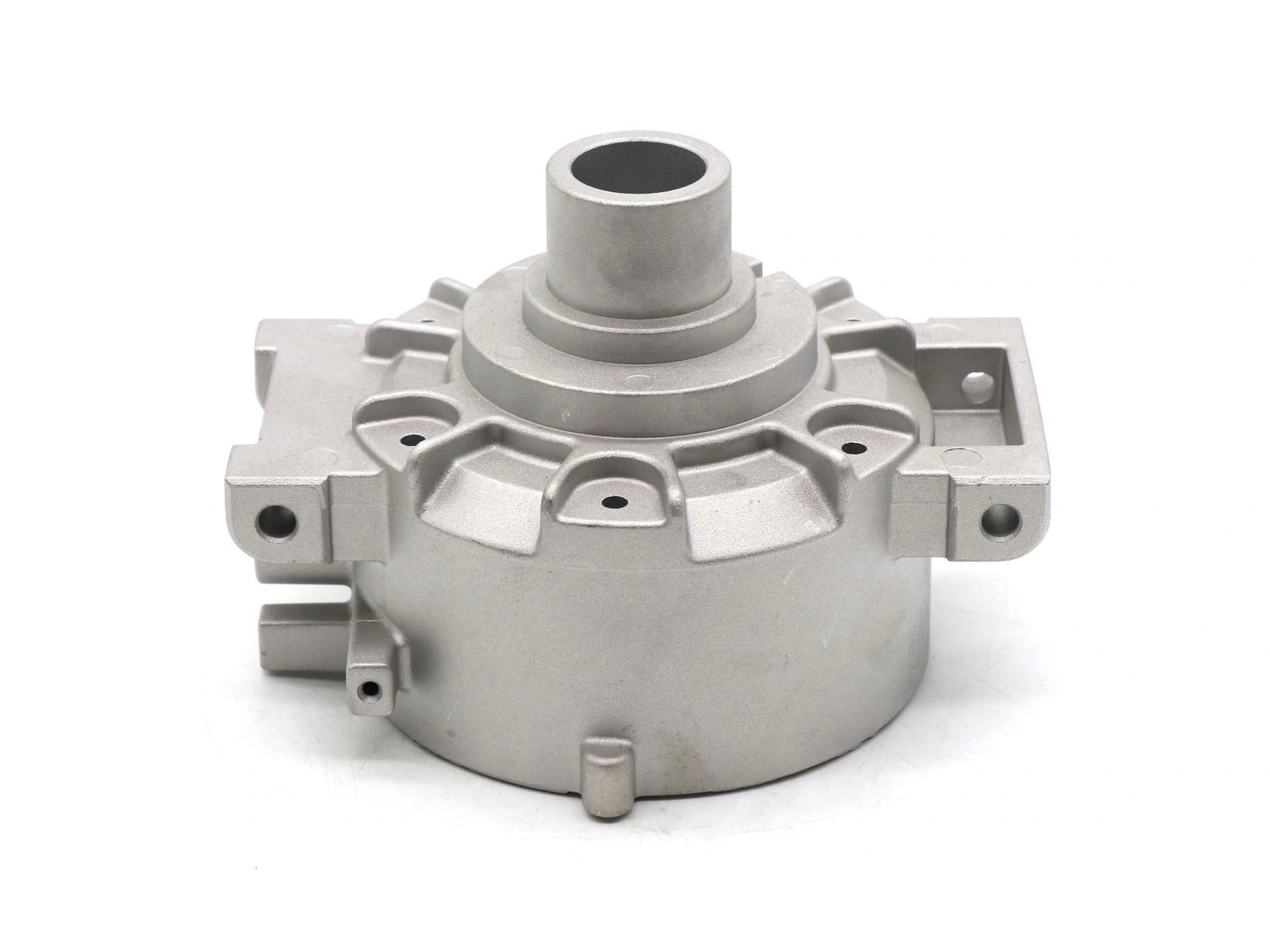
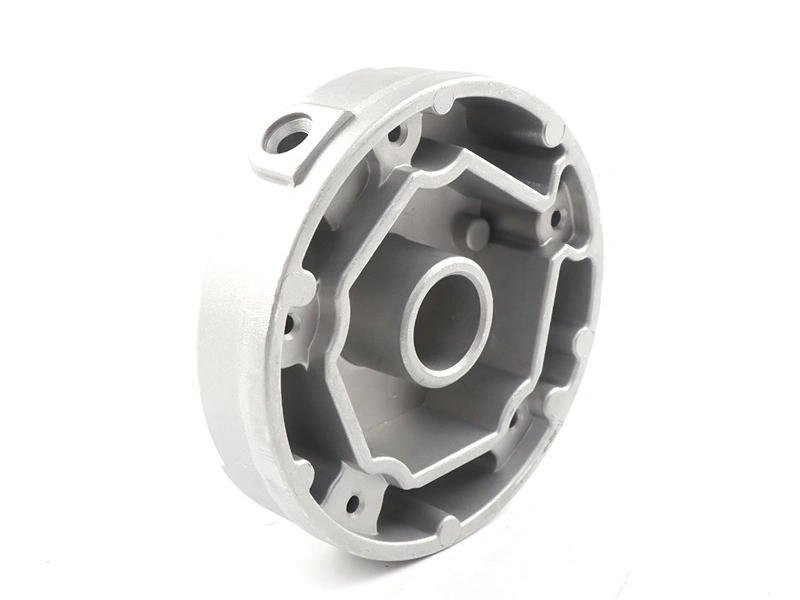
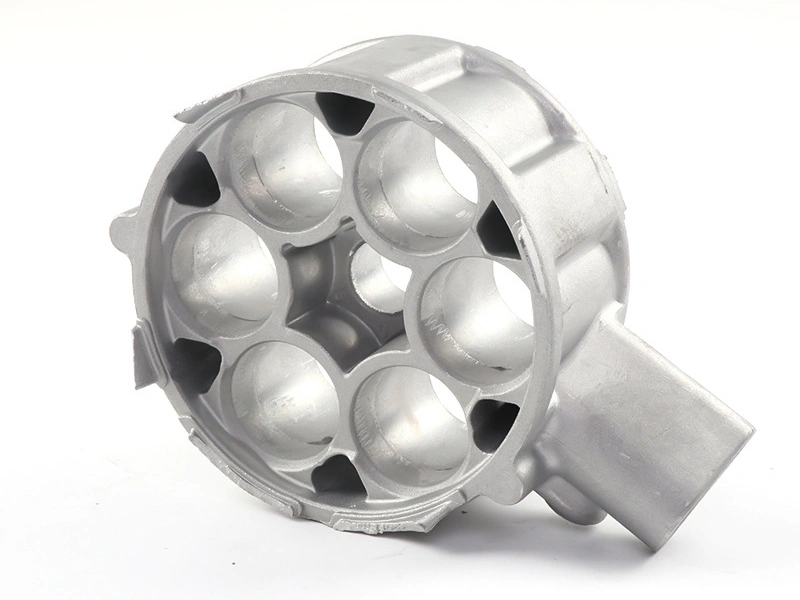
AC4C aluminum alloy is used for cast components when the buyer needs an aluminum casting route that can produce the required geometry, surface condition, machining interfaces, and service performance under a defined material specification. It is often discussed alongside A413 because buyers compare regional designations, but the useful decision is not the name alone. AC4C should be matched to the casting process, wall sections, ribs, bosses, pressure or sealing function, machining plan, surface treatment, and inspection evidence required for the finished part.
For a housing, cover, bracket, valve-related component, or other custom casting, begin with the part function. Identify whether the part must support a load, contain a fluid, hold a seal, transfer heat, provide electrical isolation or contact, resist an environment, or simply protect an assembly. Then confirm the alloy specification, casting route, delivery condition, and acceptance basis. The AC4C aluminum die casting route is a starting point for that review, not a substitute for project-specific approval.
Match AC4C to the Casting Route
AC4C is generally considered in an aluminum casting discussion where fluidity, castability, dimensional shape, and downstream machining must be balanced. The actual route may be high-pressure die casting or another casting process depending on the part size, section geometry, required condition, tooling, production quantity, and functional evidence. Do not transfer an expectation from a sand casting, gravity casting, or heat-treated casting to a die-cast part without checking that the process and condition are compatible.
The same alloy designation can also be handled differently by a supplier depending on melt control, die design, filling conditions, cooling, trimming, and inspection. A buyer should ask which exact standard or customer specification controls the material and what records will prove compliance. If the supplier proposes a regional equivalent, record the original designation, the proposed designation, the reason for the substitution, and the evidence needed to show that the changed route does not alter the part requirement.
Review AC4C Geometry and Solidification
AC4C selection does not remove the need for a design-for-casting review. Long flow paths, thin walls, heavy bosses, thick ribs, deep pockets, and abrupt section changes influence filling and solidification. A boss next to a thin shell can remain hot while nearby metal freezes, increasing the risk of shrinkage-related discontinuity or distortion. A broad flange can also move if it cools unevenly or is ejected before the part has stabilized.
Ask the supplier to review gates, runners, vents, overflows, cooling, ejectors, slides, and parting lines against the actual geometry. Mark which surfaces are cosmetic and which are pressure, sealing, bearing, grounding, or load-related. A casting route that is acceptable for a nonfunctional cover may need additional evidence for a machined housing or a component with a fluid boundary.
Consider Machining and Surface Finish
AC4C parts may need machining at bores, gasket lands, mounting pads, threaded holes, datum faces, or other assembly interfaces. The alloy decision should be made with those operations in view. Machining stock must remove expected casting variation without exposing an unacceptable discontinuity, breaking through a thin wall, or moving the final interface out of position. The fixture must support the part without forcing a distorted housing into a temporary shape.
Surface treatment can also affect the choice. Cleaning, conversion treatment, powder coating, plating, polishing, or another finish may respond to alloy constituents and the as-cast skin. If a consistent appearance matters, approve a representative part with the actual geometry, trim, machining, and preparation route. A flat coupon can demonstrate a color or texture while hiding the effect of ribs, parting lines, pores, or masking boundaries.
AC4C decision area | Question for the project | Evidence to request |
|---|---|---|
Process fit | Which casting route and delivered condition are being quoted? | Exact material specification and process review |
Geometry | Where do thin walls meet heavy bosses, ribs, or flanges? | Section review, trial parts, and targeted internal inspection |
Machining | Which faces, bores, threads, and datums are finished by cutting? | Stock map, fixture plan, and final interface report |
Surface | What appearance, protection, or contact condition is required? | Production-representative finish sample and acceptance reference |
Define AC4C Evidence Before Approval
Material evidence should identify the exact designation, lot or melt identity when required, chemistry record, delivery condition, and any agreed traceability. Part evidence should cover dimensions, surface condition, machining, internal quality, leak or pressure behavior, and assembly wherever those risks apply. No single certificate proves the entire finished-part requirement.
If AC4C is proposed for a pressure boundary, define the completed machining state, test medium, fixture, stabilization, sample basis, and acceptance rule. If the part is cosmetic, define the visible zones and appearance master. If it carries a bearing or seal, inspect the finished interface and use a mating check where appropriate. The useful question is whether AC4C, the selected process, and the evidence form one controlled route for the actual part.
What to Send in an AC4C RFQ
Send the controlled drawing, 3D model, exact alloy requirement, process assumption, quantity, wall map, critical sections, machining features, finish, service environment, and inspection plan. State which records are required with the first samples and with repeat lots. Ask the supplier to identify any assumption that depends on tool design or trial evidence.
AC4C is a useful candidate only when the designation is tied to a verified casting route and a finished component definition. Approve it on the basis of geometry, process, machining, finish, and evidence rather than because a short material label appears familiar.