What Is the Best Aluminum Alloy for Die Casting?
What Is the Best Aluminum Alloy for Die Casting?
For high pressure aluminum die casting, A380 and ADC12 are often practical starting choices because they balance castability, cost, strength and production availability. A360 may be reviewed when corrosion direction or pressure-related performance matters. A413 may be reviewed for fluidity-sensitive parts or selected leak-sensitive features. The best die casting alloy should be chosen from the part drawing, not from material name alone. The material decision should be checked against A413 aluminum die casting when casting route, surface finish or production risk depends on the grade.
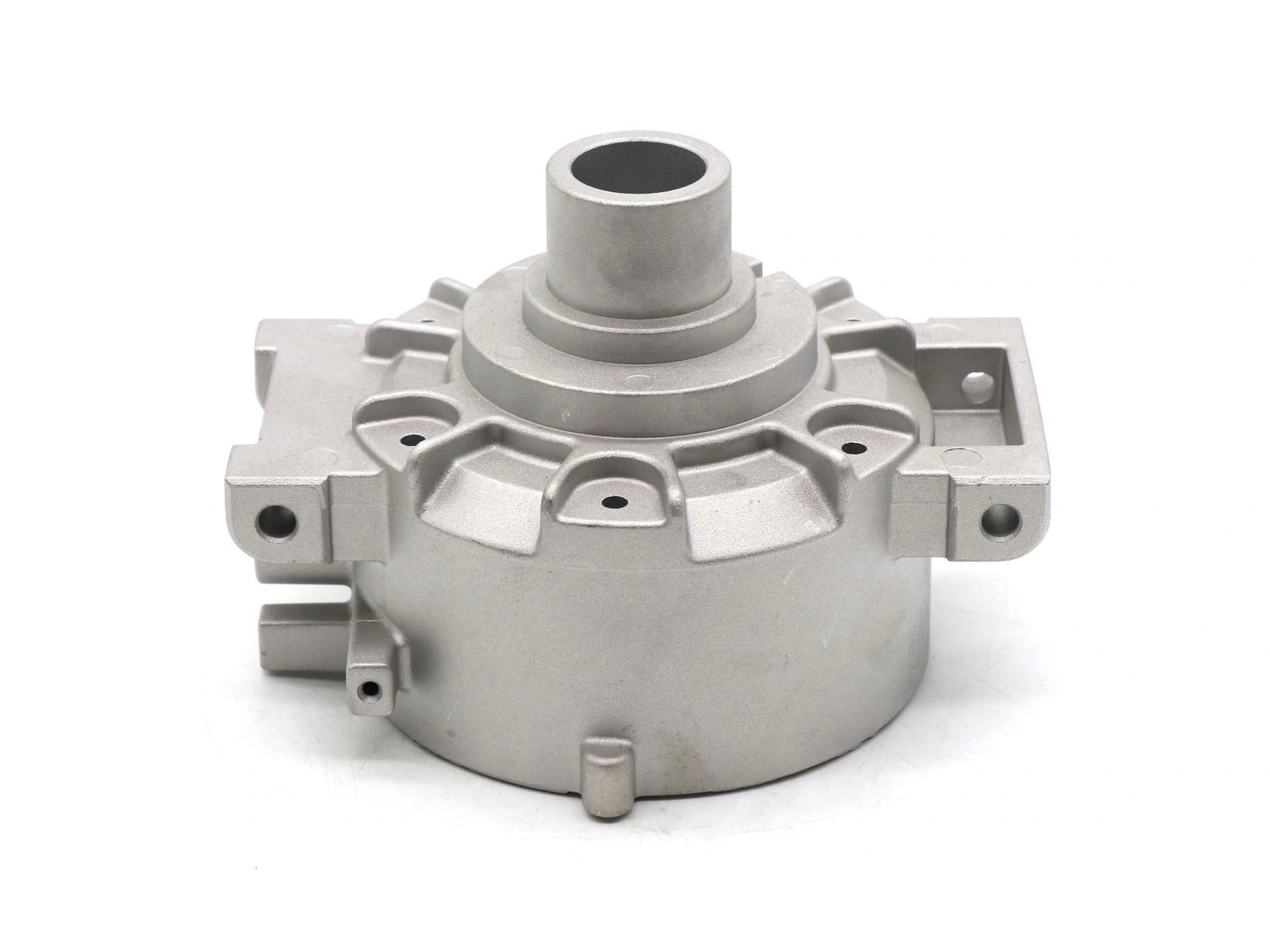
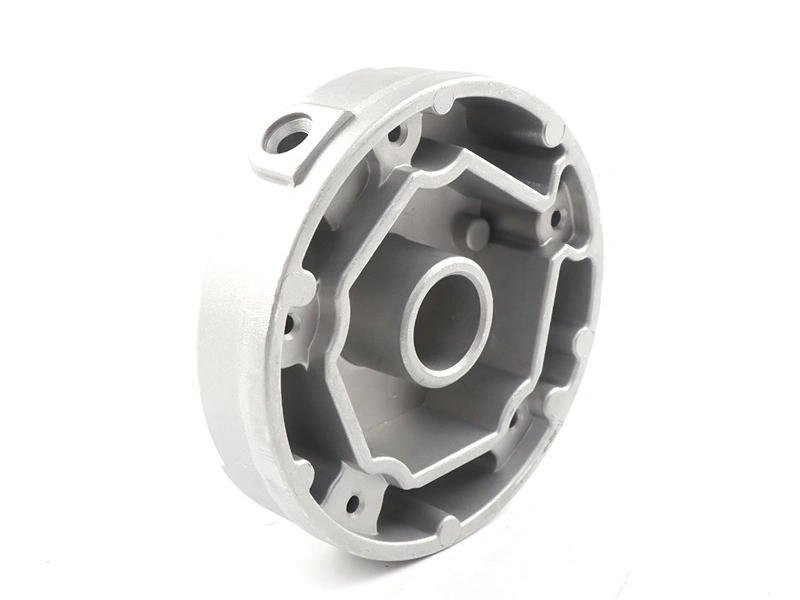
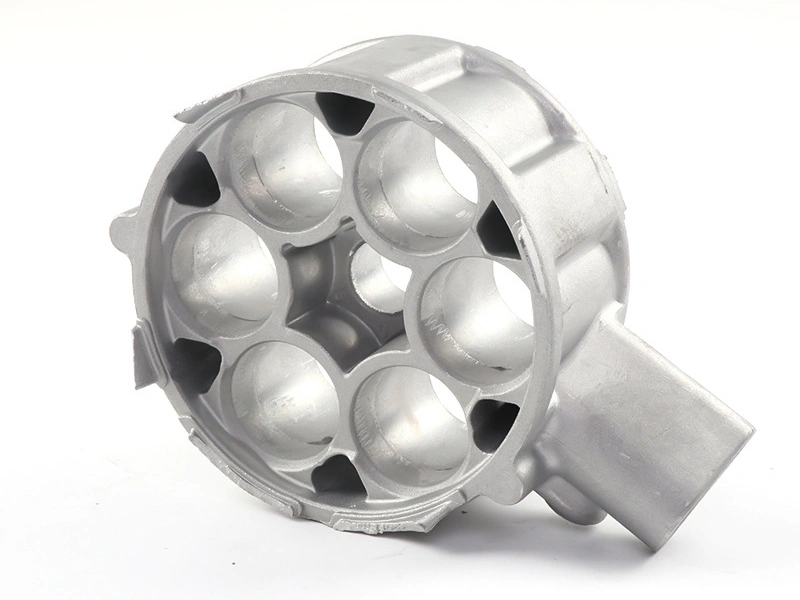
A380 is common for housings, covers, brackets, motor components and general industrial die cast parts. ADC12 is widely used in many automotive, electronics and Asian manufacturing supply chains. These alloys are popular because they work well with HPDC tooling and can support post machining, painting or powder coating when design and surface standards are realistic. If part function depends on alloy behavior, A380 aluminum die casting helps separate strength, castability, machining and finish concerns.
However, the alloy is only one part of the decision. A poor wall thickness transition can create porosity even with a good alloy. A machined sealing face can expose pores if the local design is heavy. A cosmetic surface can fail if gates or ejector marks are placed poorly. The supplier should review die design, CNC machining and finish together with alloy selection.
Common Aluminum Die Casting Alloys
Alloy | Common Use | Why Buyers Choose It | Watch Point |
|---|---|---|---|
A380 | General HPDC housings, covers and brackets | Good balance of casting performance, cost and availability | Porosity and finish still need design control |
ADC12 | Die cast parts in Asian supply chains and equivalent standards | Widely recognized for aluminum die casting production | Confirm drawing standard and documentation needs |
A360 | Selected parts needing corrosion direction or pressure review | Can be considered when environment or sealing matters | Availability and cost should be checked |
A413 | Fluidity-sensitive die cast features | May help with thin or complex filling conditions | Mechanical and machining requirements need confirmation |
How Geometry Changes Die Casting Alloy Choice
Geometry can make an alloy look better or worse. Thin-wall housings need good fill behavior. Thick bosses need shrinkage and porosity control. Long ribs need flow planning. Machined sealing faces need enough stock and sound material below the surface. If the drawing has heavy sections, the supplier may recommend geometry changes before changing alloy.
Buyers should ask for DFM comments before approving material. If the supplier recommends A380, the review should still discuss gate location, venting, ejection, machined features and coating. If the supplier recommends A360 or A413, the buyer should ask what requirement justifies the choice and whether the supply chain can support it reliably. If part function depends on alloy behavior, A360 aluminum die casting helps separate strength, castability, machining and finish concerns.
Production quantity also affects the recommendation. For a small prototype, the supplier may use CNC machining or a temporary casting route to validate shape. For repeat production, the alloy must work with die tooling, cycle time, trimming, machining fixtures and inspection frequency. Buyers should tell suppliers whether the quote is for validation or long-term supply.
How Finish and Machining Affect Die Casting Alloy Choice
Most aluminum die cast parts need some secondary work. Threads, bores, gasket faces and mounting surfaces may need CNC machining. Exterior faces may need deburring, blasting, painting or powder coating. These steps can reveal alloy and casting risks. Machining can expose pores. Coating can reveal surface texture or gas defects. Masking may be needed to protect threads and contact faces.
If the buyer expects decorative anodizing, die casting alloys need careful review because high-silicon cast alloys can produce darker or uneven appearance compared with wrought aluminum. For decorative appearance, painting, powder coating or a machined wrought aluminum route may sometimes be more realistic than trying to force a die casting alloy into a premium anodized finish.
For functional machined areas, the buyer should define the exact surfaces. A380 or ADC12 may form the body well, but gasket faces, threads and locating bores still need CNC control. If these areas are pressure-sensitive or appearance-sensitive, they should be part of the alloy review rather than a later machining surprise.
Buyers should also ask whether the alloy affects trim, deburring and tool life. Some shapes create more flash or burr work because of parting line and ejection design. The alloy recommendation should fit the complete die casting process, including trimming and finishing, not only the cavity filling stage.
Sample approval should include the final die cast condition. If the part will be machined and coated, the buyer should review machined surfaces, threads, coating quality and assembly fit before accepting the alloy for production.
Neway Die Casting Alloy Review
Neway can review die casting alloy direction through aluminum die casting, tool and die making, CNC machining and finishing requirements. The review can help buyers compare A380, ADC12, A360 and A413 based on part geometry, production volume, machined features, finish and inspection needs.
The best die casting alloy choice should lead to a workable manufacturing plan. The plan should identify the alloy, die casting risks, machined features, finish standard, inspection method and production approval steps. If those pieces do not fit together, the material choice is not complete.