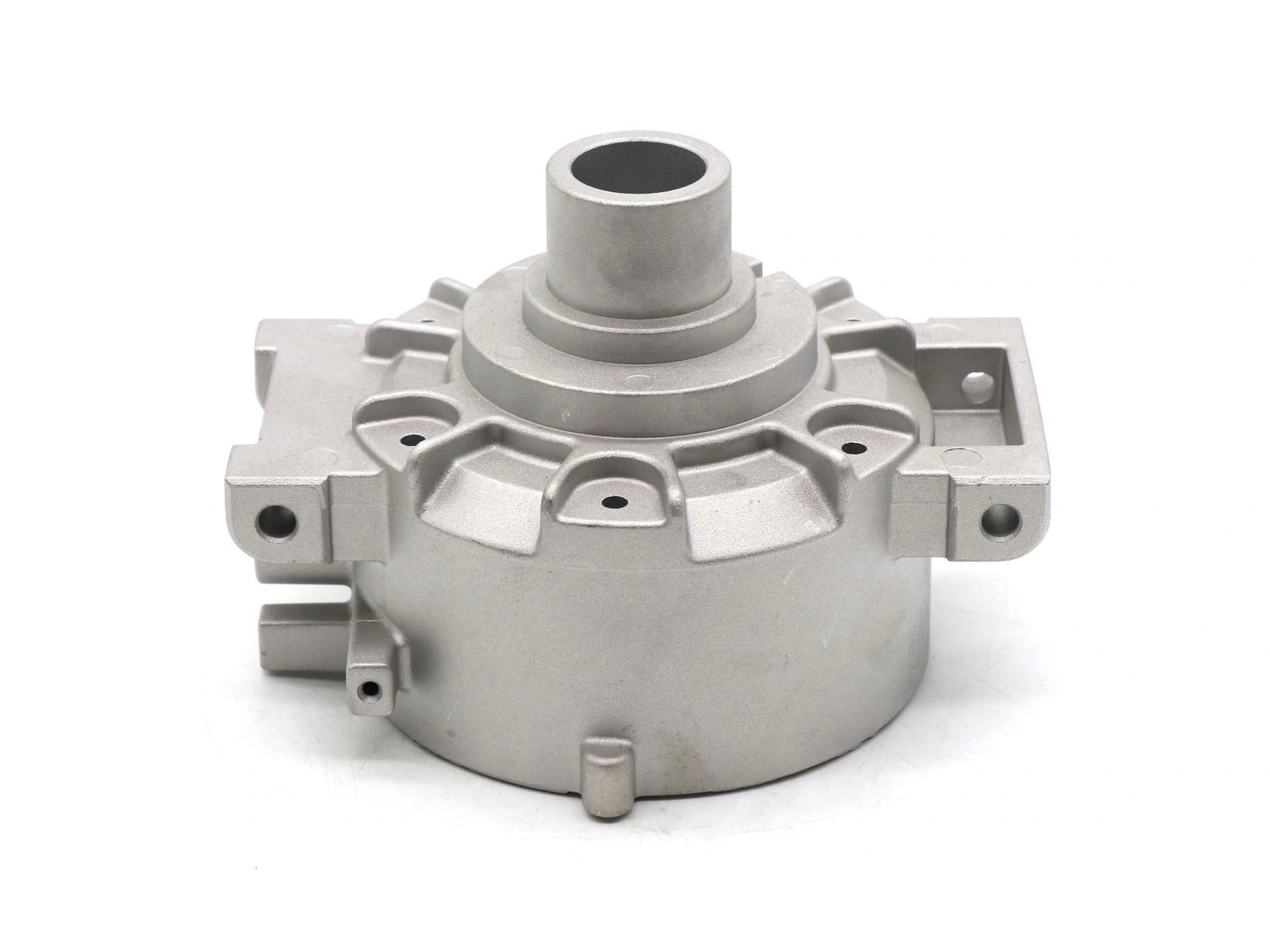
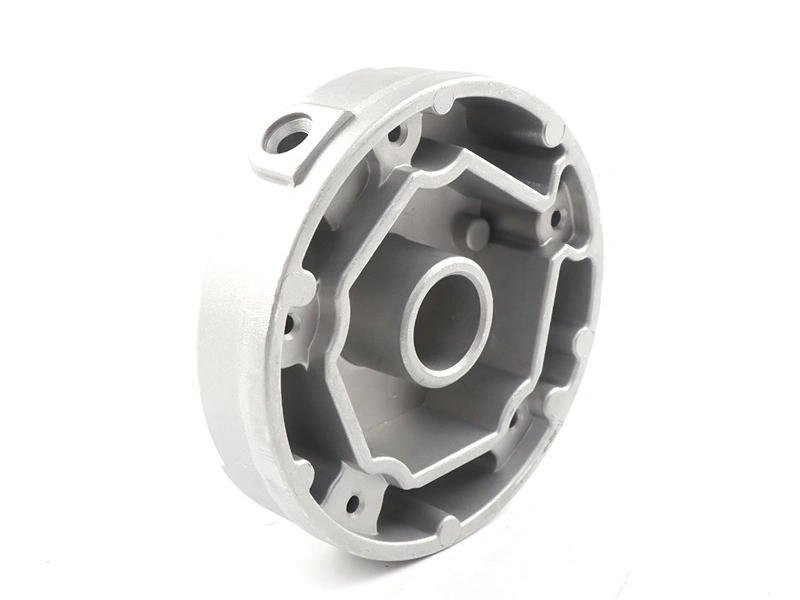
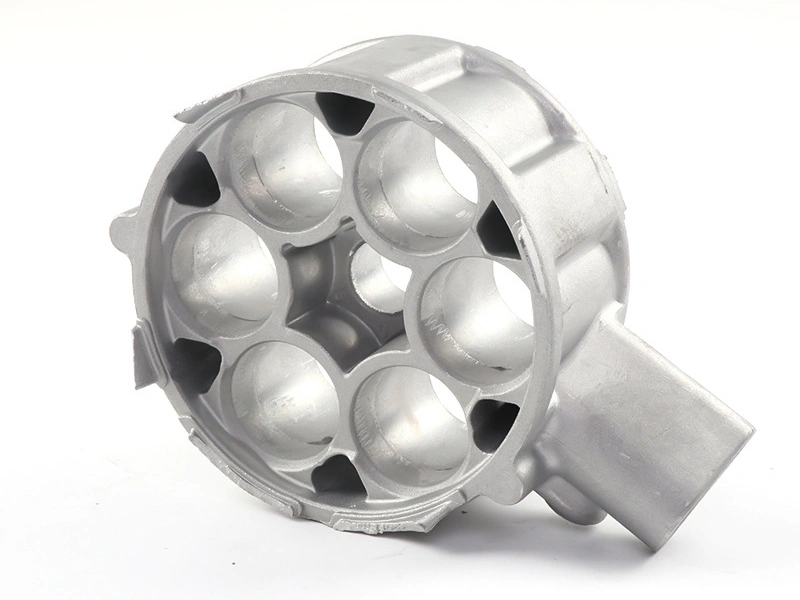
What Is the Composition of EN AC-44300 Aluminum?
EN AC-44300 is an aluminum casting designation whose composition is controlled by the applicable EN material specification, with silicon as a major casting-related constituent and copper present within the limits of the governing grade. The exact chemistry limits, permitted impurities, product form, and delivery condition must be taken from the controlling specification for the project. A buyer should not rely on a generic online table or treat EN AC-44300 as a universal formula independent of casting route and acceptance basis.
The composition matters because it influences fluidity, solidification, machinability, surface response, corrosion considerations, and the way a casting should be inspected. The useful procurement decision is to connect the named grade to the actual process, geometry, machining, surface treatment, and service environment. The EN AC-44300 casting route should be quoted with that complete boundary.
Read the Controlling Specification
Start by identifying the exact EN designation, product form, casting process, condition, and revision of the standard or customer specification. A chemistry range for one product form or casting method may not be the correct basis for another. If the drawing or purchase order gives an internal material code, ask the supplier to map it to the formal specification before production.
Record the required chemistry evidence and the way the lot is identified. The buyer should be able to connect the result to the melt, charge, or casting lot when traceability is part of the agreement. If a supplier offers an alternate designation such as A413, document the comparison rather than treating the names as interchangeable.
Understand Silicon and Copper Roles
Silicon is important to the casting behavior of EN AC-44300 because it supports fluidity and influences the structure formed during solidification. That does not mean a higher or lower silicon value is automatically better. The suitable chemistry depends on the wall map, flow length, cooling, machining, finish, and functional requirement. A grade that fills a simple shape may still need a design or process adjustment in a long thin housing.
Copper can influence strength-related behavior, corrosion response, machining, and heat-treatment or condition discussions, depending on the specification and route. The buyer should evaluate the full chemistry and the finished-part requirement rather than selecting a grade by one element. If the casting is exposed to moisture, salt, cleaners, or dissimilar metals, review the surface protection and environmental evidence separately from the chemistry record.
Do Not Use Composition as a Performance Guarantee
Composition confirms what material was specified or supplied; it does not by itself prove internal integrity, dimensional stability, pressure tightness, fatigue behavior, or surface quality. Those results also depend on casting geometry, melt handling, filling, venting, cooling, ejection, machining, and inspection. A certificate should therefore be paired with part-specific evidence.
For a machined bore, flange, or threaded boss, inspect the finished interface and the relationship to the drawing datums. For a pressure or sealing feature, define the final test state. For a coated or decorative surface, approve the actual finish route. Keep the composition record attached to the same lot and revision used for those checks.
Composition question | Why it matters | How to verify it |
|---|---|---|
Which standard controls? | Element limits and condition depend on the exact specification | Drawing, purchase order, and approved material record |
What does silicon influence? | Fluidity and solidification interact with wall geometry and cooling | Process review and representative casting inspection |
What does copper change? | Corrosion, machining, and condition discussions may be affected | Full chemistry review and application-specific validation |
What does chemistry not prove? | It does not establish porosity, dimensions, sealing, or finish quality | Part, process, functional, and surface evidence |
Write EN AC-44300 Into the RFQ
Include the exact designation, applicable specification, casting process, condition, chemistry or certificate requirement, lot traceability, quantity, geometry, machining, finish, service environment, and inspection plan. Ask the supplier to state any uncertainty about regional equivalents or process transfer. If the part has critical sections, pressure boundaries, or cosmetic zones, identify them on the drawing.
EN AC-44300 composition is meaningful when the supplier can connect the chemistry to the correct process and the buyer can connect the material record to the accepted finished part. The grade should be approved as a controlled material-and-process decision, not as an isolated list of elements.