What Production Records Should OEM Die Casting Suppliers Provide?
OEM die casting suppliers should provide the production records needed to connect the delivered part to the approved drawing, alloy, tool, process state, machining or finish, inspection, and any approved deviation. The exact record package depends on the product and customer requirement. A useful record is not a large collection of certificates; it is evidence that answers a defined question about identity, conformity, function, or change.
Before production, agree the record list and retention period. State which documents are required for first approval, each lot, periodic review, or only when a nonconformance occurs. Define whether reports show actual values, sampling basis, operator or equipment identity, and disposition. This avoids a late argument over whether a material certificate can substitute for a dimensional or leak record.
Core Record Categories
The first category is product identity: drawing and model revision, part number, lot or batch, quantity, and packaging state. The second is material: alloy designation, supplier or melt lot, and the records needed to support the specification. The third is tooling: die, insert, trim tool, fixture, and gauge identity. The fourth is process: casting route, relevant process record, repair or adjustment, and operator or equipment traceability where required.
The fifth is finishing and machining: operation route, fixture or program revision, surface treatment batch, masking, cleaning, and final condition. The sixth is verification: dimensions, visual inspection, internal or functional checks, test results, nonconformance, and release. The categories should be connected by a lot or job identifier so the OEM can reconstruct what happened to a part without searching unrelated files.
Record | Question answered | When it may be needed |
|---|---|---|
Material and lot | What alloy and source entered production? | Each defined lot or release requirement |
Tool and process | Which die, insert, route, and revision made the part? | Launch, production, repair, or investigation |
Machining and finish | What final operations and surface condition were applied? | When interfaces or coating affect function |
Inspection and test | Does the delivered state meet the released requirement? | First approval, lot release, or agreed sampling |
Records for Machined Interfaces
When the OEM receives a machined part, the record package should identify the datums, fixture, operation route, and final inspection state. A hole, thread, bore, face, or gasket land may be more important than the overall cast appearance. Include the dimensions and geometric relationships that make the part fit or seal. If a functional test follows machining, connect the result to the same part or lot.
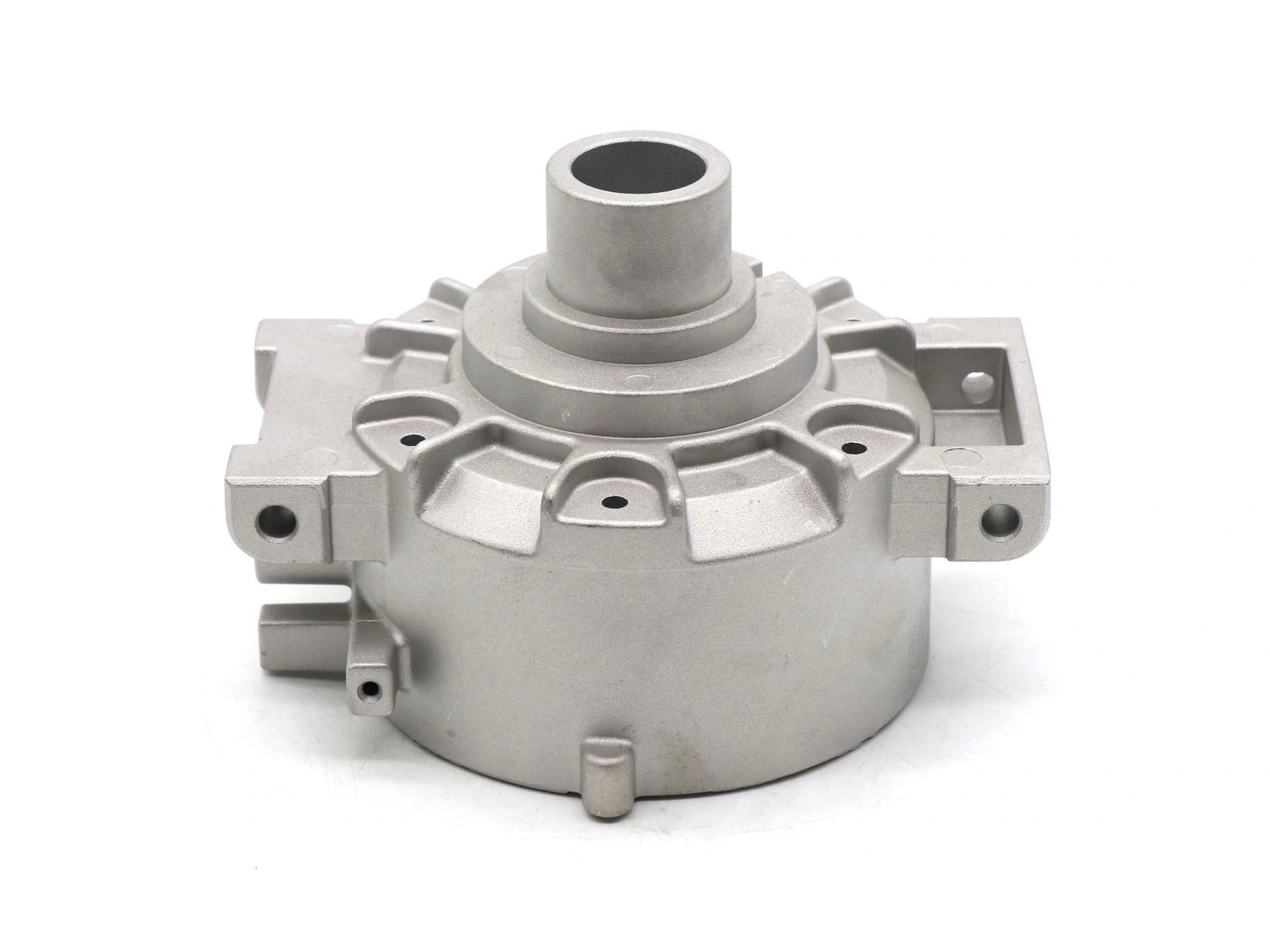
Neway's post-machining service should be considered with the OEM drawing and quality plan. A raw-casting record cannot prove a finished interface. If a coating or cleaning step follows machining, retain the final condition and any required inspection rather than stopping the record at the CNC operation.
Deviations and Change History
Record deviations with part number, drawing revision, affected lot, condition, approval authority, expiry or limit, and disposition. A supplier adjustment that changes the die, gate, cooling, trim, machining, finish, material, or inspection should be evaluated through the agreed change route. The record should state whether the change affects fit, function, appearance, service, or future traceability.
Keep the before-and-after revision clear. If a tool is repaired, identify the feature, reason, date, and evidence after repair. If a new supplier or machine is used, record the qualification or comparison required by the customer. A production record becomes valuable when it explains why a part can be accepted and what changed since the last approved state.
What to Request in the RFQ
List material records, tool identification, process traceability, machining and finish records, inspection reports, functional tests, deviation handling, packaging identification, and retention in the RFQ. State whether records are required for every lot or only a defined sample. Ask the supplier to show a sample report format during quotation if the evidence package is a major project requirement.
The aluminum die casting service should be reviewed with the exact OEM record plan. The supplier and buyer should agree which records are evidence of release, which are process-monitoring documents, and which are investigation records. That distinction keeps the package usable for production, audits, field issues, and future revisions.
Record accessibility is part of the requirement. Define the file format, naming convention, delivery point, revision status, and retention owner. A report that cannot be matched to the lot or opened by the OEM team is not useful evidence. For recurring production, agree whether the supplier sends a certificate with every shipment, maintains an archive, or provides records when requested. The process should protect confidential supplier information while still giving the OEM enough detail to investigate fit, function, or field performance.
For a casting with pressure, sealing, or safety-related interfaces, identify the inspection locations instead of requesting only a general quality certificate. The record should show which features were checked, what sample or lot the result represents, and who approved any exception. If a defect is found after machining, retain the rough-casting and finished-part references together. That connection helps the OEM distinguish a tool or material issue from a machining or assembly issue and prevents the same unexplained condition from being accepted on a later revision.