What Quantities Fit Low Volume Aluminum Casting Projects?
What Quantities Fit Low Volume Aluminum Casting Projects?
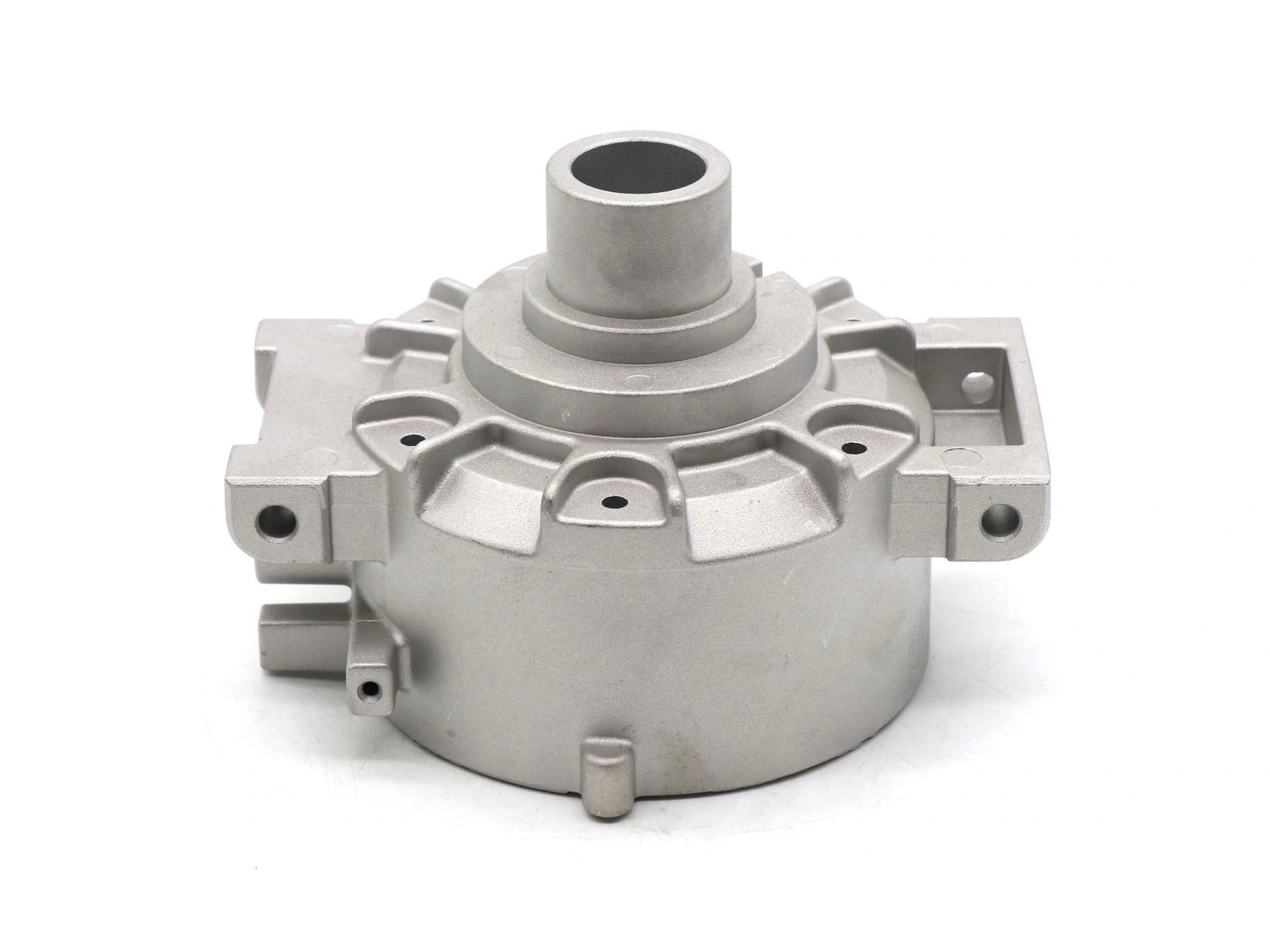
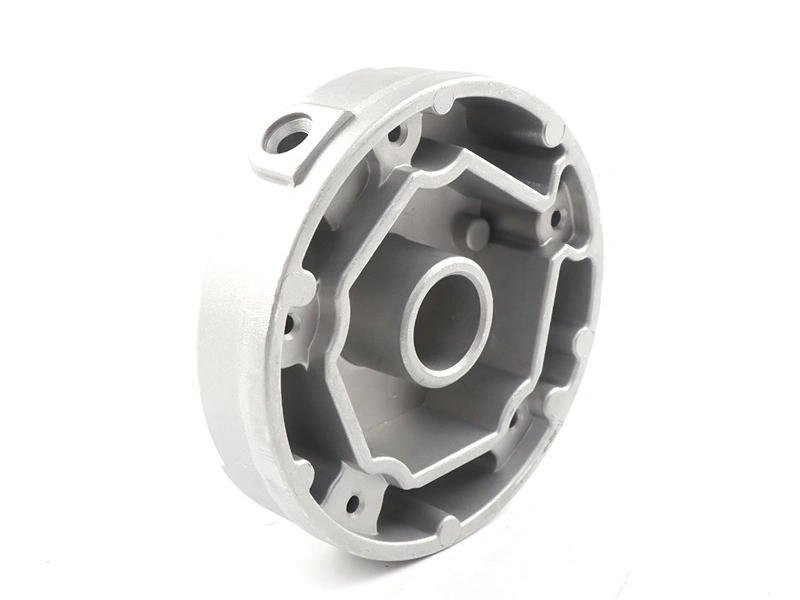
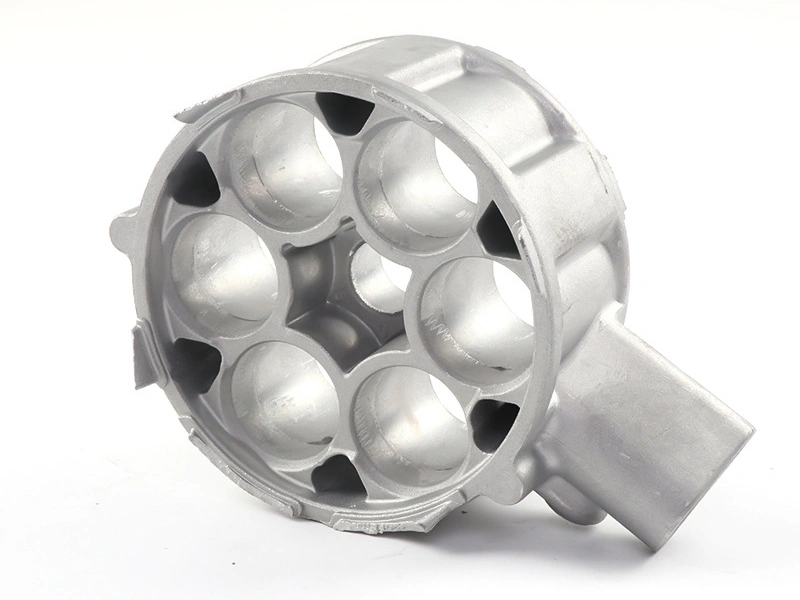
Low volume aluminum casting can fit pilot batches, bridge production and early production quantities when the design is mostly stable and the buyer needs real cast aluminum parts before mass production. There is no single quantity that fits every project because the right range depends on part size, tooling method, material, machining scope, surface finish and future repeat demand. A simple part may justify casting at a lower quantity than a complex part with expensive tooling and heavy finishing.
As a practical decision, buyers should ask whether the quantity is large enough to justify tooling or pattern work and small enough that full production investment may still be premature. If the buyer only needs one or two simple samples, CNC machining may be better. If the buyer needs dozens or hundreds of parts with cast geometry and future repeat potential, low volume aluminum casting may be more useful.
Low-volume manufacturing is often used when the buyer needs controlled early supply while engineering, quality and purchasing teams finalize the production route.
As a screening guide, sand casting may fit roughly 5-500 parts, permanent mold casting often becomes practical around 100-5,000 parts, and production-intent HPDC generally needs several hundred parts or more. These are not supplier MOQs; geometry, tooling complexity, finish and future demand can move the break point substantially.
The process standard should match the route: ASTM B26/B26M for sand castings, ASTM B108/B108M for permanent-mold castings and ASTM B85 for die castings. Buyers should request the same finished-part inspection and finish scope across routes so quantity decisions are based on comparable evidence.
Quantity Is Not the Only Factor
Quantity matters, but it should not be the only factor. A buyer may order a small number of parts to validate a very expensive future program. In that case, low volume aluminum casting can be valuable even if the first batch is not large. The casting may reveal fill issues, porosity risk, machining allowance problems or finish defects that would be expensive to discover after production tooling.
On the other hand, a larger quantity does not automatically mean casting is the best route. If the design is changing, the part is simple to machine, or every surface needs tight CNC tolerance, machining may remain more practical. The supplier should review geometry and production intent before recommending a route.
Typical Low-Volume Situations
Low volume aluminum casting is common for engineering validation batches, customer approval samples, bridge production while final tooling is prepared, spare parts, replacement housings, specialty equipment and early production before demand is fully proven. The buyer may need enough parts for testing across several assemblies, not just one perfect sample.
These projects often require CNC machining, surface finishing and inspection. The quantity should be enough to test not only casting, but also downstream operations. A batch of parts can reveal variation in hole position, coating defects, burr control or packaging damage that a single sample might not show.
Project Stage | Quantity Logic | Buyer Goal |
|---|---|---|
Prototype validation | Small batch after design starts to stabilize | Confirm cast geometry and fit |
Pilot run | Enough parts to test process variation | Validate machining, finish and inspection |
Bridge production | Controlled supply before full production tooling or demand | Support early customers or launch schedule |
Repeat low-volume supply | Regular smaller batches | Maintain quality without over-investing |
Tooling Cost and Unit Cost Balance
The buyer should compare total cost, not only unit price. Casting may require tooling, but it can reduce material waste and machining time. CNC machining may avoid tooling, but the unit cost may remain high if the geometry removes a lot of material or requires long cycle time.
The right decision often depends on whether the buyer expects repeat orders. If the project is a one-time low quantity, tooling cost must be controlled carefully. If repeat demand is likely, a better tool may pay back through lower unit cost, more stable quality and easier production transfer.
Inspection Quantity Matters
Low volume aluminum casting should include enough parts to inspect variation. One approved sample does not prove batch stability. Buyers should check several castings for dimensions, machined features, surface finish and assembly fit. If the project will move to mass production, the pilot batch should produce records that can guide the future production standard.
Neway can help buyers review expected quantity, future demand, tooling route, machining scope and inspection requirements. This helps decide whether low volume aluminum casting is a sensible bridge between prototype work and repeat production.
When the part is intended to become an aluminum die cast component later, buyers can also compare the pilot quantity against aluminum die casting tooling and sample requirements before locking the order size.
Why Minimum Order Quantity Is Not Enough
Buyers often ask for a minimum order quantity, but MOQ alone does not answer the manufacturing question. A supplier may be willing to make a small batch, but the buyer still needs to know whether that batch will validate the part properly. A ten-piece order may be enough for a simple cover but not enough to test variation on a machined housing with several critical features.
The quantity should match the validation plan. If the buyer needs assembly testing, enough parts should be available for multiple assemblies. If finishing must be approved, enough parts should be coated to check visible variation. If inspection is important, enough samples should be measured to understand process behavior.
For future repeat orders, buyers should ask how the first low-volume batch will be documented. Material records, machining results and finish approvals are often more valuable than the exact MOQ number.