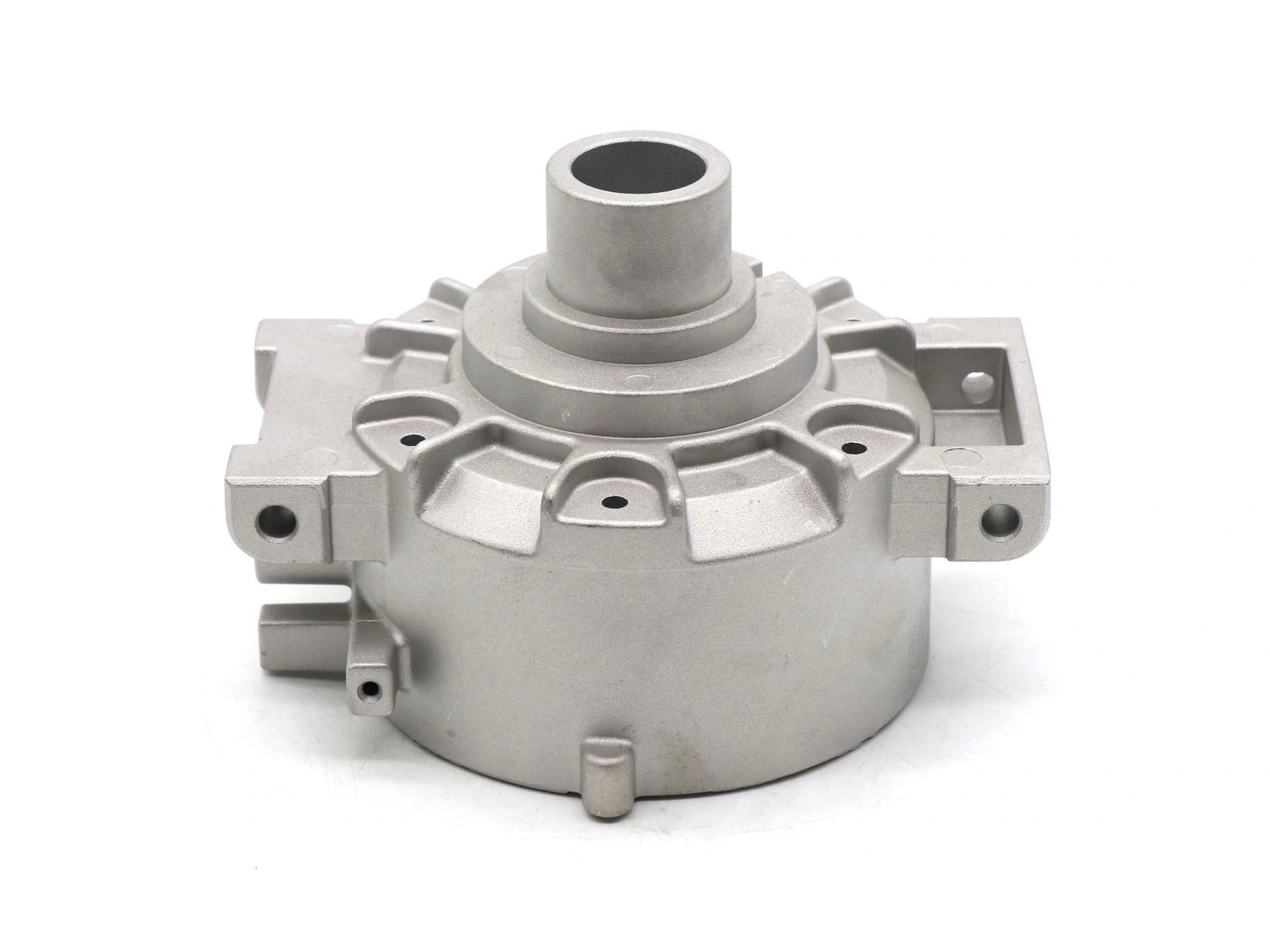
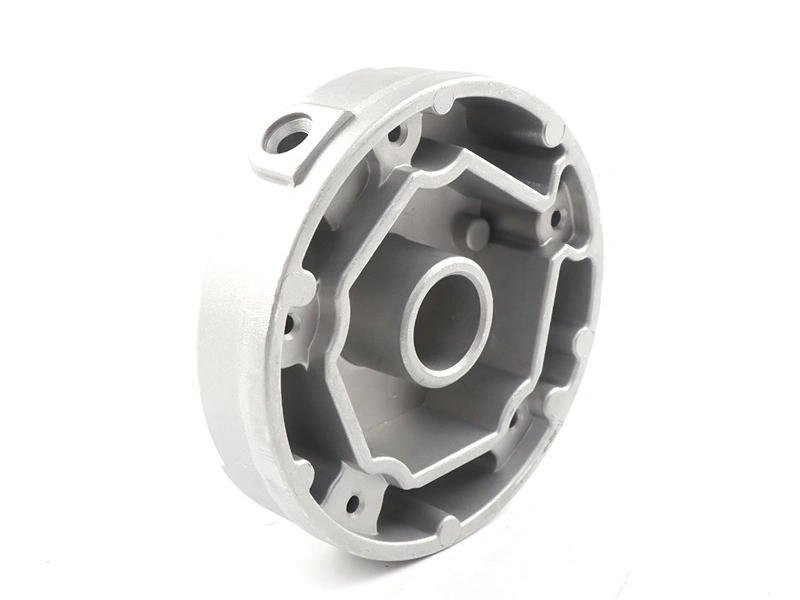
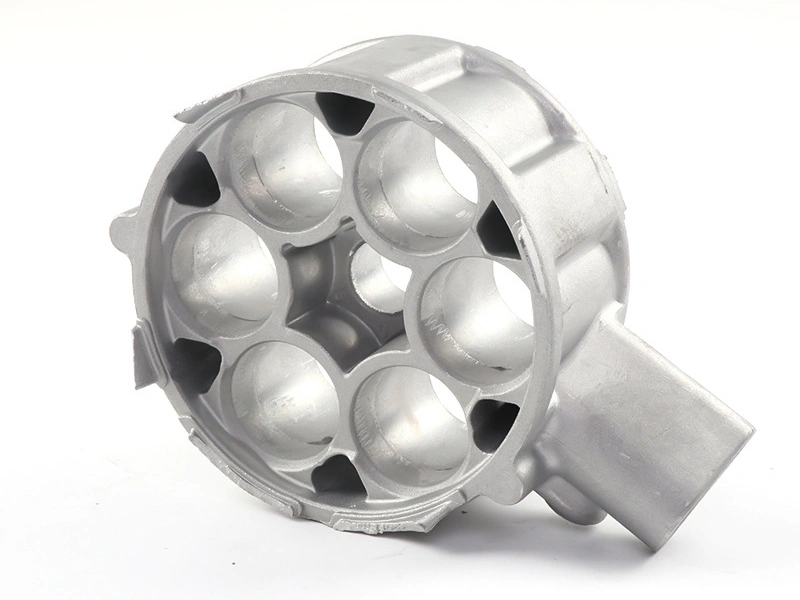
What Should an OEM Die Casting RFQ Include?
An OEM die casting RFQ should include the released drawing and 3D model, revision identity, alloy, part condition, functional datums, casting and machining state, finish, quantity, packaging, inspection, testing, tooling ownership, and change-control expectations. It should describe the part the OEM will receive, not only the nominal shape to be cast. If the quote does not distinguish cast, trimmed, machined, finished, and assembled states, suppliers may return prices for different products.
Start with the interfaces. Mark mounting faces, sealing lands, bores, threads, locating features, pressure boundaries, cosmetic surfaces, and no-machining zones. For each feature, state whether it is cast, trimmed, drilled, milled, tapped, reamed, coated, or accepted in another state. This gives the supplier a basis for die layout, machining access, fixtures, inspection, and cost.
Drawing and Material Inputs
Provide the current drawing, model, specification references, material designation or approved range, heat or delivery condition, surface treatment, marking, and packaging requirements. State which file controls a profile or freeform surface. Identify the measurement state for dimensions and whether a dimension applies before or after finish. If the OEM has a preferred material source or restriction, include it rather than expecting the supplier to infer it from the application.
For aluminum die casting, include alloy, section thickness, porosity or pressure requirements, machining, and any thermal or surface condition that affects the application. A material substitute should require written comparison and approval. The aluminum die casting service can be evaluated only after these product inputs are clear.
RFQ section | Include | Decision supported |
|---|---|---|
Product definition | Drawing, model, revision, datums, interfaces, and states | Whether the quoted part matches the OEM release |
Manufacturing route | Die casting, trim, machining, finish, clean, and assembly | Whether process scope and cost are comparable |
Tooling | Tool design, ownership, storage, repair, and spare policy | Who controls the production asset and future changes |
Quality package | Inspection, test, traceability, deviations, and reports | What evidence is required for approval and production |
Tooling and Commercial Scope
State whether the OEM, supplier, or another party owns the die, inserts, trim tools, fixtures, and gauges. Include design approval, tool tryout, storage, maintenance, repair authorization, replacement parts, and transfer conditions. Ask for tooling cost separately from part price. Define what happens if the drawing changes after design release, and whether the supplier may modify the tool to correct a process issue.
Request separate scope for casting, trimming, machining, deburring, cleaning, surface treatment, inspection, functional testing, packaging, freight, samples, and nonconformance handling. State annual demand if known, release quantity, batch size, prototype versus production status, and forecast assumptions. A unit price without these boundaries is difficult for purchasing to compare.
When the part includes holes, threads, seats, or gasket lands, include the post-machining service requirements. List datums, tool access, allowance, final size, surface condition, edge treatment, and inspection. A machined-interface quote should not be judged against a cast-only quote.
Validation and Records
Define first-article or sample-approval evidence: dimensions, material, visual condition, internal quality, leak or pressure test, assembly trial, surface finish, and any application-specific test. State whether reports must show actual values or only pass/fail results, and identify the sample state. A raw casting sample cannot prove a finished machined or coated component.
Ask how production records will identify the casting lot, tool revision, process route, machining state, finish batch, inspection, and deviations. If the OEM requires traceability to a lot or serial range, include it in the RFQ. If a supplier proposes an alternative inspection method, ask which risk it covers and what it does not show. This avoids collecting certificates that do not answer the product question.
Review the RFQ Before Award
Before choosing a supplier, compare the proposed alloy, die design assumptions, cast envelope, machining, finish, tool ownership, validation, traceability, packaging, and exclusions line by line. Ask each bidder to list open questions and commercial assumptions. Resolve functional requirements before steel cutting. For engineering coordination, the engineering solution scope can be reviewed when the design still needs DFM, datum, or process clarification.
A good OEM RFQ lets design, purchasing, and quality teams evaluate the same delivered part. It reduces hidden scope, makes supplier responses comparable, and gives the production team a clear basis for controlling changes after launch.
Include a response table for open items. Ask the supplier to identify any feature that cannot be cast as shown, any tolerance that requires machining, any proposed material substitution, and any inspection method that differs from the OEM request. Require each exception to name the affected drawing feature and the proposed evidence. This makes technical clarification part of the quotation record instead of leaving it in disconnected email threads. It also gives the buyer a clean list of items to close before tooling approval.
Also identify the commercial trigger for a re-quote. A drawing revision, material change, new finish, extra inspection, altered batch size, or customer packaging requirement can change the supplier's scope after award. Ask the bidder to state the assumptions behind the initial price and the point at which a change requires approval. This gives the OEM a practical way to keep cost discussions tied to documented product changes instead of allowing hidden operations to appear during launch.