When Is A356-T6 Better Than A380 or ADC12 for Casting?
When Is A356-T6 Better Than A380 or ADC12 for Casting?
A356-T6 can be better than A380 or ADC12 when the part needs a heat-treated structural casting route, better ductility direction, stronger mechanical-property focus or a casting method such as sand casting, gravity casting or permanent mold casting. A380 and ADC12 are common high pressure die casting alloys, while A356-T6 is usually considered for a different casting route and a different set of performance requirements. When the drawing is still open, A383 ADC12 aluminum alloy information gives buyers a useful reference for comparing alloy trade-offs before RFQ release.
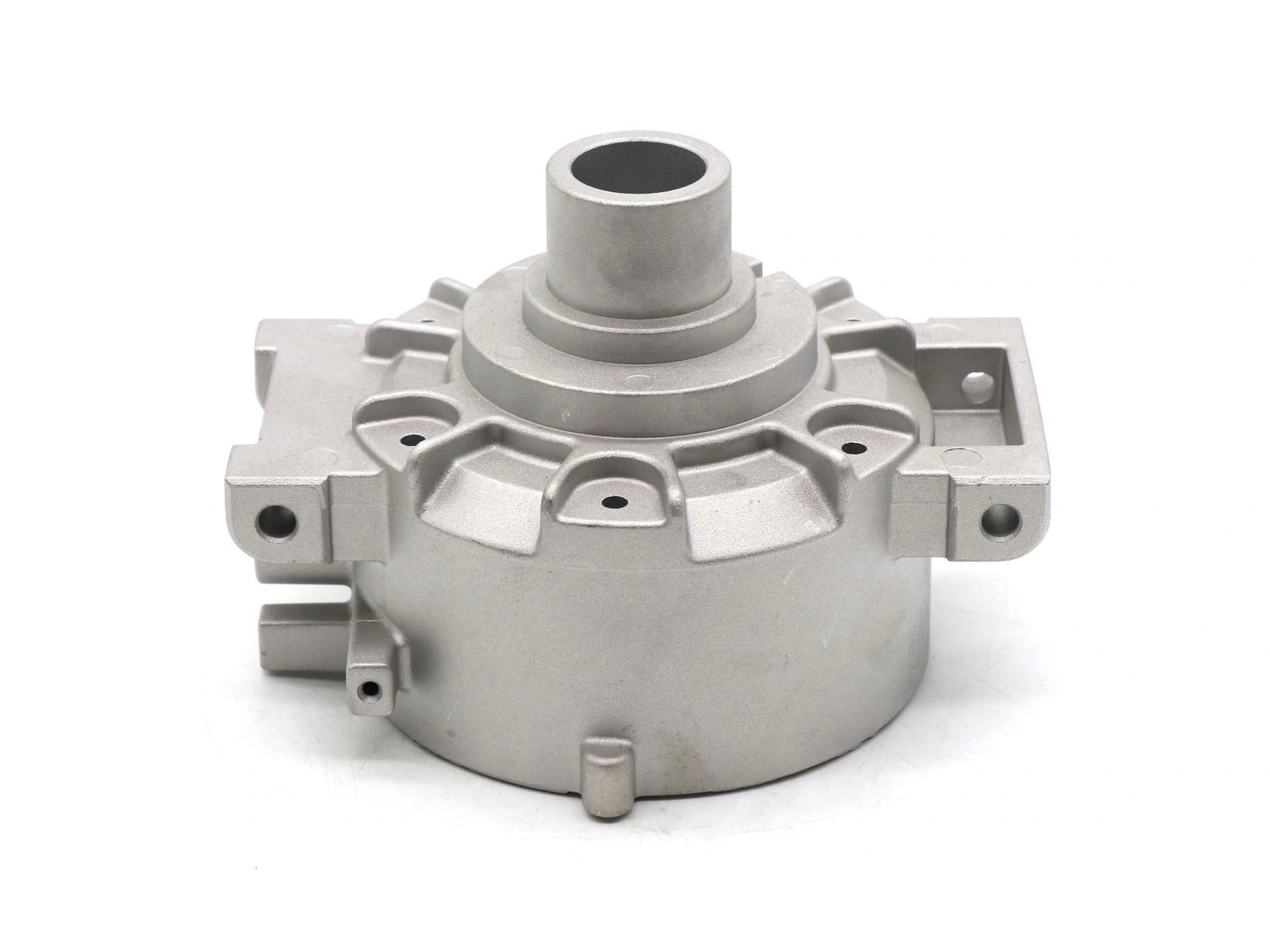
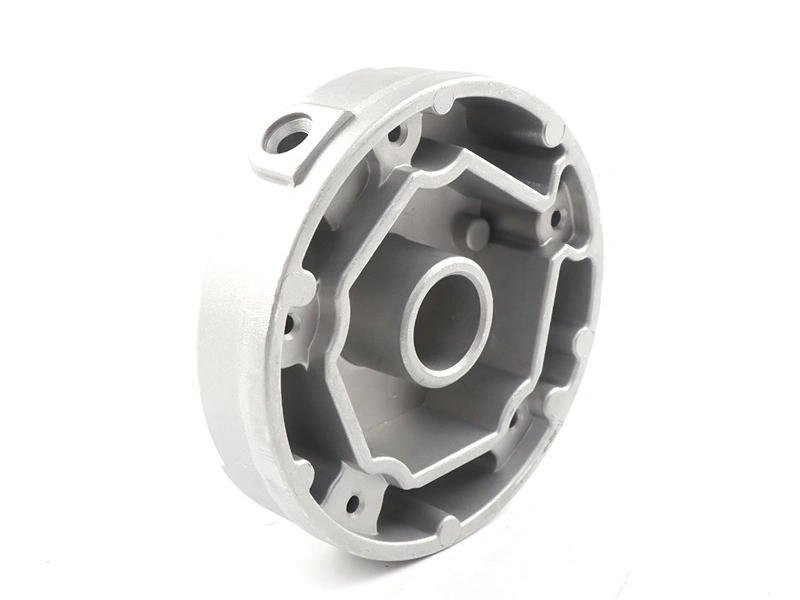
Buyers should not treat A356-T6, A380 and ADC12 as simple substitutes. A380 and ADC12 often fit thin-wall die cast housings, covers and brackets where production tooling, cycle time and near-net shape matter. A356-T6 may fit structural arms, pump bodies, larger housings or lower-volume cast parts where heat treatment and mechanical direction are more important than HPDC speed.
The comparison should start from the part drawing. If the part has thin walls, many small bosses and high annual volume, A380 or ADC12 die casting may be practical. If the part has thicker sections, structural loading, lower volume and heat treatment expectations, A356-T6 may deserve review. If the part needs a premium decorative anodized surface, neither route should be assumed without finish testing. When the drawing is still open, A356 aluminum casting direction gives buyers a useful reference for comparing alloy trade-offs before RFQ release.
A356-T6 vs Die Casting Alloys
Comparison Item | A356-T6 Direction | A380 / ADC12 Direction |
|---|---|---|
Typical process | Sand casting, gravity casting or permanent mold casting with heat treatment | High pressure die casting production tooling |
Part style | Structural castings, thicker sections and selected larger parts | Thin-wall housings, covers, brackets and repeat production components |
Volume fit | Prototype, low-volume or medium-volume structural needs | Medium to high production when tooling is justified |
Machining need | Often more allowance on faces, bores and holes | Local CNC machining for precision features |
Main risk | Heat-treatment distortion, wider casting tolerance and surface roughness | Porosity, tooling cost, gate marks and ejection marks |
When A356-T6 Is a Strong Candidate
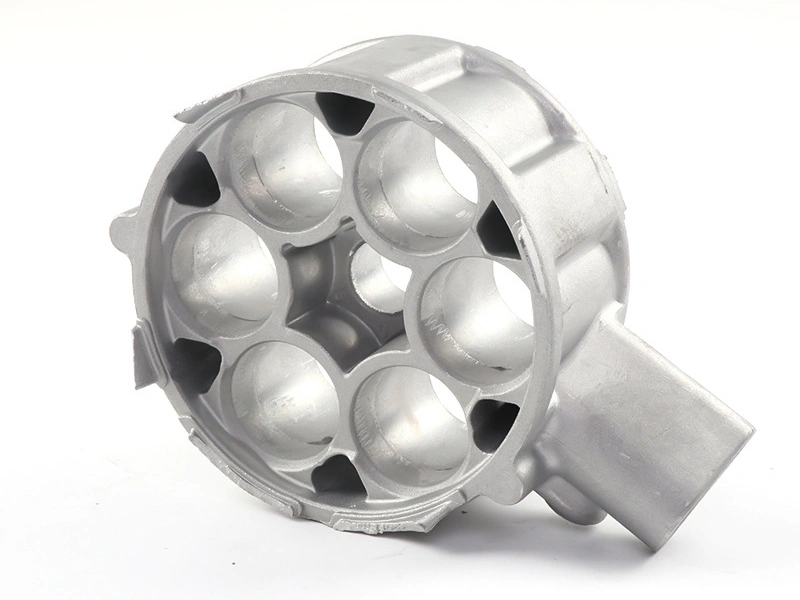
A356-T6 becomes a strong candidate when the buyer needs heat-treated structural performance and the part geometry is suitable for sand, gravity or permanent mold casting. Examples may include larger brackets, pump housings, structural covers, arms, fixtures or components where the wall section and quantity do not point clearly to HPDC. The buyer should expect machining allowance and sample validation because the route has different tolerance and finish behavior than die casting.
Heat treatment can improve properties, but it also introduces distortion risk. Flat surfaces, bores and mating faces may need machining after heat treatment. Buyers should define which dimensions are checked before and after heat treatment and which surfaces are machined in final condition.
Lead time may also be different. A heat-treated structural casting may require pattern or mold preparation, casting, heat treatment, machining and final inspection. A die cast part may need die tooling, trial shots, trimming, machining and finishing. Buyers should compare the full route schedule, not only the casting step.
When A380 or ADC12 Is a Better Route
A380 or ADC12 may be better when the part is designed for high pressure die casting and the buyer needs repeat production. These alloys are common for aluminum die cast housings, covers, equipment parts, electronic enclosures and brackets. The main benefits are production speed, near-net shape, stable repeat output and practical secondary finishing options. For alloy-sensitive projects, A380 die casting material is a better reference than treating every aluminum or zinc grade as interchangeable.
The buyer should still review porosity, machining and finish. A die cast part with a pressure boundary, heavy boss or machined sealing face needs more careful review than a simple cosmetic cover. If the drawing requires A356-T6 but the geometry looks like a die cast housing, the supplier should clarify whether the material requirement or the process assumption is driving the decision.
Cost comparison should include tooling and expected volume. A356-T6 may avoid expensive HPDC dies for lower-volume structural parts, but it may require more machining. A380 or ADC12 may need higher tooling investment but lower repeat unit cost. The better choice is the route that fits the program volume and acceptance standard.
Buyers should also compare approval evidence. A356-T6 projects may need heat treatment records and final machining checks after heat treatment. A380 or ADC12 die cast projects may need porosity review, machined feature inspection and coating approval. The required evidence often reveals which route is more practical.
Application environment should be part of this comparison. Outdoor exposure, vibration, thermal cycling and contact with fluids can change the material and finish choice. The supplier should know these conditions before recommending either route.
Neway Comparison Support
Neway can compare A356-T6, A380, ADC12 and related alloy directions through aluminum casting route review, aluminum die casting, machining and finishing planning. The review can help buyers decide whether the part should use HPDC, sand casting, gravity casting or a staged prototype route.
The best comparison should end with an approved path: alloy direction, casting method, heat treatment if needed, machining scope, finish standard and inspection plan. That is the level of detail buyers need before they can compare price, lead time and production risk.