When Should Buyers Review A360 or A413 for Aluminum Die Casting?
When Should Buyers Review A360 or A413 for Aluminum Die Casting?
Buyers should review A360 when corrosion direction, selected pressure-related performance or application environment makes a standard A380-type choice questionable. Buyers should review A413 when fluidity-sensitive geometry or selected leak-sensitive features need extra attention. These materials can be useful, but they should be selected for a defined engineering reason, not because a specialized alloy name sounds safer.
A360 and A413 may change cost, availability, processing expectations and customer approval. The supplier should explain why one of these materials is recommended and how it affects tooling, casting, machining, finishing and inspection. If the benefit is not tied to the part's actual risk, A380 or ADC12 may remain more practical.
The buyer should also confirm documentation. If the drawing or customer standard requires a specific material, substitutions must be approved. If the project is open to supplier recommendation, the quote should state the material assumption clearly.
For special alloy review, buyers can compare A360 aluminum die casting and A413 aluminum die casting.
A360 and A413 Decision Table
Material Direction | Why Review It | Buyer Confirmation |
|---|---|---|
A360 | Corrosion direction or selected pressure-related requirements | Application environment, cost and availability |
A413 | Fluidity-sensitive parts or selected leak-sensitive areas | Thin features, sealing zones and mechanical requirements |
A380 alternative | May be more practical if special benefits are not needed | Finished-part risk comparison |
ADC12 alternative | May fit supply chain standard better | Customer standard and equivalent approval |
When A360 May Help
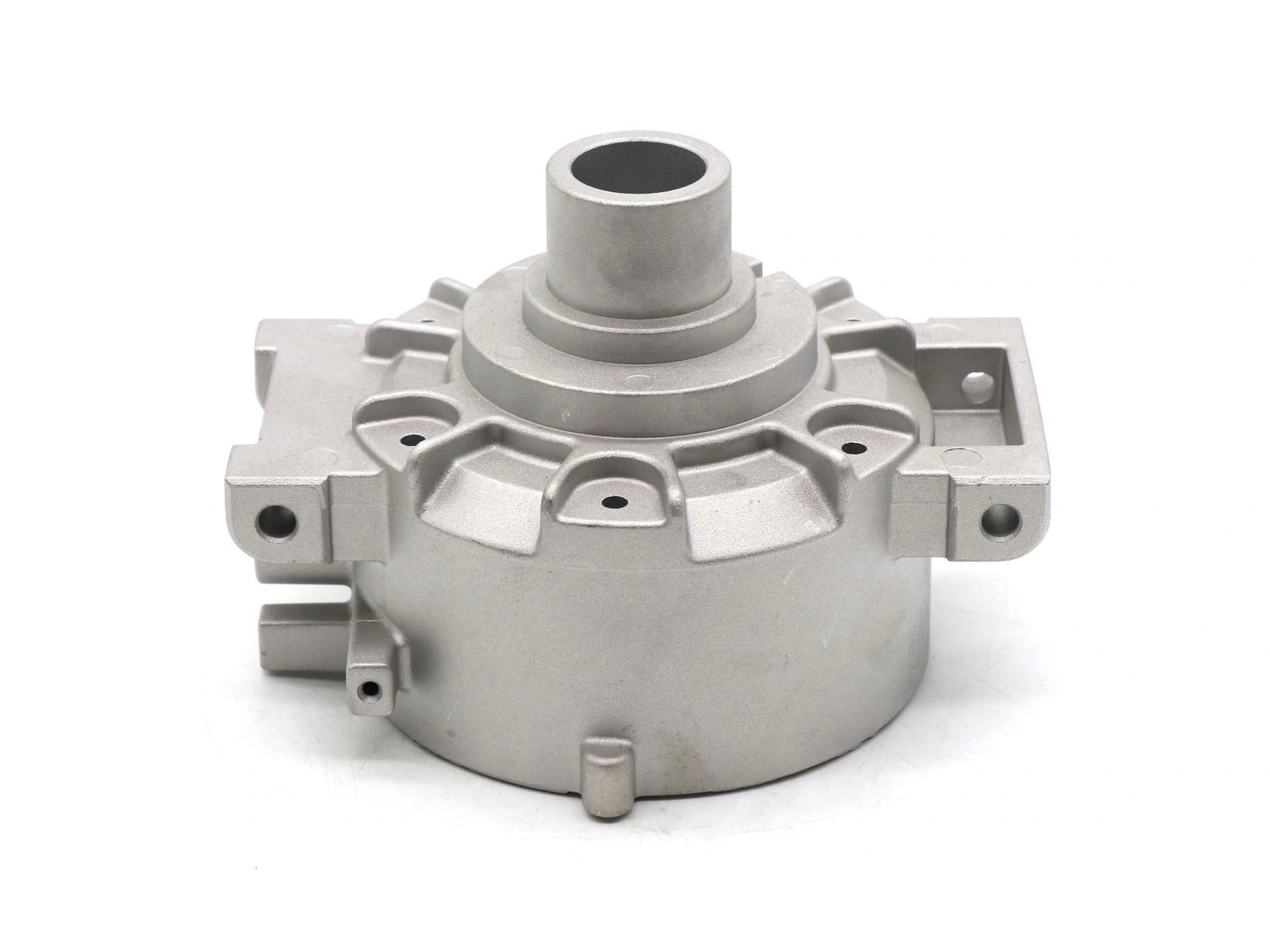
A360 may be reviewed for die cast parts exposed to corrosion-sensitive environments or selected pressure-related conditions. Examples may include outdoor housings, covers, pump-related components or parts where material direction and finish work together. Buyers should still define coating, sealing, machined surfaces and inspection requirements.
A360 should be compared with finishing options. Sometimes powder coating, painting, sealing or improved design control may solve the application risk without changing material. The supplier should explain whether A360 is technically necessary or simply one possible direction.
If A360 is selected for corrosion direction, the buyer should still define environment and finish. Outdoor exposure, humidity, splash, chemicals and temperature can change the coating or sealing plan. Material alone does not protect a part if the surface preparation and finish are not suitable.
When A413 May Help
A413 may be reviewed when fluidity matters for thin or complex features. It may also appear in discussions around selected leak-sensitive die castings. However, leak performance cannot be guaranteed by alloy alone. Gate design, venting, wall thickness, porosity control, machining and leak testing remain critical.
Buyers should mark pressure or sealing zones on the drawing. If a machined face must seal, the supplier should review local porosity, machining allowance and inspection. A413 may be part of the answer, but the process plan must prove the finished part.
For fluidity-sensitive parts, buyers should also review wall thickness and gate strategy. A material with good fluidity cannot fix every thin-wall design if flow length, venting or thermal balance is poor. Tooling review remains essential.
Cost and Availability Check
A360 or A413 may cost more or have different availability than common A380 or ADC12 directions. Buyers should ask whether the lead time, batch size or documentation changes. A specialized material should earn its place by solving a defined risk.
Sample testing is useful before locking either material. A first article should show machined features, surface finish, porosity-sensitive zones and any leak or assembly check. If the special material does not improve the buyer's real acceptance risk, the added cost or sourcing complexity may not be justified.
Buyers should also ask whether the supplier has stable experience with the selected alloy. A material that is unfamiliar to the supplier may increase trial time or process variation.
Pressure and Leak-Sensitive Areas
When A360 or A413 is considered for pressure or leak-sensitive parts, the buyer should define the sealed volume, test pressure, leak rate, machined sealing surfaces and any ports or threads that cross the pressure boundary. This information tells the supplier whether the material change is enough or whether the design, gating and inspection plan must change as well.
If the part only has a general outdoor exposure requirement, the supplier may compare A360 with coating and sealing options. If the part has actual fluid or air containment, inspection such as leak testing or X-ray review may be needed. The buyer should separate these two cases.
This separation helps avoid over-specifying material when finish control is enough.
It also helps buyers spend inspection budget on the real risk instead of every surface.
Neway Special Material Review
Neway can review A360 or A413 material direction through aluminum die casting, tooling, machining, finishing and inspection. The review can compare specialized alloy benefits against A380, ADC12 or other practical directions.
The buyer should expect a clear reason for using A360 or A413: corrosion direction, fluidity, pressure risk, customer standard or another defined requirement. Without that reason, a more common material may be easier to source, quote and repeat.